
Dalwhinnie
Moonambel, Pyrenees
Winery in Pyrenees, Australia
 Book with Pearl
The Read
Granite-Site Restraint
Why go
Dalwhinnie is the Pyrenees pick to prioritise when the visit is about serious wine access rather than a casual tasting-room circuit. It makes the most sense for return visitors or buyers deciding whether the membership or allocation path is worth pursuing, with Blue Pyrenees Estate and Taltarni Vineyards better suited to a broader first-time regional day.
About Dalwhinnie
Dalwhinnie is a Pyrenees venue with Pearl 3 Star Prestige recognition in 2025. Frame it as a prestige-led Pyrenees choice, and avoid inferring specific services, menus, tastings, visitor formats, or other operational details from the award alone.
The useful comparison is simple: consider Dalwhinnie alongside regional names such as Blue Pyrenees Estate and Taltarni Vineyards when deciding how to shape a Pyrenees itinerary. If the decision is about recognised prestige, Dalwhinnie has a clear signal; if the decision depends on specific opening hours, booking requirements, food, retail, shipping, access, or service details, check directly with the venue before planning around it.
Book this when prestige recognition matters more than extra detail
Dalwhinnie works well as a prestige reference point for Pyrenees. The key planning notes are deliberately narrow: casual dress code and Pearl 3 Star Prestige recognition for 2025. That makes it a strong name to note, without implying cuisine, service structure, visitor format, product range, pricing, or timing.
For planning, keep expectations practical. Use Dalwhinnie as a priority only if the recognition is enough to justify your interest, then check current visitor information through official channels. If your group needs detailed food, timing, access, or service information before committing, do not assume those details from the award alone.
Where it fits in a Pyrenees itinerary
For a compact Pyrenees plan, Dalwhinnie can be considered alongside Taltarni Vineyards or Blue Pyrenees Estate. Those names are useful reference points for travellers comparing regional options, while Dalwhinnie stands out for its 2025 Pearl 3 Star Prestige recognition.
If this stop is part of a wider regional run, compare the decision against other names such as Best's Wines, Mount Langi Ghiran, and Seppelt Great Western without assuming they all provide the same visitor experience. The practical question is which venue best matches the purpose of the trip based on the details that matter to your plans.
Quick reference: prioritise Dalwhinnie for Pearl 3 Star Prestige recognition in Pyrenees, note the casual dress code, and check practical details directly before visiting.
Planning details
- Location
- 448 Taltarni Rd, Moonambel VIC 3478
- Website
- dalwhinnie.wine
- Phone
- +61 3 5467 2388
The take
The Take
The Vibe
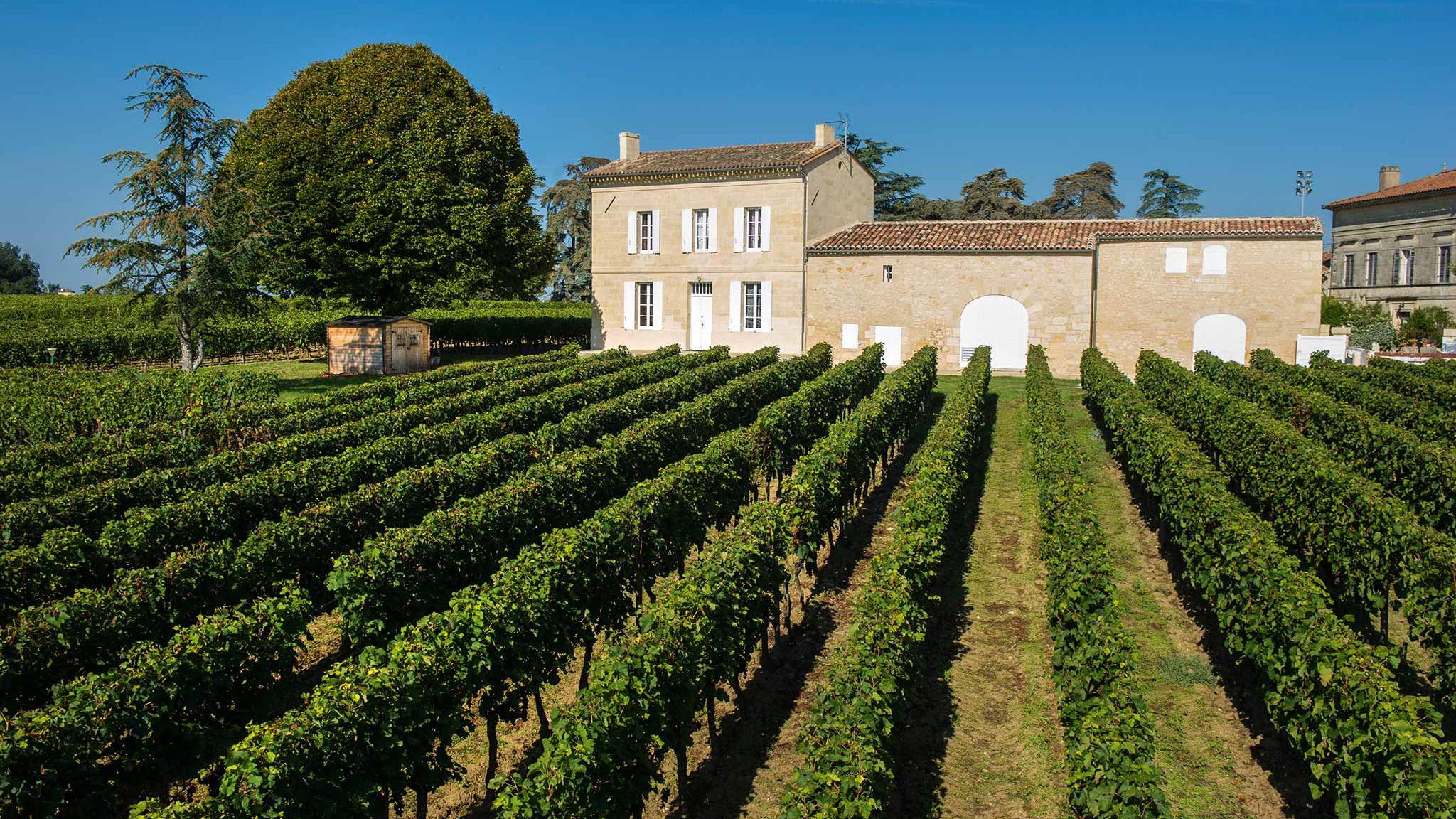
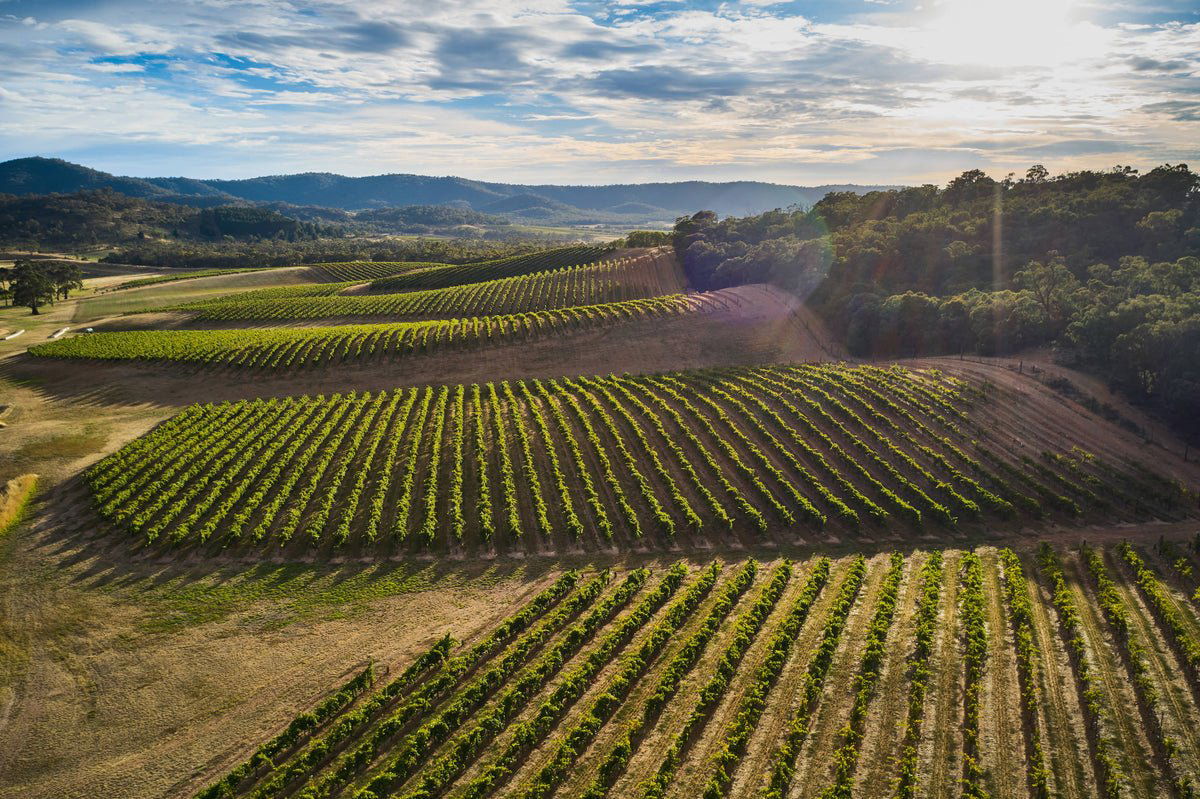
Dalwhinnie reads as a quietly sophisticated Pyrenees estate rooted in terroir and measured craft. The write-up emphasizes a high inland plateau, cool nights and granite- and quartz-rich soils, and the property’s Pearl 3 Star Prestige placement reinforces a sense of considered, quality-driven production rather than flash. The mood is composed and rural — more about geological identity and slow-development wines than spectacle. That combination produces an understated, refined atmosphere: a place where the landscape and the wines themselves are the principal gestures of personality.
Best For
Dalwhinnie suits visitors who come to learn and compare rather than chase novelty. The emphasis on mineral grip, preserved acidity and a slower arc of development makes it a natural stop for wine-education-minded guests who want to study how elevation, soils and climate shape red wines. The region’s small scale also rewards solo exploration and focused tasting itineraries, while its position on a corridor of significant producers makes it a logical pairing for group outings that compare neighboring estates.
Tasting Tips
When engaging with Dalwhinnie’s wines, prioritize red bottlings that show the Pyrenees’ characteristic mineral grip and balanced acidity; the description flags wines that develop more slowly than those from warmer Australian zones. Seek single-vineyard or older-vine expressions where available, and use comparisons with nearby producers (for example Taltarni or Blue Pyrenees) to gauge the influence of elevation and vine age. Given the region’s prestige framing, consider acquiring bottles with cellar potential to appreciate the wines’ longer developmental arc.
Venue details
Ambiance
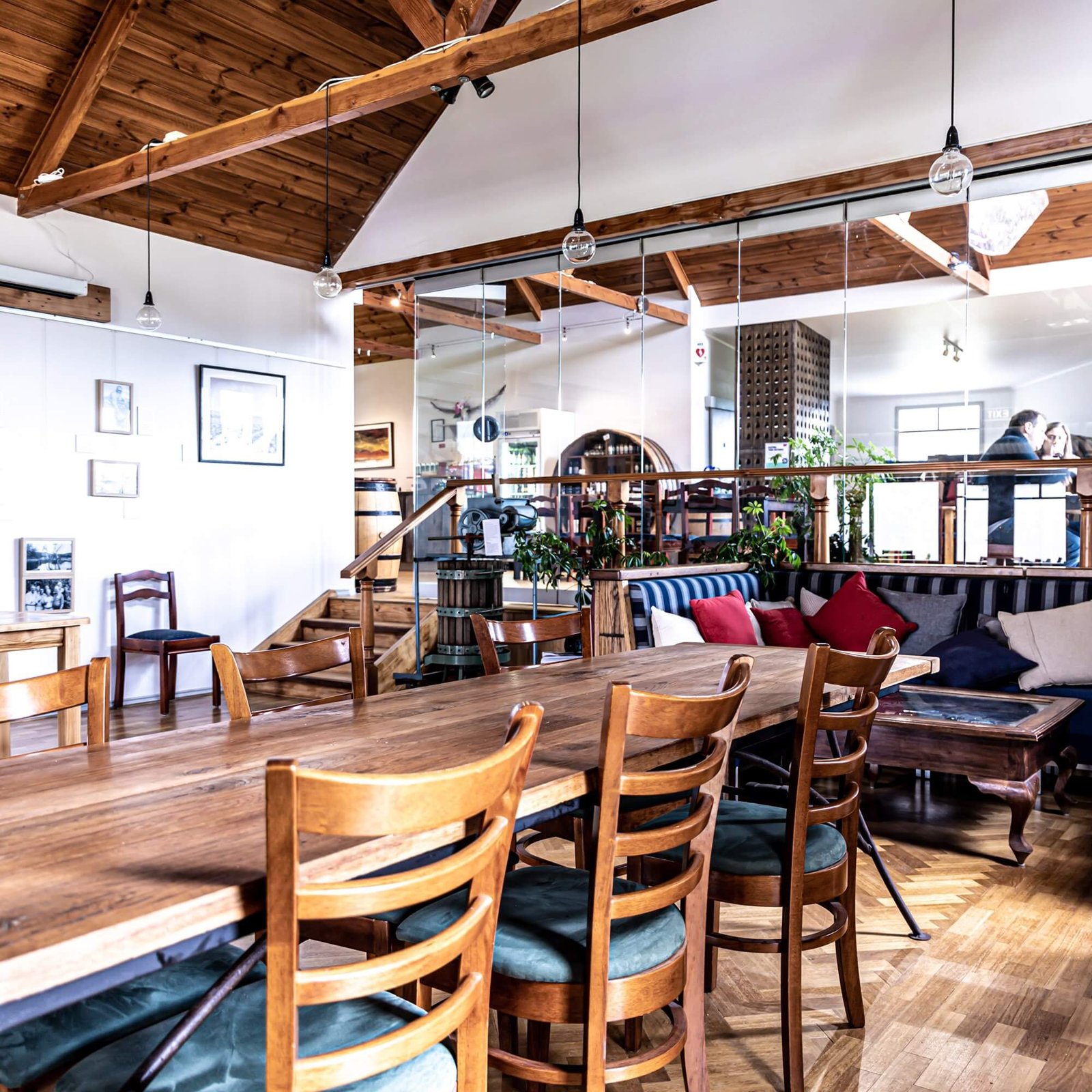
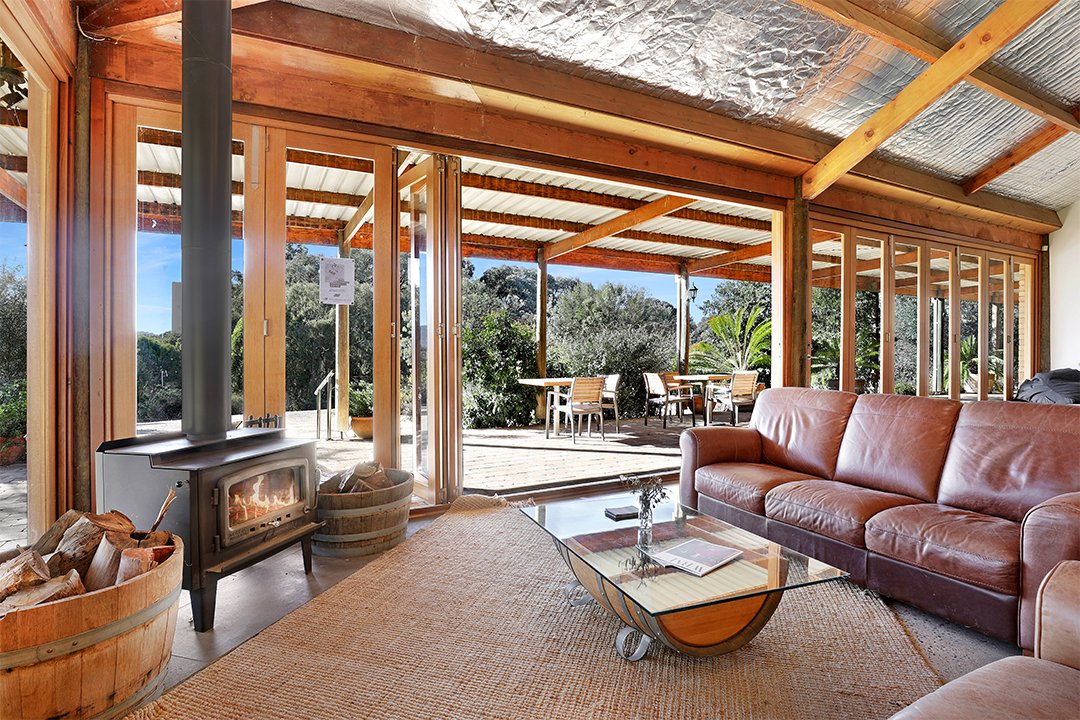
Relaxed cellar door atmosphere with stunning views across the vineyard and Pyrenees ranges.
Tags
Vibe
Best For
Experience
Sourcing
View
At the Vineyard
- Appellation
- Pyrenees
- Varietals
- Shiraz, Cabernet Sauvignon, Chardonnay, Pinot Noir, Viognier
- Visits
- Walk-ins welcome
- Farming
- Organic
- Wine Styles
- Still Red, Still White
- Food Pairing
- Offered
- Shipping
- Available
- Wine Club
- Available
Know before you go
Know Before You Go
- Getting there
- 448 Taltarni Rd, Moonambel VIC 3478
Planning details
Location
Recognition and awards

Also consider
Also Consider
- Taltarni Vineyards, Notable alternative
- Blue Pyrenees Estate, Notable alternative
- Mount Langi Ghiran, Notable alternative
- Best's Wines, Notable alternative
- Seppelt Great Western, Notable alternative
Winery context
How it compares in the Pyrenees and nearby wine country
Choose Dalwhinnie when the priority is prestige and a focused buying decision. Taltarni Vineyards and Blue Pyrenees Estate are the more practical cross-shops for a first Pyrenees itinerary: easier to frame as broad regional stops, and better suited to groups who want a familiar cellar-door rhythm rather than a narrower collector-minded visit.
Mount Langi Ghiran, Best's Wines, and Seppelt Great Western make more sense if the day expands beyond the immediate Pyrenees. They are useful alternatives for travellers comparing Victoria wine regions, but they are not direct substitutes for a tight Moonambel-focused plan. Dalwhinnie is the sharper call when the goal is to make a serious wine purchase decision in the Pyrenees itself.
For value, start with Blue Pyrenees Estate or Taltarni Vineyards if the group wants an easier all-round day. For ambiance and collector intent, Dalwhinnie is the stronger booking. For a wider heritage-led route, look to Best's Wines or Seppelt Great Western instead, especially if Great Western is already part of the trip.
Explore Pyrenees
Around this place
Discover more on Pearl
Unlock the full Dalwhinnie guide in Pearl, including awards, comparisons, FAQs, planning details, and nearby places.
Compare Dalwhinnie
| Venue | Location | Awards |
|---|---|---|
| Dalwhinnie | Pyrenees | 2026 Falstaff Winery Guide |
| Taltarni Vineyards | Pyrenees | No published awards |
| Blue Pyrenees Estate | Pyrenees | No published awards |
| Mount Langi Ghiran | Grampians | 2026 Falstaff Winery Guide |
| Best's Wines | Great Western | No published awards |
| Seppelt Great Western | Grampians | No published awards |
How Dalwhinnie Pyrenees compares with similar nearby venues.
FAQ
Frequently Asked Questions
What should I know about Dalwhinnie?
Dalwhinnie is in Pyrenees, has Pearl 3 Star Prestige recognition in 2025, and has a casual dress code. Check other practical details directly with the venue.
What other venues can I compare with Dalwhinnie?
Taltarni Vineyards and Blue Pyrenees Estate are useful names to compare when planning around Pyrenees. Best's Wines, Mount Langi Ghiran, and Seppelt Great Western are also relevant regional references for a broader itinerary.
When is the best time to visit Dalwhinnie?
What is the dress code at Dalwhinnie?
The dress code for Dalwhinnie is casual.