
Winery in Punta del Este, Uruguay
Gin Pinares (Sacramento Spirits)
250ptsCoastal-Terroir Gin
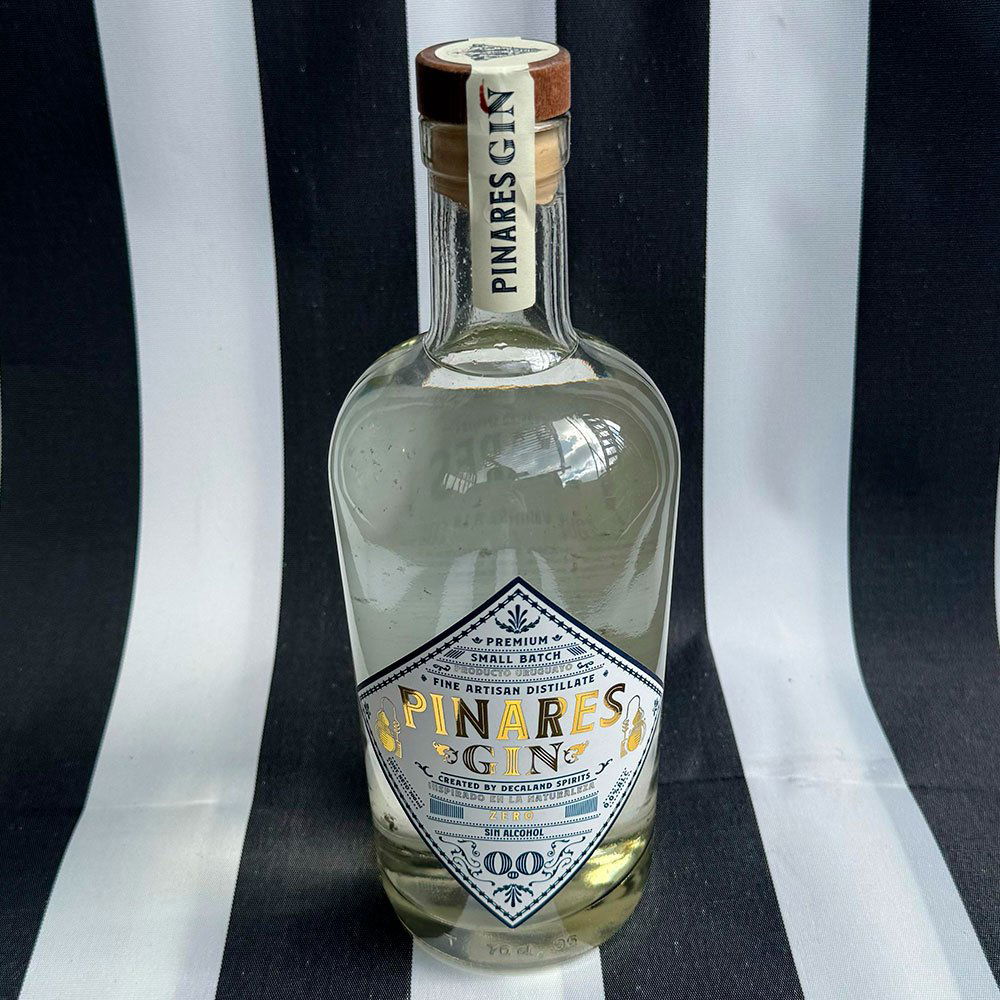
About Gin Pinares (Sacramento Spirits)
Gin Pinares, operating under the Sacramento Spirits label in Punta del Este, earned a Pearl 1 Star Prestige in 2025, placing it among Uruguay's recognised spirits producers. The operation connects to the broader coastal wine and spirits corridor that runs between Maldonado and Colonia del Sacramento, where Atlantic-influenced terroir shapes production decisions at every level.
Atlantic Influence and the Spirits of the Uruguayan Coast
The coastal strip between Punta del Este and Colonia del Sacramento does not announce itself as spirits country. Wine dominates the conversation here, with Tannat carrying most of the regional identity and producers in Canelones and Maldonado drawing international attention for their Atlantic-facing vineyards. Against that backdrop, Gin Pinares operating under the Sacramento Spirits label occupies a deliberate niche: a spirits producer working in a wine-first culture, drawing on the same oceanic conditions that define the region's agricultural character.
The Atlantic proximity that shapes viticulture along Uruguay's southern coast — consistent humidity, salt-laden breezes, and diurnal temperature shifts that preserve aromatic compounds in fruit — applies equally to botanical production. Gin made in this corridor carries terroir signals whether the producer intends it or not. The question is whether those signals are amplified or neutralised in production, and Sacramento Spirits' 2025 Pearl 1 Star Prestige award suggests the former is happening here.
What the 2025 Pearl Award Signals
Pearl 1 Star Prestige recognition, awarded in 2025, positions Gin Pinares at a specific tier within regional spirits assessment. Pearl ratings within this framework do not function as participation trophies; the prestige designation indicates a product that cleared a quality threshold assessed against peers across the category. For a coastal Uruguayan gin producer, achieving that marker in 2025 places the label inside a growing but still compact peer group of South American craft spirits earning structured international recognition.
Uruguay's spirits sector has historically lived in the shadow of Argentine and Brazilian production at scale, and its craft gin movement is newer than the country's premium wine story. The Pearl 1 Star Prestige therefore carries contextual weight: it is an early-stage credential in a category that is still defining its regional identity, and that timing matters. Producers who establish quality signals now, before the category crowds, tend to anchor the reference point for what the region can do. For readers planning a visit to Punta del Este with any interest in the local drinks scene, this award is the clearest verifiable evidence of where Gin Pinares sits relative to its peers.
Terroir in a Gin Glass: The Coastal Argument
Terroir as a concept has migrated slowly but persistently from wine into spirits, and gin is one of the categories where the argument holds most plausibly. Unlike aged whisky, where barrel influence can overwhelm origin, or vodka, where the aim is neutrality, gin's character depends on botanicals that absorb conditions during growth. A juniper or botanical blend sourced from or influenced by a specific environment carries that environment into the finished spirit, however subtly.
The Sacramento Spirits label draws on the same coastal conditions that have made producers like Bodega Oceánica José Ignacio in Maldonado compelling from a terroir standpoint. Maldonado's vineyards, sitting close to the Atlantic, produce wines with a saline edge and aromatic lift that critics consistently trace back to geography rather than technique. Whether Gin Pinares makes that same argument explicitly is not documented in available records, but the location itself provides the raw conditions for it.
Across Uruguay's wine corridor, terroir conversations have intensified as producers from Varela Zarranz in Canelones to Bodega Bouza in Montevideo and Bodega Carrau in Las Piedras have refined their understanding of how Atlantic proximity, clay-heavy soils, and oceanic airflow interact with the vine. That accumulated knowledge of place does not stay siloed within wine. Spirits producers operating in the same geography inherit both the conditions and the institutional knowledge that has built up around them.
Punta del Este as a Spirits Context
Punta del Este's reputation rests on its position as South America's highest-profile coastal resort, drawing visitors from Buenos Aires and São Paulo who expect a certain standard of food and drink. The local drinks scene has historically skewed toward imported labels at beach clubs and high-end restaurants, with local production treated as a curiosity rather than a category of serious interest. That is shifting, driven partly by the growth of Uruguay's premium wine export story and partly by a broader South American movement toward supporting regional craft production.
For a spirits producer based in or connected to this part of Uruguay, the commercial environment is both an opportunity and a test. The visiting audience has developed palates and high reference points. Awards like the Pearl 1 Star Prestige translate directly in that context: they give a local label the credibility to sit on the same back-bar shelf as internationally recognised gins, rather than being positioned as a novelty purchase.
The broader Uruguayan spirits and wine corridor rewards systematic exploration. From Bodega Cerro del Toro in Piriápolis along the coast to Bodega Los Cerros de San Juan in Colonia del Sacramento, producers have been building a credible case for Uruguayan provenance across multiple categories. Gin Pinares enters that map as a spirits reference point rather than a wine one, which makes it a useful addition to any itinerary structured around understanding what this coastal environment produces.
Planning a Visit
Specific visiting hours, booking requirements, and address details for Gin Pinares are not held in current records, so the practical recommendation is to research current access directly before travel. Punta del Este operates seasonally, with peak visitation running from December through March when the resort population swells and access to local producers can become more organised around that traffic. Outside peak season, the region tends to be quieter and producers in the wider Maldonado and Sacramento corridor are often more accessible for in-depth conversations about their work.
Visitors building a drinks-focused itinerary around Punta del Este and its surroundings would do well to read our full Punta del Este restaurants guide alongside this entry. The regional picture also extends toward Rivera in the north, where Cerro Chapeu (Carrau) operates at elevation under markedly different conditions, and west toward El Legado in Carmelo, where the influence of the Río de la Plata introduces a different set of terroir variables. Together, these producers sketch out why Uruguayan provenance has become a credible conversation in premium drinks circles.
Frequently Asked Questions
What is the general vibe at Gin Pinares (Sacramento Spirits)?
Gin Pinares operates under the Sacramento Spirits label in Punta del Este, Uruguay's premier coastal resort. The 2025 Pearl 1 Star Prestige award places it within the tier of recognised craft spirits producers in the region, suggesting a focus on production quality over volume. The broader setting reflects Punta del Este's mix of high-expectation visiting audiences and a growing local appreciation for premium regional production. Price and capacity details are not available in current records; contact the producer directly for current access information.
What is Gin Pinares (Sacramento Spirits) known for?
The Sacramento Spirits label earned its Pearl 1 Star Prestige recognition in 2025 for its gin, placing it among the credentialed craft gin producers emerging from Uruguay's coastal region. The Atlantic-influenced geography of the Maldonado and Sacramento corridor, which has shaped the country's premium wine identity through producers across Canelones, Maldonado, and beyond, provides the environmental context for the label's production. Specific winemaker or distiller credits are not in the current record.
What should I know before visiting Gin Pinares (Sacramento Spirits)?
Address, hours, and booking details for Gin Pinares are not available in current records. The 2025 Pearl 1 Star Prestige award confirms its standing as a quality-recognised producer, which is the most reliable pre-visit signal available. Punta del Este's peak season runs December through March; outside those months, regional producers across the coastal corridor tend to be more accessible. It is worth checking current contact details directly before building an itinerary around this stop.
Related editorial
- Best Fine Dining Restaurants in ParisFrom three-Michelin-star icons to the next generation of Parisian chefs pushing boundaries, these are the restaurants that define fine dining in the world's culinary capital.
- Best Luxury Hotels in RomeFrom rooftop terraces overlooking ancient ruins to Michelin-starred hotel dining, these are the luxury hotels that make Rome unforgettable.
- Best Cocktail Bars in KyotoFrom sleek lounges to hidden speakeasies, Kyoto's cocktail scene blends Japanese precision with global influence in ways you won't find anywhere else.
Save or rate Gin Pinares (Sacramento Spirits) on Pearl
Keep this venue in your Pearl passport, rate it after you visit, and track it alongside every other place you collect.