
Domaine Jean-Marc Brocard
Préhy
Winery in Préhy, France
 Book with Pearl
The Read
Appellation-Spectrum Chablis
Why go
Domaine Jean-Marc Brocard is a strong Préhy choice for travellers building a serious Chablis itinerary, especially if producer context matters more than easy walk-in convenience. Plan ahead and keep Domaine Clotilde Davenne or La Chablisienne as practical alternates if timing is tight.
About Domaine Jean-Marc Brocard
Domaine Jean-Marc Brocard is a Préhy venue with Pearl 2 Star Prestige recognition for 2025. Plan around the essentials rather than assuming a particular visit format, menu, capacity, price or schedule.
The dress code is smart casual. For anything beyond that, including hours, booking requirements, group arrangements or on-site services, check directly with the venue before building an itinerary around the stop.
Plan it as the anchor stop, not a filler visit
If Domaine Jean-Marc Brocard is a priority, make it the fixed point of a Préhy plan and confirm practical details in advance. Domaine Clotilde Davenne, Domaine Moreau-Naudet, Domaine Eleni & Edouard Vocoret, Domaine François Lamarche and La Chablisienne can be useful broader references depending on the wider route.
Treat Domaine Jean-Marc Brocard as a Préhy venue with smart-casual dress expectations and Pearl 2 Star Prestige recognition in 2025, then confirm the operational details directly before visiting.
Who should make the effort
Domaine Jean-Marc Brocard makes the most sense for travellers who are specifically considering Préhy and want to include a Pearl-recognised venue in the plan. It is less suited to anyone who needs every logistical detail settled before they plan.
For a smoother day, compare Domaine Jean-Marc Brocard with other relevant names such as Domaine Clotilde Davenne, Domaine Moreau-Naudet, Domaine Eleni & Edouard Vocoret, Domaine François Lamarche and La Chablisienne, while confirming each venue's current arrangements directly.
Planning details
- Location
- Rte de Chablis, 89800 Préhy
- Website
- brocard.fr
- Phone
- +33 3 86 41 49 00
The take
The Take
The Vibe
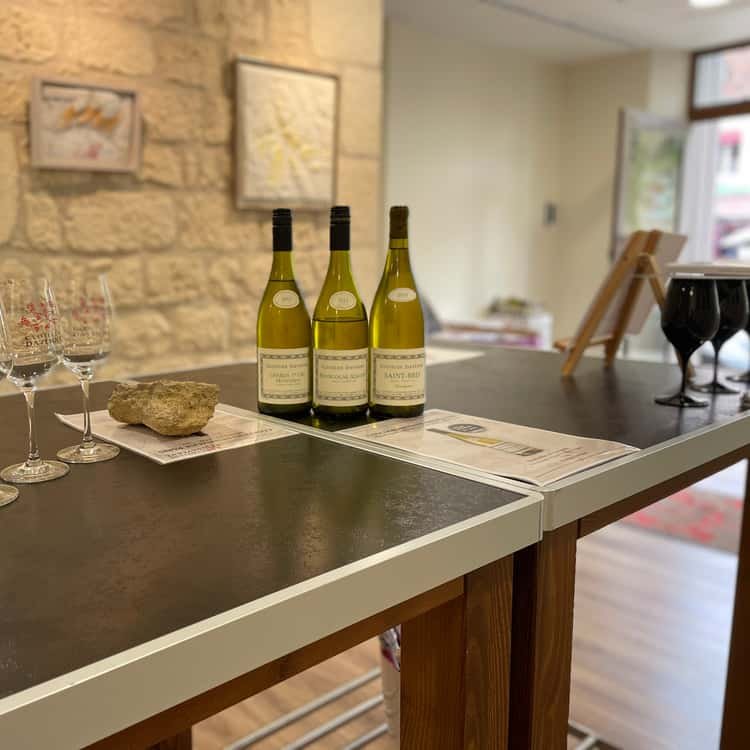
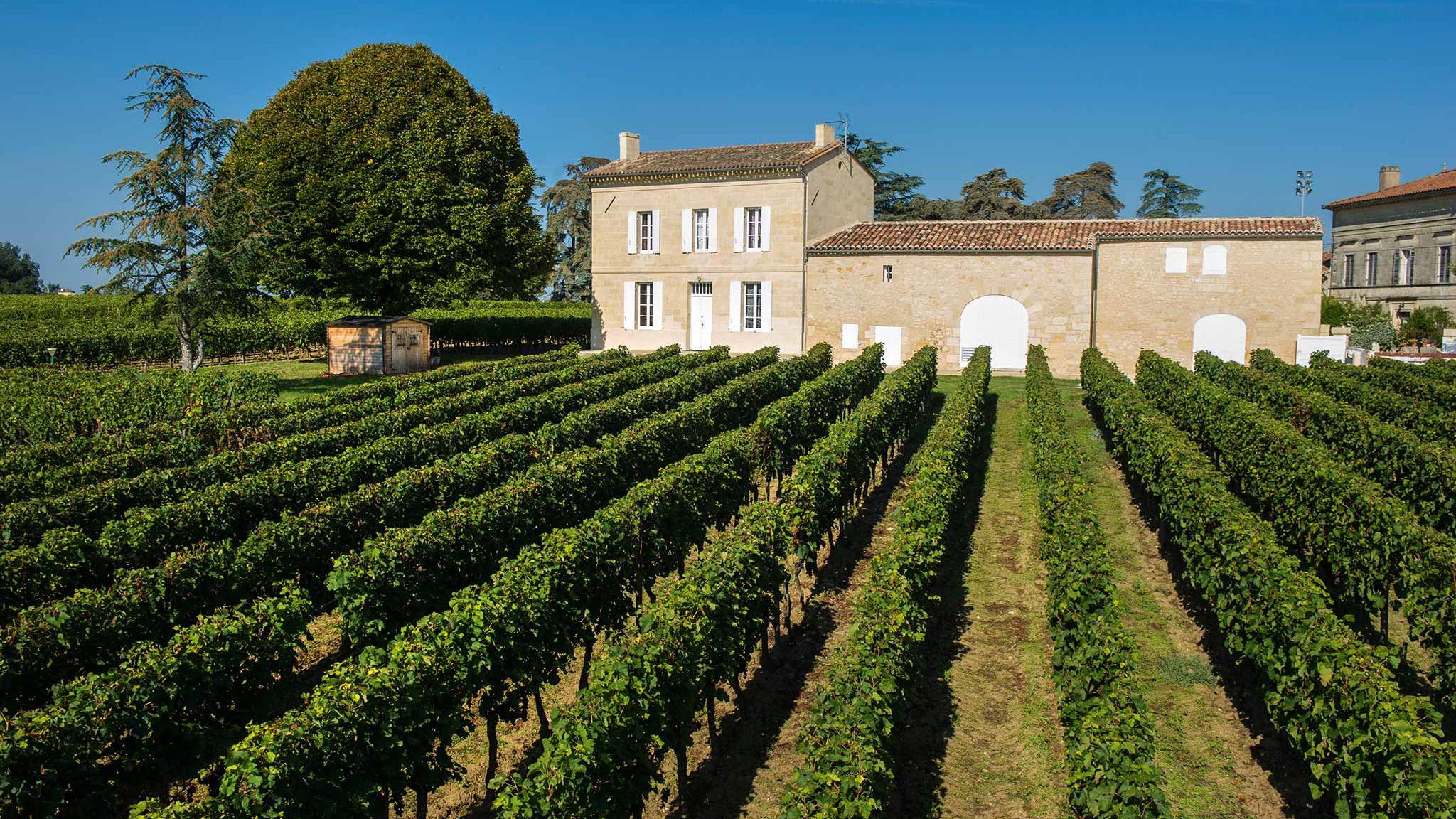
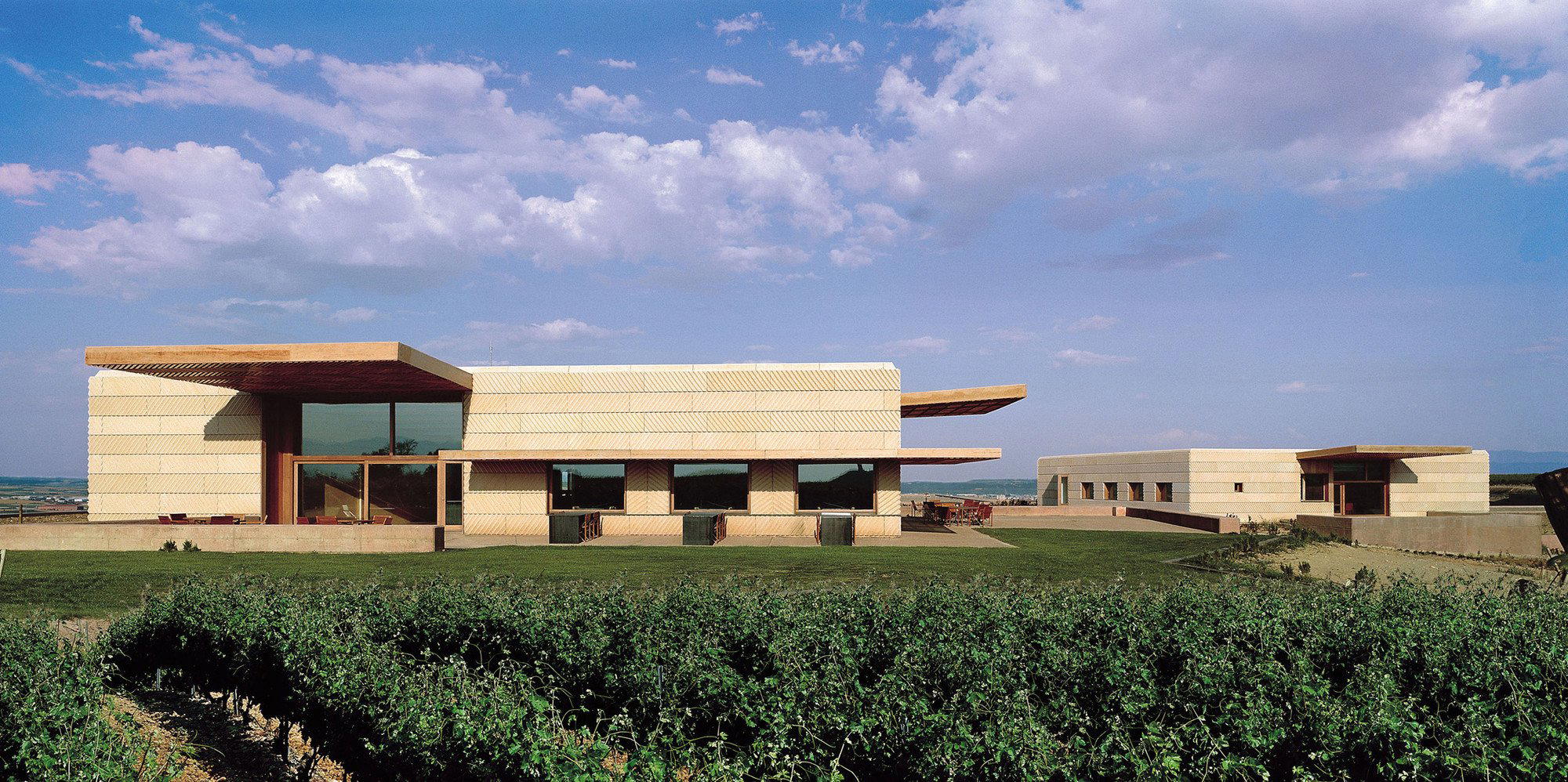
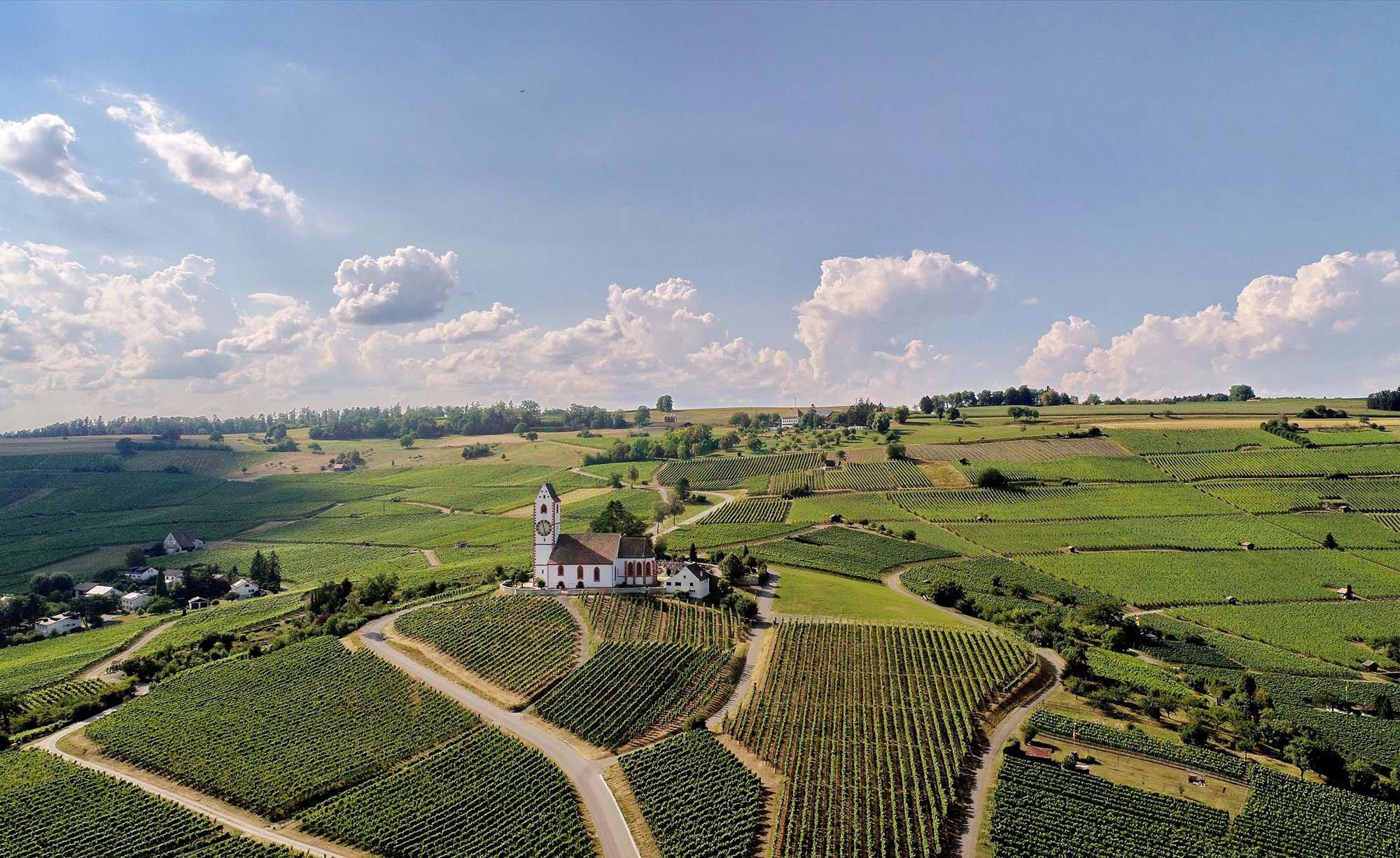
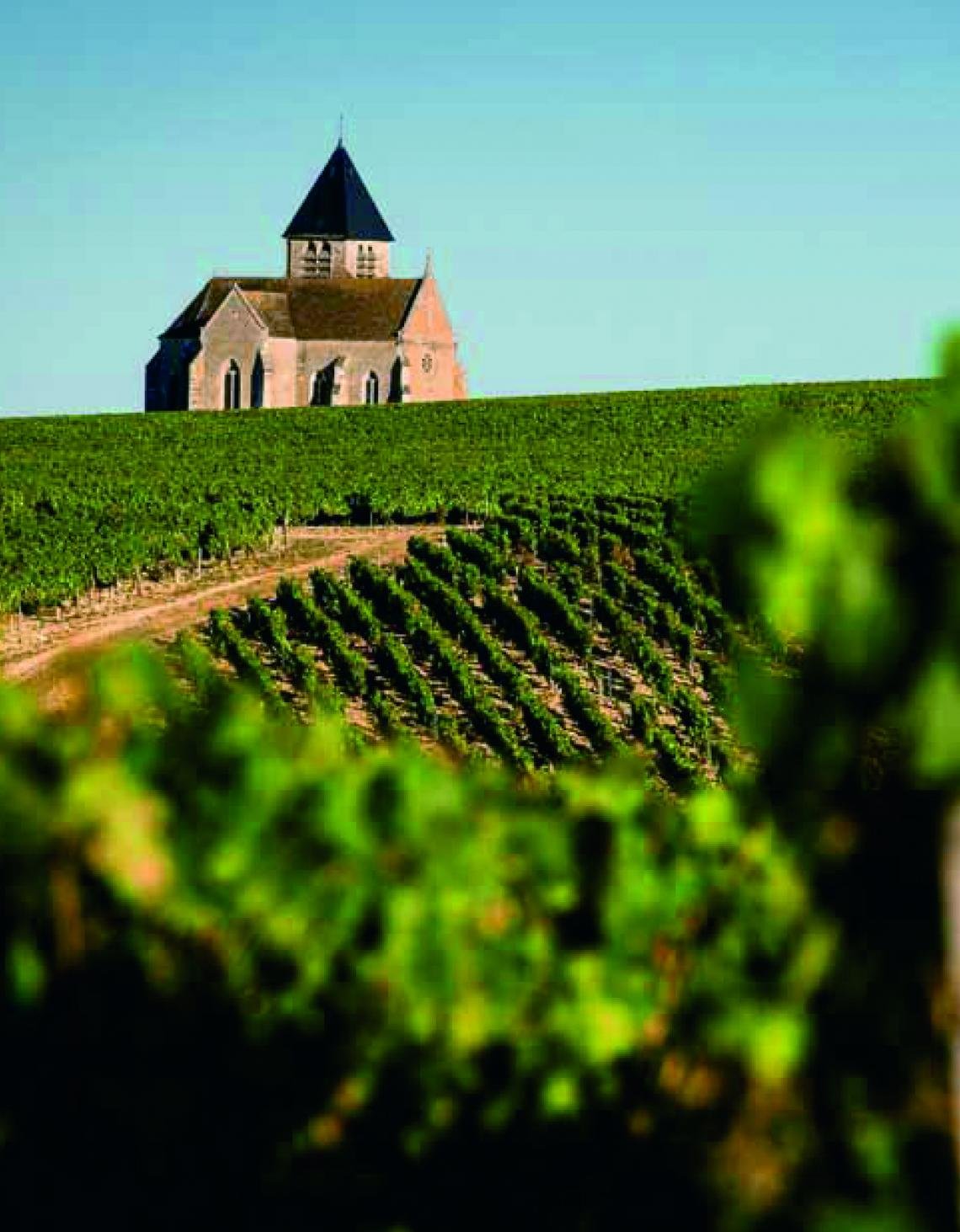
Domaine Jean-Marc Brocard reads like an understated, terroir-first estate. It feels removed from the tourist circuit—quiet, workmanlike and focused on vineyard expression rather than visitor spectacle. The writing on the site leans into geology and site-level identity: Kimmeridgian limestone, chalk-and-flint character and tight acids are framed as the estate’s priority. That intent gives the place a classic, sophisticated air—serious Burgundy for people who care about provenance. Expect pragmatic buildings, rows of vines and a sense that the place exists to make wine above all else, not to stage a show for passersby.
Best For
This is a venue for people who want to read Chablis at the source. It suits solo explorers and small groups of wine-minded visitors who come to compare vineyard expressions and understand soil-driven differences. Because Brocard farms a range of holdings—from regional Chablis to Premier and Grand Cru plots—it’s particularly valuable for tasting the appellation’s hierarchy side by side. The estate’s EP Club Pearl 2 Star Prestige rating signals credibility, so this is a go-to stop for wine-education focused visits rather than casual sightseeing.
Tasting Tips
When tasting here, prioritize vineyard-designated samples across the appellation ladder: regional Chablis, Premier Cru and any available Grand Cru bottlings. The description highlights the estate’s breadth of holdings and its Kimmeridgian expressions, so compare wines for chalk-and-flint notes, acid structure and salinity. Look for the estate’s higher-tier bottlings—the 2025 EP Club Pearl 2 Star Prestige mention flags these as representative. Keep expectations rooted in serious winemaking rather than tourist amenities; ask staff about specific vineyard sites to deepen your understanding.
Venue details
Ambiance
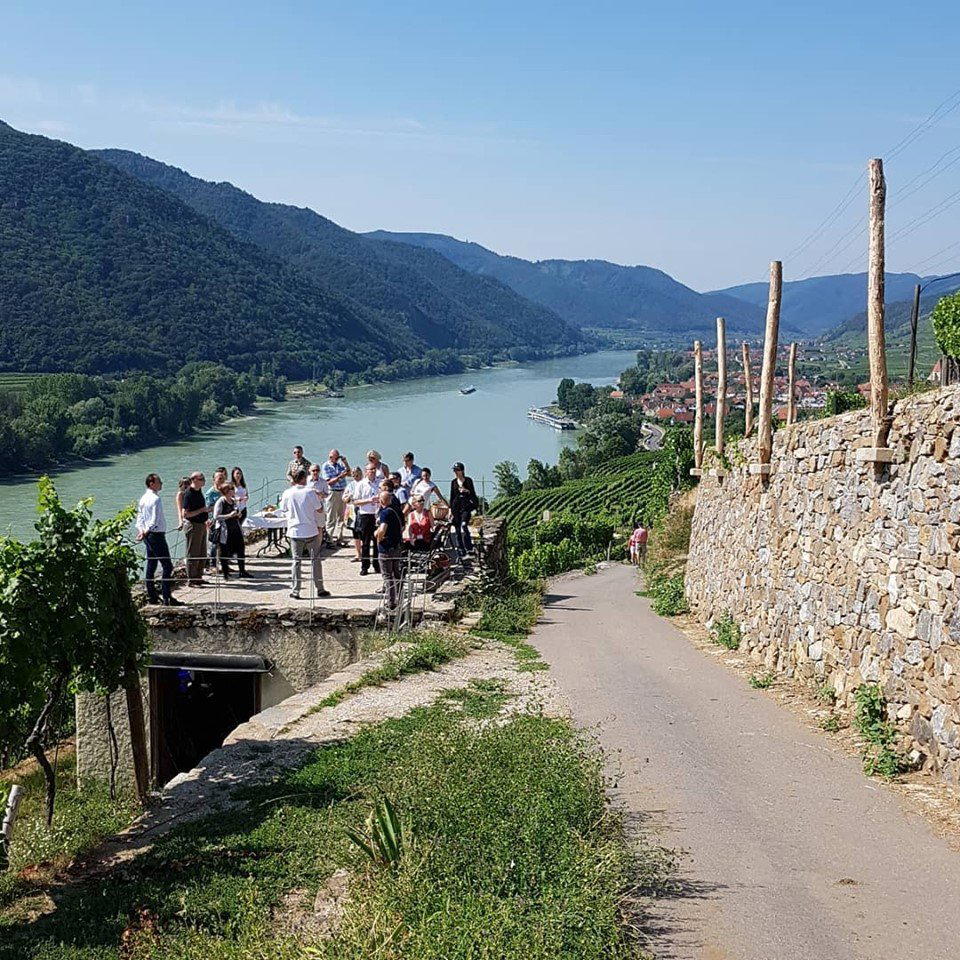
Crisp, mineral-driven atmosphere reflecting the Kimmeridgian limestone terroir, with a focus on freshness, precision, and respect for nature.
Tags
Vibe
Best For
Experience
Sourcing
View
At the Vineyard
- Appellation
- Chablis AOC
- Varietals
- Chardonnay, Sauvignon Blanc
- Tour Duration
- 60-90 minutes
- Tour Languages
- French, English
- Visits
- By reservation
- Farming
- Biodynamic
- Wine Styles
- Still White
- Food Pairing
- Offered
- Wine Club
- Not available
Know before you go
Know Before You Go
- Getting there
- Rte de Chablis, 89800 Préhy
Planning details
Location
Recognition and awards

Also consider
Where to try if this does not work
Start with Domaine Clotilde Davenne for the closest like-for-like Préhy alternative. If the group needs a broader, easier Chablis option, La Chablisienne is the practical backup.
Winery context
How it compares in and around Préhy
Domaine Jean-Marc Brocard is the stronger pick for a Chablis-focused itinerary where the winery itself is the anchor. Domaine Clotilde Davenne is the easier same-village cross-shop for travellers who want to keep the day concentrated in Préhy rather than widen the route.
La Chablisienne is the practical fallback if the priority is a more accessible visitor setup in the wider Chablis area. Domaine Moreau-Naudet and Domaine Eleni & Edouard Vocoret make more sense for travellers comparing smaller-production Burgundy addresses, while Brocard is the safer anchor for a broad Chablis read.
Domaine François Lamarche sits in a different Burgundy lane, so treat it as a separate trip-planning choice rather than a direct substitute. For ambiance, Brocard is the rural, itinerary-led option; La Chablisienne is better for convenience, and Clotilde Davenne is the cleanest nearby backup.
Explore Préhy
Around this place
Discover more on Pearl
Unlock the full Domaine Jean-Marc Brocard guide in Pearl, including awards, comparisons, FAQs, planning details, and nearby places.
Compare Domaine Jean-Marc Brocard
| Venue | Location | Awards |
|---|---|---|
| Domaine Jean-Marc Brocard | Préhy | 2026 Falstaff Winery Guide |
| Domaine Clotilde Davenne | Préhy | 2026 Falstaff Winery Guide |
| Domaine Moreau-Naudet | Chablis | 2026 Falstaff Winery Guide |
| Domaine François Lamarche | Chablis | 2025 Pearl 3 Star Prestige |
| Domaine Eleni & Edouard Vocoret | Chablis | 2026 Falstaff Winery Guide |
| La Chablisienne | Chablis | 2026 Falstaff Winery Guide |

How Domaine Jean-Marc Brocard Préhy compares with similar nearby venues.
FAQ
Frequently Asked Questions
What should visitors know about Domaine Jean-Marc Brocard?
Domaine Jean-Marc Brocard is a Préhy venue with smart-casual dress expectations and Pearl 2 Star Prestige recognition for 2025. Other practical details should be confirmed directly with the venue.
What other venues can be compared with Domaine Jean-Marc Brocard?
Domaine Clotilde Davenne, Domaine Moreau-Naudet, Domaine Eleni & Edouard Vocoret, Domaine François Lamarche and La Chablisienne can be useful comparison points for a broader itinerary. Confirm each venue's current arrangements directly.