    Winery in Porto, Portugal

    The Factory House

    150pts

    Trade-House Tasting Heritage

    The Factory House, Winery in Porto

    About The Factory House

    The Factory House is one of Porto's most historically charged wine addresses, a Georgian-era merchants' hall on Rua Infante Dom Henrique that has operated as a private British trade institution since the eighteenth century. Port wine has been poured and debated here longer than most modern lodges have existed. For those with access, it offers an unmediated encounter with the fortified wine tradition at its institutional source.

    The Weight of Granite and Fortified Wine

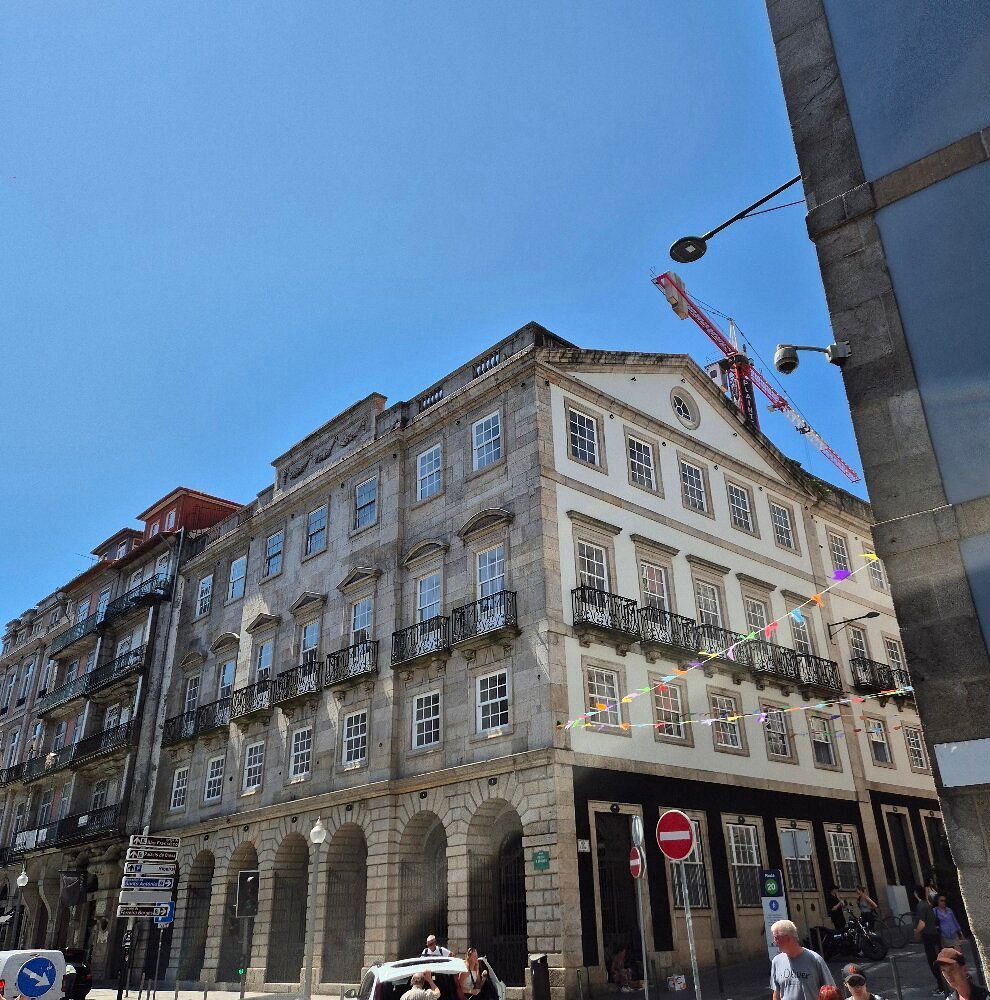
    There is a particular quality to buildings that have held the same function for more than two centuries. The Factory House on Rua Infante Dom Henrique in Porto's Ribeira district carries that quality in its stonework and proportions. The Georgian facade, built in the 1790s to a design by the British consul John Whitehead, was conceived as a commercial and social hub for the British Port wine shippers who controlled much of the trade flowing out of the Douro Valley. That function has not fundamentally changed. The institution still operates as a private association of British Port wine houses, and the rituals it maintains — weekly Wednesday lunches, a formal dessert room reserved exclusively for vintage Port — are direct continuations of practices established when the building opened.

    That continuity is not nostalgia. It is documentation. What happens inside the Factory House offers a lens onto how the Port wine trade understood itself, how it organized prestige, and how it drew the boundary between everyday fortified wine and the aged, single-vintage expressions the British shippers considered the category's summit. Understanding the Factory House means understanding those distinctions, which remain operative in how Port is evaluated and discussed today.

    Terroir Translated Through a Trade Institution

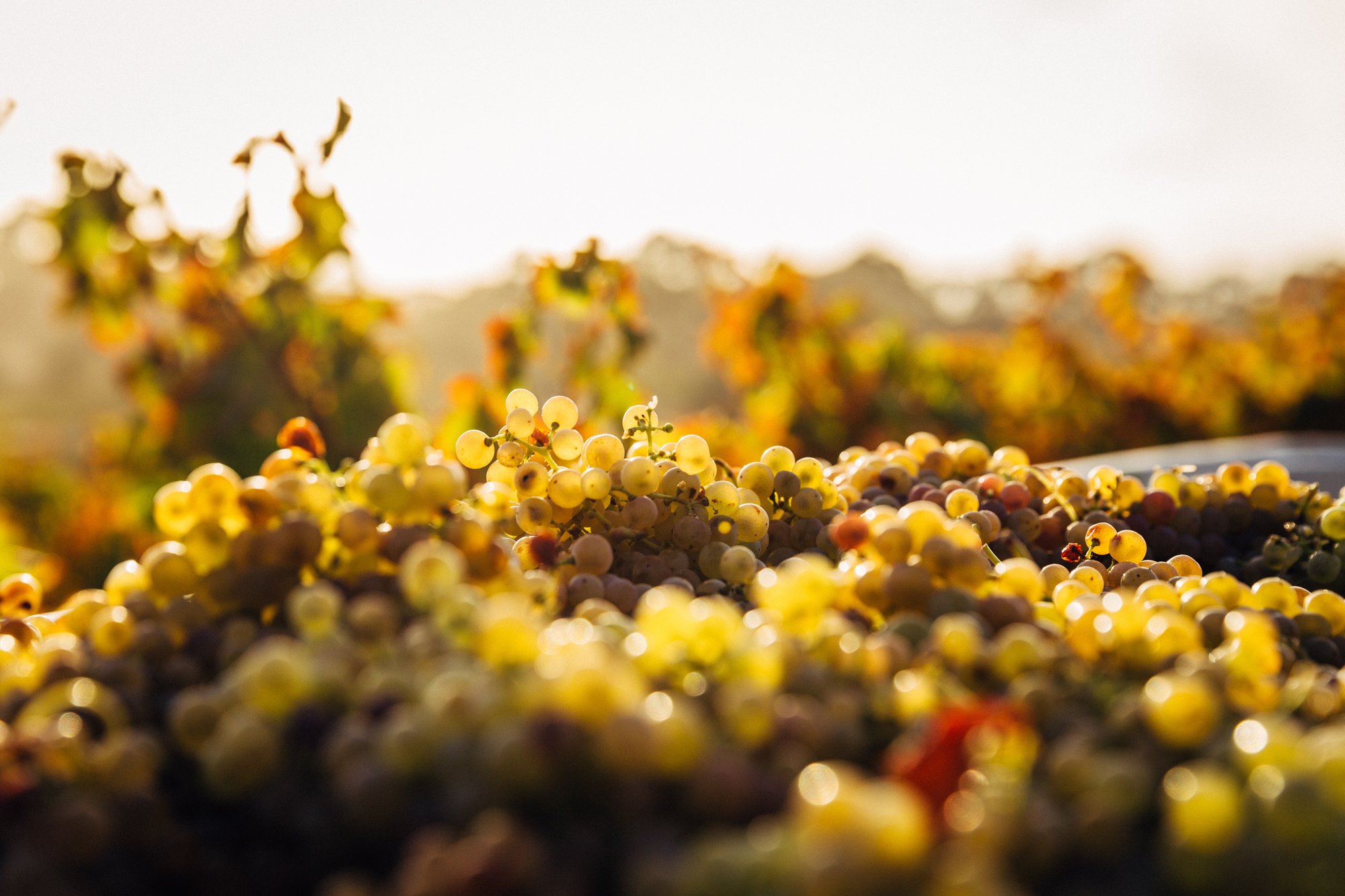
    The Douro Valley, the source of all Port wine, is one of the more demanding winegrowing environments in southern Europe. The steep schist slopes retain heat through the day and release it slowly at night, producing the concentration that defines ripe Port-fruit. Water is scarce, yields are low, and the terraced vineyards , many planted on near-vertical gradients , require hand labor that has no mechanized substitute. The result is a raw material with genuine site-specificity: Touriga Nacional, Touriga Franca, Tinta Roriz, and other permitted varieties express those schist-and-heat conditions in ways that are difficult to replicate elsewhere.

    The Factory House sits at the downstream end of that supply chain, in the city where the wine arrived by boat for blending, aging, and export. For context on what happens at the production end of that journey, properties like Quinta do Bomfim in Pinhão and Quinta do Seixo (Sandeman) in Tabuaço offer direct valley exposure. Quinta do Vallado in Peso da Régua adds a family-estate dimension to the same upstream conversation. The Factory House represents the trading terminus of that chain: where the wine was assessed, sold, and ceremonially consumed by the men who had shipped it from the schist terraces to the wider world.

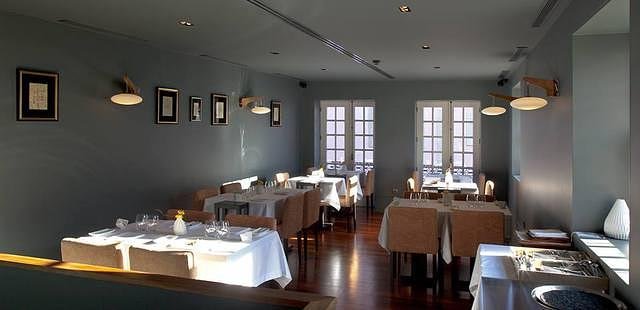
    Wednesday lunch tradition, in which member shippers rotate hosting duties, is where the Port-terroir argument plays out in the most concentrated form. The second dining room, kept separate from the first course precisely so that no residual food aromas interfere with the Port, is used exclusively for vintage declarations. The practice encodes a conviction , shared across the British shippers for generations , that declared vintage Port is a category apart, deserving conditions of assessment that reflect its age and complexity. Whether or not one subscribes to the ritual logic, the room itself is a physical argument about how terroir expression peaks in a wine that has spent decades in bottle.

    Where the Factory House Sits in Porto's Wine Geography

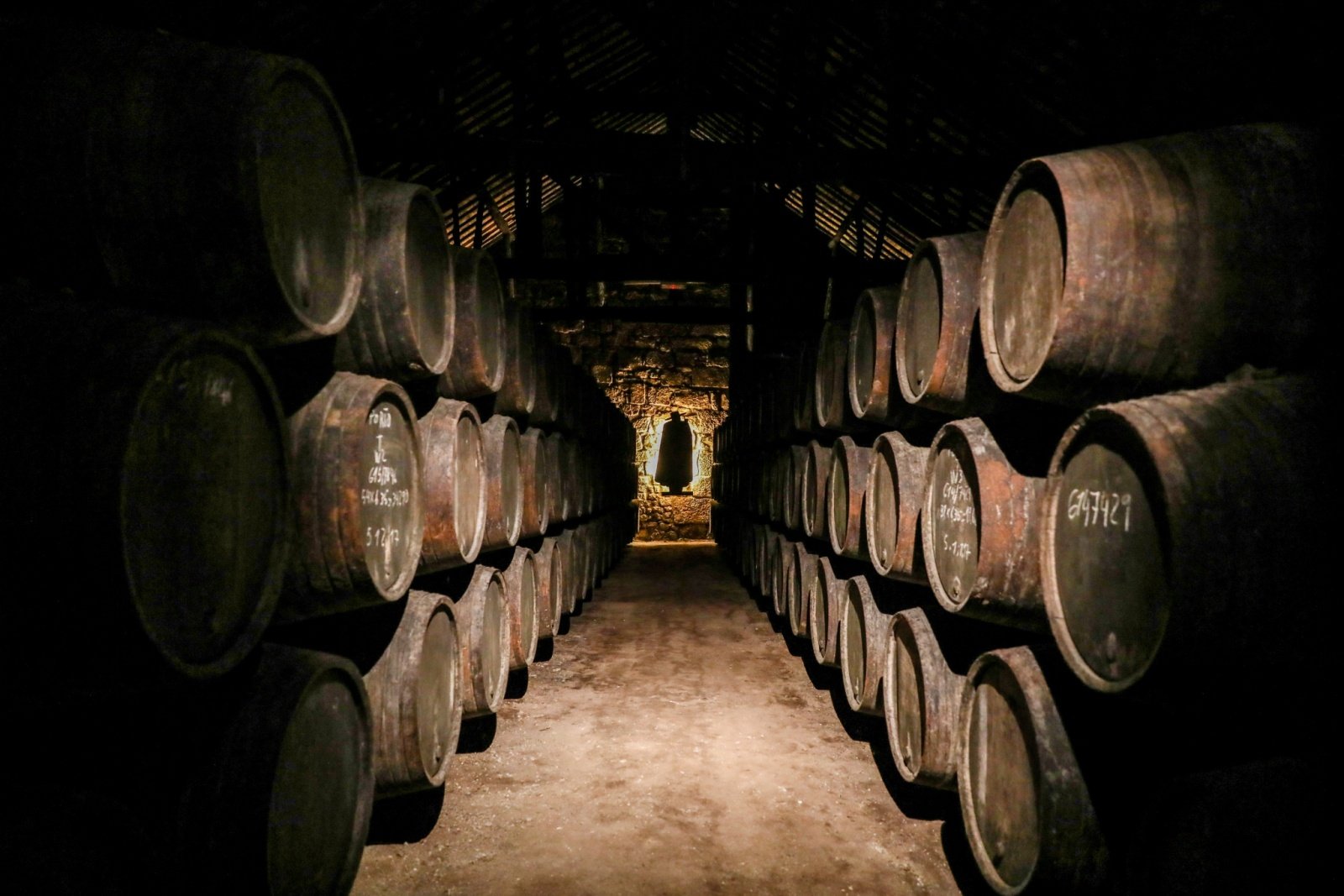
    Porto and Vila Nova de Gaia together form the commercial center of the Port wine world, with the lodges of Gaia , where the wine ages in pipe barrels , functioning as the production spine, and the Ribeira district functioning as the historical and institutional address. Churchill's in Vila Nova de Gaia represents the lodge side of that geography, with aging infrastructure across the river. The Factory House occupies a different register entirely: it is not a producer, not a cellar, and not open in the conventional visitor sense. It is a members' institution, and access for non-members is limited to occasional guided tours arranged through specific channels, which makes planning essential.

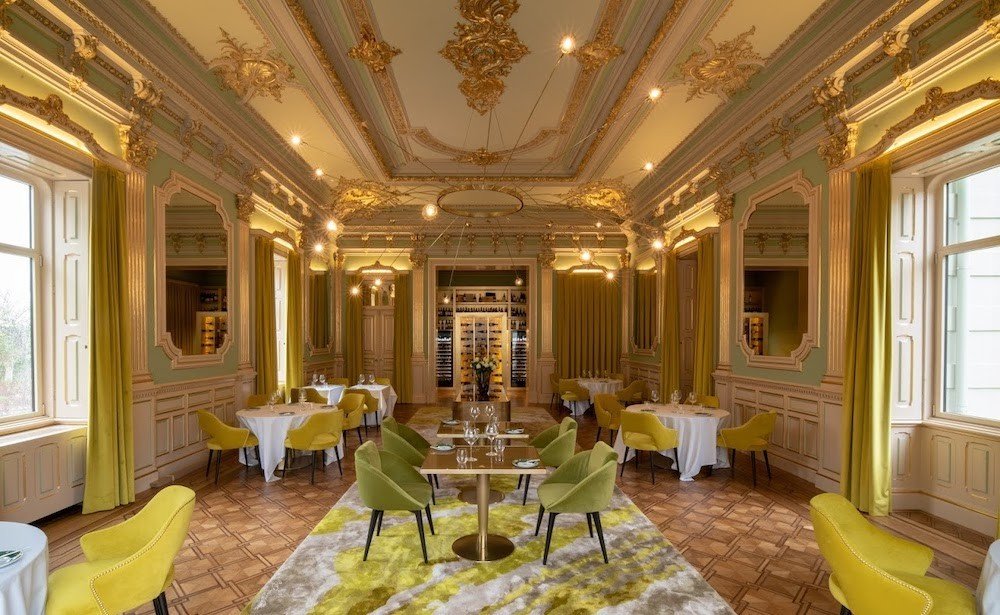
    That access profile sets it apart from the broader Port tourism circuit, which skews toward the Gaia lodges and their tasting rooms. Visitors who arrive at the Factory House expecting a walk-in experience will find the doors closed. Those who arrange access in advance encounter something the lodges cannot replicate: a Georgian interior preserved with institutional care, state rooms with period furniture and silver, and a wine context grounded in trade history rather than consumer hospitality. The practical implication is to treat the Factory House as a structured visit requiring advance communication rather than a drop-in stop on a Porto afternoon.

    For broader Portuguese wine context beyond the Douro, the range extends considerably. Bacalhôa Vinhos in Azeitão, Herdade do Esporão in Reguengos de Monsaraz, and Adega Cartuxa in Évora each represent the Alentejo and Setúbal Peninsula traditions. Adega Regional de Colares offers something rarer: pre-phylloxera sandy-soil vines producing Ramisco in a coastal Atlantic context entirely unlike the Douro. Casa de Santar in Nelas and Aliança Vinhos in Sangalhos extend the map into the Dão and Bairrada. For fortified wine comparisons beyond Port, Blandy's Wine Lodge in Funchal charts Madeira's distinct oxidative tradition , a style with its own terroir logic shaped by altitude, volcanic soil, and the estufagem process. Adega Cooperativa de Borba rounds out the Alentejo cooperative story.

    For those building a broader wine itinerary that moves beyond Portugal entirely, Aberlour in Aberlour and Accendo Cellars in St. Helena represent different ends of the aged-spirit and premium-Napa spectrum. Our full Porto restaurants guide covers the city's dining context in depth for those combining the wine itinerary with serious eating.

    Planning a Visit

    The Factory House does not operate as a public tasting room or visitor attraction in the conventional sense. Access has historically been available through guided group tours on specific days, arranged by contacting the British Association of Port and Douro Shippers, which administers the building. Pricing, availability, and tour frequency are subject to change, and the institution's private status means that walk-in access is not a realistic expectation. For visitors committed to seeing the state rooms and the double dining room, early outreach and confirmation of current tour schedules is the only reliable approach. The Ribeira location puts the building within walking distance of the main quayside and the ferry crossing to the Gaia lodges, so a Factory House visit fits logically into a morning that continues across the river for afternoon tastings.

    The Broader Argument This Building Makes

    The Factory House's persistence as a functioning institution in an era of consolidated Port producers and global wine tourism makes a specific argument about the category. Port's prestige has always been partly constructed through the social architecture of trade , the lodges, the shippers, the declared vintages, the gentlemen's agreements about when a year was good enough to declare. The Factory House is the most intact surviving piece of that architecture. Visiting it with that frame in mind produces a more useful experience than arriving expecting a tasting room. The wine poured here, when it is poured, is context as much as product: it belongs to a tradition of assessment and ceremony that shaped how the world came to understand Port in the first place.

    Frequently Asked Questions

    Is The Factory House more low-key or high-energy?
    The Factory House runs at the quieter, more ceremonial end of Porto's wine spectrum. It is a private members' institution, not a consumer-facing bar or tasting room, and the atmosphere reflects that. Access is structured and limited, the rooms are formal Georgian interiors, and the occasion, when it occurs, is shaped by trade ritual rather than hospitality programming. Visitors seeking a buzzing tasting-room atmosphere will find a different register entirely.
    What wines is The Factory House known for?
    The Factory House is most closely associated with declared vintage Port, which is the category given the most ceremonial weight in its traditions. The institution's membership comprises British Port shipper houses, and the double dining room , used exclusively for Port service , is specifically organized around aged and vintage expressions from Douro Valley producers. Ruby, tawny, and LBV styles are part of the Port universe, but vintage declarations are where the building's ritual logic is most concentrated.
    What's the defining thing about The Factory House?
    The most direct answer is the double dining room: a second room kept separate from the main dining space specifically so that food aromas do not compete with vintage Port. That physical separation encodes a set of convictions about how fortified wine should be assessed, and it has been maintained continuously since the building opened in the 1790s. No other Porto wine address has an equivalent.
    Is The Factory House reservation-only?
    Yes, in practice. The building is a private institution administered by the British Association of Port and Douro Shippers, and public access has been available only through pre-arranged guided tours. Walk-in visits are not available. Travelers planning to visit should confirm current tour schedules and booking procedures directly with the administering body well in advance, as availability is limited and tour formats can change.
    What's a smart way to approach The Factory House?
    Treat it as a historical and institutional experience rather than a tasting room stop. Arrange access in advance, read into the history of the British Port shippers before arriving, and pair the visit with a crossing to the Gaia lodges , Churchill's in Vila Nova de Gaia being a relevant point of comparison on the production side. The Factory House makes more sense in context than in isolation.
    Is The Factory House worth a detour?
    For anyone with a serious interest in Port wine history or the institutional architecture of the wine trade, yes. There is no comparable building still operating in its original function anywhere in the Port wine world. For visitors whose primary interest is tasting a wide range of current Port styles in a relaxed setting, the Gaia lodges will serve that purpose more directly, and the Factory House is better treated as a supplement.
    How does The Factory House differ from the Port lodges across the river in Vila Nova de Gaia?
    The Port lodges in Gaia are working cellars and commercial visitor operations where wine is aged in barrel and tasted by the public. The Factory House is a trade institution without cellar infrastructure, used for the social and ceremonial life of the British shipper community. Where the lodges offer access to the production and aging process, the Factory House offers access to the commercial and diplomatic history of the trade. The two experiences address different aspects of Port's origins, and together they cover the subject more fully than either does alone.
    Keep this place

    Save or rate The Factory House on Pearl

    Keep this venue in your Pearl passport, rate it after you visit, and track it alongside every other place you collect.