Domaine Anne-Françoise Gros
Pommard
Winery in Pommard, France
 Book with Pearl
The Read
Village-Rooted Burgundy Precision
Why go
Book Domaine Anne-Françoise Gros if the trip is wine-first and you want a producer-focused Pommard stop rather than a broad visitor experience. First-timers may find Château de Pommard easier to plan around, while returning Burgundy travelers will get more value from comparing it with Domaine Comte Armand, Domaine de Courcel, and Domaine Parent.
About Domaine Anne-Françoise Gros
Domaine Anne-Françoise Gros is a Pommard venue. The dress code is smart casual, and the venue holds Pearl 3 Star Prestige recognition for 2025.
For a Pommard itinerary, Domaine Anne-Françoise Gros can be compared with Château de Pommard, Domaine Comte Armand, Domaine de Courcel, Domaine Parent, and Domaine Marquis d'Angerville. For dining, lodging, or other plans around the visit, confirm current details separately in Pommard.
A concise Pommard venue profile
Domaine Anne-Françoise Gros is located in Pommard, making it best approached as a concise venue profile rather than a promise of a particular visitor experience. Check hours, menus, tasting formats, prices, seat counts, and service style directly before planning around them.
The most concrete planning detail is the smart casual dress code. That makes the venue easy to place within a polished Pommard itinerary. The Pearl 3 Star Prestige recognition for 2025 is also part of its profile; for dining, access, or program details, confirm arrangements directly.
Who should choose it over other reference points
Choose Domaine Anne-Françoise Gros if your itinerary specifically includes Pommard and you want to compare it with other nearby or regional names. Château de Pommard, Domaine Comte Armand, Domaine de Courcel, Domaine Parent, and Domaine Marquis d'Angerville are useful reference points. Check the exact style, format, and logistics of a visit with Domaine Anne-Françoise Gros directly.
The practical advice is simple: confirm current arrangements directly, dress smart casual, and avoid building the day around assumptions. Plan for a Pommard venue with Pearl 3 Star Prestige recognition in 2025, then use direct confirmation for booking, timing, and any experience-specific details.
Planning details
- Location
- 1 Pl. de l'Europe, 21630 Pommard
- Website
- af-gros.com
- Phone
- +33 3 80 22 61 85
The take
The Take
The Vibe
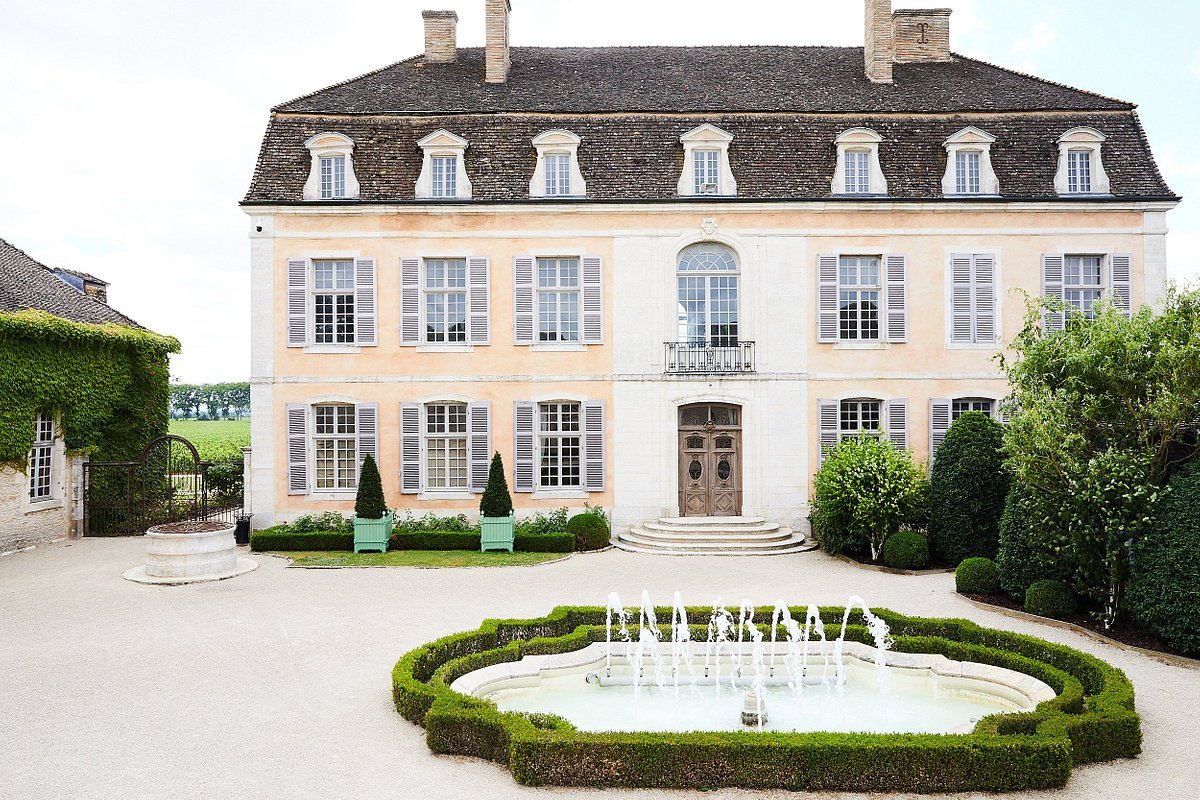
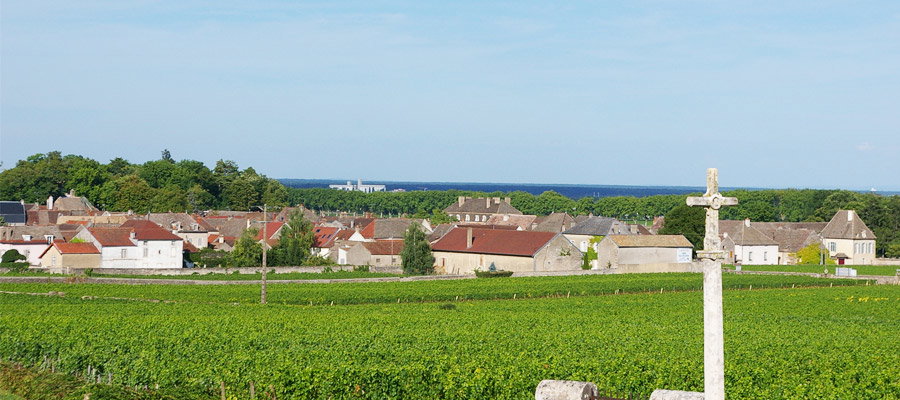
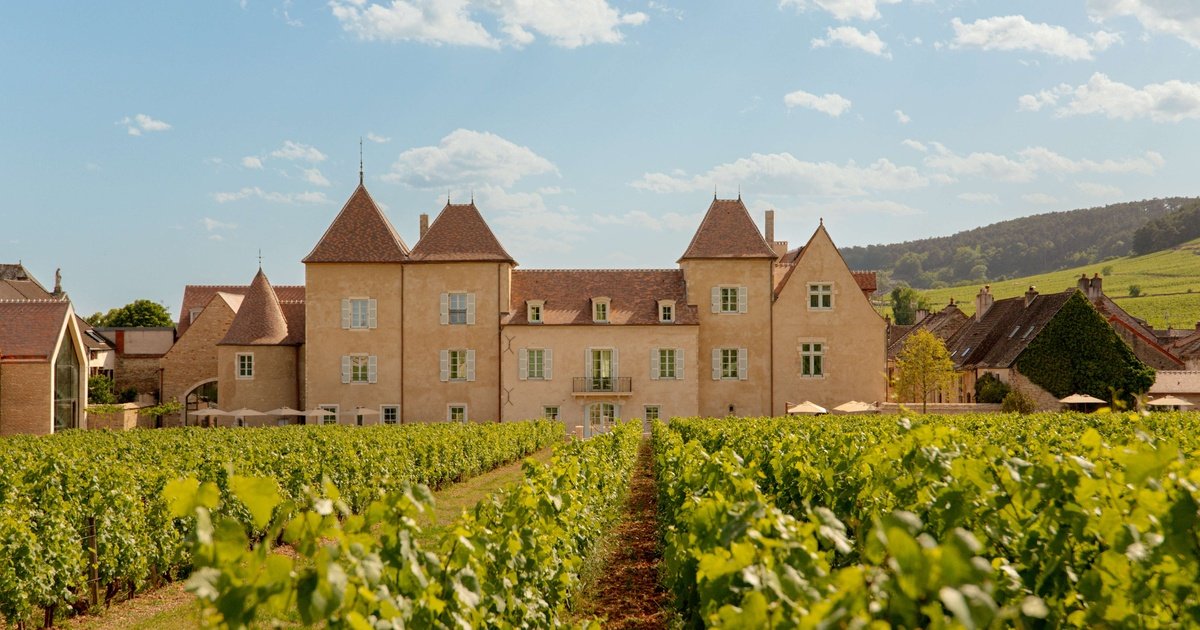
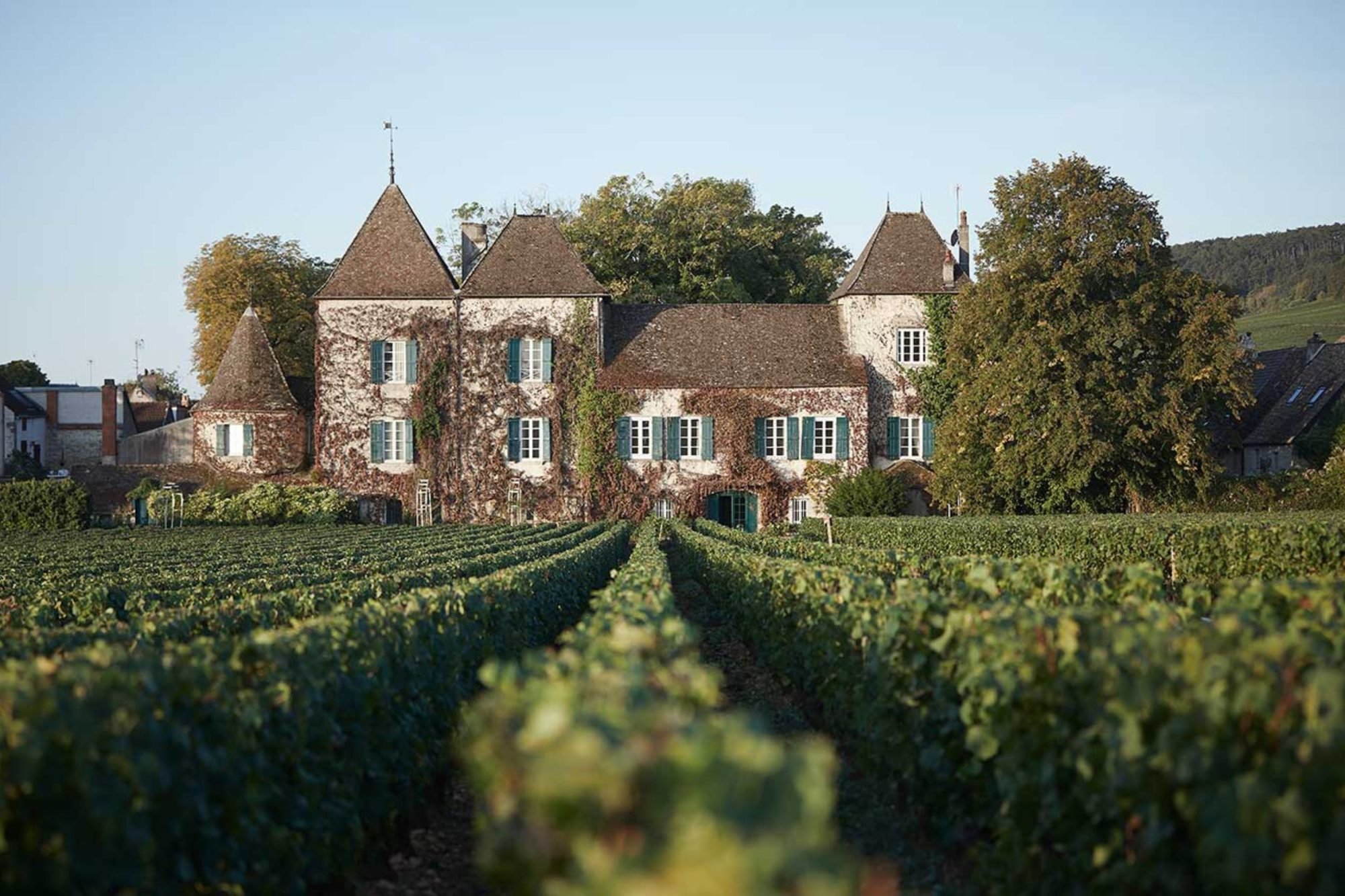
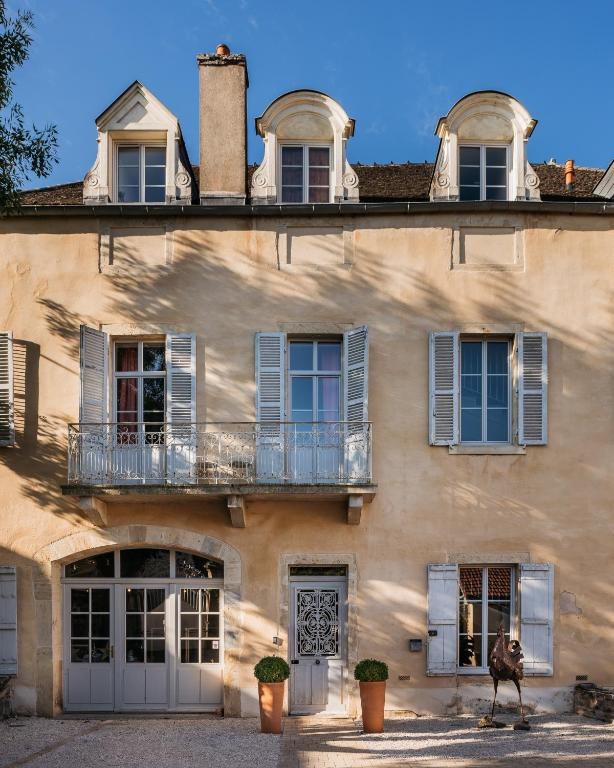
Domaine Anne-Françoise Gros sits squarely in the concentrated, unmistakable geography of Pommard: stone walls, closely planted rows and vineyards that press in on the lane create an intense sense of place. The domaine operates from 1 Place de l'Europe in the centre of the village, so the experience feels rooted in the appellation’s history and strict parcel logic. References to centuries of classification and the Gros family’s multi-branch history underline a layered, historically minded character. The recent Pearl 3 Star Prestige rating positions the domaine as a compact, serious stop for visitors who appreciate Burgundian terroir and provenance.
Best For
This estate is best for visitors focused on serious Burgundy study and thoughtful tasting. Its central Pommard address and the write-up’s emphasis on appellation precision make it a priority for wine-education visits, collectors comparing terroir-driven examples, and anyone touring classified parcels in the village. The EP Club Pearl 3 Star Prestige rating flags the domaine as a noteworthy stop on a focused tasting itinerary, and its village-center location makes it accessible for solo exploration or appointments during a wider Pommard route. It rewards those who come with time and curiosity about provenance and family history.
Tasting Tips
When visiting, frame your tasting around provenance and parcel distinctions rather than broad stylistic descriptors. Ask the domaine about which specific parcels they work and request a comparison between village and any premier-cru bottlings they produce; the narrative’s emphasis on the weight of appellations signals that parcel-level differences matter here. Inquire about the Gros family’s history and how holdings were divided across generations—those conversations often clarify why certain cuvées are structured the way they are. If available, allocate time for a focused vertical or older-vintage tasting to appreciate how Pommard’s tannic architecture evolves.
Venue details
Ambiance
Refined and traditional with an emphasis on terroir expression, offering an intimate, sophisticated atmosphere in a classic Burgundy winery setting.
Tags
Vibe
Best For
Experience
Sourcing
View
At the Vineyard
- Appellation
- Pommard AOC
- Varietals
- Pinot Noir
- Tour Duration
- 60-90 minutes
- Tour Languages
- French
- Visits
- By appointment only
- Farming
- Sustainable
- Production
- Small producer
- Wine Styles
- Still Red
- Wine Club
- Not available
Know before you go
Know Before You Go
- Getting there
- 1 Pl. de l'Europe, 21630 Pommard
Planning details
Location
Also consider
Where to Look If This Is Full
Try Château de Pommard if the group needs a more structured visitor experience. For a more wine-serious alternative in the same village, look at Domaine Comte Armand or Domaine de Courcel.
Winery context
How It Compares
Domaine Anne-Françoise Gros is the choice for travelers who want a quieter, producer-led Pommard visit and are comfortable planning ahead. Château de Pommard is the easier recommendation for first-timers because the setting and visitor format carry more of the experience. If the group includes non-wine obsessives, start there rather than forcing a smaller-domain day.
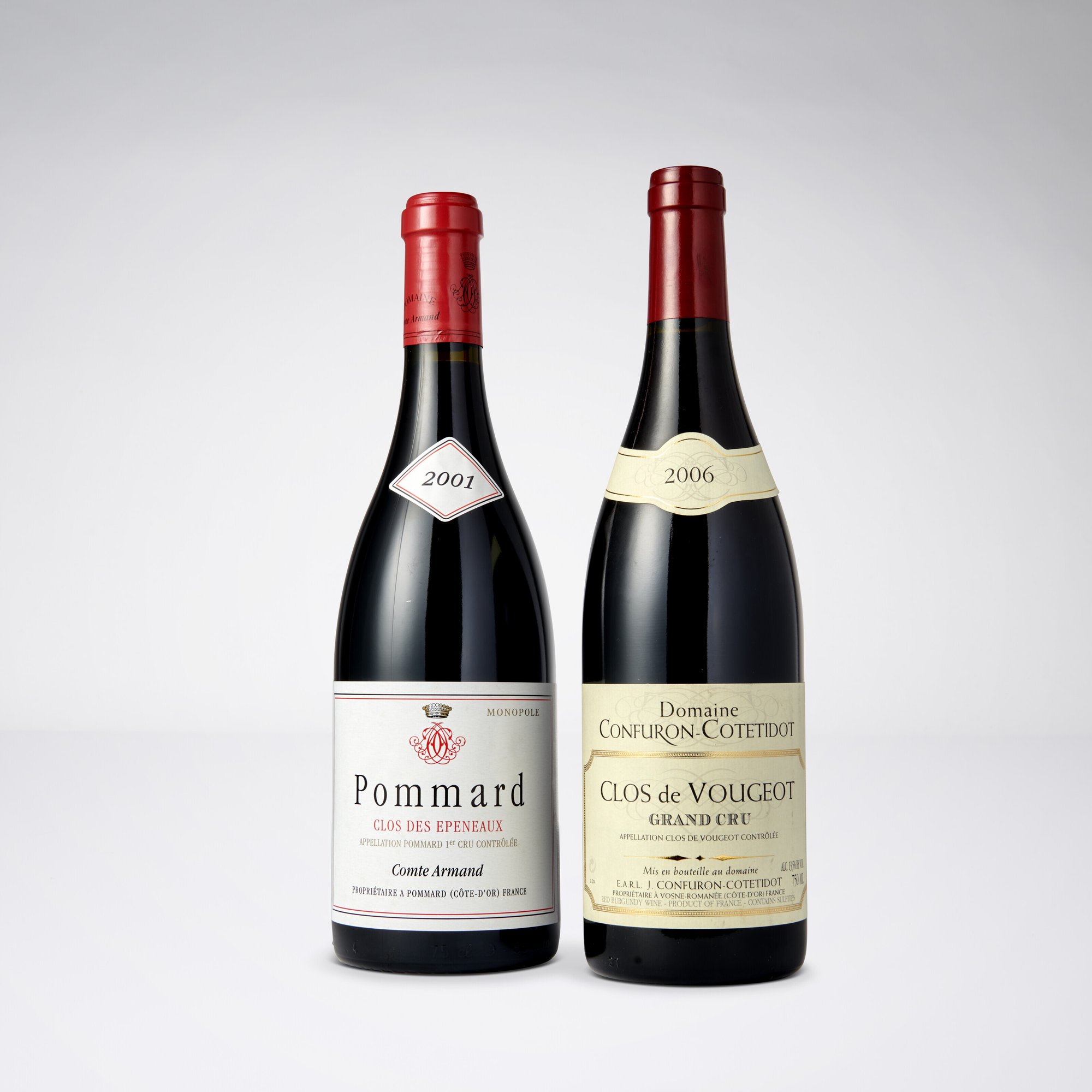
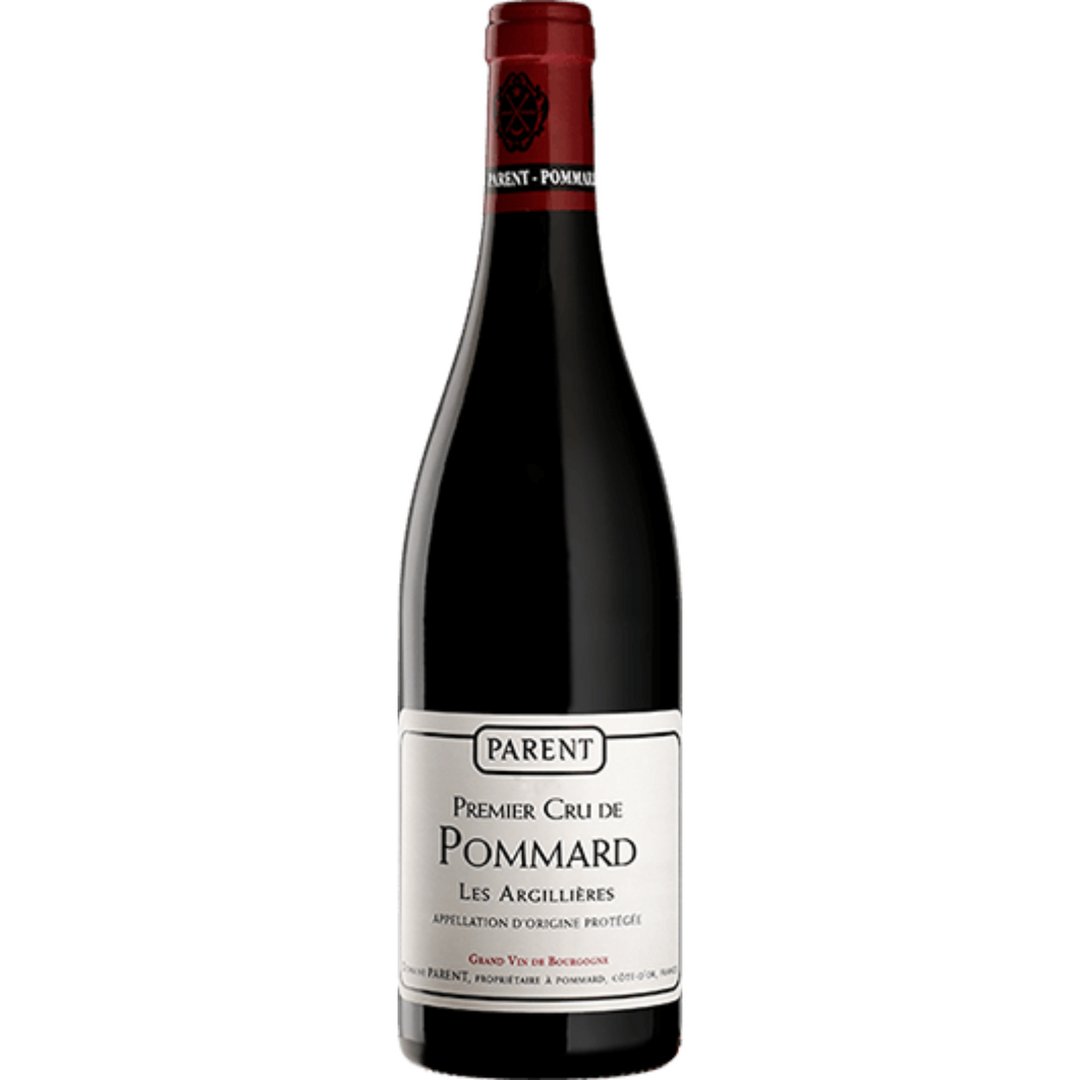
For serious Burgundy drinkers, compare it directly with Domaine Comte Armand, Domaine de Courcel, and Domaine Parent. Those are better cross-shops when the point is to understand Pommard through producer style rather than through a visitor-center format. Booking pressure is the main practical issue across this set, so do not build the day around a single hoped-for appointment.
Domaine Marquis d'Angerville sits outside Pommard, so it works better as a Burgundy comparison point than a like-for-like substitute. Choose it if the itinerary is broader than Pommard; stay local if the goal is a concentrated read on the village.
Explore Pommard
Around this place
Discover more on Pearl
Unlock the full Domaine Anne-Françoise Gros guide in Pearl, including awards, comparisons, FAQs, planning details, and nearby places.
Compare Domaine Anne-Françoise Gros
| Venue | Location | Awards |
|---|---|---|
| Domaine Anne-Françoise Gros | Pommard | No published awards |
| Domaine Comte Armand | Pommard | 2026 Falstaff Winery Guide |
| Domaine de Courcel | Pommard | 2026 Falstaff Winery Guide |
| Domaine Parent | Pommard | No published awards |
| Château de Pommard | Pommard | 2026 Falstaff Winery Guide |
| Domaine Marquis d'Angerville | Volnay | 2026 Michelin 1 Grape - Burgundy2026 Falstaff Winery Guide |


How Domaine Anne-Françoise Gros Pommard compares with similar nearby venues.
FAQ
Frequently Asked Questions
What should I know about Domaine Anne-Françoise Gros?
Domaine Anne-Françoise Gros is in Pommard, has a smart casual dress code, and holds Pearl 3 Star Prestige recognition for 2025.
What other venues can I compare with Domaine Anne-Françoise Gros?
Useful comparison names include Domaine Comte Armand, Domaine de Courcel, Domaine Parent, Château de Pommard, and Domaine Marquis d'Angerville. Check each venue directly for current visit logistics and location details.
Does Domaine Anne-Françoise Gros serve food?
Ask Domaine Anne-Françoise Gros directly about food service, restaurant service, lunch, dinner, take-out, or delivery. If food is important to the day, plan it separately in Pommard and confirm current details directly with the venue.
Does Domaine Anne-Françoise Gros offer a membership program?
Ask the venue directly about membership options. Key planning details include the venue's Pommard location, smart casual dress code, and Pearl 3 Star Prestige recognition for 2025.