Amaro Lucano (Distilleria Lucano)
Pisticci Scalo, Pisticci
Winery in Pisticci, Italy
 Book with Pearl
The Read
Southern Botanical Bitters
Why go
Worth considering if Pisticci is already on the itinerary and the draw is Italian amaro culture rather than a classic winery visit. The fit is strongest for spirits-focused travelers who value producer context; it is less useful for guests who need visible pricing, easy group planning, or a vineyard-led tasting day.
About Amaro Lucano (Distilleria Lucano)
Should you visit Amaro Lucano (Distilleria Lucano) in Pisticci? Consider it if your planning specifically includes this Pisticci venue and you value its confirmed Pearl recognition. The public profile is limited, so treat it as a cautious planning note rather than as a source for detailed visit logistics.
Worth prioritising for a Pearl-recognised Pisticci stop
Amaro Lucano (Distilleria Lucano) is listed in Pisticci and has Pearl 2 Star Prestige recognition for 2025. Beyond that confirmed signal, practical details such as visit format, pricing, opening times, group capacity, and reservation requirements are not available.
Because practical details are thin, treat this as a plan-ahead stop rather than a casual add-on. Do not build a tight day around access or timing that you haven't confirmed. Pair it with broader Pisticci planning, then use the city guides for restaurants, hotels, bars, and experiences to avoid making one unconfirmed detail the basis of the itinerary.
Who should skip it
Skip it if you need confirmed details on pricing, hours, group capacity, or a specific visit format before deciding. Keep it on the shortlist if a Pearl 2 Star Prestige Pisticci venue is enough reason to investigate further directly. For broader context, you can also compare it with venues such as Amarischia, Limoncello di Capri, Strega Alberti, Tenuta Cavalier Pepe, and Villa Massa Limoncello.
Planning details
- Location
- 5, Via Cav. Pasquale Vena, Pisticci, Mt 75015, 75010 Pisticci Scalo MT
- Website
- amarolucano.it
- Phone
- +39 0835 4691
The take
The Take
The Vibe
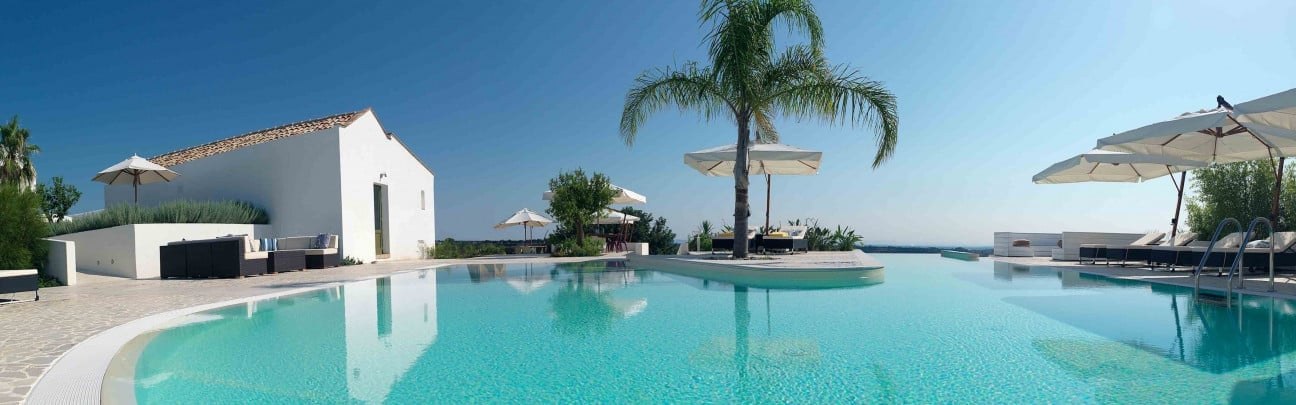
Amaro Lucano’s setting reads like a study in extremes: a distillery anchored in a sun-bleached, mineral-rich landscape where the Apennines and the Agri valley frame each horizon. The copy foregrounds geology and harsh light rather than cultivated prettiness, so the place feels elemental and unvarnished — a scenic, rustic outpost where the land’s austerity is integral to the spirit it produces. The tone is reflective rather than social; visitors should expect a terroir-forward, contemplative experience that foregrounds botanicals and place over convivial spectacle.
Best For
This site is best for people interested in the relationship between place and spirit — students, practitioners and curious travelers drawn to wine- and spirits-focused learning. The description frames Amaro Lucano as a locus for the ‘terroir argument’ applied to amaro, so it suits educational visits that explore botanical selection, foragers and regional production practices. It’s less about lively nightlife or dining spectacle and more about close attention to flavor, provenance and the distinctive ecology of Basilicata.
Tasting Tips
When engaging with Amaro Lucano’s offerings, prioritize tasting with an eye toward botanical and mineral character rather than cocktails or frills. The write-up emphasizes local scrubland herbs and soil-driven flavors, so focus on samples that isolate botanical elements and on comparing expressions that showcase different ingredients or extraction approaches. Ask about the provenance of key botanicals and how the local terrain influences the spirit’s bitterness and aroma to deepen appreciation of the house’s terroir argument.
Venue details
Ambiance
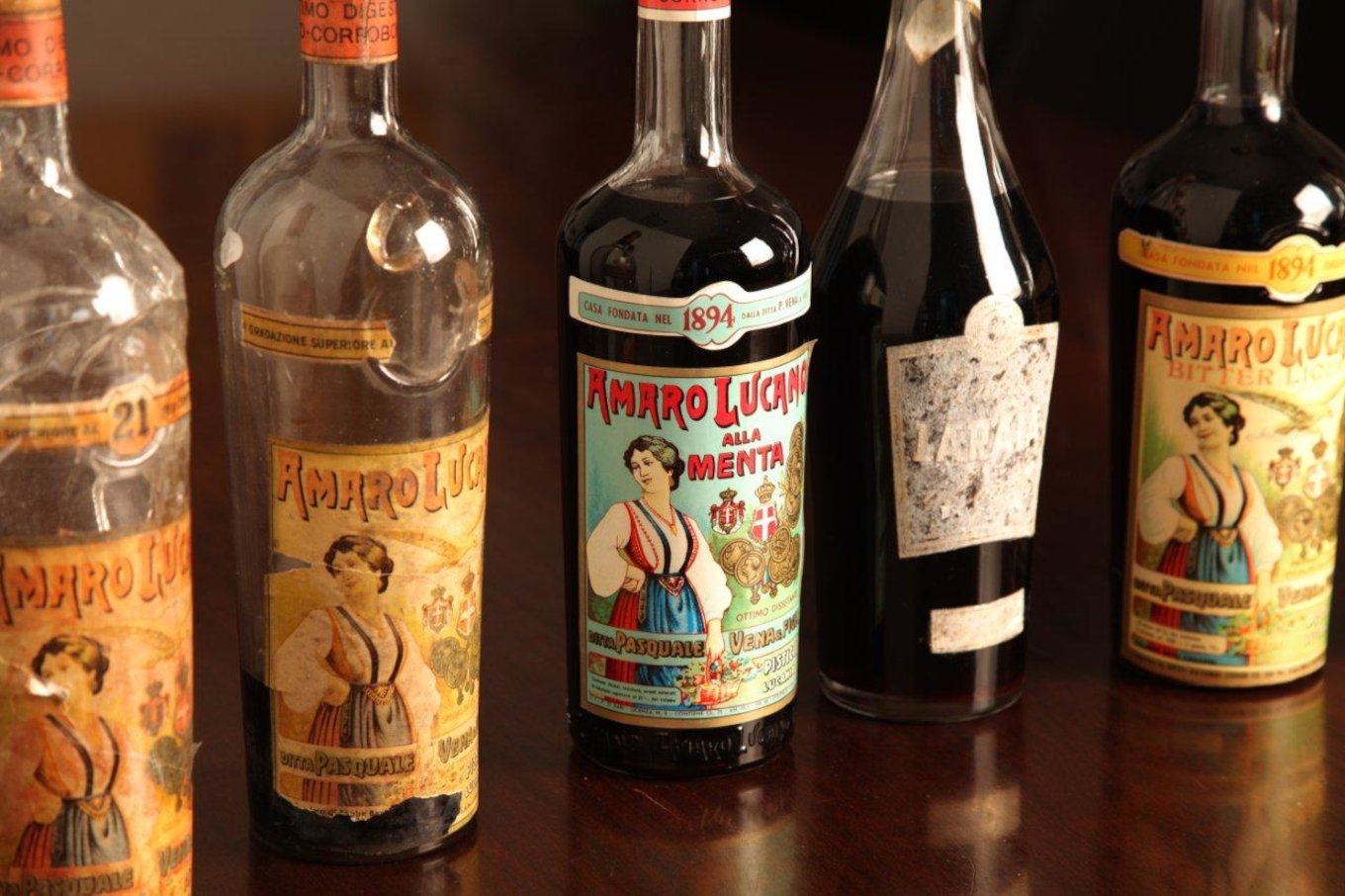
Industrial production setting with a classic, historic family-run atmosphere.
Tags
Best For
Experience
At the Vineyard
- Appellation
- Basilicata
- Wine Club
- Not available
Know before you go
Know Before You Go
- Getting there
- 5, Via Cav. Pasquale Vena, Pisticci, Mt 75015, 75010 Pisticci Scalo MT
Planning details
Location
5, Via Cav. Pasquale Vena, Pisticci, Mt 75015, 75010 Pisticci Scalo MT · Directions
Also consider
Also Consider
- Tenuta Cavalier Pepe, Notable alternative
- Strega Alberti, Notable alternative
- Villa Massa Limoncello, Notable alternative
- Limoncello di Capri, Notable alternative
- Amarischia, Notable alternative
Winery context
How it compares with other Italian drinks producers
Choose Amaro Lucano (Distilleria Lucano) when the priority is amaro heritage in Basilicata rather than wine-country structure. Tenuta Cavalier Pepe is the clearer pick for a wine-focused itinerary, while Strega Alberti makes more sense for travelers comparing historic Italian liqueur houses.
For citrus-led spirits, Villa Massa Limoncello and Limoncello di Capri are more targeted alternatives. Pick them if the brief is limoncello rather than bitters. Amarischia is the useful cross-shop when the trip is broader Italian liqueur research and Pisticci is not convenient.
On booking confidence, treat Amaro Lucano as the harder plan: it is a better fit for travelers willing to arrange details in advance. For a broader cellar itinerary, compare it with Aldo Conterno in Monforte d'Alba, Allegrini in Fumane, and Altesino in Montalcino; for spirits breadth, add Amarischia in Caivano, Antica Distilleria Petrone in Mondragone, 00 Wines in Carlton, and 1310 Spirit of the Country Distillery in Sierning.
Explore Pisticci
Around this place
Discover more on Pearl
Unlock the full Amaro Lucano (Distilleria Lucano) guide in Pearl, including awards, comparisons, FAQs, planning details, and nearby places.
Compare Amaro Lucano (Distilleria Lucano)
| Venue | Location | Awards |
|---|---|---|
| Amaro Lucano (Distilleria Lucano) | Pisticci | No published awards |
| Tenuta Cavalier Pepe | Sant'Angelo All'Esca | 2026 Falstaff Winery Guide2025 World's 50 Best Vineyards · #812024 World's 50 Best Vineyards · #14 |
| Strega Alberti | Benevento | No published awards |
| Villa Massa Limoncello | Sorrento | No published awards |
| Limoncello di Capri | Capri | No published awards |
| Amarischia | Caivano | No published awards |


How Amaro Lucano (Distilleria Lucano) Pisticci compares with similar nearby venues.
FAQ
Frequently Asked Questions
Do I need a reservation at Amaro Lucano (Distilleria Lucano)?
Reservation requirements are not available. Because Amaro Lucano (Distilleria Lucano) is a Pearl 2 Star Prestige venue in Pisticci for 2025, confirm directly before building it into a fixed itinerary.
Are membership or shipment options for Amaro Lucano (Distilleria Lucano)?
Membership and shipment details for Amaro Lucano (Distilleria Lucano) are not available. If those options are important to your decision, check directly with the venue before comparing it with other venues such as Tenuta Cavalier Pepe.
Can Amaro Lucano (Distilleria Lucano) handle large groups?
Group capacity is not available. If you are planning for a larger party in Pisticci, confirm directly with Amaro Lucano (Distilleria Lucano) before committing the stop to your schedule.
What other venues can I compare with Amaro Lucano (Distilleria Lucano)?
For comparison, Tenuta Cavalier Pepe is one venue to consider separately. Other venues that may help frame the category include Strega Alberti, Villa Massa Limoncello, Limoncello di Capri, and Amarischia.
When is the best time to visit Amaro Lucano (Distilleria Lucano)?
The best time to visit is not available because confirmed hours and visit format are not provided. Treat Amaro Lucano (Distilleria Lucano) as a Pisticci venue to confirm directly before finalising your plans.