Distilleria Sibona
Roero, Piobesi d'Alba
Winery in Piobesi d'Alba, Italy
 Book with Pearl
The Read
Pomace-to-Spirit Precision
Why go
Distilleria Sibona is worth planning around if the trip is about grappa and Italian distilling rather than a classic vineyard tasting. It suits repeat Piedmont visitors, small celebrations, and buyers who want a focused spirits stop; wine-first groups should cross-shop nearby cellar options before committing.
About Distilleria Sibona
Distilleria Sibona is listed in Piobesi d'Alba with a smart casual dress code and 2025 Pearl 2 Star Prestige recognition. Plan the visit with flexibility rather than assuming a specific format, price, schedule, or service style.
For travelers comparing stops in and around the area, the key distinction is the purpose of the visit. Distilleria Sibona has notable recognition; for current offerings, group capacity, hours, and booking process, confirm details directly before building the day around the visit.
Choose this for a focused Piobesi d'Alba stop
The strongest reason to prioritize Distilleria Sibona is its 2025 Pearl 2 Star Prestige signal. Treat that as the main hook, not as proof of any particular experience format. For pricing, schedule, or on-site options, keep expectations flexible and check the practical points before arrival.
If the group is comparing other well-known names, Ceretto, Pio Cesare, and Produttori del Barbaresco can be considered as separate reference points for the wider region. Distilleria Sibona should be evaluated on its own facts: Piobesi d'Alba location, smart casual dress code, and 2025 Pearl 2 Star Prestige recognition.
Book early if the visit matters to the trip
For a special occasion, confirm the essentials before finalizing the itinerary, including hours, booking process, group size, visit format, food service, and purchase options.
To avoid overloading the visit, avoid assuming Distilleria Sibona can carry a full celebration on its own. If the day also needs dining, lodging, or after-visit plans, arrange those separately in Piobesi d'Alba or the surrounding area.
The verdict: Distilleria Sibona is most compelling for travelers who value its 2025 Pearl 2 Star Prestige recognition and want a smart casual stop in Piobesi d'Alba. It is less suitable as a fully planned centerpiece unless the practical details are arranged in advance.
Planning details
- Location
- Via Castellero, 5, 12040 Piobesi d'Alba CN
- Website
- distilleriasibona.it
- Phone
- +39 0173 614914
The take
The Take
The Vibe
Distilleria Sibona sits within the Langhe’s working hills, where vineyards and agrarian rhythms define the calendar. The write-up emphasizes place — clay-limestone soils, nebbiolo’s influence and the seasonality of marc — so Sibona reads as a small, artisanal house rooted in terroir. The tone is informed and quietly refined rather than flashy: the distillery belongs to a peer set of respected regional artisans and invites a thoughtful, terroir-focused appreciation of grappa rather than a party atmosphere. Expect a landscape-forward, craft-minded experience that privileges provenance and aromatic nuance.
Best For
This venue is best for visitors who want to understand grappa as an expression of place. The copy frames the distillery in direct relation to the Langhe’s vineyards and to other artisan houses, so it’s well suited to wine and spirits enthusiasts, trade professionals and students of terroir who are interested in raw-material sourcing and production methods. Rather than a generic tasting stop, Sibona is positioned as a site for comparative, educational appreciation—people who enjoy learning why nebbiolo marc behaves differently from other pomace will get the most out of a visit.
Tasting Tips
When engaging with Sibona’s offerings, focus on provenance: the text highlights nebbiolo marc from the Barolo/Barbaresco area as particularly characterful, so seek out expressions that name their source marc. The piece also invites comparison across regions and styles, so prioritize grappas that indicate grape or commune origin to appreciate differences in aromatic weight and texture. Ask about harvest timing and marc handling—those details are central to the distillery’s argument about terroir—rather than looking only for novelty bottlings or aged statements.
Venue details
Ambiance
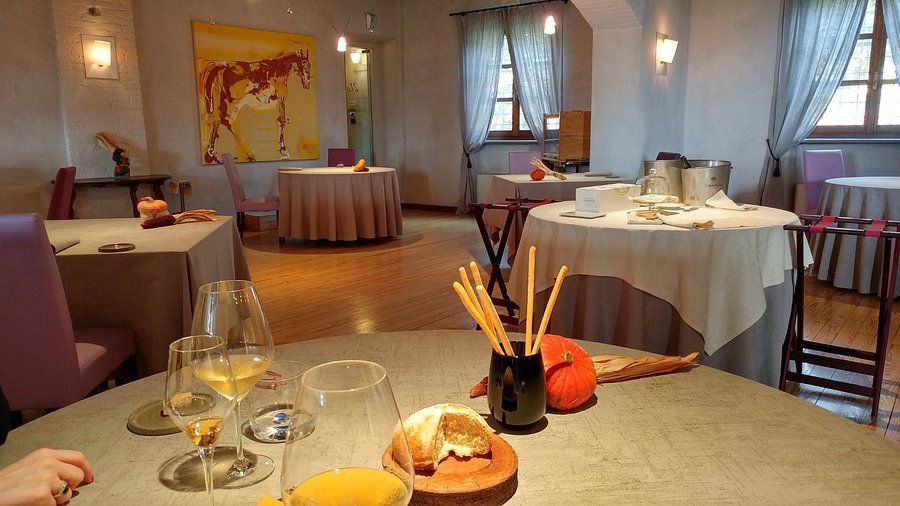
Historic aging cellars with barrels evoking tradition and craftsmanship in a prestigious wine region.
Tags
Vibe
Best For
Experience
View
At the Vineyard
- Appellation
- Roero
- Varietals
- Nebbiolo, Barbera, Arneis, Moscato, Dolcetto
- Tour Duration
- 60-90 minutes
- Tour Languages
- English, Italian
- Visits
- By appointment only
- Wine Club
- Not available
Know before you go
Know Before You Go
- Getting there
- Via Castellero, 5, 12040 Piobesi d'Alba CN
Planning details
Location
Also consider
Also Consider
- Cinzano, Notable alternative
- Pio Cesare, Notable alternative
- Ceretto, Notable alternative
- Distilleria Montanaro, Notable alternative
- Produttori del Barbaresco, Notable alternative
Winery context
How it compares in the Alba-area tasting circuit
Choose Distilleria Sibona over Cinzano, Pio Cesare, Ceretto, and Produttori del Barbaresco when the group wants a spirits-led visit rather than another wine appointment. That makes it more useful for repeat Piedmont travelers than for first-timers trying to understand the region through Barolo or Barbaresco.
For classic wine buying, Pio Cesare, Ceretto, and Produttori del Barbaresco are more direct comparisons because the visit aligns with cellar, vintage, and bottle-allocation decisions. Sibona is the better fit when the purchase question is about grappa or distillates, and Distilleria Montanaro is the closest peer if the group wants to compare distillery styles rather than winery reputations.
On booking difficulty, treat Sibona as the plan-ahead option, not the casual fallback. If access does not line up, cross-shop Distilleria Montanaro for a similar spirits lane, or pivot to Produttori del Barbaresco if the group would rather keep the day wine-focused.
Explore Piobesi d'Alba
Around this place
Discover more on Pearl
Unlock the full Distilleria Sibona guide in Pearl, including awards, comparisons, FAQs, planning details, and nearby places.
Compare Distilleria Sibona
| Venue | Location | Awards |
|---|---|---|
| Distilleria Sibona | Piobesi d'Alba | No published awards |
| Cinzano | Santa Vittoria d'Alba | No published awards |
| Pio Cesare | Alba | 2026 Falstaff Winery Guide |
| Ceretto | Alba | 2026 Falstaff Winery Guide2025 World's 50 Best Vineyards · #192024 World's 50 Best Vineyards · #202023 World's 50 Best Vineyards · #292020 World's 50 Best Vineyards · #21 |
| Distilleria Montanaro | Alba | No published awards |
| Produttori del Barbaresco | Barbaresco | 2026 Falstaff Winery Guide |


How Distilleria Sibona Piobesi d'Alba compares with similar nearby venues.
FAQ
Frequently Asked Questions
How long should I plan for a visit to Distilleria Sibona?
If timing matters, ask Distilleria Sibona for the expected duration before planning the rest of your day in Piobesi d'Alba.
Does Distilleria Sibona offer purchases or shipping?
If purchases or shipping matter, ask Distilleria Sibona for the current policy before making plans.
What other venues can I compare with Distilleria Sibona?
For a broader comparison set, consider Ceretto, Cinzano, Distilleria Montanaro, Pio Cesare, and Produttori del Barbaresco. Distilleria Sibona itself is listed in Piobesi d'Alba and has 2025 Pearl 2 Star Prestige recognition.
Does Distilleria Sibona have a membership program?
If membership or recurring purchases are important, ask Distilleria Sibona directly and judge any offer based on the current terms.
Does Distilleria Sibona serve food?
Check food options directly with Distilleria Sibona, and do not rely on the visit as a meal plan unless current food options are available for your visit.
Can Distilleria Sibona handle large groups?
What is Distilleria Sibona best known for?
Distilleria Sibona is best known in this guide for its Piobesi d'Alba location, smart casual dress code, and 2025 Pearl 2 Star Prestige recognition.