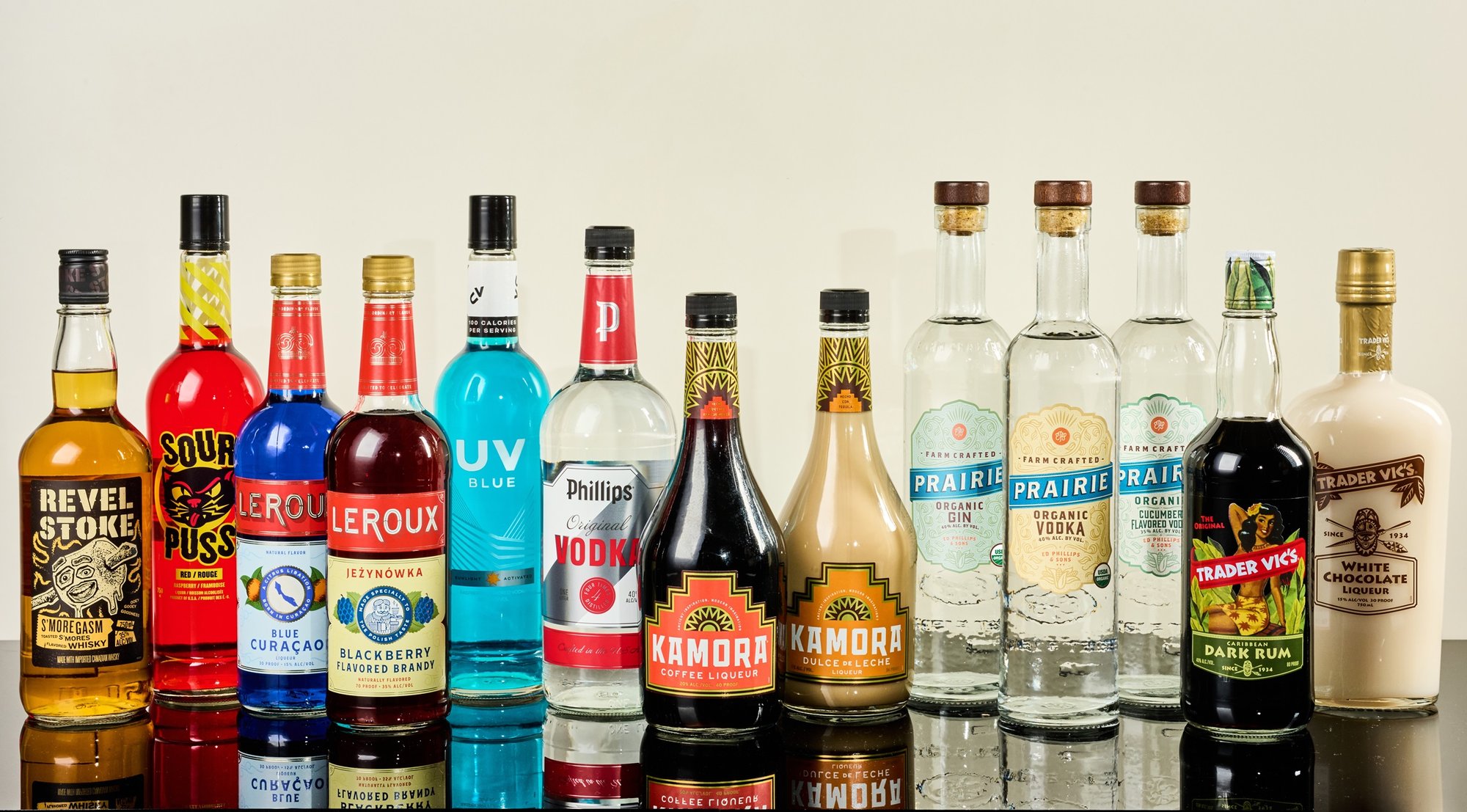
Winery in Pinkafeld, Austria

    Phillips Distillery

    250pts

    Burgenland Terroir Distilling

    Phillips Distillery, Winery in Pinkafeld

    About Phillips Distillery

    Phillips Distillery in Pinkafeld, Austria holds a Pearl 1 Star Prestige award (2025), placing it among a recognized tier of Austrian craft producers in the Burgenland region. Operating in a part of Austria better known for its wine culture than its distilling heritage, Phillips represents a small but growing cohort of producers working outside the country's established wine corridors. A focused destination for those tracing Austria's craft spirits scene.

    Distilling at the Edge of Burgenland Wine Country

    Pinkafeld sits in the southern reaches of Burgenland, a federal state whose identity has been shaped almost entirely by wine. The flat, sun-exposed terrain around the Neusiedlersee to the north produces some of Austria's most discussed bottles, from the noble sweet wines of Weingut Kracher in Illmitz to the Blaufränkisch-led reds of Weingut Pittnauer in Gols. Further south and west, closer to the Styrian border, the terrain shifts, the population thins, and the agricultural emphasis changes. It is in this context that Phillips Distillery operates: not in the heart of Austria's established wine culture, but at its quieter edge, where craft spirits production has found room to develop without competing directly against a centuries-old wine establishment.

    Austria's distilling sector has expanded considerably over the past decade. The country's fruit brandy tradition, rooted in the Obstler and Schnapps producers of alpine regions, provided a cultural framework that newer producers have worked within and sometimes against. Alongside distilleries like 1310 Spirit of the Country Distillery in Sierning and A. Batch Distillery in Bergheim, Phillips represents part of a broader cohort working across Austria's less-heralded production zones. What distinguishes Pinkafeld from those other locations is its position within Burgenland specifically, where the raw material culture, the agricultural rhythms, and the regional character all carry the imprint of a wine-growing landscape even when the product in the glass is spirits.

    The Pearl 1 Star Prestige Recognition

    In 2025, Phillips Distillery received a Pearl 1 Star Prestige award, a recognition that places it within a defined quality tier among Austrian producers. Award structures in the craft spirits world function differently from the Michelin model applied to restaurants or the point systems used in wine criticism, but they serve a similar purpose: they create a comparative framework that allows buyers, visitors, and trade buyers to position a producer relative to peers without needing firsthand knowledge of every operation in a given country.

    For a distillery operating in Pinkafeld, away from the main population centers and without the gravitational pull of an established wine tourism corridor, recognition of this kind carries particular weight. It signals that the operation has reached a standard that holds up under structured evaluation, not merely within the context of a regional market where competition is limited. Austria's craft spirits scene includes operations of varying scale and ambition, from urban Vienna producers like 1516 Brewing Company Distillery in Vienna to rural specialists such as Abfindungsbrennerei Franz in Leithaprodersdorf. Phillips, with its 2025 Prestige recognition, sits within the acknowledged quality tier of that broader group.

    Terroir and the Spirits Producer's Relationship with Land

    The concept of terroir, as applied to wine, describes how a specific combination of soil composition, microclimate, elevation, and viticultural practice produces a character in the finished bottle that reflects its place of origin. Austrian wine has built much of its international reputation on this idea: the loess and primary rock soils of the Wachau, which shape the wines of producers like Weingut Emmerich Knoll in Dürnstein and Weingut Bründlmayer in Langenlois, are inseparable from the wines themselves. The volcanic and slate soils of southern Styria, which define the character of estates like Weingut Wohlmuth in Kitzeck, tell a similarly place-specific story.

    For distilleries, the terroir argument is more complicated but not absent. The raw materials used, whether fruit from local orchards, grain from surrounding farms, or botanicals gathered from specific landscapes, carry regional character into the distillate. Burgenland's agricultural profile, shaped by its continental climate and its tradition of growing stone fruits alongside wine grapes, provides a particular set of inputs for a producer based in the region. Whether Phillips works primarily with local fruit, imports base spirits, or operates a grain distillation program is not available from current records, but the regional context matters regardless: a distillery in Pinkafeld is working within an agricultural and cultural environment shaped by Burgenland's specific conditions, and those conditions leave marks on what is possible and what is natural to make there.

    This is a meaningful distinction from the position of, say, 1404 Manufacturing Distillery in Sankt Peter-Freienstein, which operates in Styria's industrially inflected production zone, or Weingut Scheiblhofer Distillery in Andau, which is embedded within a wine estate operation in the northern Burgenland flatlands. Each location creates a different set of material conditions, and Phillips's position in the southern part of the state places it in dialogue with a landscape that is neither fully alpine nor fully Pannonian, but something between.

    Visiting Pinkafeld: What the Region Offers

    Pinkafeld is a small market town in the Hartberg-Fürstenfeld district, accessible from Graz to the southwest and Oberwart to the northeast. It is not a primary tourist destination in the way that the wine villages of the Wachau or the spa towns of southern Burgenland attract organized tourism, which means that visiting Phillips Distillery requires the kind of deliberate planning that rewards visitors who do it. The town's position near the Styrian border makes it a workable stopping point on a route between southern Styria's wine country and Burgenland's eastern plains, though it functions better as a destination in its own right than as a quick detour.

    Specific opening hours, tour formats, and tasting room arrangements for Phillips are not available in current records. Visitors planning a trip should confirm directly with the distillery before traveling, particularly given that smaller rural producers in Austria frequently operate by appointment rather than maintaining consistent walk-in hours. For broader context on what the region offers, our full Pinkafeld restaurants guide covers the surrounding food and drink scene in more detail.

    Austria's craft spirits producers, particularly those operating outside Vienna and the major wine regions, occupy a sector that is still building its visitor infrastructure. The comparison with Scotch whisky tourism, where distilleries like Aberlour in Aberlour have developed well-structured visitor programs over decades, illustrates where Austrian distilling tourism is headed rather than where it currently stands. Phillips, with its 2025 award recognition, represents the production quality side of that equation; the visitor experience side remains, for many smaller Austrian producers, a work in progress.

    Where Phillips Sits in the Austrian Craft Spirits Picture

    Austria's craft spirits sector does not yet have the international profile of its wine industry, but the gap is narrowing. Producers across the country's federal states are reaching a quality level that draws comparison with recognized European spirits regions, and award programs are providing the external validation that helps communicate that quality to buyers outside Austria. Phillips Distillery's Pearl 1 Star Prestige recognition in 2025 places it within this upward movement: a Burgenland producer at a recognized standard, operating in a region whose agricultural character and wine culture provide both the raw material context and the experiential framework for visitors willing to look beyond the established wine trail. For those assembling an itinerary through Austria's western Burgenland, it belongs on the list alongside the wine producers who have long defined the region's reputation.

    Frequently Asked Questions

    What's the vibe at Phillips Distillery?

    Phillips Distillery operates in Pinkafeld, a small town in southern Burgenland with a quiet, agricultural character distinct from the busier wine tourism zones further north. The setting reflects Burgenland's rural southern reaches rather than the polished visitor infrastructure of, say, the Neusiedlersee wine villages. The distillery holds a Pearl 1 Star Prestige award (2025), which signals a serious production operation. Specific pricing and format details are not currently available in public records; contacting the distillery directly before visiting is the practical approach.

    What's the signature bottle at Phillips Distillery?

    Specific product details, including signature expressions, winemaker or distiller credits, and production region classifications, are not available in current records for Phillips Distillery. What is confirmed is the 2025 Pearl 1 Star Prestige recognition, which indicates a bottle or range that performed at a defined quality level under structured evaluation. For visitors or buyers seeking more detail on current releases, the distillery itself is the most reliable source, as smaller Austrian producers frequently update their ranges in line with seasonal harvests and production cycles.

    What makes Phillips Distillery worth visiting?

    The 2025 Pearl 1 Star Prestige award positions Phillips within the acknowledged quality tier of Austrian craft spirits producers, a peer group that includes operations across several federal states. For visitors in southern Burgenland, the distillery offers a point of engagement with a sector of Austrian drinks culture that sits alongside but distinct from the region's dominant wine identity. Pinkafeld itself is not a high-volume tourism destination, which means the visit requires deliberate planning, but that also means the experience is closer to the production reality than a venue built around visitor throughput. Confirmed pricing and booking details are not available at this time; direct contact with the distillery is the recommended first step.

    Keep this place

    Save or rate Phillips Distillery on Pearl

    Keep this venue in your Pearl passport, rate it after you visit, and track it alongside every other place you collect.