Lazy Creek Vineyards
Philo
Winery in Philo, United States
 Book with Pearl
The Read
Cool-Climate Alsatian Viticulture
Price
$1–10tasting
Why go
Lazy Creek Vineyards is the Philo pick for a quieter, wine-first Anderson Valley stop rather than a food-led or high-energy group outing. Prioritize it if the goal is a slower tasting rhythm and focused conversation; cross-shop Navarro Vineyards, Roederer Estate, Husch Vineyards, Brashley Vineyards, or Maggy Hawk if the group needs a clearer specialty or easier backup plan.
About Lazy Creek Vineyards
Lazy Creek Vineyards is a Philo venue with a casual dress code and Pearl 3 Star Prestige recognition for 2025. The safest way to plan a visit is to confirm any operational details directly with the venue before building the day around it.
Do not assume a meal service, visit format, price point, seating setup, or specific offering. If you need dining before or after, plan that separately through Our full Philo restaurants guide. For lodging and after-hours planning, use Our full Philo hotels guide and Our full Philo bars guide rather than assuming the venue visit will cover the whole day.
Planning your visit to Lazy Creek Vineyards
Lazy Creek Vineyards is in Philo, the dress code is casual, and it has Pearl 3 Star Prestige recognition for 2025. That makes it a venue to consider if you are comparing possible stops.
For a wider itinerary, compare other options before locking the route. Navarro Vineyards, Roederer Estate, Husch Vineyards, Brashley Vineyards, and Maggy Hawk are useful comparison names when deciding how to shape a visit around Lazy Creek Vineyards.
How to build the day around it without overcommitting
To ensure a smooth visit, keep the itinerary flexible and verify the essentials before you go. Our full Philo wineries guide is a starting point if you want to compare Lazy Creek Vineyards with other options.
Bottom line: consider Lazy Creek Vineyards if you are planning a casual Philo stop and are comfortable confirming the practical details yourself. If the priority is a highly specific visit format, food service, a named offering, or a fixed schedule, check directly with the venue before committing and plan meals, lodging, and nightlife separately through Our full Philo experiences guide.
Planning details
- Location
- 5501 CA-128, Philo, CA 95466
- Website
- lazycreekvineyards.com
- Phone
- +17078953623
The take
The Take
The Vibe
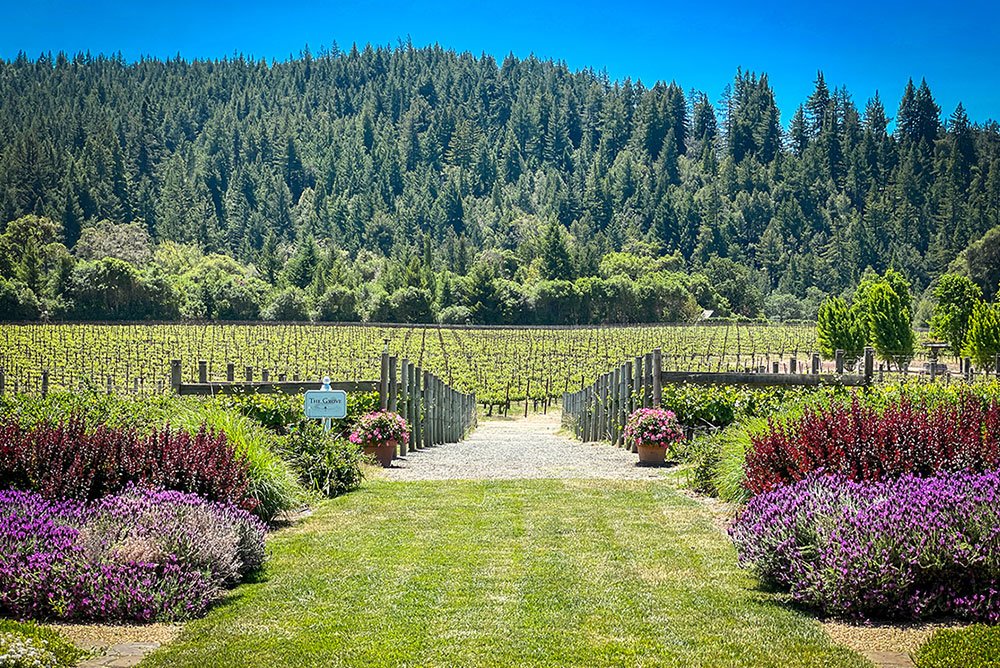
Lazy Creek Vineyards feels like a refined hill-country tasting room tucked into Anderson Valley. The approach—narrow road, enclosing redwoods and coastal fog—sets a moody, intimate tone before you arrive. The cellar emphasis on cool-climate Burgundian and Alsatian varieties gives the place a classical, terroir-driven seriousness, while recent industry recognition places the property among the valley's premium producers. Overall the experience reads as sophisticated and quietly charming: it rewards attention to nuance, from brisk acidity in the whites to low-alcohol, tension-driven reds, and it suits visitors seeking contemplative tasting rather than rowdy cellar-door activity.
Best For
Lazy Creek is best for focused wine exploration and quiet discovery. The site’s emphasis on cool-climate Pinot Noir, Chardonnay and Gewurztraminer makes it an ideal stop for people who want to learn about Anderson Valley’s Burgundian and Alsatian affinities—so it’s excellent for wine education and solo exploration. The secluded setting and measured, terroir-forward wines also make it well suited to couples looking for a low-key romantic getaway. This is not a high-energy, large-group destination; it caters to visitors who value nuance, provenance and a relaxed tasting pace.
Tasting Tips
When you taste here, prioritize the cool-climate varietals that define the appellation: Pinot Noir, Chardonnay and Gewurztraminer. Ask the staff about site-specific bottlings and what the valley’s Pacific influence contributes to each vintage; the tasting room context in the description emphasizes terroir. Look for any reserve or single-vineyard expressions that reflect the property’s prestige-tier placement, and request a guided pour so staff can explain the acid structures and stylistic choices that make these wines distinctively Anderson Valley.
Venue details
Ambiance
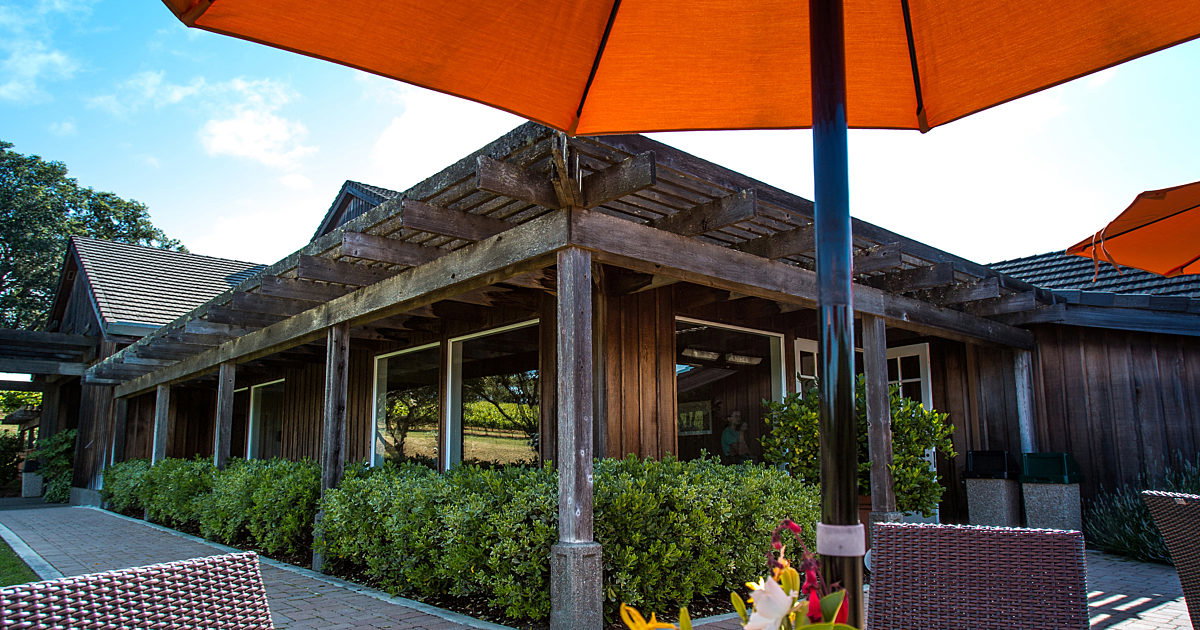
Low-key, relaxed atmosphere in a rustic tasting room set like a private residence amidst primitive woods, with unhurried, personal service.
Tags
Vibe
Best For
Experience
Sourcing
View
At the Vineyard
- Appellation
- Anderson Valley AVA
- Varietals
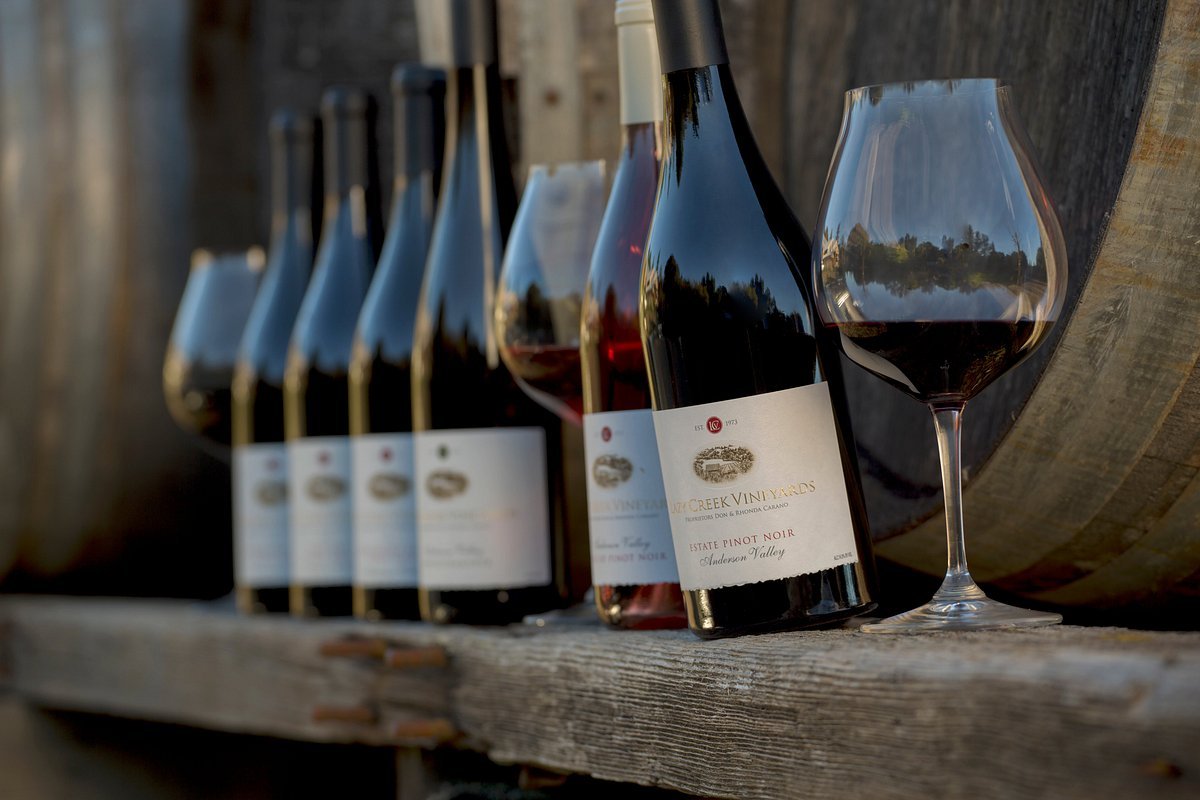
- Pinot Noir, Gewürztraminer, Chardonnay, Riesling, Syrah
- Tour Duration
- 60-90 minutes
- Visits
- By appointment only
- Farming
- Organic
- Production
- Small producer
- Wine Styles
- Still Red, Still White, Still Rose
- Shipping
- Available
- Wine Club
- Available
Know before you go
Know Before You Go
- Getting there
- 5501 CA-128, Philo, CA 95466
Planning details
Location
Also consider
Also Consider
- Navarro Vineyards, Notable alternative
- Roederer Estate, Notable alternative
- Husch Vineyards, Notable alternative
- Brashley Vineyards, Notable alternative
- Maggy Hawk, Notable alternative
Winery context
How it compares in Philo
Choose Lazy Creek Vineyards when ambiance matters and the group wants a quieter wine-first stop. Navarro Vineyards is the safer cross-shop for visitors who want a more recognizable Anderson Valley benchmark, while Roederer Estate is the clearer call if sparkling wine is the point of the day.
For value and ease, Husch Vineyards is the practical alternative to check before committing to a harder-to-secure stop. Brashley Vineyards fits travelers who want a more contemporary Philo tasting-room feel, while Lazy Creek Vineyards is better for a slower, less scene-driven visit.
If the group is wine-obsessive and wants a more selective comparison, look at Maggy Hawk. If the group is mixed, with some people more interested in atmosphere than tasting depth, start with Navarro Vineyards or Husch Vineyards, then use Lazy Creek Vineyards as the quieter anchor if availability works.
Explore Philo
Around this place
Discover more on Pearl
Unlock the full Lazy Creek Vineyards guide in Pearl, including awards, comparisons, FAQs, planning details, and nearby places.
Compare Lazy Creek Vineyards
| Venue | Location | Awards |
|---|---|---|
| Lazy Creek Vineyards | Philo | No published awards |
| Navarro Vineyards | Philo | No published awards |
| Roederer Estate | Philo | 2026 Falstaff Winery Guide2025 Pearl 3 Star Prestige |
| Husch Vineyards | Philo | No published awards |
| Brashley Vineyards | Philo | No published awards |
| Maggy Hawk | Philo | No published awards |


How Lazy Creek Vineyards Philo compares with similar nearby venues.
FAQ
Frequently Asked Questions
Does Lazy Creek Vineyards have purchase options?
Purchase options vary. If purchasing matters, check Lazy Creek Vineyards directly before planning, and compare the visit with other options such as Roederer Estate if you are building a broader itinerary.
Does Lazy Creek Vineyards serve food?
Do not plan Lazy Creek Vineyards as a meal anchor without checking directly. If you need dining before or after, plan that separately in Philo and keep stops such as Navarro Vineyards or Husch Vineyards as separate itinerary decisions.
What is the signature offering at Lazy Creek Vineyards?
Signature offerings vary, so do not plan the visit around a named item without confirming directly. If you want to compare possible stops, consider Lazy Creek Vineyards alongside Roederer Estate, Maggy Hawk, and other options, then confirm current offerings directly.
What other venues can I compare with Lazy Creek Vineyards?
Navarro Vineyards, Roederer Estate, Husch Vineyards, Brashley Vineyards, and Maggy Hawk are useful comparison names when planning around Lazy Creek Vineyards in Philo. Check each venue directly for current hours, formats, and visit requirements.