Husch Vineyards
Philo
Winery in Philo, United States
 Book with Pearl
The Read
Anderson Valley Founding Generation
Why go
Husch Vineyards is a strong Philo pick for travelers building a focused Anderson Valley wine route rather than a packed tasting day. Prioritize it if you want a recognized winery stop on CA-128, but confirm visit details before planning around a specific format, group setup, or flagship bottle.
About Husch Vineyards
In Philo, Husch Vineyards is best treated as a simple, recognized stop. The venue is in Philo, the dress code is casual, and it holds Pearl 2 Star Prestige recognition for 2025. That is enough to put it on a focused shortlist, while still leaving room to confirm practical details directly before a visit.
The practical case should stay conservative. No tasting format, pricing, specific offering, hours, group capacity, or service details are given here, so do not choose Husch Vineyards for a specific format, menu, timed visit, or large-group setup unless those details are confirmed before the trip. Choose it because you want to include a recognized Philo venue in a focused plan.
Choose it for a focused Philo stop, not a high-production itinerary
For an explorer who wants a tighter day, Husch Vineyards makes more sense as one anchor in a compact Philo plan than as a speculative add-on after too many stops. The stronger day is built around fewer commitments, more time between them, and a clear backup if timing does not work. Other comparison points to consider while planning include Handley Cellars, Lazy Creek Vineyards, Lula Cellars, Navarro Vineyards, and Roederer Estate.
The experience question is less about a named format and more about whether this stop fits the way you want to spend the day. If the priority is a fully specified visit with every detail known in advance, confirm the current format directly before going. If the priority is a casual Philo stop with confirmed recognition, Husch Vineyards belongs on the shortlist.
Plan Philo as a route, not a single booking
For most visitors, the better decision is to build the day around proximity and pacing. Use our full Philo wineries guide first, then layer in food, lodging, and evening plans through our full Philo restaurants guide, our full Philo hotels guide, our full Philo bars guide, and our full Philo experiences guide. That matters more here than squeezing in an extra stop, because a loose plan can start to feel rushed fast.
If you are comparing options, keep the use case clear. Handley Cellars, Lazy Creek Vineyards, Lula Cellars, Navarro Vineyards, and Roederer Estate are useful reference points, but the right choice depends on the details you confirm for the day you plan to visit. For Philo specifically, Husch Vineyards is a yes if the plan values a casual setting, confirmed 2025 Pearl 2 Star Prestige recognition, and a tighter route over guaranteed detail on format.
Planning details
- Location
- 4400 CA-128, Philo, CA 95466
- Website
- huschvineyards.com
- Phone
- +1 707-895-3216
The take
The Take
The Vibe
Husch Vineyards reads like an anchor in Anderson Valley’s story. It is presented as one of the estate pioneers — an older, foundational operation whose presence is more about continuity than trendiness. The writing emphasizes a restrained, classic character rooted in vineyard site and cool-climate expression: fog-channelled microclimates, sharp elevation changes and a focus on Pinot Noir and Alsatian-style whites. Visitors encounter a winemaking vocabulary that privileges site, structure and cellar decisions over flashy experimentation, so the overall impression is quietly historic and deeply rooted in the region’s viticultural identity.
Best For
This property is best for people who want context and education about Anderson Valley rather than trend-driven tastings. The copy positions Husch as an "anchor visit" for travellers making their way down Highway 128, useful for anyone trying to understand the valley’s development and stylistic through-lines. Because the narrative centers on varieties, microclimate and cellar technique, it’s especially well suited to wine-focused visitors who want to compare cool-climate Pinot Noir and Alsatian-influenced whites and to see how older estates shape the appellation’s story.
Tasting Tips
When tasting here, focus on the regionally representative varieties the text highlights: cool-climate Pinot Noir and Alsatian-influenced whites. Ask staff about cellar choices—barrel time and blending decisions—which the description flags as decisive in preserving or softening natural acidity and structure. Inquire about specific vineyard sites and how fog and elevation influence each bottling; those site-driven details are the lens the winery uses to explain its wines, and they will help you understand how Husch relates to other Anderson Valley producers.
Venue details
Ambiance
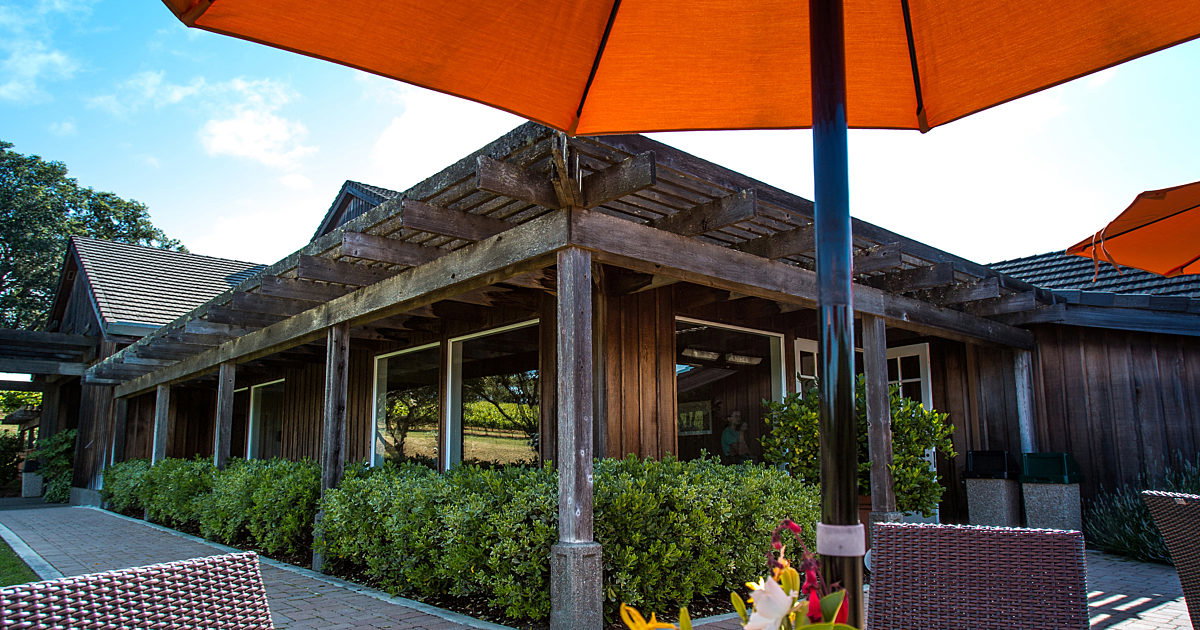
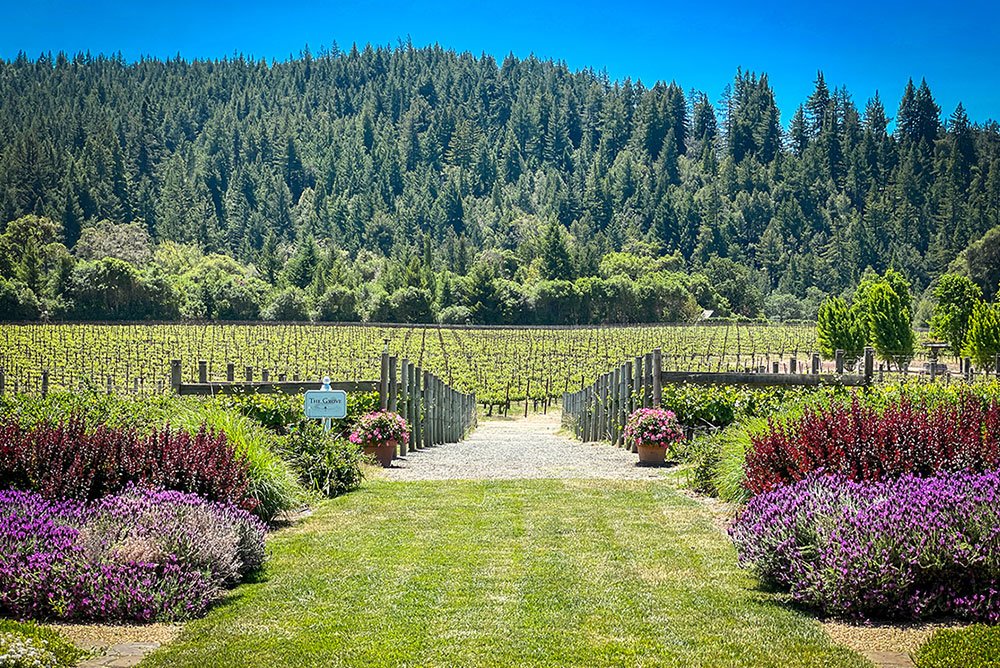
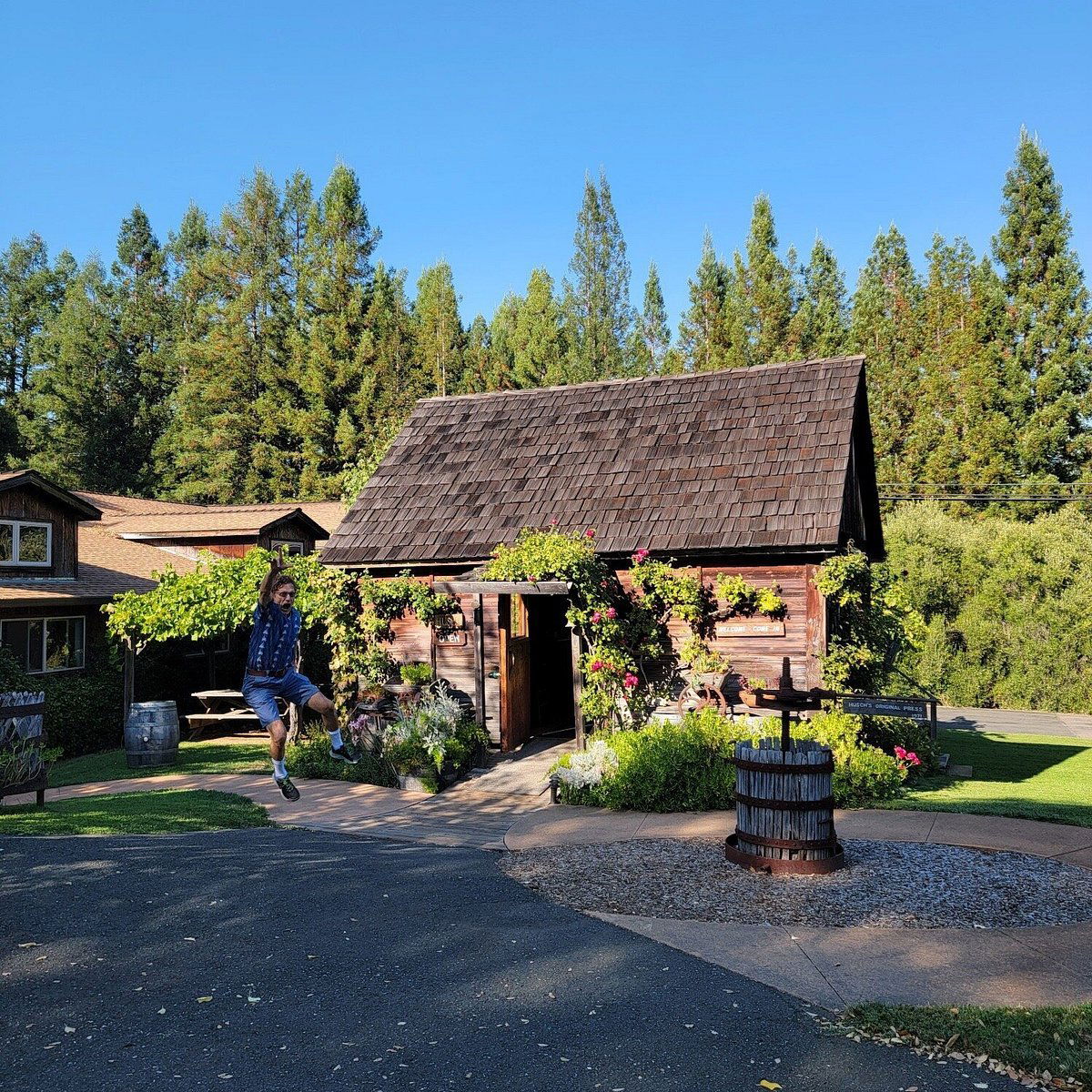
Charming, flower-bedecked historic tasting room with rustic grounds and picnic areas creating a relaxed, leisurely afternoon atmosphere among vineyards.
Tags
Vibe
Best For
Experience
Sourcing
View
At the Vineyard
- Appellation
- Anderson Valley
- Varietals
- Pinot Noir, Chardonnay, Gewurztraminer, Sauvignon Blanc, Chenin Blanc
- Tour Duration
- self-guided
- Tour Languages
- English
- Visits
- Walk-ins welcome
- Farming
- Regenerative
- Wine Styles
- Still Red, Still White
- Food Pairing
- Offered
- Shipping
- Available
- Wine Club
- Available
Know before you go
Know Before You Go
- Getting there
- 4400 CA-128, Philo, CA 95466
Planning details
Location
Also consider
Also Consider
- Roederer Estate, Notable alternative
- Handley Cellars, Notable alternative
- Lazy Creek Vineyards, Notable alternative
- Lula Cellars, Notable alternative
- Navarro Vineyards, Notable alternative
Winery context
How Husch Vineyards compares in Philo
Husch Vineyards is the practical choice if you want a recognized Anderson Valley stop without making the day feel overbuilt. Roederer Estate is the more obvious cross-shop for visitors prioritizing sparkling wine and a more established destination feel, while Husch Vineyards is better for a quieter, route-friendly Philo stop.
Handley Cellars and Navarro Vineyards are the safer comparisons for travelers who want a fuller Anderson Valley tasting plan with broader name recognition. Choose Husch Vineyards when the goal is a focused stop; choose Handley Cellars or Navarro Vineyards when the day needs a more obviously structured winery anchor.
Lazy Creek Vineyards and Lula Cellars make sense as backups or second stops if timing gets tight. For value, the deciding factor is not a published price here; it is whether you want to spend limited Philo time on a concise, credible visit rather than chase more appointments than the valley comfortably supports.
Explore Philo
Around this place
Discover more on Pearl
Unlock the full Husch Vineyards guide in Pearl, including awards, comparisons, FAQs, planning details, and nearby places.
Compare Husch Vineyards
| Venue | Location | Awards |
|---|---|---|
| Husch Vineyards | Philo | No published awards |
| Roederer Estate | Philo | 2026 Falstaff Winery Guide2025 Pearl 3 Star Prestige |
| Handley Cellars | Philo | No published awards |
| Lazy Creek Vineyards | Philo | No published awards |
| Lula Cellars | Philo | No published awards |
| Navarro Vineyards | Philo | No published awards |


How Husch Vineyards Philo compares with similar nearby venues.
FAQ
Frequently Asked Questions
Can Husch Vineyards handle large groups?
Group capacity is something to confirm directly if you are planning for more than a small party. Roederer Estate or Handley Cellars can be useful comparison points while you check current details with each venue.
What specific offering is Husch Vineyards known for?
If your visit depends on finding a particular item, format, or style, confirm the current details directly with Husch Vineyards before you go. Navarro Vineyards can also be a useful comparison point when planning a broader visit.
Are any club terms or benefits for Husch Vineyards?
Club terms and benefits should be confirmed directly with Husch Vineyards. The grounded reasons to keep it on your radar are its Philo location, casual dress code, and 2025 Pearl 2 Star Prestige recognition. Lazy Creek Vineyards, Lula Cellars, and Navarro Vineyards can be useful comparison points while you decide how to structure the day.
Do I need a reservation at Husch Vineyards?
If your schedule is tight, confirm current access and timing directly with Husch Vineyards before committing. You can also compare the day's pace with Handley Cellars or Lazy Creek Vineyards while building your plan.
How long should I plan for a visit to Husch Vineyards?
Plan conservatively and confirm current expectations with Husch Vineyards. If you are comparing multiple stops, leave enough flexibility to include options such as Roederer Estate or Navarro Vineyards without rushing.