
Goldeneye Winery
Philo
Winery in Philo, United States
 Book with Pearl
The Read
Fog-Belt Pinot Precision
Price
$20–30tasting
Why go
Goldeneye Winery is the Philo pick to prioritize when the day is built around a serious Anderson Valley tasting rather than a casual drop-in route. It makes the strongest case for visitors who value recognition and a planned experience; if flexibility or low-effort access matters more, compare other Philo wineries before committing.
About Goldeneye Winery
Goldeneye Winery is a Philo winery with Pearl 2 Star Prestige recognition for 2025 and a smart casual dress code.
A Philo anchor for a tighter itinerary
Goldeneye Winery is in Philo, making it a natural candidate to consider when shaping a winery itinerary. The confirmed signals here are its 2025 Pearl 2 Star Prestige recognition and smart casual dress code.
The value case should therefore be judged conservatively. If your decision depends on exact pricing, service format, food availability, shipping, or other operational details, confirm those directly before planning around the stop. If your priority is a Philo winery with a clearly confirmed recognition signal, Goldeneye Winery belongs on the shortlist.
Who should prioritize it, and who should cross-shop
Prioritize Goldeneye Winery if the trip is centered on visiting a recognized Philo winery and you are comfortable confirming practical details before you go. Cross-shop if your group needs specific logistics such as exact timing, group policies, food service, or other visit requirements.
For a wider area plan, compare Goldeneye Winery with Long Meadow Ranch (Anderson Valley), Phillips Hill Winery, Weatherborne Wine, Wentworth Vineyard & Ranch, and Witching Stick Wines. For trip planning beyond tastings, you can also use Our full Philo restaurants guide and other Philo planning resources.
If the decision is whether Goldeneye Winery is worth considering, the grounded answer is yes for travelers looking for a recognized winery in Philo. For a looser itinerary, compare it with other regional options and confirm current visit details directly before making it the center of the day.
Quick reference: Goldeneye Winery is a Philo winery with Pearl 2 Star Prestige recognition for 2025 and a smart casual dress code.
Planning details
- Location
- 9200 CA-128, Philo, CA 95466
- Website
- goldeneyewinery.com
- Phone
- +1 707-895-3202
The take
The Take
The Vibe
Goldeneye presents as a focused, sophisticated estate that champions cool‑climate Pinot Noir and measured winemaking. The copy foregrounds viticulture—soil health, vine stress management and sustainable farming—as the driving practice, and it frames the winery as part of Anderson Valley’s counterpoint to warmer California styles. Praise for "winemaking discipline" and a Pearl 2 Star Prestige recognition underline an artisanal seriousness rather than flash. Visitors encounter a place defined by restraint, terroir-driven tension and a classic sensibility that rewards attention to nuance over brute ripeness.
Best For
Goldeneye is best for wine-focused visitors who want to study cool‑climate Pinot Noir and for travelers drawn to Anderson Valley’s distinct terroir. The profile emphasizes vineyard practice and regional identity, making it a strong stop for anyone interested in viticulture, sustainability and the stylistic contrasts between coastal and warmer‑climate California wines. Its Prestige recognition signals bottles for enthusiasts seeking structured, elegant Pinots rather than blockbuster fruit bombs, and the roadside location along CA‑128 suits scenic drives that center tasting stops as the day’s activity.
Tasting Tips
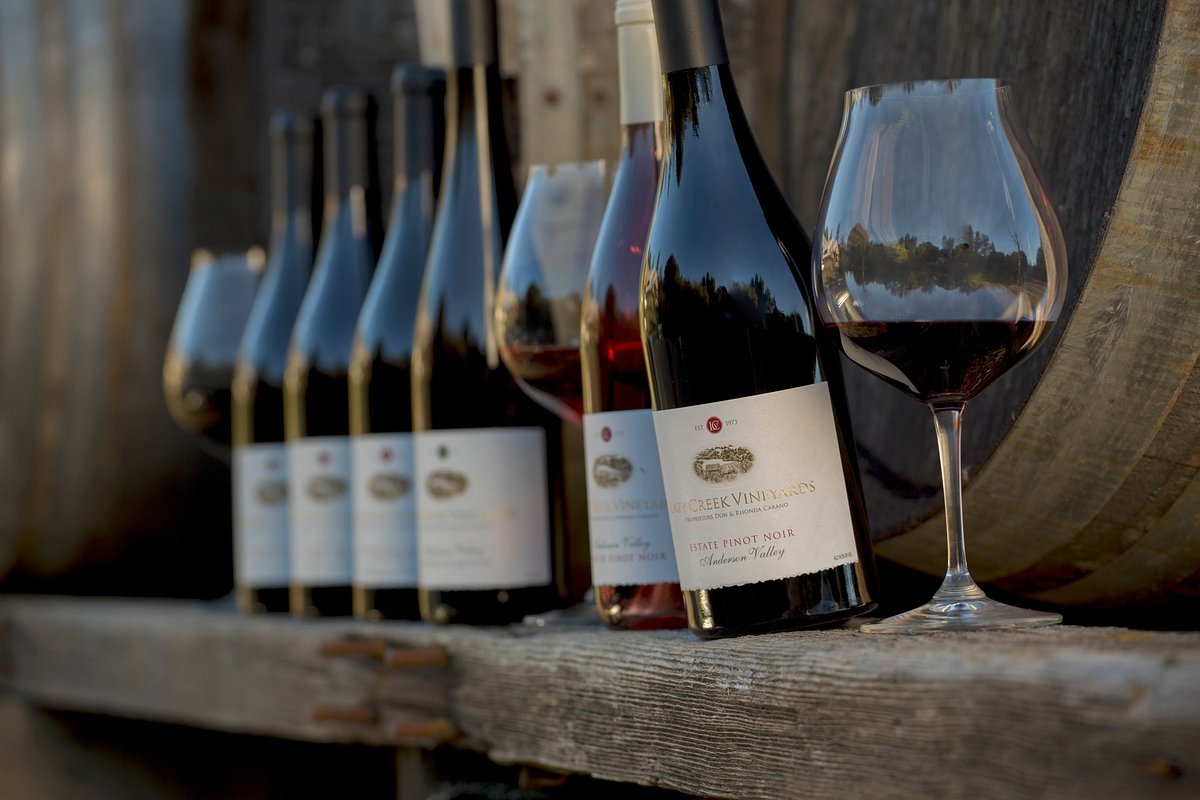
When tasting at Goldeneye, center your attention on the Pinot Noir lineup and wines that explicitly reference estate or Anderson Valley sourcing—the copy stresses cool‑climate expression and the structural tension that defines the house style. Note the winery’s Pearl 2 Star Prestige recognition as a marker of disciplined, site-driven bottlings. Approach flights with an eye toward comparisons between warmer and cooler California expressions to appreciate how extended hang time and marine influence shape acidity, tannin and aromatic detail.
Venue details
Ambiance
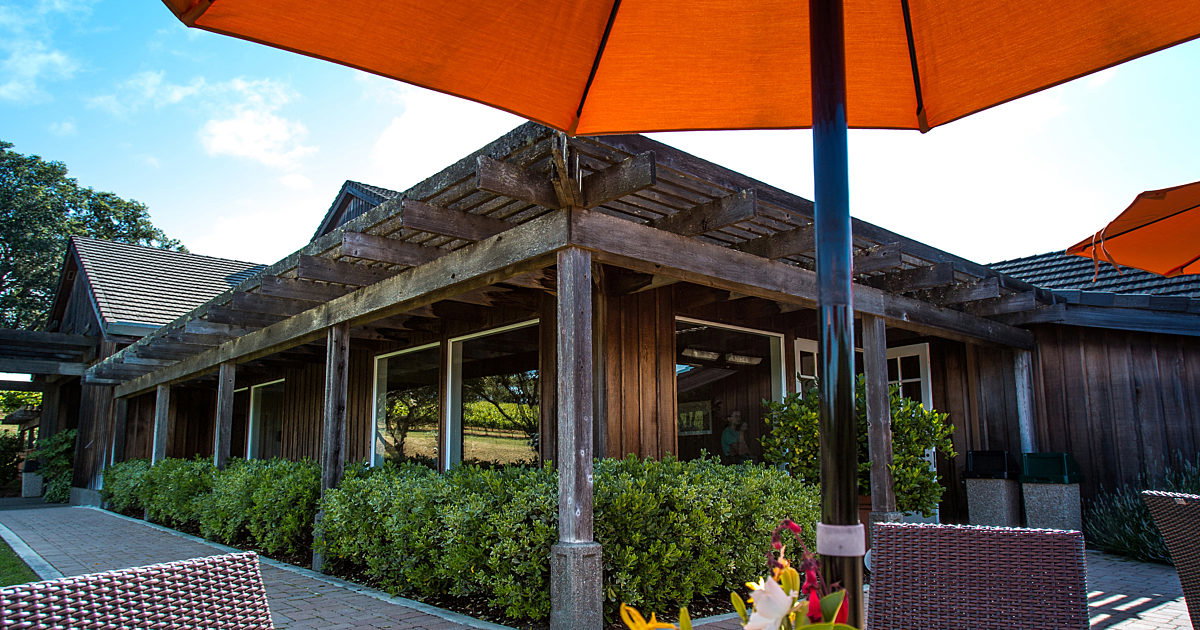
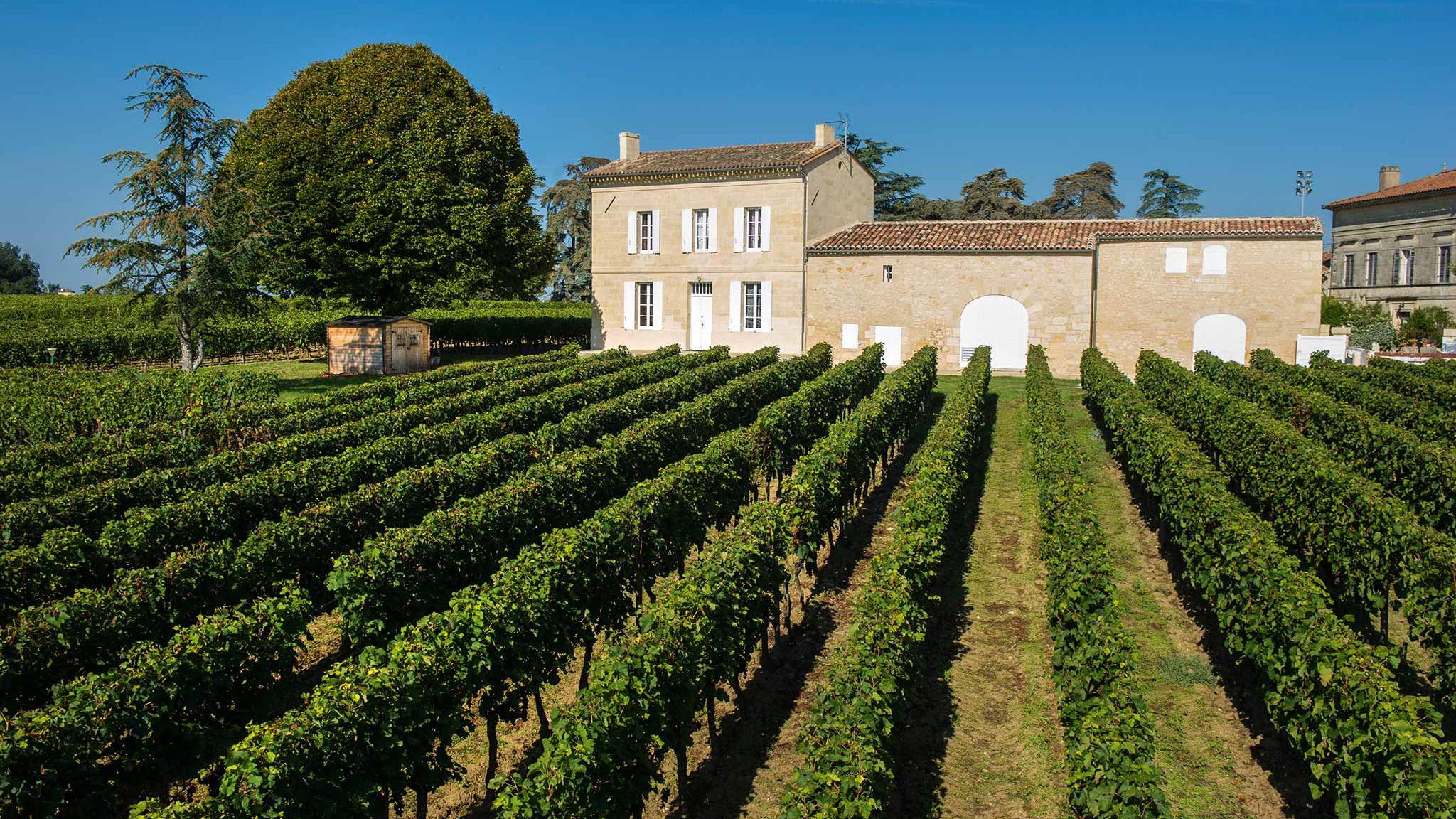
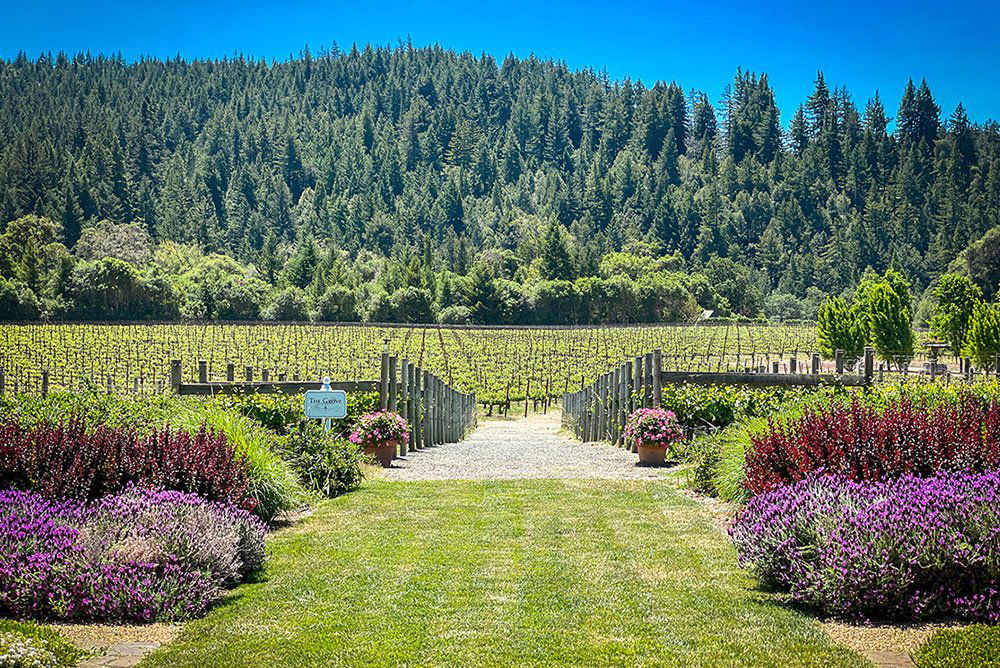
Relaxed and elegant with comfortable patio seating overlooking picturesque vineyards and natural surroundings.
Tags
Vibe
Best For
Experience
Sourcing
View
At the Vineyard
- Appellation
- Anderson Valley
- Varietals
- Pinot Noir
- Tour Duration
- 60 minutes
- Visits
- By reservation
- Farming
- Sustainable
- Wine Styles
- Still Red
- Food Pairing
- Offered
- Wine Club
- Available
Know before you go
Know Before You Go
- Getting there
- 9200 CA-128, Philo, CA 95466
Planning details
Location
Recognition and awards

Also consider
Also Consider
- Wentworth Vineyard & Ranch, Notable alternative
- Long Meadow Ranch (Anderson Valley), Notable alternative
- Phillips Hill Winery, Notable alternative
- Weatherborne Wine, Notable alternative
- Witching Stick Wines, Notable alternative
Winery context
How it compares in Philo
Goldeneye Winery is the higher-commitment choice in this Philo group: plan it first if the goal is a more polished, recognition-led tasting day. Wentworth Vineyard & Ranch and Long Meadow Ranch (Anderson Valley) are better cross-shops for visitors who want a broader ranch or valley feel, while Goldeneye is the stronger fit when the wine appointment itself is the priority.
If access is the deciding factor, keep alternatives ready. Phillips Hill Winery, Weatherborne Wine, and Witching Stick Wines are the names to compare if Goldeneye Winery is difficult to schedule or if the group wants a less formal Philo tasting run. For value, the practical question is not which is cheapest, since confirmed tasting prices are not available here; it is whether the group wants to spend its limited Anderson Valley time on a prestige-led anchor or spread the day across multiple smaller stops.
Explore Philo
Around this place
Discover more on Pearl
Unlock the full Goldeneye Winery guide in Pearl, including awards, comparisons, FAQs, planning details, and nearby places.
Compare Goldeneye Winery
| Venue | Location | Awards |
|---|---|---|
| Goldeneye Winery | Philo | 2026 Falstaff Winery Guide |
| Wentworth Vineyard & Ranch | Philo | No published awards |
| Long Meadow Ranch (Anderson Valley) | Philo | No published awards |
| Phillips Hill Winery | Philo | No published awards |
| Weatherborne Wine | Philo | No published awards |
| Witching Stick Wines | Philo | No published awards |
How Goldeneye Winery Philo compares with similar nearby venues.
FAQ
Frequently Asked Questions
Is there wine-club information for Goldeneye Winery?
There is not enough information here to judge any wine club or specific membership value. Goldeneye Winery does have Pearl 2 Star Prestige recognition for 2025, but any club pricing, benefits, shipment details, and commitment terms should be confirmed directly before joining.
What other wineries can I compare with Goldeneye Winery?
For comparison planning, consider Long Meadow Ranch (Anderson Valley), Phillips Hill Winery, Weatherborne Wine, Wentworth Vineyard & Ranch, and Witching Stick Wines. Keep the comparison practical: confirm each winery's current visit details before building an itinerary around multiple stops.
Do I need a reservation at Goldeneye Winery?
Reservation requirements should be confirmed directly before you go. If Goldeneye Winery is important to your Philo plans, confirm current booking or walk-in policies directly before you go.
Does Goldeneye Winery serve food?
If food is important to the trip, plan separately in Philo and confirm directly with Goldeneye Winery before assuming any on-site dining or pairing options.