FEL Wines
Philo
Winery in Philo, United States
 Book with Pearl
The Read
Marine-Climate Pinot Precision
Why go
FEL Wines is worth prioritizing if the visit is about assessing the wines seriously, especially with a club or allocation decision in mind. It is less useful for groups looking for food, a flexible walk-in stop, or a broad estate-style outing, so plan early and keep a backup winery on the itinerary.
About FEL Wines
FEL Wines is a Yountville venue with daily hours of 10 AM–5 PM and a casual dress code. The safest way to plan is to confirm current visit details directly before building a day around it. Its clearest recognition is Pearl 2 Star Prestige for 2025, giving the venue a defined point of distinction.
Use the daily hours as the anchor: FEL Wines is open 10 AM–4 PM every day of the week, so it is best considered within a daytime Philo itinerary. Before you go, check directly on food, specific tasting formats, pricing, reservations, and group policies, especially if you are coordinating multiple stops or building a schedule with limited flexibility.
Book around the essentials, not assumptions
The useful facts are direct: FEL Wines is in Philo, keeps daily 10 AM–4 PM hours, has a casual dress code, and holds Pearl 2 Star Prestige recognition for 2025. Those details establish it as a daytime Philo stop. In practical terms, build a simple plan: know where it fits geographically, know the daily time window, dress casually, and treat the recognition as its clearest listed distinction.
For that reason, avoid planning around assumptions. If food, a chef-led program, a price point, or a signature item matters to the visit, check directly with FEL Wines before committing the rest of the day. That extra step is especially important if the visit depends on a meal, a precise tasting structure, a budget expectation, or any arrangement involving more than a simple stop during posted hours. For a broader Philo plan, nearby research can start with the guides for Philo wineries and Philo restaurants.
Plan for limited public detail: confirm before you go
The main planning friction is uncertainty around details beyond hours, dress code, location, and recognition. Treat the 10 AM–4 PM schedule as the reliable planning frame, then confirm anything more detailed directly with the venue. That includes reservations, visit structure, group size, and any food or hospitality details. Put another way, the essential information is helpful but narrow: it can tell you when FEL Wines is generally available and how formal the dress code is, while the finer points of a visit still call for a direct check.
The verdict: consider FEL Wines if a daytime Philo stop with casual dress and 2025 Pearl 2 Star Prestige recognition fits your plans. It is a stronger fit for travelers who are comfortable checking the remaining details themselves and who are not relying on specific amenities to make the stop worthwhile. Choose another option if your decision depends on meals, a particular format, a featured item, or a specific reservation setup. Travelers comparing other venues may also look at Baldacci Family Vineyards, Cliff Lede Vineyards, Kapcsandy Family Winery, Lewis Cellars, or Silverado Vineyards without assuming they are part of the same Philo setting.
Planning details
- Location
- 1473 Yountville Cross Rd, Yountville, CA 94599
- Website
- felwines.com/contact-us
- Phone
- (707) 944-8642
The take
The Take
The Vibe
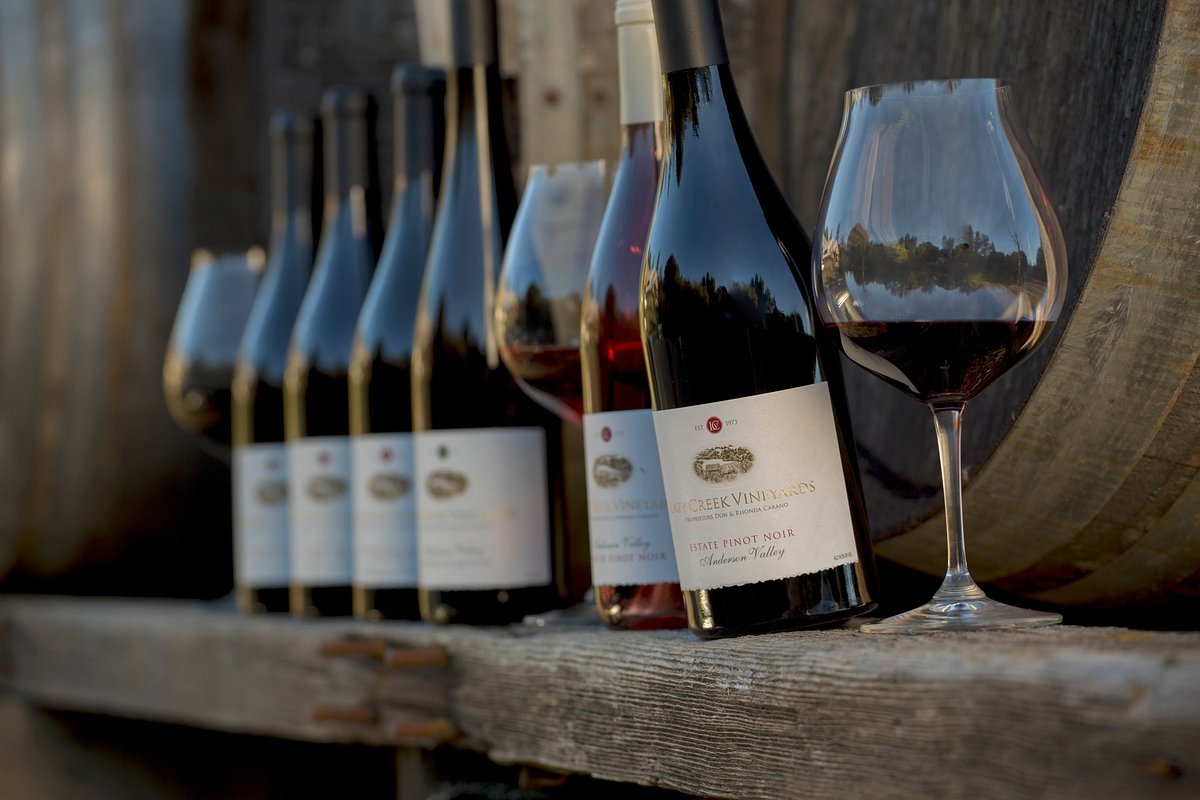
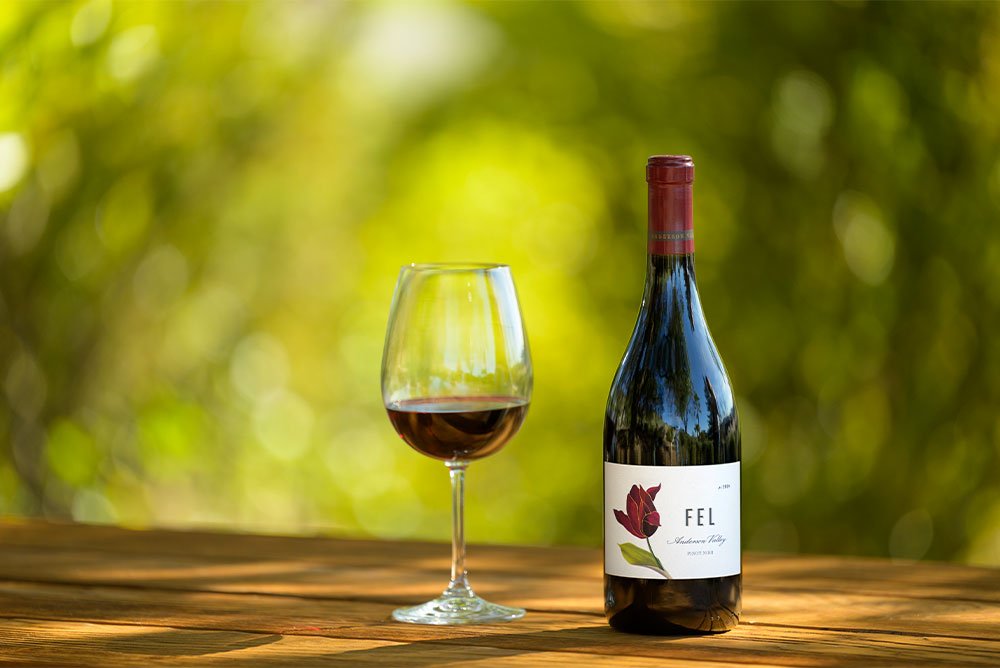
FEL Wines embodies Anderson Valley’s cool-climate character with a deliberate, restrained temperament. The approach is quietly confident: redwood-shaded roads and benchland vineyards set a serene backdrop, and morning fog that lingers into midday underscores a slower rhythm of farming. The estate’s stylistic restraint—leaner fruit, higher natural acidity and an affinity with Burgundian textures—reads as sophisticated rather than showy. Small production and site-focused sourcing place FEL among premium peers, so tastings feel focused and contemplative, appealing to visitors who appreciate terroir-driven pinot noir and chardonnay in a calm, rural setting.
Best For
FEL Wines is best for wine-focused visits—people who come to study cool-climate viticulture, taste site-specific expressions and compare restrained Pinot Noir and Chardonnay. The tasting experience suits solo explorers and collectors seeking quiet, educational encounters as well as couples or groups marking a special occasion with a thoughtfully made bottle. Critics and dedicated enthusiasts will value the producer’s Pearl 2 Star Prestige recognition and the region’s clear commitment to patience and site selection. Visits reward those who arrive ready to assess nuance rather than volume-driven fruit.
Tasting Tips
Prioritize cool-climate varieties when you taste—Pinot Noir and Chardonnay take center stage here, and the copy highlights their aromatic intensity and structural acidity. Ask about named hillside or bench sites and seek out small-production or prestige bottlings (the 2025 Pearl 2 Star Prestige is mentioned as a marker of the producer’s standing). Time visits later in the morning or around midday if you want the fog to lift and to appreciate the full sun-soaked aromatics. Frame your tasting as comparative and site-oriented to get the most from FEL’s restrained style.
Venue details
Ambiance
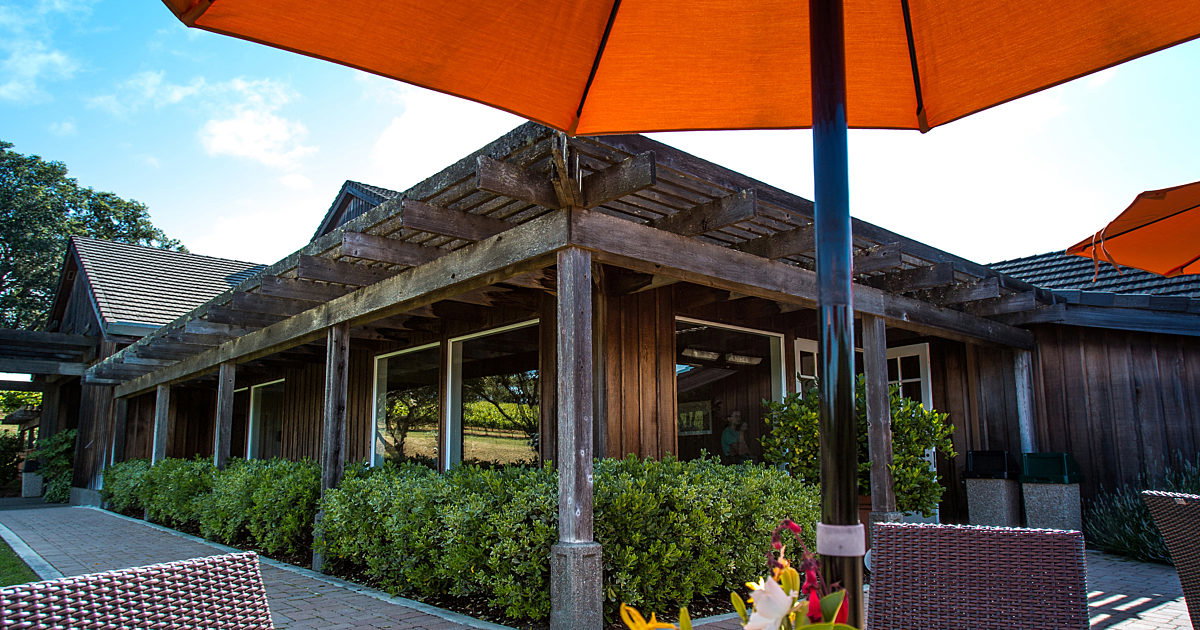
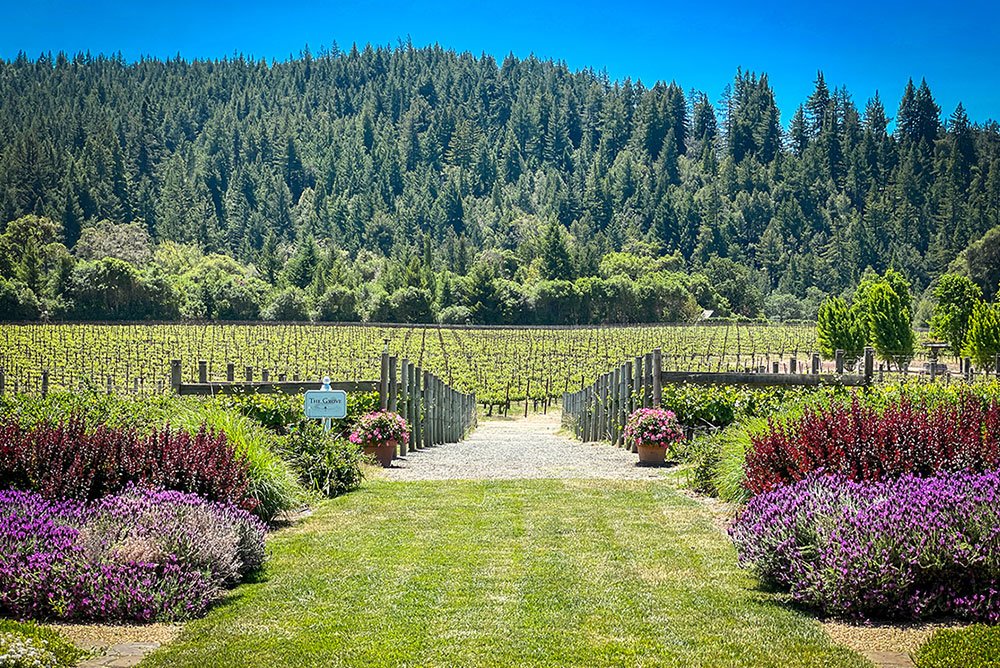
Rustic and scenic with a serene, contemplative atmosphere amid coastal redwoods and rolling hills.
Tags
Vibe
Best For
Experience
Sourcing
View
At the Vineyard
- Appellation
- Anderson Valley
- Varietals
- Pinot Noir, Chardonnay
- Tour Duration
- 60-90 minutes
- Visits
- By reservation
- Farming
- Sustainable
- Production
- Small producer
- Wine Styles
- Still Red, Still White
- Wine Club
- Available
Know before you go
Know Before You Go
- Getting there
- 1473 Yountville Cross Rd, Yountville, CA 94599
Planning details
Location
Also consider
Also Consider
- Cliff Lede Vineyards, Notable alternative
- Kapcsandy Family Winery, Notable alternative
- Lewis Cellars, Notable alternative
- Baldacci Family Vineyards, Notable alternative
- Silverado Vineyards, Notable alternative
Winery context
How FEL Wines compares with nearby Napa winery options
Choose FEL Wines when the priority is a quieter, wine-first tasting with a membership decision in mind. Cliff Lede Vineyards is the more obvious choice for visitors who want a larger Napa itinerary feel, while Kapcsandy Family Winery is a stronger cross-shop for serious collectors who care more about producer focus than broad hospitality.
Lewis Cellars and Baldacci Family Vineyards make more sense as backups if access is the concern. For travelers who want an easier estate stop with a more classic Napa setup, Silverado Vineyards is the safer comparison point. FEL Wines is the better pick only when the visit is meant to answer whether the wines deserve repeat buying attention.
Explore Philo
Around this place
Discover more on Pearl
Unlock the full FEL Wines guide in Pearl, including awards, comparisons, FAQs, planning details, and nearby places.
Compare FEL Wines
| Venue | Location | Awards |
|---|---|---|
| FEL Wines | Philo | No published awards |
| Cliff Lede Vineyards | Yountville | No published awards |
| Kapcsandy Family Winery | Napa | 2026 Falstaff Winery Guide2025 Pearl 4 Star Prestige |
| Lewis Cellars | Napa | No published awards |
| Baldacci Family Vineyards | Napa | No published awards |
| Silverado Vineyards | Napa | 2026 Falstaff Winery Guide |


How FEL Wines Philo compares with similar nearby venues.
FAQ
Frequently Asked Questions
Can FEL Wines handle large groups?
If you are planning for more than a small party, contact FEL Wines directly before visiting.
When is the best time to visit FEL Wines?
FEL Wines is open daily 10 AM–4 PM. Choose a time within that window and confirm any reservation or visit requirements directly with the venue before you go.
What recognition does FEL Wines have?
FEL Wines has Pearl 2 Star Prestige recognition for 2025.
What other venues can I compare with FEL Wines?
Other comparison options include Cliff Lede Vineyards, Kapcsandy Family Winery, Lewis Cellars, Baldacci Family Vineyards, and Silverado Vineyards. Do not assume they are all in Philo; use them as broader venue comparisons.
What should I confirm before visiting FEL Wines?
Confirm reservations, visit format, group policies, food availability, and other current hospitality details.