

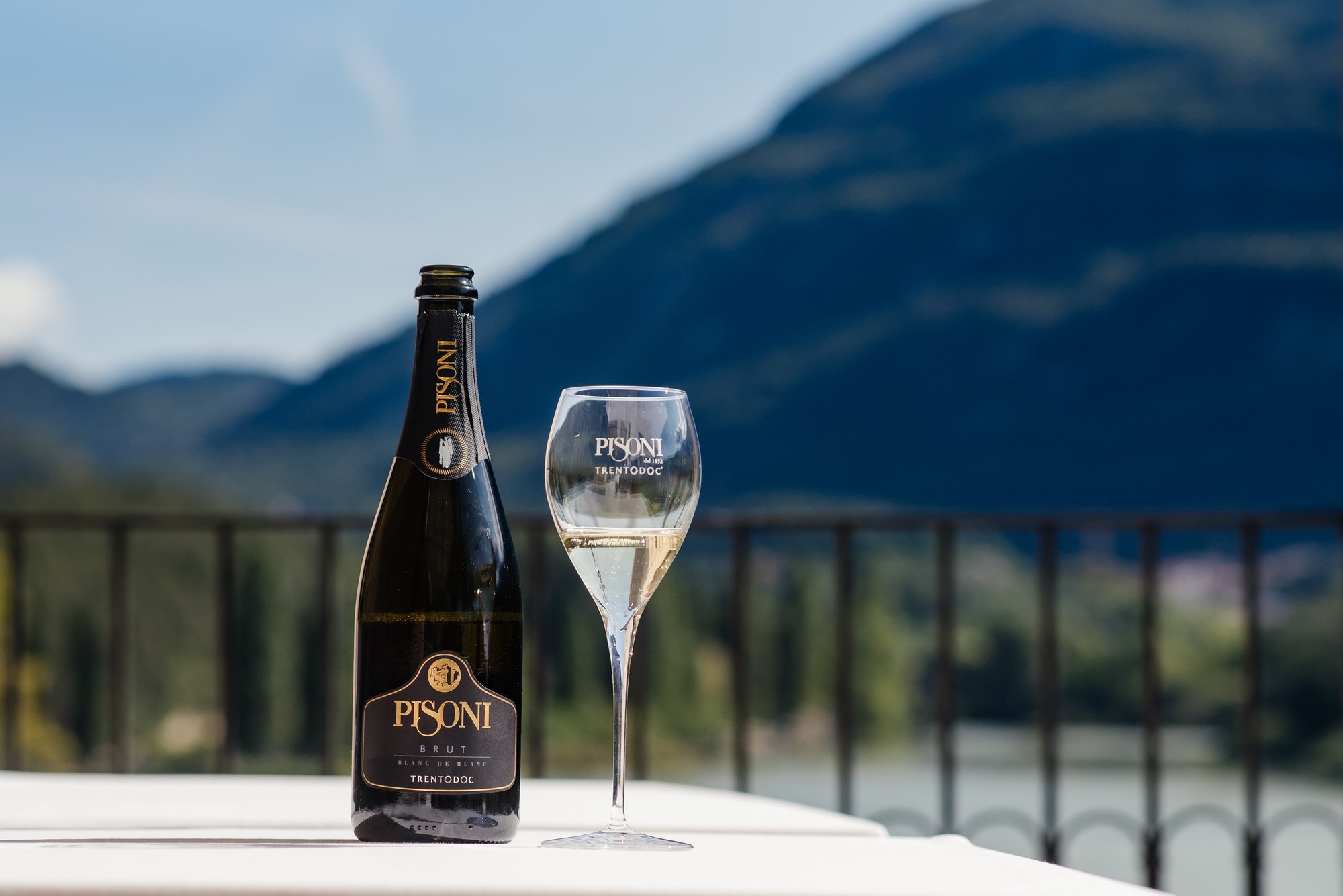
Distilleria Pisoni
Pergolese, Pergolese (Trento)
Winery in Pergolese (Trento), Italy
 Book with Pearl
The Read
Nosiola Pomace Distillation
Why go
Distilleria Pisoni is worth targeting if your Trentino plan is built around spirits rather than another winery stop. Treat it as a specialist visit in Pergolese: arrange timing early, keep the group small, and have nearby alternatives ready if availability is tight.
About Distilleria Pisoni
Distilleria Pisoni is a venue in Pergolese (Trento) with a smart casual dress code and Pearl 2 Star Prestige recognition for 2025. Plan ahead by confirming the visit format, menu, timing, and any reservation requirements directly with the venue.
For itinerary planning, keep the focus narrow and factual. Distilleria Pisoni can be considered alongside comparison names such as Distilleria Bertagnolli, Distilleria Marzadro, Distilleria Segnana, Ferrari, and Foradori, and it is best to confirm hours, pricing, capacity, services, and any specific program before making plans.
Plan it with confirmed details only
The essentials are simple: the venue is Distilleria Pisoni in Pergolese (Trento), the dress code is smart casual, and it holds Pearl 2 Star Prestige recognition for 2025. For anything more specific, including reservation requirements, visitor format, food or drink offerings, group capacity, or timing, confirm directly with the venue.
This makes the safest planning approach a conservative one. Dress smart casual, confirm practical arrangements directly, and avoid building a tight itinerary around opening times or services until you have current details. If you need a visit with clearly published infrastructure, compare current information from other venues before committing your schedule.
Who should choose it over another regional name
Choose Distilleria Pisoni if you specifically want to include this Pergolese (Trento) venue in your route and are comfortable confirming details directly. Ferrari, Foradori, Distilleria Marzadro, Distilleria Segnana, and Distilleria Bertagnolli may be useful comparison points for broader planning.
The verdict: Distilleria Pisoni is worth considering for travelers who value its Pearl 2 Star Prestige 2025 recognition and can plan around limited public detail. For meals, services, timing, pricing, accessibility, or group arrangements, rely on direct confirmation rather than assumptions.
Planning details
- Location
- Via S. Siro, 7, 38076 Pergolese TN
- Website
- pisoni.it
- Phone
- +39 0461 564106
The take
The Take
The Vibe
Distilleria Pisoni sits quietly within the Val di Non corridor, where Alpine altitude and a short growing season shape the character of the marc. The write-up frames the place less as a showpiece and more as part of the agricultural fabric: functional buildings, proximity to grape sources and an unassuming approach that does not advertise itself from the road. The result feels like a rural, contemplative stop on a regional producer map — a place where landscape and process are the first things you notice, and the spirit on the bottle reads like a direct expression of place.
Best For
Pisoni is best for visitors who are curious about terroir-driven distillation and regional variety rather than for those seeking city-centre convenience. The description emphasizes Trentino’s specific distillation geography and local grapes such as Nosiola and Teroldego, so it rewards people interested in comparative tasting and producer context. Because the distillery sits in a working-farm landscape away from major hubs, it suits travelers building a slow, region-wide itinerary — pairing the visit with other Adige valley producers or nearby agricultural estates.
Tasting Tips
Plan the logistics before you go: the distillery is set on Via S. Siro in a rural part of Pergolese and is not near a major rail hub, so access requires advance thought. The narrative repeatedly recommends combining a visit here with the broader Adige valley wine circuit or nearby apple‑growing estates, which makes multi-stop routing sensible. Expect a quiet, agricultural setting rather than a tourist precinct; build time into your schedule for travel and for absorbing the landscape context that shapes the spirits made here.
Venue details
Ambiance
Heritage-focused atmosphere in a centuries-old family farmstead with modern facilities, featuring rock-carved cellars maintaining natural 10-12°C temperatures for wine maturation.
Tags
Vibe
Best For
Experience
Sourcing
View
At the Vineyard
- Appellation
- Trento DOC
- Varietals
- Chardonnay, Pinot Nero, Cabernet Franc, Cabernet Sauvignon, Teroldego
- Tour Duration
- 1 hour
- Visits
- By appointment only
- Farming
- Organic
- Wine Styles
- Sparkling, Still Red
- Shipping
- Available
- Wine Club
- Not available
Know before you go
Know Before You Go
- Getting there
- Via S. Siro, 7, 38076 Pergolese TN
Planning details
Location
Also consider
Also Consider
- Ferrari, Notable alternative
- Distilleria Segnana, Notable alternative
- Distilleria Marzadro, Notable alternative
- Foradori, Notable alternative
- Distilleria Bertagnolli, Notable alternative
Winery context
How It Compares
Distilleria Pisoni is the specialist pick for travelers who want a spirits-led stop in Pergolese rather than a broad wine-country visit. Ferrari is the stronger choice for a polished Trentino sparkling-wine itinerary, while Foradori makes more sense if the day is centered on wine rather than distillation.
For a distillery-focused route, cross-shop it with Distilleria Segnana, Distilleria Marzadro, and Distilleria Bertagnolli. Distilleria Marzadro is the easier recommendation for visitors who want a bigger-name distillery stop; Distilleria Pisoni is better for travelers prioritizing a quieter, more specific Pergolese detour.
On value, the main question is not price, since confirmed pricing is not listed; it is planning effort. If availability is tight, Ferrari or Foradori will usually be easier to anchor into a broader Trentino day. If the purpose is grappa and local distilling tradition, keep Distilleria Pisoni high on the list and build the rest of the route around it.
Explore Pergolese (Trento)
Around this place
Discover more on Pearl
Unlock the full Distilleria Pisoni guide in Pearl, including awards, comparisons, FAQs, planning details, and nearby places.
Compare Distilleria Pisoni
| Venue | Location | Awards |
|---|---|---|
| Distilleria Pisoni | Pergolese (Trento) | No published awards |
| Ferrari | Trento | 2026 Falstaff Winery Guide2022 World's 50 Best Vineyards · #11 |
| Distilleria Segnana | Trento | No published awards |
| Distilleria Marzadro | Nogaredo | No published awards |
| Foradori | Mezzolombardo | 2026 Falstaff Winery Guide |
| Distilleria Bertagnolli | Mezzocorona | No published awards |


How Distilleria Pisoni Pergolese (Trento) compares with similar nearby venues.
FAQ
Frequently Asked Questions
Do I need a reservation at Distilleria Pisoni?
Reservation requirements should be confirmed directly. Distilleria Pisoni is in Pergolese (Trento) and has Pearl 2 Star Prestige recognition for 2025, but you should confirm booking and visit details directly with the venue.
Can Distilleria Pisoni handle large groups?
Group capacity should be confirmed directly. If you are planning to visit Distilleria Pisoni in Pergolese (Trento) with a group, confirm arrangements before you go.
Is there a flagship product at Distilleria Pisoni?
For product details, contact the venue directly. This guide confirms the venue, its Pergolese (Trento) location, its smart casual dress code, and its Pearl 2 Star Prestige 2025 recognition.