
Perelada
Empordà, Peralada
Winery in Peralada, Spain
 Book with Pearl
The Read
Pyrenees-to-Mediterranean Terroir
Price
$20–30tasting
Why go
Plan Perelada as a high-effort winery booking for a celebration or serious Girona-area wine day, not a casual add-on. Its 2025 recognition gives it real decision weight, but sparse public practical detail means travelers should treat timing, format, and availability as items to confirm before building the day around it.
About Perelada
In Peralada, Perelada stands out for Pearl 2 Star Prestige in 2025 and a #22 placement on World's 50 Best Vineyards in 2025. Check current visitor details through official channels before you build a day around it, including public hours, prices, tasting format, food service, and availability. The dress code is smart casual.
A prestige choice for a planned Peralada day
This is a better fit for travelers planning a Peralada stop than for anyone making assumptions about format, timing, or services. Use current official information as the main planning source, then pair it with our full Peralada restaurants guide, our full Peralada hotels guide, and other Peralada planning resources if the visit is part of a wider stay.
The practical verdict: Perelada is worth considering if major recognition matters to your itinerary. Confirm price, hours, visit format, food details, and service specifics directly before making plans. If your trip is already centered on Peralada, the 2025 recognition gives it a clear reason to be on the shortlist.
Where the appeal sits
The reason to prioritize Perelada is its external recognition. A World's 50 Best Vineyards #22 placement in 2025 gives it a benchmark that matters for travelers comparing notable venues, while Pearl 2 Star Prestige in 2025 adds another strong signal. Visit costs, available offerings, and visit style can change, so avoid building the day around specific services unless you have checked those details through the venue's own channels.
For broader planning, compare Perelada with Codorníu, Freixenet, Juvé & Camps, Raventós i Blanc, and Recaredo. Those names are useful for context, but they should not be treated as interchangeable Peralada stops; confirm geography, timing, and visit details separately for each venue.
Planning details
- Location
- 17491 Peralada, Girona
- Website
- perelada.com
The take
The Take
The Vibe
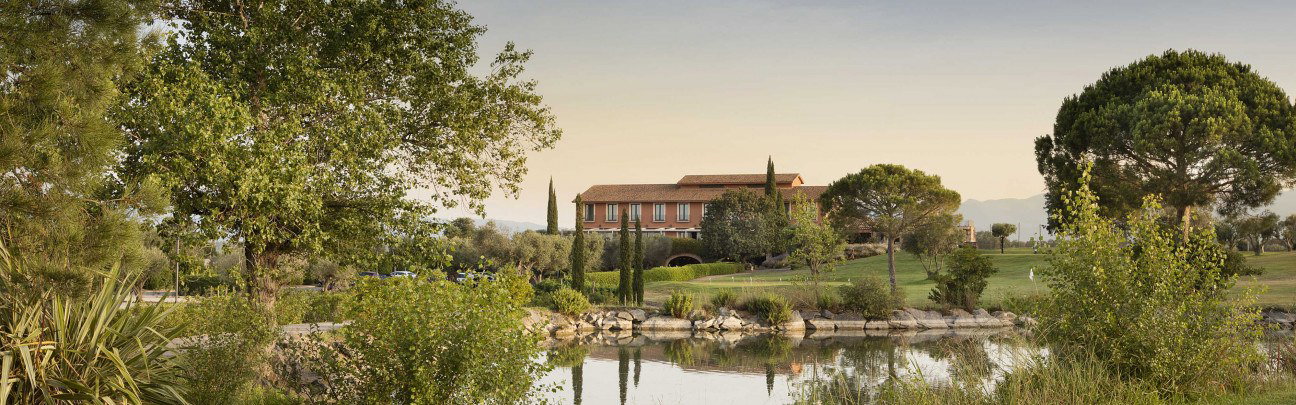
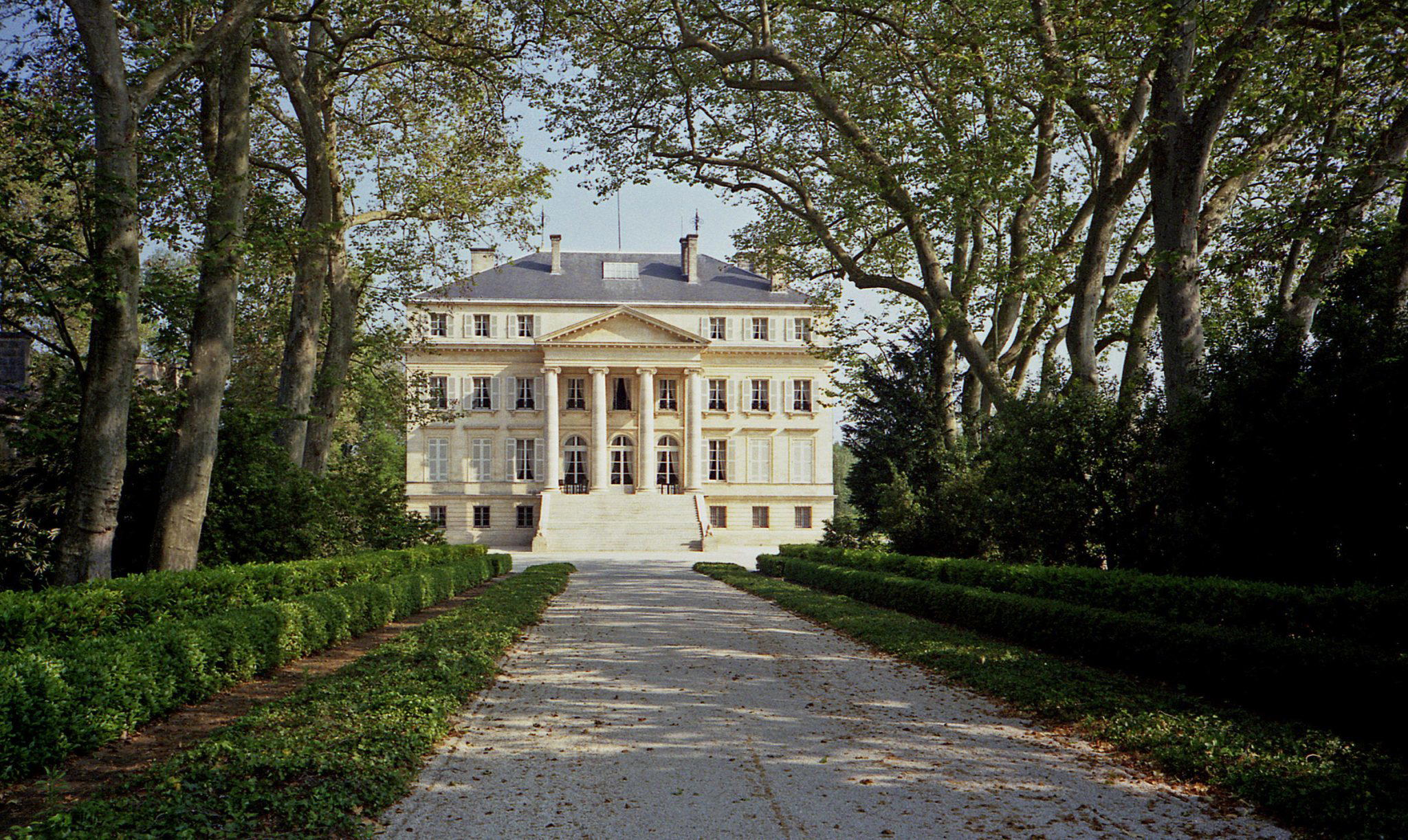
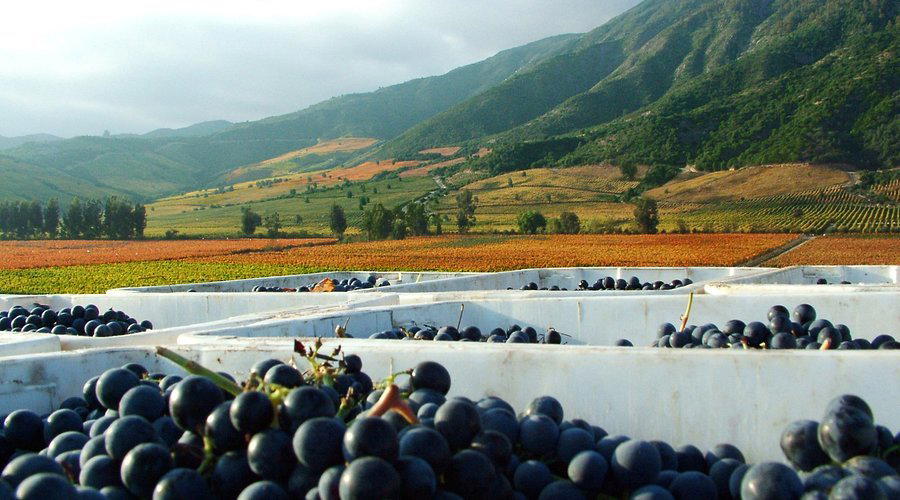
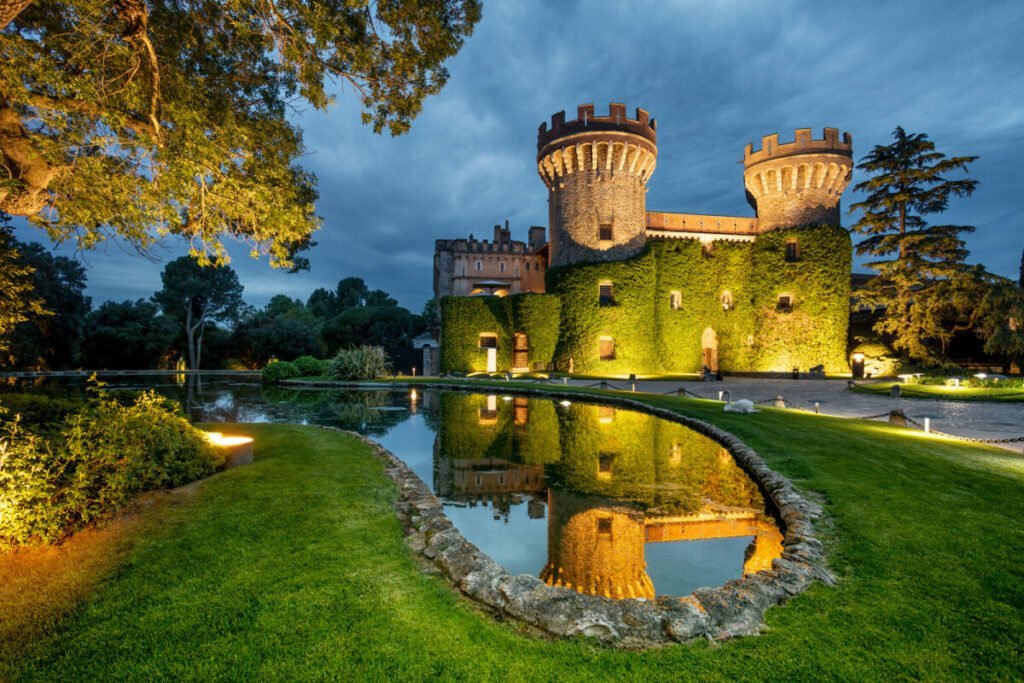
Perelada reads like a place where landscape and history conspire. The estate sits at the meeting point of the Pyrenees and the Mediterranean, where the tramuntana wind is as much a character as the sun; that dramatic siting shapes both vineyards and experience. On the ground, a medieval castle, the remains of a Carmelite convent and extensive gardens give the property an old-world, almost storybook quality. The overall impression is quietly romantic and classically charming: an historic estate where terroir, architecture and cultivated grounds are inseparable from the wines themselves.
Best For
Perelada is best for people who want to understand a wine region in context. The write-up emphasizes how climate, altitude and a patchwork of soils shape Empordà, so visits here reward curiosity about terroir, history and winemaking lineage. The estate’s medieval architecture and gardens also make it appealing for contemplative visits that pair landscape and learning rather than hurried tastings. In short, it’s a destination for educational explorations of place—guided tastings, cellar talks and estate-led discussions about Empordà’s long viticultural history.
Tasting Tips
When tasting Perelada’s wines, orient your choices around place-driven contrasts. The description highlights variable soils and altitude across coastal and inland parcels and the influence of the tramuntana wind, so prioritize flights or selections that showcase those differences rather than leaning only on single labels. Ask for explanations of which parcels or vintages reflect the coastal influence and which capture inland altitude; a guided tasting or estate-hosted commentary will illuminate how wind, granite, schist and clay translate into the wines’ character. Keep the focus on terroir and structure rather than varietal novelty.
Venue details
Ambiance
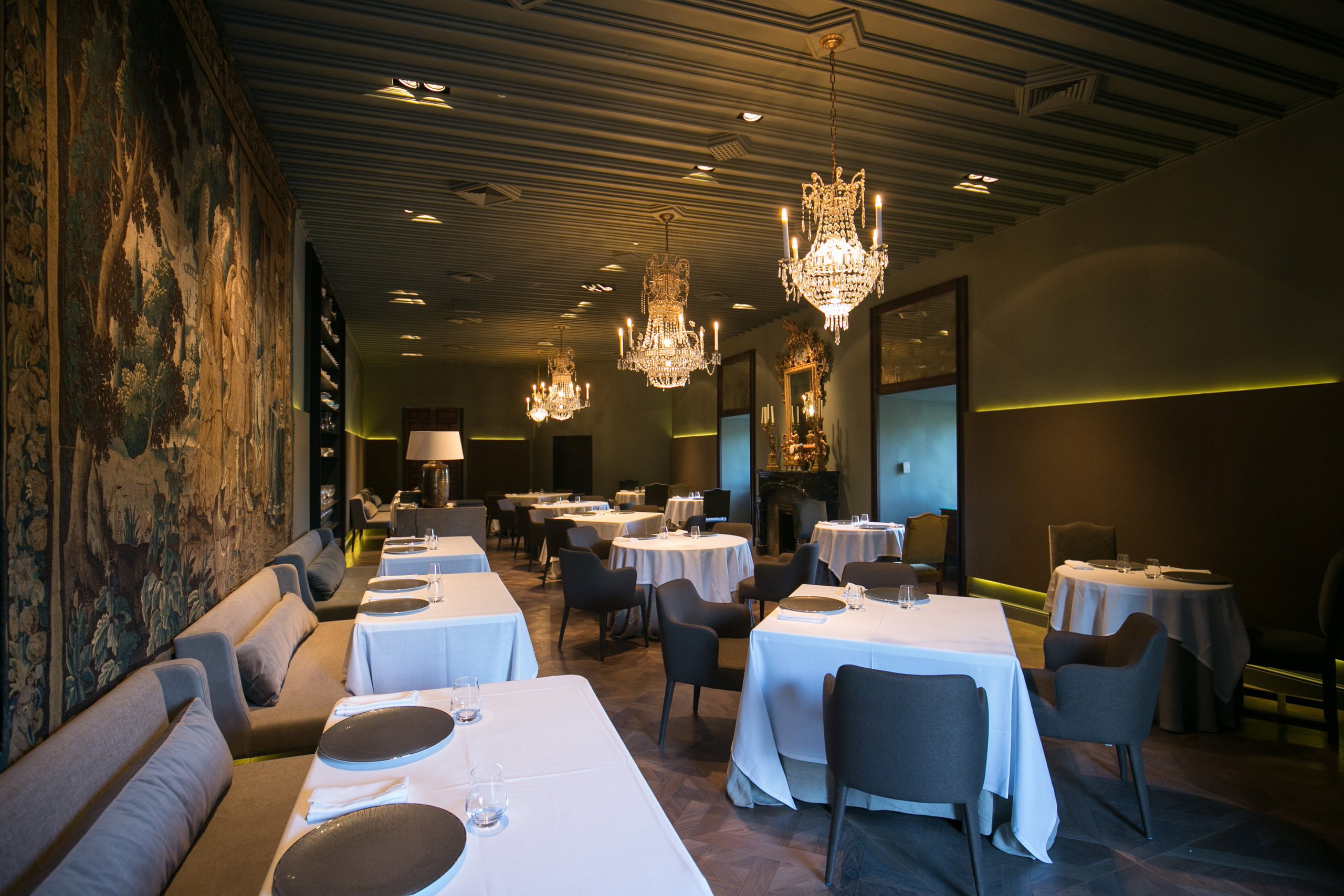
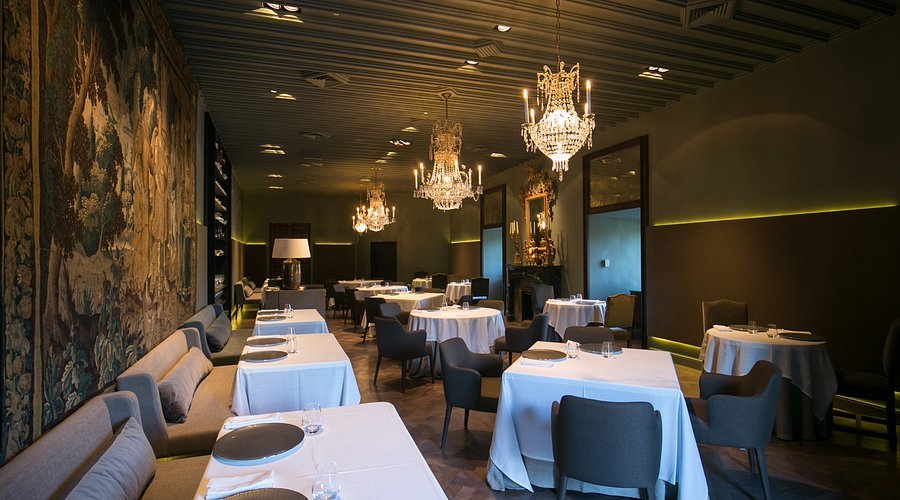
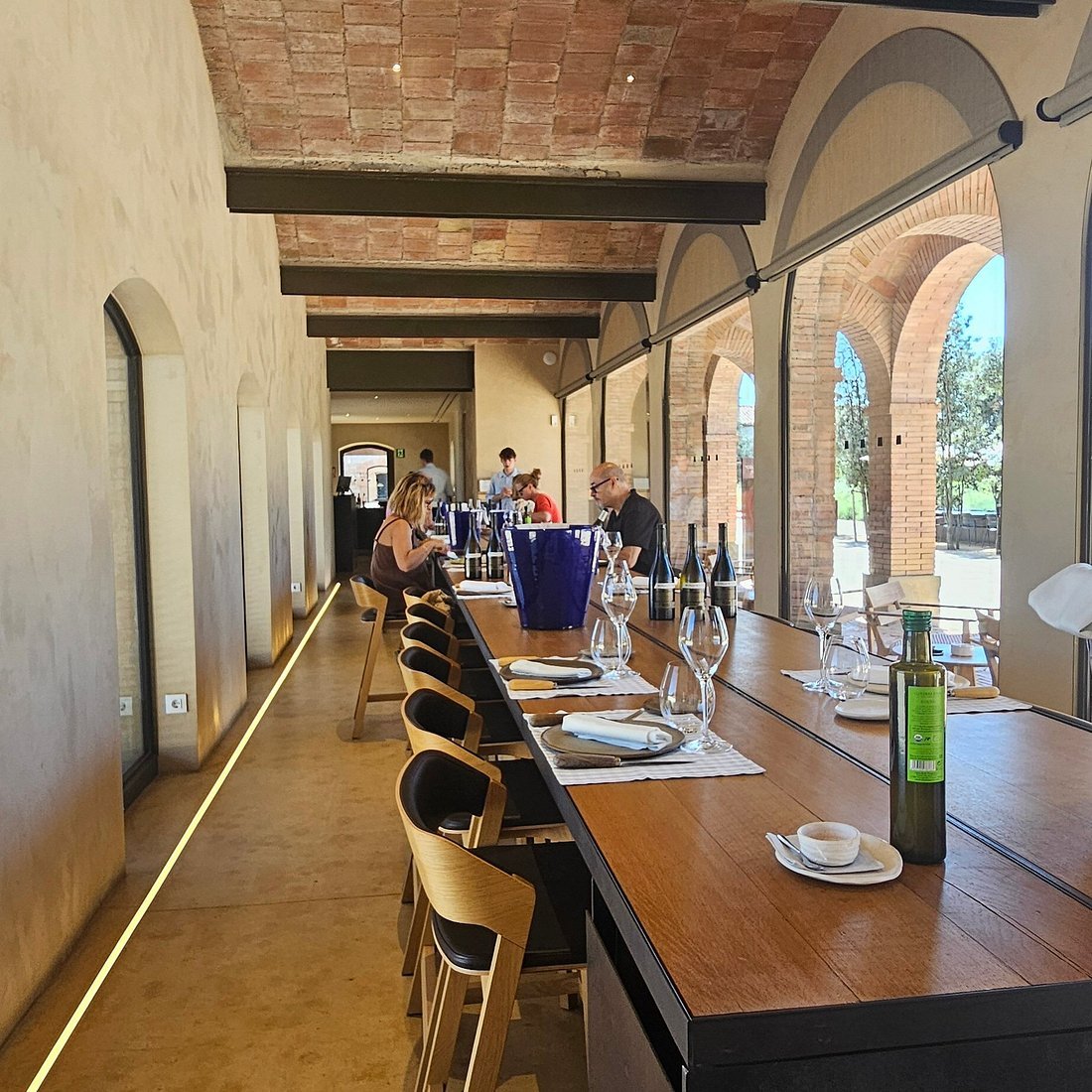
Magical and contemplative with natural light in The Temple tasting space, elegant castle cloisters, and immersive winery walkways blending heritage and modern innovation.
Tags
Vibe
Best For
Experience
View
At the Vineyard
- Appellation
- Empordà DO
- Varietals
- Garnacha, Syrah, Merlot, Cariñena, Monastrell
- Tour Duration
- 90 minutes
- Tour Languages
- Catalan, Spanish, English, French
- Visits
- By reservation
- Wine Styles
- Still Red, Still White, Sparkling
- Food Pairing
- Offered
- Wine Club
- Not available
Know before you go
Know Before You Go
- Getting there
- 17491 Peralada, Girona
Planning details
Location
17491 Peralada, Girona · Directions
Recognition and awards

Also consider
Where to look if Perelada is unavailable
If this booking does not line up, start with Recaredo for a more focused producer visit or Codorníu for a more accessible fallback. For a group that values brand familiarity and easier planning, Freixenet is the safer second choice.
Winery context
How it compares with nearby wine choices
Perelada is the pick when recognition and occasion value matter more than ease. Compared with Codorníu and Freixenet, it reads as a more prestige-led choice for travelers who want the winery itself to carry the day, while those two peers are safer cross-shops for visitors prioritizing familiar names and broader casual appeal.
Raventós i Blanc, Juvé & Camps, and Recaredo make more sense if the trip is specifically about sparkling-wine comparison and producer nuance. Perelada is better for a Girona-area celebration where setting and external recognition matter; Recaredo or Raventós i Blanc are stronger cross-shops for visitors who want a tighter wine-geek itinerary.
On value, the safest guidance is to compare final confirmed visit format rather than assume parity. If availability is tight, Codorníu and Freixenet are the practical backups; if the priority is quality of experience over convenience, keep Perelada first and use Juvé & Camps or Recaredo as the second choice.
Around this place
Discover more on Pearl
Unlock the full Perelada guide in Pearl, including awards, comparisons, FAQs, planning details, and nearby places.
Compare Perelada
| Venue | Location | Awards |
|---|---|---|
| Perelada | Peralada | 2025 World's 50 Best Vineyards · #22 |
| Codorníu | Sant Sadurní d'Anoia | 2026 Falstaff Winery Guide |
| Raventós i Blanc | Sant Sadurní d'Anoia | 2026 Falstaff Winery Guide |
| Juvé & Camps | Sant Sadurní d'Anoia | 2026 Falstaff Winery Guide |
| Freixenet | Sant Sadurní d'Anoia | 2026 Falstaff Winery Guide |
| Recaredo | Sant Sadurní d'Anoia | 2026 Falstaff Winery Guide |

How Perelada compares with similar nearby venues.
FAQ
Frequently Asked Questions
How long should I plan for a visit to Perelada?
Plan around the visit details you confirm directly with Perelada. Its 2025 recognition makes it a notable Peralada venue, but tour length, tasting format, and public schedule should be checked with the venue before you go.
Do I need a reservation at Perelada?
Check Perelada's official channels before you go rather than assuming drop-in availability. If you are comparing a broader itinerary, Freixenet or Codorníu can provide useful context, but confirm each venue separately.
Are membership or allocation details available for Perelada?
Does Perelada ship wine?
Confirm any current purchase or shipping options directly with Perelada before relying on them. Juvé & Camps is a useful comparison for broader planning, but its services should also be checked separately.
When is the best time to visit Perelada?
The best time to visit depends on Perelada's current schedule and visit format. Its Peralada location and 2025 recognition make it a worthwhile candidate for an itinerary. If you are building a broader route, consider Raventós i Blanc or Codorníu on their own schedules rather than compressing uncertain plans into one day.
Does Perelada serve food?
Check Perelada's official channels for current food, tasting, and visit details. Its main appeal here is its 2025 recognition.
Can Perelada handle large groups?
If you are planning for a group, contact Perelada directly before setting an itinerary. For a broader trip, compare logistics with Codorníu, Freixenet, and Perelada separately rather than assuming the same format or capacity at each stop.