

Tommasi
Pedemonte, Pedemonte (San Pietro in Cariano)
Winery in Pedemonte (San Pietro in Cariano), Italy
 Book with Pearl
The Read
Classico-Zone Estate Viticulture
Price
$30–50tasting
Why go
Tommasi is worth prioritizing if the goal is a polished Valpolicella estate visit in Pedemonte rather than a casual tasting stop. Book early and treat it as the anchor of the day; if food, flexible timing, or easy access matters more, compare it with Allegrini, Masi, Bertani, and Giuseppe Quintarelli before committing.
About Tommasi
Tommasi is a Pearl 2 Star Prestige venue in Pedemonte (San Pietro in Cariano) for 2025. Plan with the essentials in mind: the venue is in Pedemonte (San Pietro in Cariano), the dress code is smart casual, and its recognition is Pearl 2 Star Prestige (2025).
Book it for a Pedemonte (San Pietro in Cariano) venue
The strongest reason to prioritize Tommasi is its Pearl 2 Star Prestige recognition for 2025. Beyond that, avoid assumptions about cuisine, menus, visit formats, prices, opening hours, or services. Treat any specific arrangement as something to check directly before making plans.
For planning, keep expectations simple. Smart casual dress is the dress code. If dining format, beverage program, allergy policy, take-out service, delivery service, group capacity, or reservation requirements matter to the visit, check those details with the venue.
How to fit it into a Pedemonte (San Pietro in Cariano) plan
Tommasi can be considered alongside other names such as Giuseppe Quintarelli, Allegrini, Masi, Masi Agricola S.p.A. and Bertani, without assuming they share the same format, availability, or location details. Use those names as planning context, then check the practical details for each venue separately.
Quick reference: Tommasi is in Pedemonte (San Pietro in Cariano), has a smart casual dress code, and holds Pearl 2 Star Prestige recognition for 2025.
Planning details
- Location
- di Valpolicella, Via Ronchetto, 4, 37029 Pedemonte VR
- Website
- tommasiwinehospitality.com
- Phone
- +39 045 770 1266
The take
The Take
The Vibe
Tommasi reads as a sophisticated, historically rooted estate where terroir is the principal subject. The prose foregrounds altitude, basalt-limestone soils, and the concentrated logic of the Valpolicella Classico zone, positioning the property as a learned address for those who care about appellation identity. The vineyard rows and estate setting create a composed, contemplative atmosphere—less a flashy tourist stop than a place for focused tasting and study. The overall tone is exacting and refined: this is winery territory for people who prize geological nuance and generational knowledge over trend-driven spectacle.
Best For
This estate is best for visitors who come to learn and to measure vineyards against one another. The text repeatedly frames Tommasi as a Classico reference point, making it ideal for wine-education visits, terroir-focused tastings, and day trips from Verona or Lake Garda. It also suits travelers seeking a deliberate, elevated tasting experience rather than a casual pit stop. The property’s placement in the original five valleys and its Pearl 2 Star Prestige rating mark it as a destination for people prioritizing regional specificity and vineyard provenance.
Tasting Tips
When engaging with the tasting program here, prioritize wines that foreground Valpolicella Classico identity and vineyard specificity. The description calls out Corvina, Corvinone, and Rondinella and highlights basaltic and calcareous soils—look for bottlings and notes that emphasize altitude, mineral tension, and vineyard source. Ask to taste estate expressions that illustrate how aspect and subsoil shape the wines, and use comparative tastings to register the Classico zone’s distinctiveness versus broader Valpolicella offerings.
Venue details
Ambiance
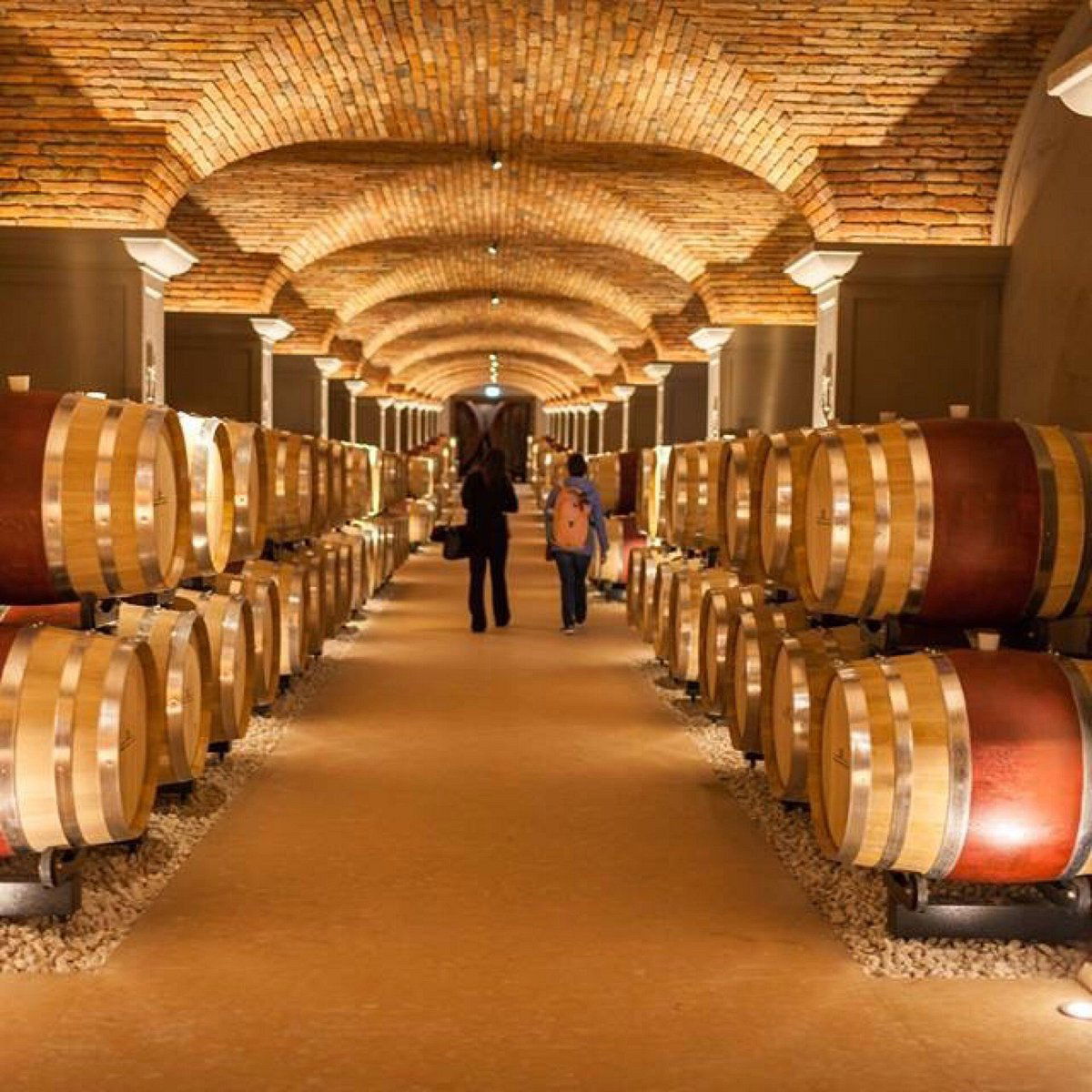
Elegant and historic with traditional Slavonian oak aging cellars reflecting over a century of family winemaking tradition.
Tags
Vibe
Best For
Experience
View
At the Vineyard
- Appellation
- Valpolicella Classico DOCG
- Varietals
- Corvina, Rondinella, Corvinone, Molinara, Turbiana
- Tour Duration
- 60-90 minutes
- Tour Languages
- English, Italian
- Visits
- By appointment only
- Wine Styles
- Still Red
- Wine Club
- Not available
Know before you go
Know Before You Go
- Getting there
- di Valpolicella, Via Ronchetto, 4, 37029 Pedemonte VR
Planning details
Location
di Valpolicella, Via Ronchetto, 4, 37029 Pedemonte VR · Directions
Also consider
Where to look if this is full
If a preferred slot is unavailable, try Allegrini first for a similarly serious Valpolicella stop. If the day needs a more flexible backup, compare Masi and Bertani before reshaping the whole itinerary.
Winery context
How it compares with nearby Valpolicella names
Choose Tommasi if the first priority is a recognized Pedemonte estate that can anchor a Valpolicella day. Giuseppe Quintarelli is the tougher, more collector-driven comparison and a better fit for travelers chasing scarcity over convenience. For a first-timer who wants a serious but less intimidating plan, Tommasi is the more practical target.
Allegrini, Masi Agricola S.p.A. Masi, and Bertani all make sense as cross-shops if the decision is about brand familiarity and overall ease. Tommasi is strongest when the estate setting is part of the point; Masi and Bertani are better comparisons for travelers weighing broader name recognition, while Allegrini is the closer alternative for a refined Valpolicella-focused itinerary.
For value, do not judge only by tasting prestige. The better question is how much of the day the visit deserves. If this is the one winery appointment, Tommasi is a reasonable centerpiece. If the schedule already includes a hard-to-secure producer, use Allegrini, Masi, or Bertani as the more flexible second option.
Explore Pedemonte (San Pietro in Cariano)
Around this place
Discover more on Pearl
Unlock the full Tommasi guide in Pearl, including awards, comparisons, FAQs, planning details, and nearby places.
Compare Tommasi
| Venue | Location | Awards |
|---|---|---|
| Tommasi | Pedemonte (San Pietro in Cariano) | No published awards |
| Giuseppe Quintarelli | Negrar | 2026 Falstaff Winery Guide |
| Allegrini | Fumane | 2026 Falstaff Winery Guide2025 Decanter Winery Prestige |
| Masi Agricola S.p.A. | Sant'Ambrogio di Valpolicella | 2026 Falstaff Winery Guide2025 World's 50 Best Vineyards · #83 |
| Masi | Sant'Ambrogio di Valpolicella | 2026 Falstaff Winery Guide2025 World's 50 Best Vineyards · #83 |
| Bertani | Grezzana | 2026 Falstaff Winery Guide |



How Tommasi compares with similar nearby venues.
FAQ
Frequently Asked Questions
Does Tommasi have a flagship offering?
What other venues can be considered when planning around Tommasi?
Useful names to consider in the broader planning context include Giuseppe Quintarelli, Allegrini, Masi Agricola S.p.A. Masi, and Bertani. Check each venue's location, format, and availability separately before comparing them for a visit.
Does Tommasi serve food?
Does Tommasi have membership or club details?
The key planning facts are that Tommasi is in Pedemonte (San Pietro in Cariano), has a smart casual dress code, and holds Pearl 2 Star Prestige recognition for 2025.
Do I need a reservation at Tommasi?
How long should I plan for a visit to Tommasi?
Plan after checking the format and timing directly with Tommasi.