

Achaia Clauss
Riganokampos, Patras
Winery in Patras, Greece
 Book with Pearl
The Read
Hillside Cellar Heritage
Price
$30–50tasting
Why go
Book Achaia Clauss if the Patras plan needs a serious wine anchor rather than a casual tasting stop. Its 3 Star Prestige and Decanter-derived winery recognition make it more compelling for wine-focused visitors, while nearby distilleries are better for groups who want easier pacing or a spirits-led afternoon.
About Achaia Clauss
Achaia Clauss in Patras carries Pearl 3 Star Prestige (2025) and Decanter World Wine Awards Derived Winery Prestige (2025). The dress code is casual, so planning can stay simple while the reason to include it remains its recognized standing. In practical terms, that means the venue can be approached without building the visit around formal attire or an assumed special-occasion dress standard, while still treating it as a serious stop because the record points to recognized standing.
Build expectations around what is known rather than assuming specific tour formats, menus, hours, prices, or services. That restraint is useful for travelers who want the day to run smoothly: the safest plan is to separate the confirmed facts from the details that still need direct checking. For visitors comparing options, Achaia Clauss should be considered on its known facts rather than on details that may vary, especially if the decision depends on prestige signals rather than a guaranteed visitor format.
Book this for its confirmed recognition
The reason to choose Achaia Clauss is its recognition: Pearl 3 Star Prestige (2025) and Decanter World Wine Awards Derived Winery Prestige (2025). Those accolades provide a clearer signal than an unverified description of a particular format or visitor experience. They also make the venue easier to evaluate on the basis of what is established, which is important when other practical details have not been confirmed in the same way. If the priority is to include a Patras venue with documented recognition, this is the strongest reason to keep Achaia Clauss on the shortlist.
Plan with flexibility because details such as hours, pricing, reservations, food service, and specific visit structure need direct confirmation. If those points matter to your group, confirm them directly with the venue before making Achaia Clauss the anchor of a Patras day. This is particularly important when the visit needs to fit around transportation, other stops, or a fixed schedule, since an itinerary based on assumptions can quickly become frustrating. Treat the recognition as the reason to be interested, and treat the logistics as items that should be settled before the plan becomes firm.
How to compare Achaia Clauss with other options
For comparison, Kanellopoulos Distillery, Aromas Distillery, Notos Distillery, Spyropoulos Distillery, and Papadimitriou Distillery (Tentoura Kastro) are separate alternatives to research on their own terms rather than substitutes with the same profile as Achaia Clauss. The comparison should not assume that these names offer the same type of visit, the same access, or the same recognition. Instead, use Achaia Clauss as one option with a clearly stated recognition-based reason for consideration, then evaluate each alternative according to its own facts. Choose Achaia Clauss when the plan is centered on a recognized Patras venue with the accolades listed here.
Keep the itinerary realistic and avoid assuming that every stop offers the same format or level of access. A plan built around recognition and directly confirmed logistics will be more reliable than one based on assumptions. The most useful approach is to decide what role Achaia Clauss should play in the day: a recognition-led stop that merits attention, but one whose practical details still need confirmation. That balance keeps expectations grounded while preserving the main reason the venue belongs in the conversation.
Planning details
- Location
- Petrotou, Patra 262 23
- Website
- houseofclauss.com
- Phone
- +30 261 058 0100
The take
The Take
The Vibe
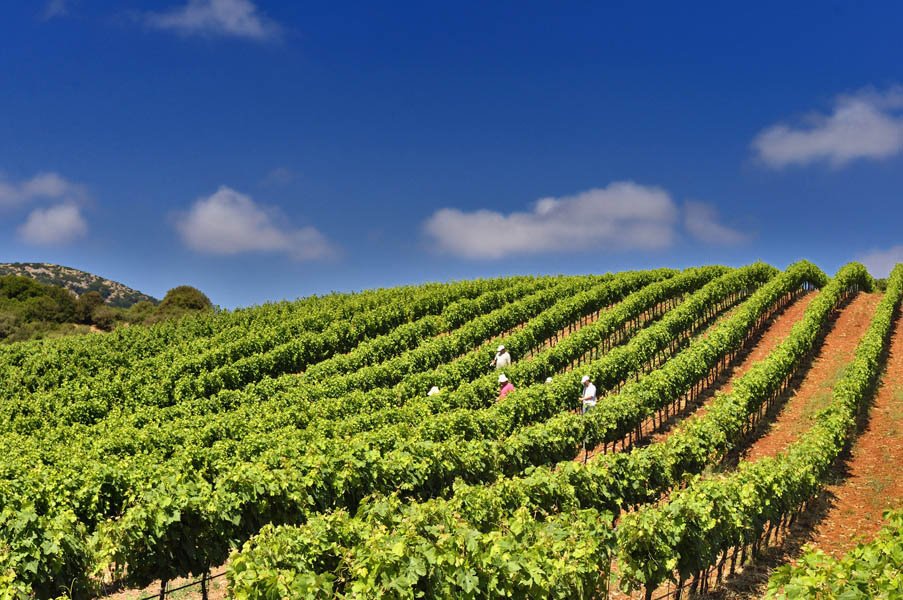
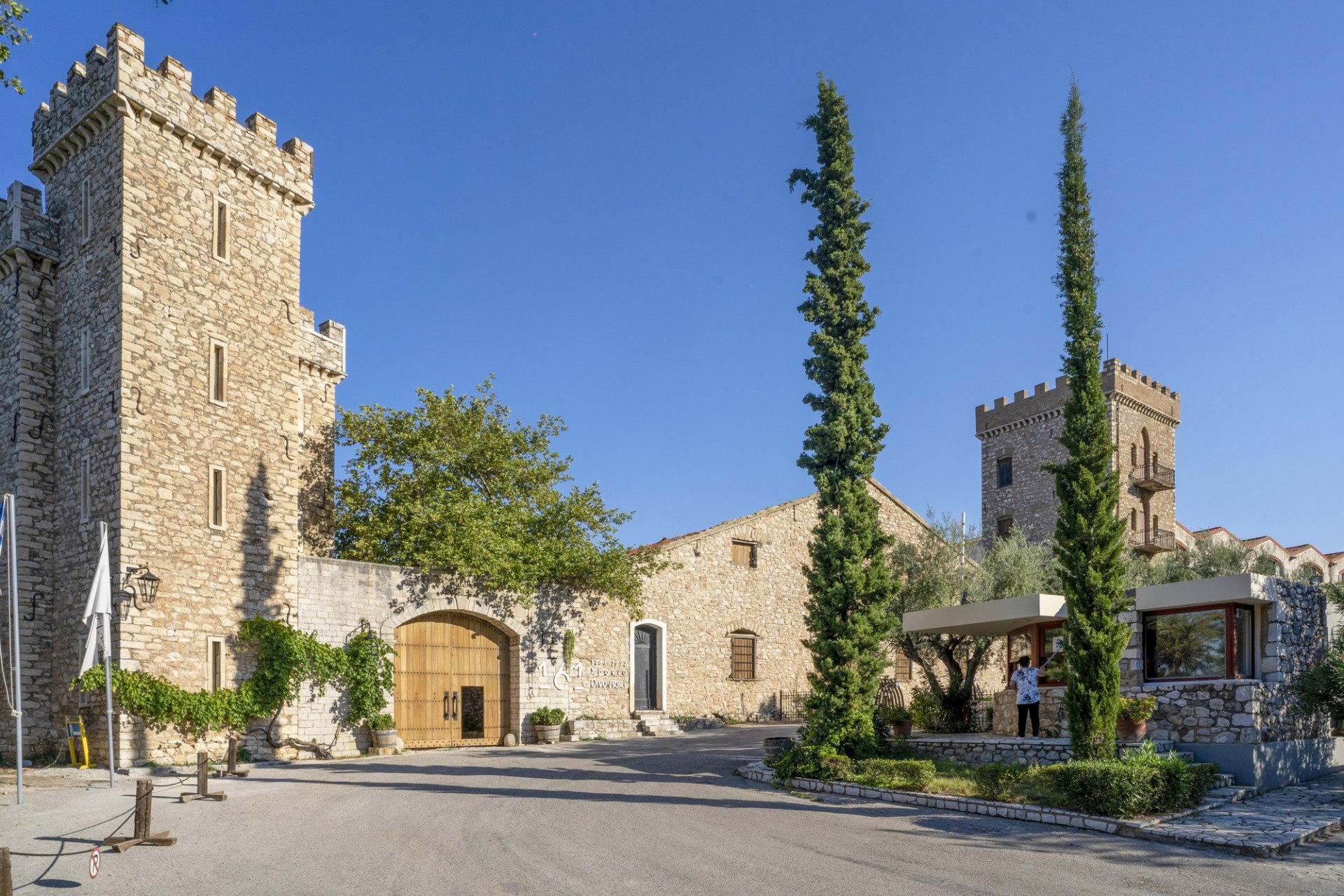
Achaia Clauss reads like a measured, terroir-first estate perched above the Gulf of Patras. Stone cellars and unhurried architecture signal a long lineage of Greek winemaking, while pine-draped slopes and circulating sea air temper the hilltop heat. The setting feels composed rather than performative: cool, solid stonework and limestone-threaded soils give the property a restrained, almost classic character. Visitors encounter a thoughtful winemaking ethos expressed through place—the combination of elevation, maritime influence and old cellars produces a calm, contemplative atmosphere that foregrounds the wines and the landscape that makes them.
Best For
This estate is best for people who come to learn and to connect wine with place. Wine students, enthusiasts curious about Mavrodaphne, and groups focused on education or a hands-on introduction to Peloponnesian coastal terroir will find the property especially rewarding. The historic cellars and vineyard setting also suit small celebratory visits where the landscape and lineage of the house matter as much as the bottles. Travelers who appreciate geological detail—limestone soils, elevation and sea influence—will leave with a clearer sense of why this ridge matters to the wines made here.
Tasting Tips
When engaging with Achaia Clauss, center the tasting on Mavrodaphne and wines that express long hang time and oxidative potential; the estate’s climate and soils are repeatedly tied to how this variety ripens. Ask staff about late-harvest examples and the role of the ridge above the Gulf of Patras—questions about exposure, limestone soils and the sea-breeze influence will illuminate stylistic choices. Make time to experience the stone cellars mentioned in the description; their coolness and history are part of how the wines are stored and understood.
Venue details
Ambiance
Historic and atmospheric with underground cellars, old stone architecture, and panoramic hilltop views.
Tags
Vibe
Best For
Experience
View
At the Vineyard
- Appellation
- Patras
- Varietals
- Mavrodaphne, Cabernet Sauvignon, Agiorgitiko, Moscofilero, Muscat
- Tour Duration
- 20-60 minutes
- Tour Languages
- Greek, English
- Visits
- By reservation
- Production
- Large producer
- Wine Styles
- Still Red, Still White, Still Rose, Fortified
- Food Pairing
- Offered
- Wine Club
- Not available
Know before you go
Know Before You Go
- Getting there
- Petrotou, Patra 262 23
Planning details
Location
Recognition and awards

Also consider
Cross-shop if you cannot get in
If Achaia Clauss is unavailable, try Kanellopoulos Distillery for a Patras drinks stop with a spirits angle, or Aromas Distillery if the group wants a similarly local alternative without making wine the center of the day.
Winery context
How It Compares
Achaia Clauss is the Patras pick for visitors who want the day to center on wine rather than local spirits. Against Kanellopoulos Distillery and Aromas Distillery, it has the stronger wine-case for making an advance plan, while those distilleries are more logical for a quicker, less formal drinks stop.
Notos Distillery, Spyropoulos Distillery, and Papadimitriou Distillery (Tentoura Kastro) suit a group that wants Patras spirits and simpler pacing. Choose Achaia Clauss when the value is in recognition, estate atmosphere, and a wine-led visit; choose the distilleries when the group wants variety without building the whole day around one booking.
For ambiance, Achaia Clauss should feel more destination-led than a city distillery stop. For booking risk, it is the one to secure first. If that does not work, cross-shop the distilleries rather than forcing a weaker wine alternative into the itinerary.
Explore Patras
Around this place
Discover more on Pearl
Unlock the full Achaia Clauss guide in Pearl, including awards, comparisons, FAQs, planning details, and nearby places.
Compare Achaia Clauss
| Venue | Location | Awards |
|---|---|---|
| Achaia Clauss | Patras | 2026 Falstaff Winery Guide2025 Decanter Winery Prestige |
| Kanellopoulos Distillery | Patras | No published awards |
| Aromas Distillery | Patras | No published awards |
| Notos Distillery | Patras | No published awards |
| Spyropoulos Distillery | Patras | No published awards |
| Papadimitriou Distillery (Tentoura Kastro) | Patras | No published awards |
How Achaia Clauss Patras compares with similar nearby venues.
FAQ
Frequently Asked Questions
What is Achaia Clauss recognized for?
The reasons to note Achaia Clauss are Pearl 3 Star Prestige (2025) and Decanter World Wine Awards Derived Winery Prestige (2025).
When is the best time to visit Achaia Clauss?
Are purchase or shipping services available at Achaia Clauss?
Purchase and shipping details are not currently listed. Do not assume any specific service is available unless Achaia Clauss confirms it directly.
What other venues can I compare with Achaia Clauss?
For a separate comparison, Kanellopoulos Distillery, Aromas Distillery, Notos Distillery, Spyropoulos Distillery, and Papadimitriou Distillery (Tentoura Kastro) are relevant alternatives to research separately.