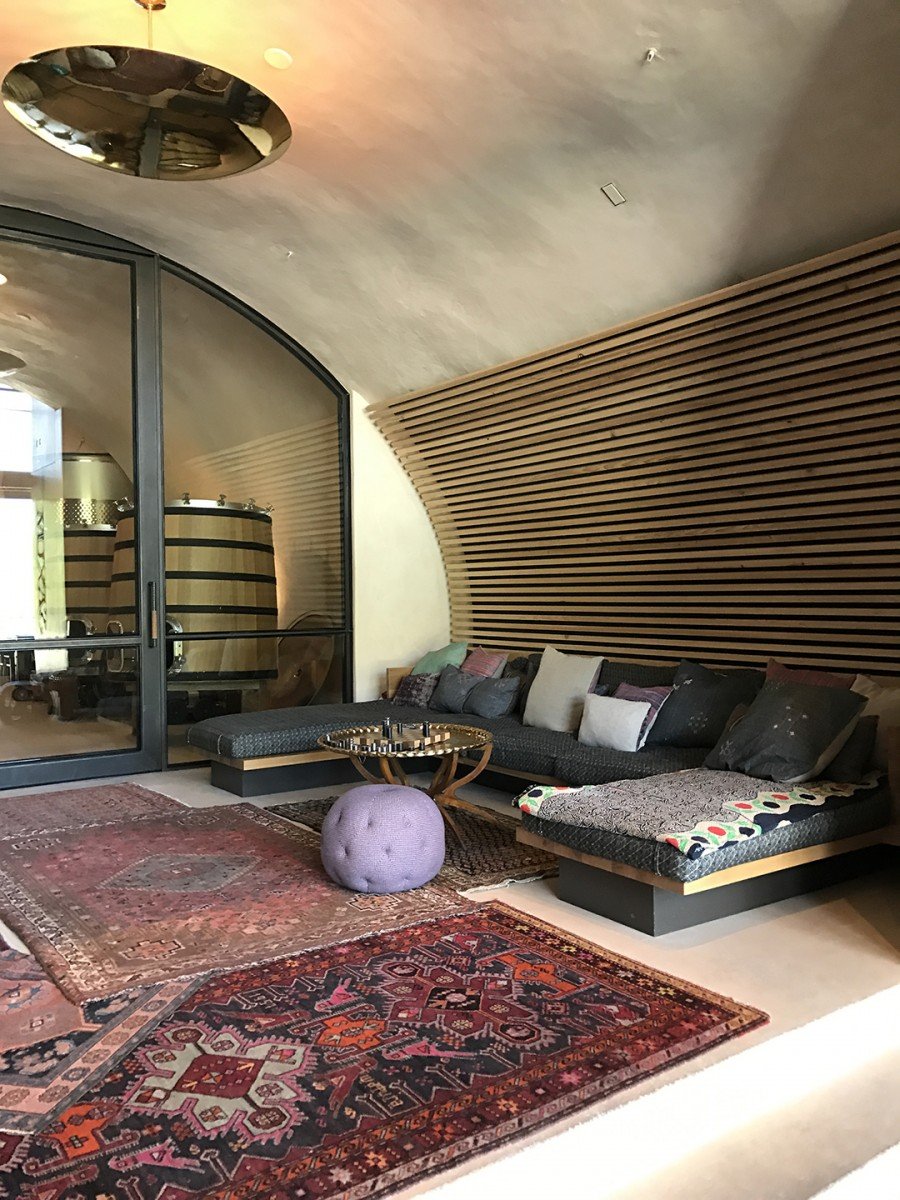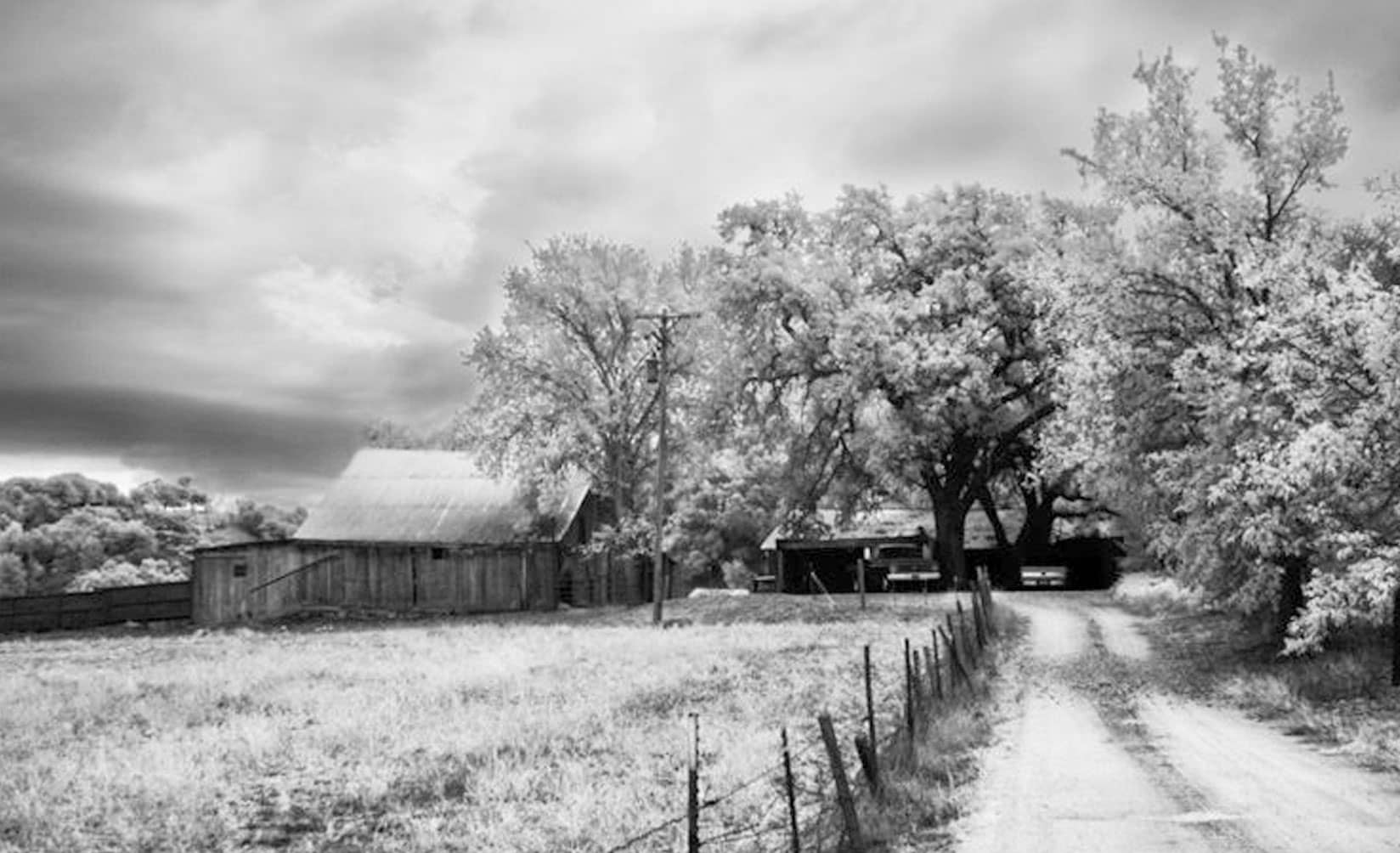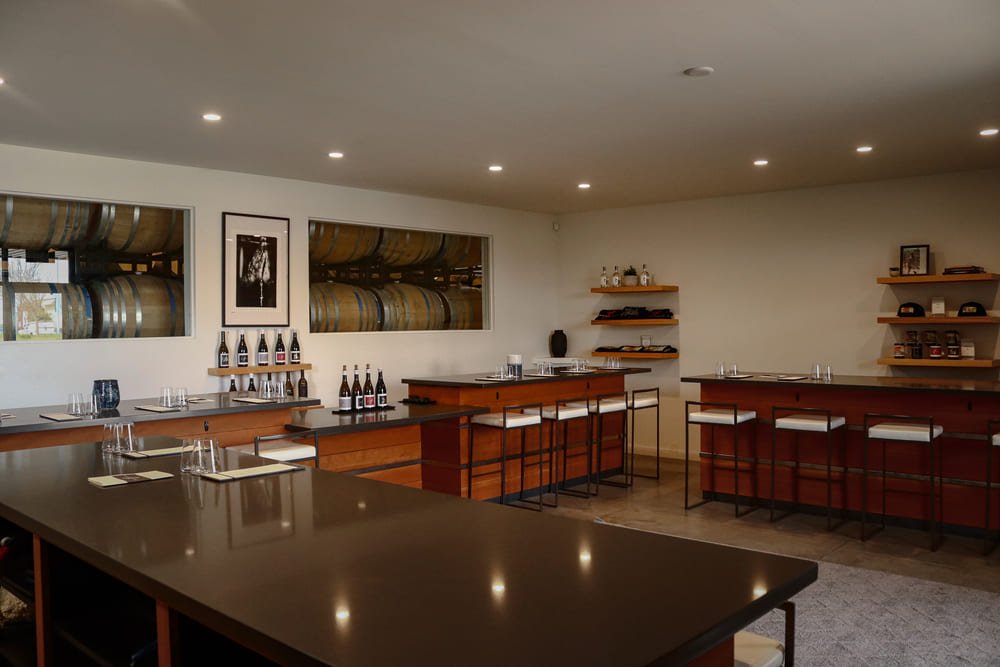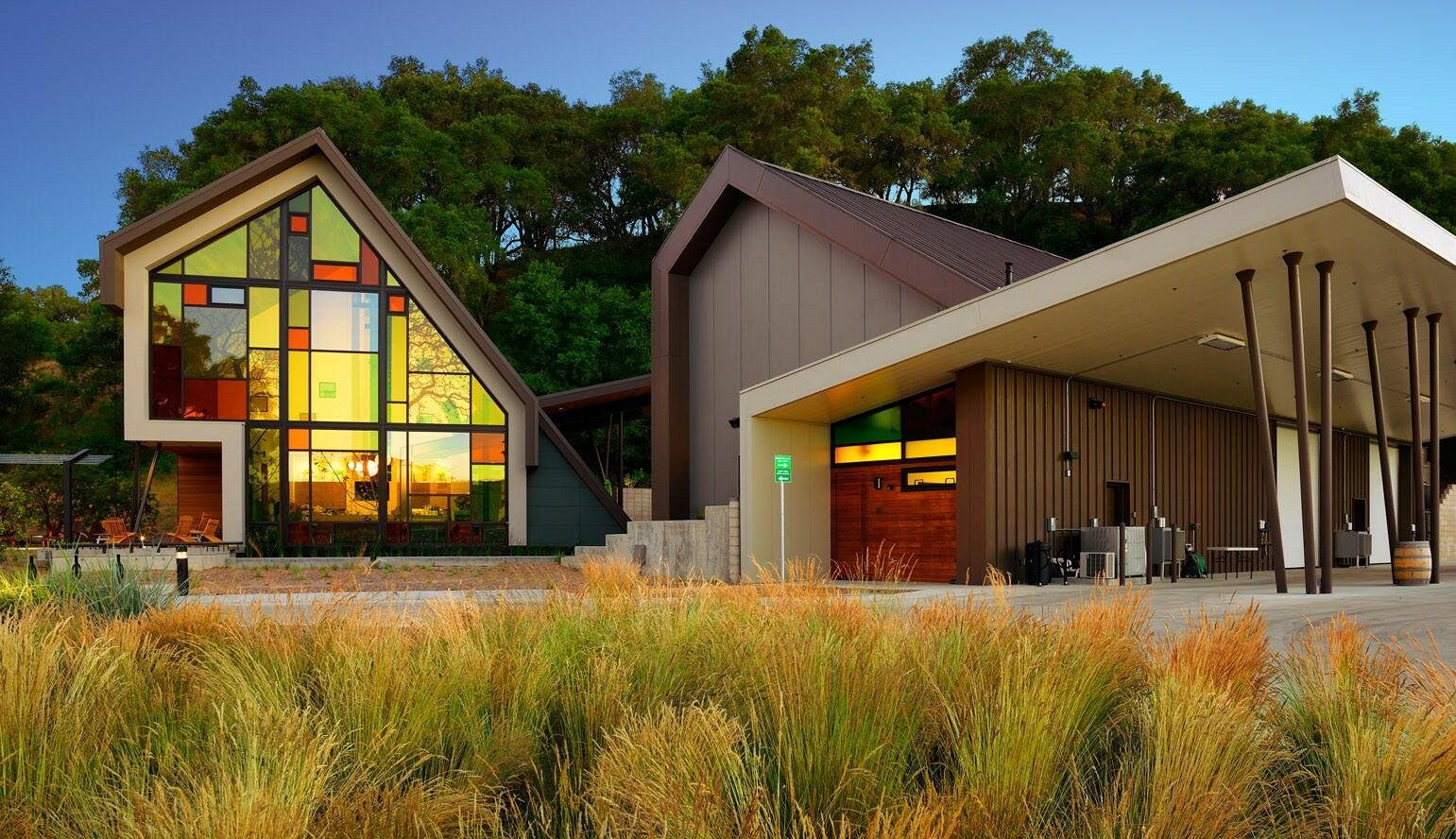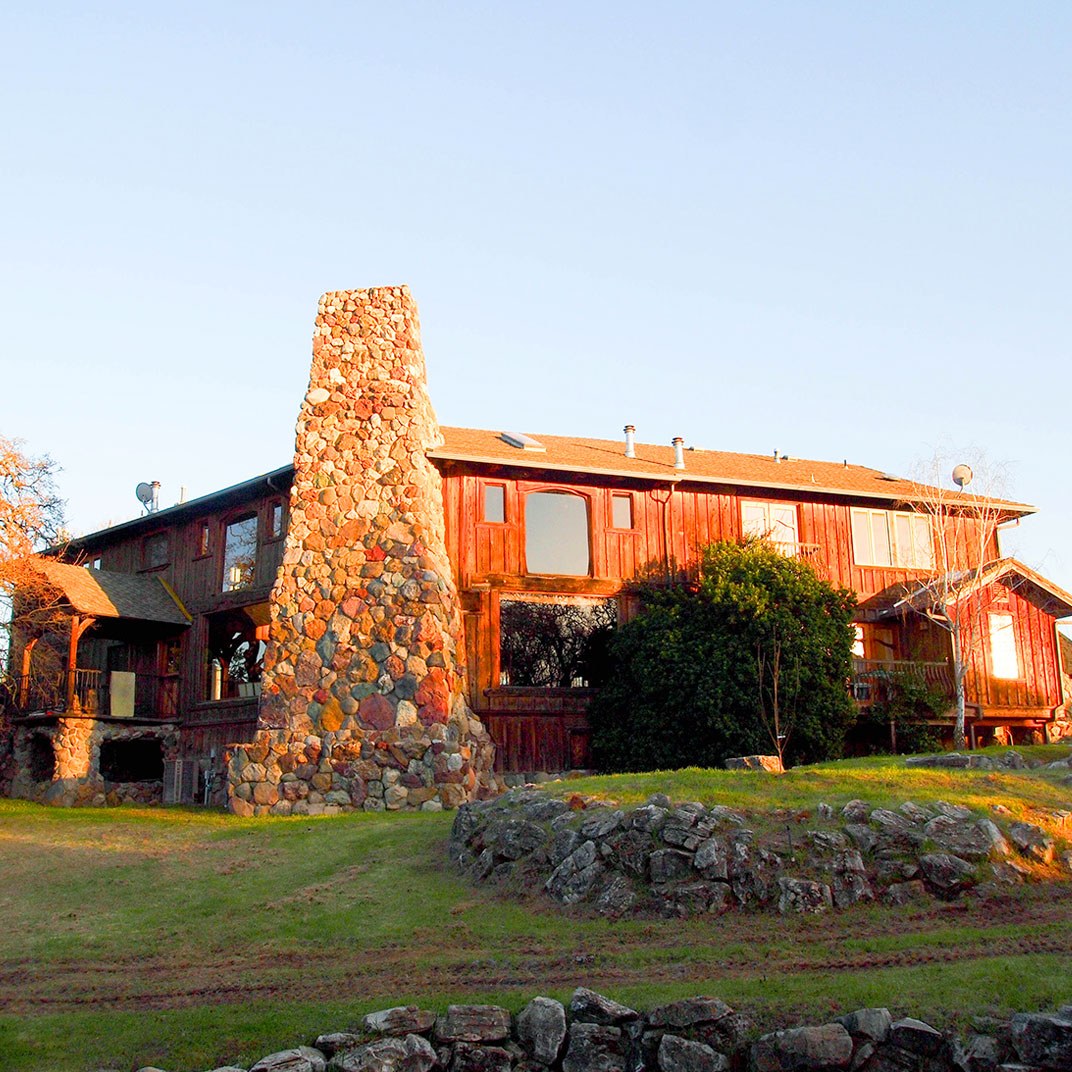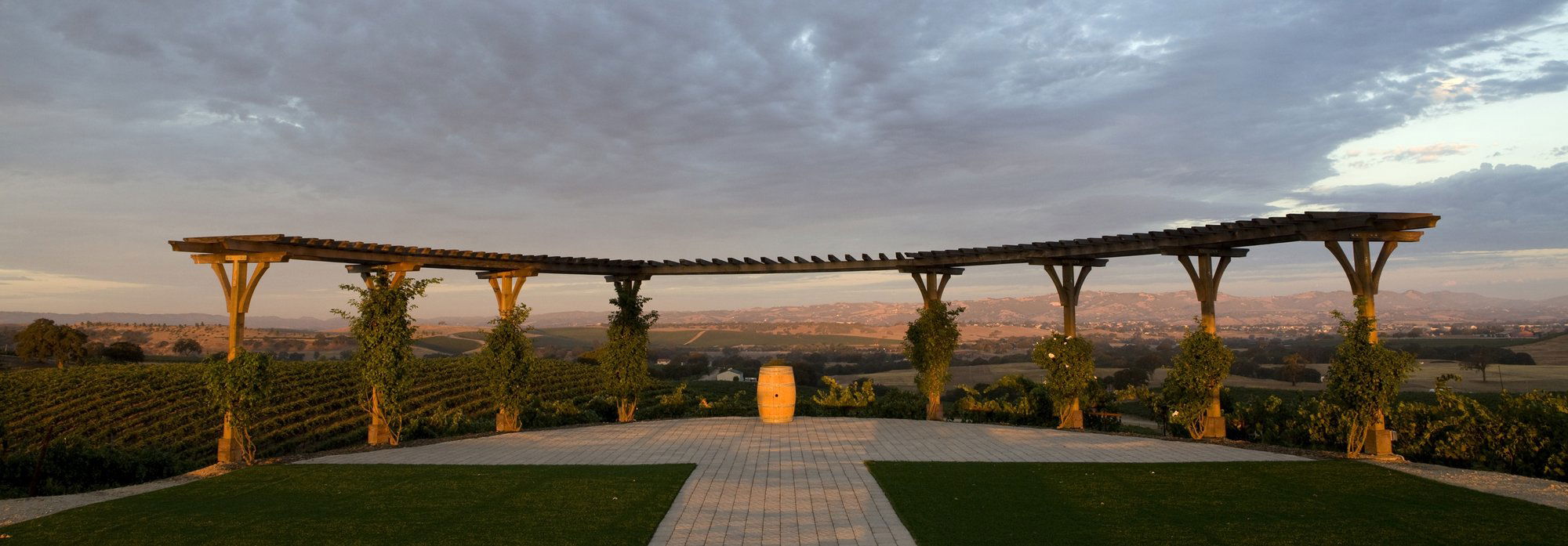
Winery in Paso Robles, United States
Pear Valley Vineyard
500ptsWest Side Terroir Farming

About Pear Valley Vineyard
Pear Valley Vineyard sits on Union Road in Paso Robles, earning a Pearl 2 Star Prestige rating in 2025 that places it among the region's more closely watched estate producers. The property operates in a part of California wine country where land-driven viticulture and small-scale farming have become the defining markers of serious producers, rather than production volume or brand recognition.
Where West Side Farming Meets Accountability
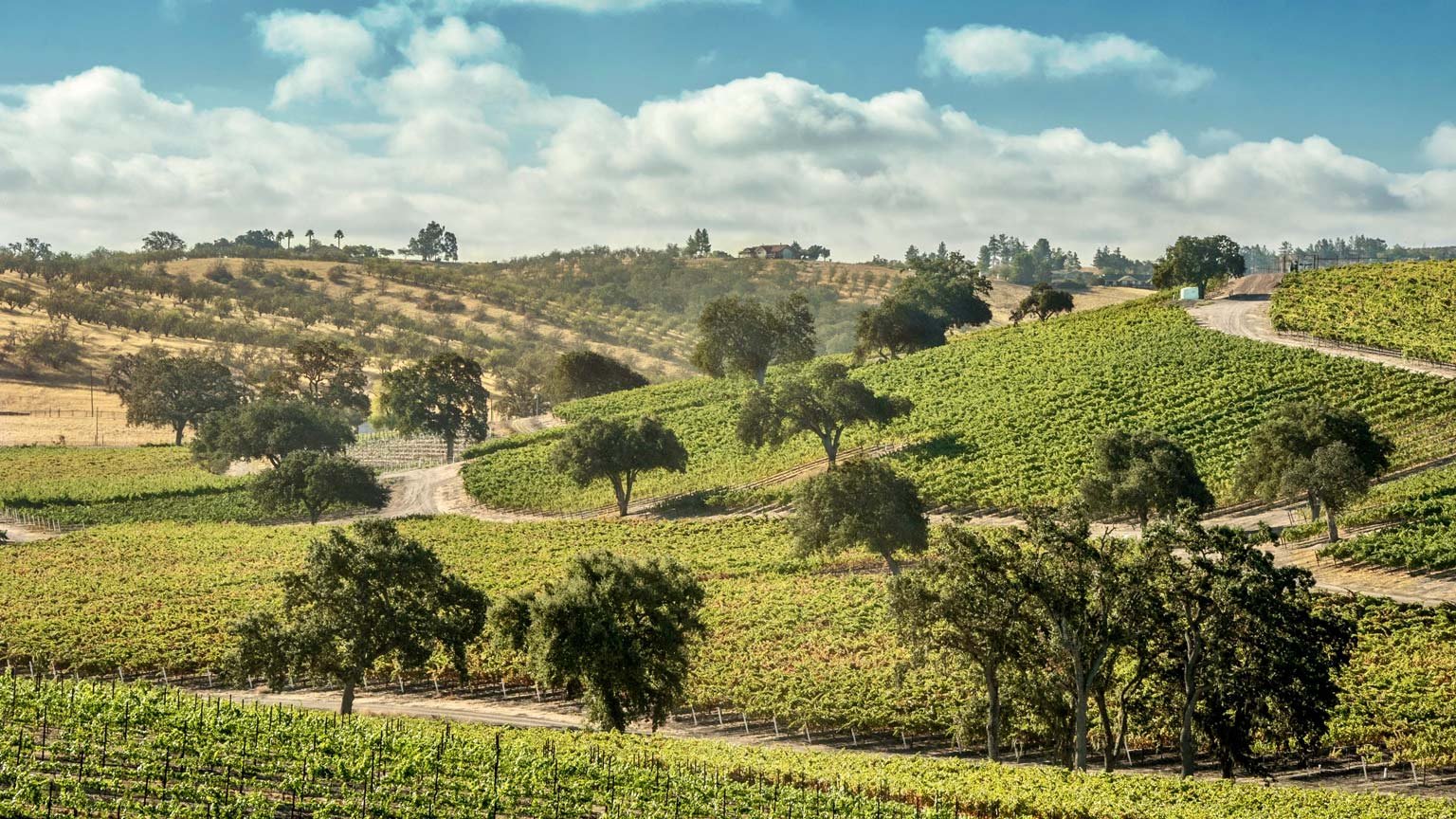
Drive south on Union Road past the limestone-laced hillsides that define Paso Robles' Adelaida District fringe, and the shift in terrain is perceptible before you reach the gate. The calcareous soils here drain fast and stress vines in ways that growers either fight or accept. The producers who accept it, who treat that stress as the argument for farming rather than against it, tend to make wines with a different internal logic than those drawn from the valley floor. Pear Valley Vineyard at 4900 Union Road sits in that farming-first tier, and its 2025 Pearl 2 Star Prestige recognition signals it has earned a position in Paso Robles' more considered peer set.
That award carries weight in the context of what the region has been doing over the past decade. Paso Robles has expanded quickly, and with expansion comes a predictable bifurcation: high-volume, brand-driven labels on one side, and smaller estate operations whose identity is inseparable from a specific piece of ground on the other. Pear Valley belongs to the latter category, which shapes everything from the scale of its operation to the character of the wines it produces.
The Viticulture Argument on Union Road
The broader West Side story in Paso Robles is essentially a soils story. The Templeton Gap winds off the Pacific moderate afternoon heat, and the marine influence arrives reliably enough that diurnal temperature swings can exceed 50 degrees Fahrenheit on warm summer days. That range preserves acidity and extends hang time, two conditions that growers focused on fruit intensity versus structural balance use very differently. For properties committed to low-intervention farming, those natural mechanisms reduce the need for cellar corrections and allow the vineyard itself to do more of the analytical work.
Within that broader West Side context, Union Road occupies a specific subzone where calcium carbonate-rich soils and elevation work together to limit vine vigor. Low-vigor viticulture is not inherently superior, but it tends to produce smaller berry clusters with higher skin-to-juice ratios, which concentrates phenolic material and creates the preconditions for wines with genuine structure rather than engineered texture. Estate producers who farm this ground carefully and resist the temptation to over-extract are working with material that rewards patience in the cellar. Comparisons with other land-focused West Side estates are instructive here: Adelaida Vineyards and Halter Ranch Vineyard both operate on similarly stress-inducing West Side terrain, and both have built reputations around farming specificity rather than winemaking theatrics.
Sustainability as Practice, Not Positioning
In California wine, sustainability language has been stretched well past its usefulness by marketing departments. The distinction that still matters is between certified or demonstrably practiced approaches and aspirational language with no operational substance. Paso Robles has a growing cohort of producers who farm organically or apply biodynamic principles, not as a branding move but because the terroir arguments for reduced intervention are genuinely compelling on the West Side.
The calcareous soils of the Adelaida District and its surroundings support complex microbial life when left undisturbed by synthetic inputs. Producers who farm with that biology in mind, building soil health rather than depleting it for short-term yield, are making a multi-decade investment. The Pearl 2 Star Prestige rating awarded to Pear Valley in 2025 is not a sustainability-specific credential, but within a regional context where that rating cohort skews toward estate-focused, land-accountable producers, it functions as a signal of where the property positions itself philosophically. Regional peers with demonstrable sustainability commitments include Herman Story Wines and Bianchi Winery, both operating with heightened attention to farming practice in an appellation still defining its own standards.
For visitors arriving with an interest in how the land actually shapes the wine, the West Side requires a different conversation than the East Side delivers. The East Side's alluvial soils and warmer nights produce riper, more immediately approachable profiles. The West Side, including Union Road, rewards a slower read and a willingness to think about structure first, fruit second. Pear Valley's location makes it a reference point for that conversation rather than simply a destination for tasting.
Paso Robles in Comparative Context
California's premium wine map has grown more legible as appellations have matured and sub-AVA designations have given producers a vocabulary for site specificity. Paso Robles earned its own AVA in 1983, but the subsequent breakdown into eleven sub-appellations, completed in 2014, gave West Side producers in particular a framework for terroir claims they had been making informally for years. The Adelaida District and Templeton Gap District designations now carry genuine tasting-room weight with informed visitors, who arrive with expectations shaped by regional reputation rather than just individual producer marketing.
Within California more broadly, it is worth mapping Paso Robles against Napa and Sonoma to understand where the appellation sits commercially and critically. Producers like DAOU Vineyards have demonstrated that Paso Robles Cabernet can compete with Napa Valley at significant price points, while Accendo Cellars in St. Helena and Alpha Omega Winery in Rutherford represent the Napa benchmark most Central Coast producers are measured against. Paso Robles operates with lower land costs and less institutional weight, which has historically attracted producers willing to take varietal risks that would be commercially impractical in Napa. That openness to Rhône varieties, Italian varietals, and restrained Bordeaux-influenced blends gives the appellation a character that is genuinely distinct from the Napa corridor.
Beyond California, the West Side's limestone-influenced viticulture invites comparison with European benchmarks that have nothing to do with proximity. Adelsheim Vineyard in Newberg and Alexander Valley Vineyards in Geyserville represent adjacent American terroir conversations, while properties like Andrew Murray Vineyards in Los Olivos demonstrate how the Central Coast's Rhône focus extends south through Santa Barbara County. For a fully mapped view of how the region's producers fit together, the full Paso Robles guide provides the necessary context.
Planning a Visit
Pear Valley Vineyard is located at 4900 Union Road, Paso Robles, CA 93446. Union Road runs through a stretch of the West Side that rewards visitors who plan a half-day or full-day itinerary rather than a quick stop, since the concentration of estate producers between Adelaida Road and the Highland District creates a logical tasting circuit. West Side properties tend to have more defined visiting hours and smaller tasting room footprints than the more commercially developed Highway 46 corridor, which means arrival timing matters more. Visiting current contact and hours information directly through the winery before planning your day is advisable, as small estate operations update their programming seasonally. For comparison with nearby estate producers operating at a similar tier, Adelaida Vineyards and Halter Ranch Vineyard both merit inclusion in any West Side itinerary built around land-specific production.
Frequently Asked Questions
- What wines is Pear Valley Vineyard known for?
- Pear Valley Vineyard operates on the West Side of Paso Robles, a zone historically associated with Rhône-influenced varieties and restrained Bordeaux-style blends shaped by calcareous soils and the Templeton Gap's cooling marine influence. The property holds a Pearl 2 Star Prestige rating awarded in 2025, which places it in the recognized upper tier of Paso Robles estate producers. Specific current releases are leading confirmed directly with the winery, as small estate programs change their lineups by vintage cycle.
- What should I know about Pear Valley Vineyard before I go?
- The property sits on Union Road in Paso Robles' West Side, a part of the appellation where terrain and farming practice matter as much as the winemaking itself. It received a Pearl 2 Star Prestige recognition in 2025, which signals a level of quality aligned with the region's more carefully farmed estate producers. As a smaller estate, visiting hours and tasting formats may differ from larger commercial operations on the Highway 46 East corridor, so confirming logistics in advance is worth the effort.
- Do I need a reservation for Pear Valley Vineyard?
- West Side Paso Robles properties typically operate with smaller tasting room capacities than their East Side counterparts, which makes walk-in availability less reliable, particularly on weekends from spring through harvest. Given Pear Valley's recognition at the Pearl 2 Star Prestige level, demand from wine-focused visitors has a reasonable basis. Contacting the property directly before your visit to confirm reservation requirements is the prudent approach, especially if your itinerary includes multiple West Side stops.
- What kind of traveler is Pear Valley Vineyard a good fit for?
- Visitors with a genuine interest in how West Side Paso Robles terroir expresses itself in the glass, rather than those seeking a high-volume tasting experience, will find the property's scale and positioning a better match. The Pearl 2 Star Prestige rating awarded in 2025 gives it credibility with wine-focused travelers who use award recognition as a starting filter when building a Paso Robles itinerary. Those coming to understand the appellation's limestone-influenced West Side character, rather than just collect stamps, are the natural audience.
- How does Pear Valley Vineyard compare to other Paso Robles West Side estates?
- Pear Valley's Union Road address places it in the denser concentration of estate producers on Paso Robles' West Side, a sub-region where calcareous soils, elevation, and the Templeton Gap's cooling influence define a distinct terroir conversation. Its 2025 Pearl 2 Star Prestige rating aligns it with recognized West Side peers like Adelaida Vineyards and Halter Ranch Vineyard, both of which operate with similarly land-focused production philosophies. The shared characteristic across this peer set is a commitment to site expression over winemaking intervention, which makes them a coherent group for visitors building a serious West Side itinerary.
Related editorial
- Best Fine Dining Restaurants in ParisFrom three-Michelin-star icons to the next generation of Parisian chefs pushing boundaries, these are the restaurants that define fine dining in the world's culinary capital.
- Best Luxury Hotels in RomeFrom rooftop terraces overlooking ancient ruins to Michelin-starred hotel dining, these are the luxury hotels that make Rome unforgettable.
- Best Cocktail Bars in KyotoFrom sleek lounges to hidden speakeasies, Kyoto's cocktail scene blends Japanese precision with global influence in ways you won't find anywhere else.
Save or rate Pear Valley Vineyard on Pearl
Keep this venue in your Pearl passport, rate it after you visit, and track it alongside every other place you collect.