Glunz Family Winery & Cellars
Paso Robles
Winery in Paso Robles, United States
 Book with Pearl
The Read
Highway 46 Corridor Tasting
Why go
Glunz Family Winery & Cellars is a plan-ahead Paso Robles stop for visitors who want a focused winery visit rather than a loose tasting-room crawl. It is strongest for couples or small groups chasing a more controlled tasting format; if food, large-group flexibility, or easy drop-in energy is the priority, compare nearby alternatives first.
About Glunz Family Winery & Cellars
For a first Paso Robles winery day, consider Glunz Family Winery & Cellars as a potential stop in the itinerary. That makes it a relevant name for a Paso Robles plan, though specific tasting formats, food service, pricing, hours, or group policies should be checked directly with the venue.
The stronger play is to plan conservatively. Glunz Family Winery & Cellars is best approached as a winery stop to confirm, not as a fully specified lunch, event, or private-tasting plan.
Why this works as a first Paso Robles stop
The practical advantage is simplicity: Glunz Family Winery & Cellars is in Paso Robles, so it can be considered as part of a broader local itinerary. For first-timers, the key is not to overbuild the day around unconfirmed details. Confirm timing, visit format, and any current requirements before pairing it with other stops.
Use this as one considered stop rather than the only plan. If the day is winery-led, compare it with Barr Estate Winery, Bianchi Winery, Pear Valley Vineyard, Steinbeck Vineyards & Winery, and Tobin James Cellars to shape the rest of the route. For broader trip planning, use Our full Paso Robles restaurants guide to avoid making the winery visit carry the whole trip.
What to verify before you go
Do not assume a private tasting or upgraded format is available unless Glunz Family Winery & Cellars confirms it for your date. If a more structured visit is offered, consider whether it fits your plans; if not, plan around the standard visit details provided by the winery.
For readers comparing Paso Robles options, keep the frame practical. Barr Estate Winery, Bianchi Winery, Pear Valley Vineyard, Steinbeck Vineyards & Winery, and Tobin James Cellars are other names to consider when shaping a winery-focused day, while other Paso Robles dining and lodging plans should be handled separately.
Planning details
- Location
- 8331 CA-46, Paso Robles, CA 93446
- Website
- glunzfamilywinery.com
- Phone
- +1 805-238-1400
The take
The Take
The Vibe
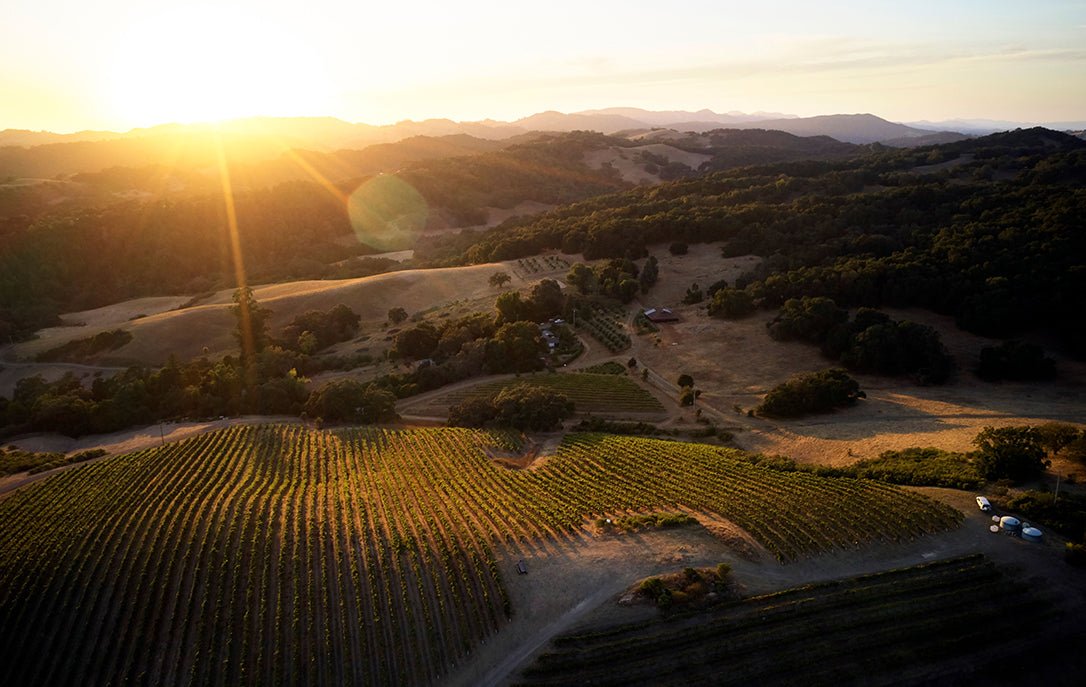
Glunz Family Winery & Cellars reads like a serious Westside operation rooted in Paso Robles’ terroir-focused tradition. Vineyard walls and the corridor’s calcareous soils are front and center, and the tone tilts toward restraint: quietly utilitarian, grounded, and quality-driven. Visitors should expect a classic appellation sensibility that emphasizes varietal structure and site expression over trend-driven spectacle.
Best For
This winery suits visitors who are interested in regional context and varietal character. Given the provided metadata noting group outings, family visits and wine-education occasions, the site works for small groups or families who want a grounded tasting experience and for anyone focused on learning how Paso Robles’ Westside conditions shape wine styles.
Tasting Tips
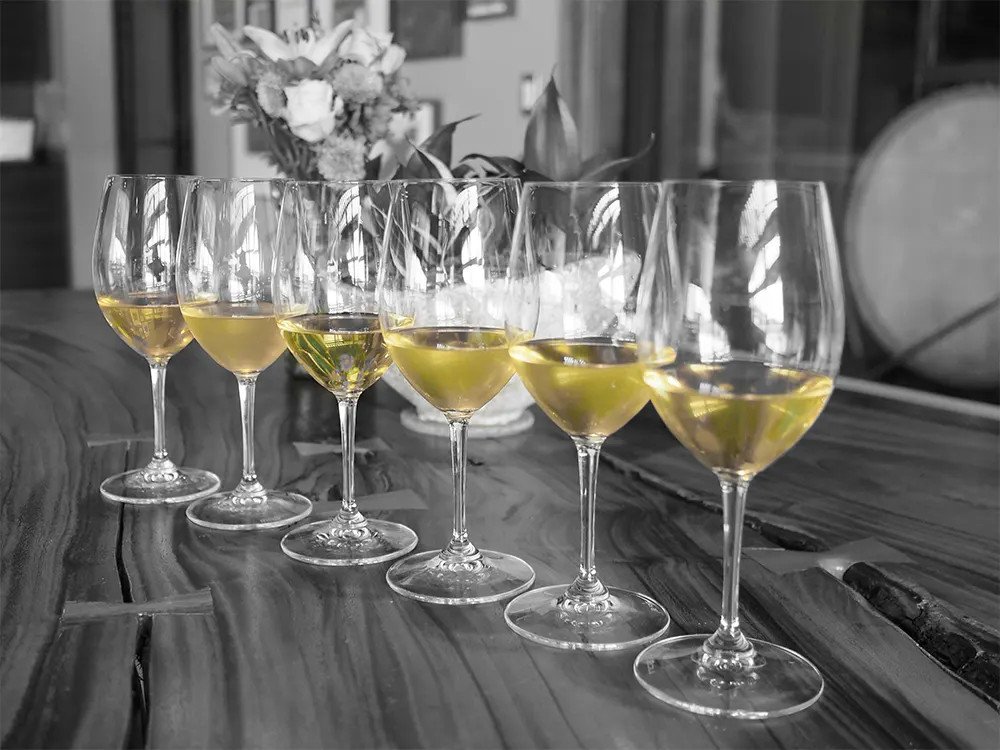
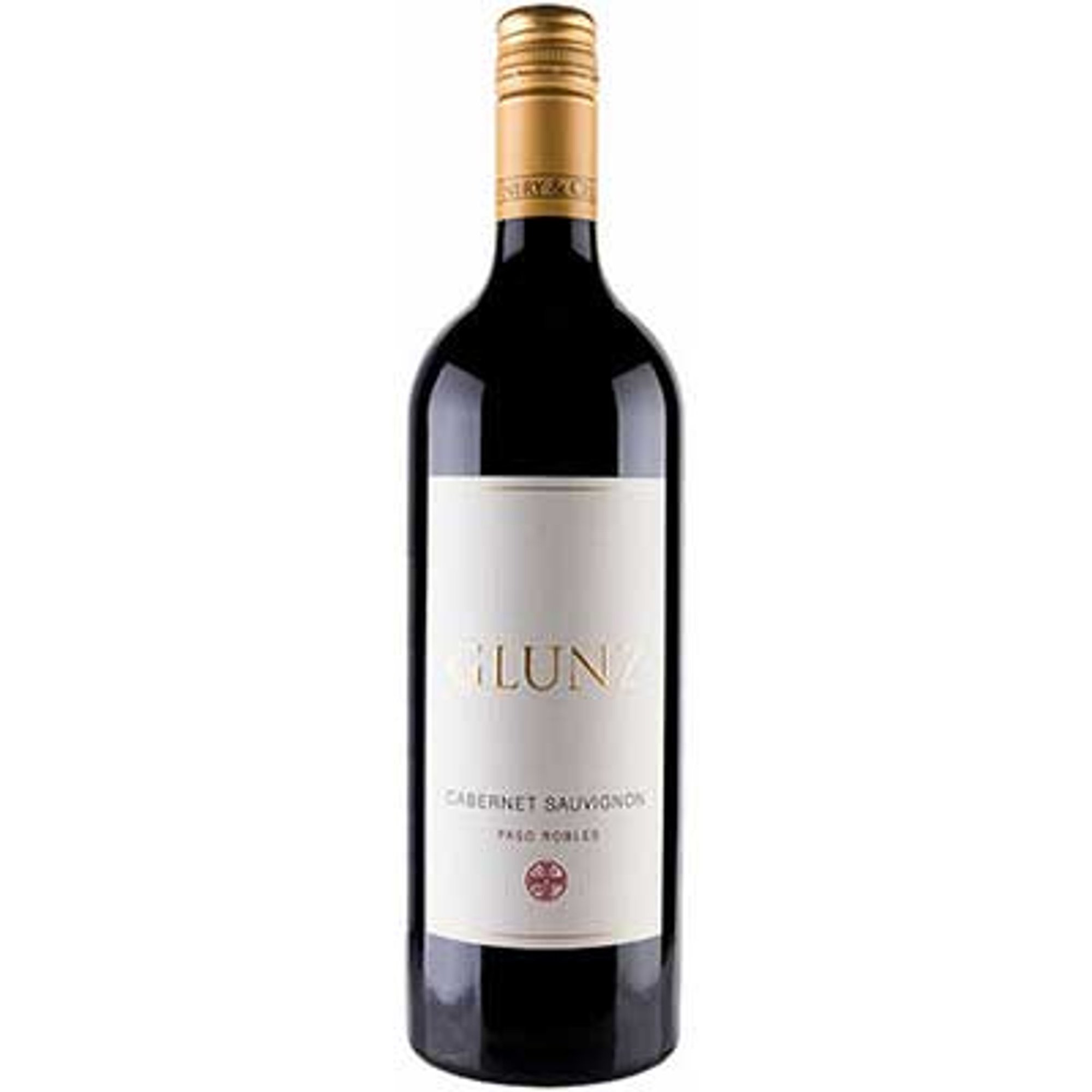
Full-bodied Cabernet Sauvignon and structured Rhône varieties showcase the Westside profile. Given the emphasis on calcareous soils and large diurnal swings, request information about vineyard sources and how different vintages reflect those site-driven conditions.
Venue details
Ambiance
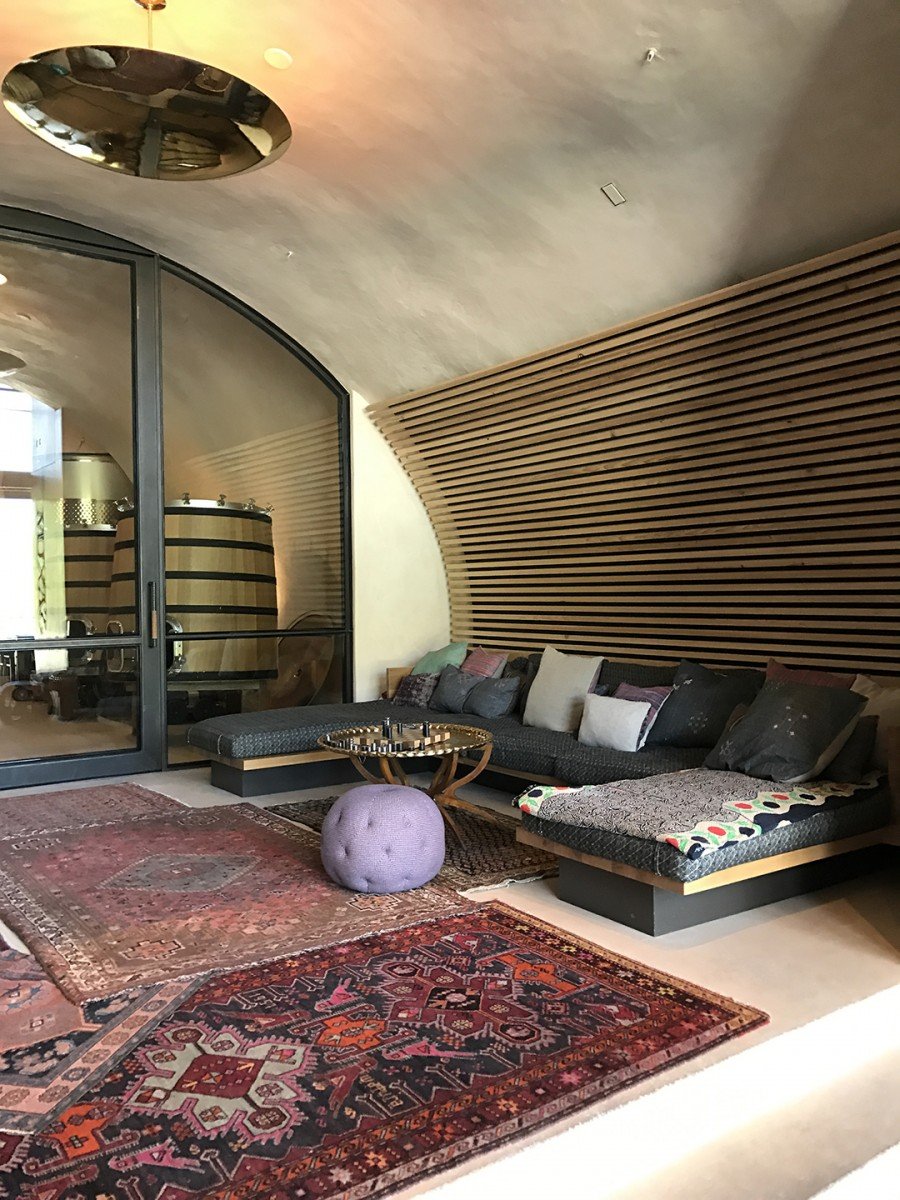
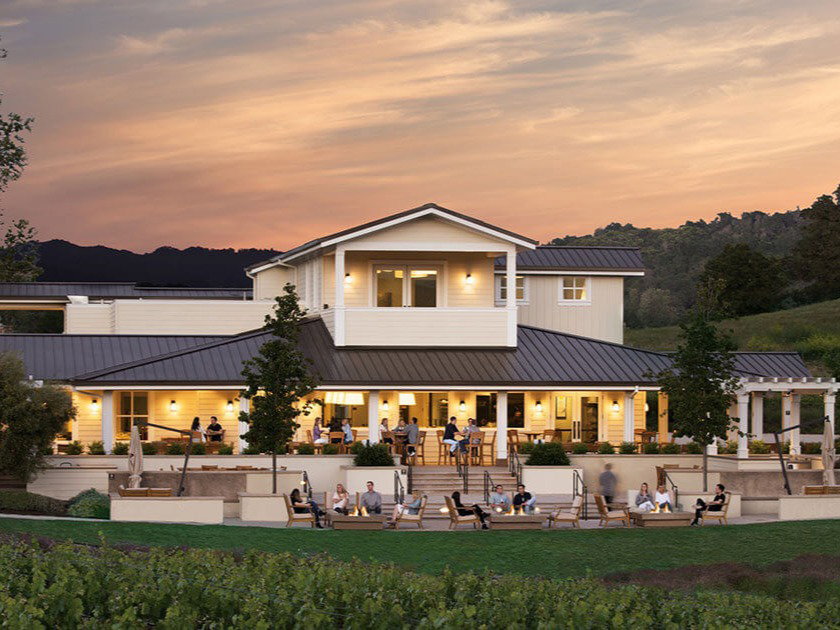
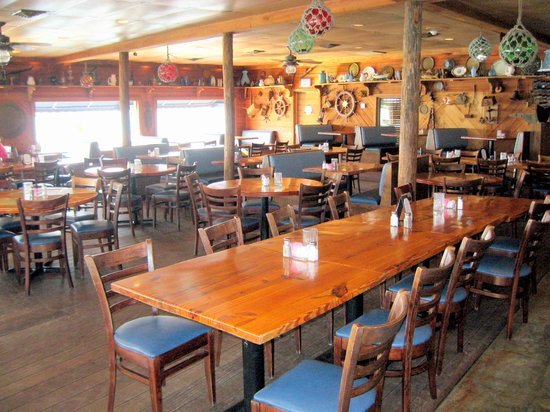
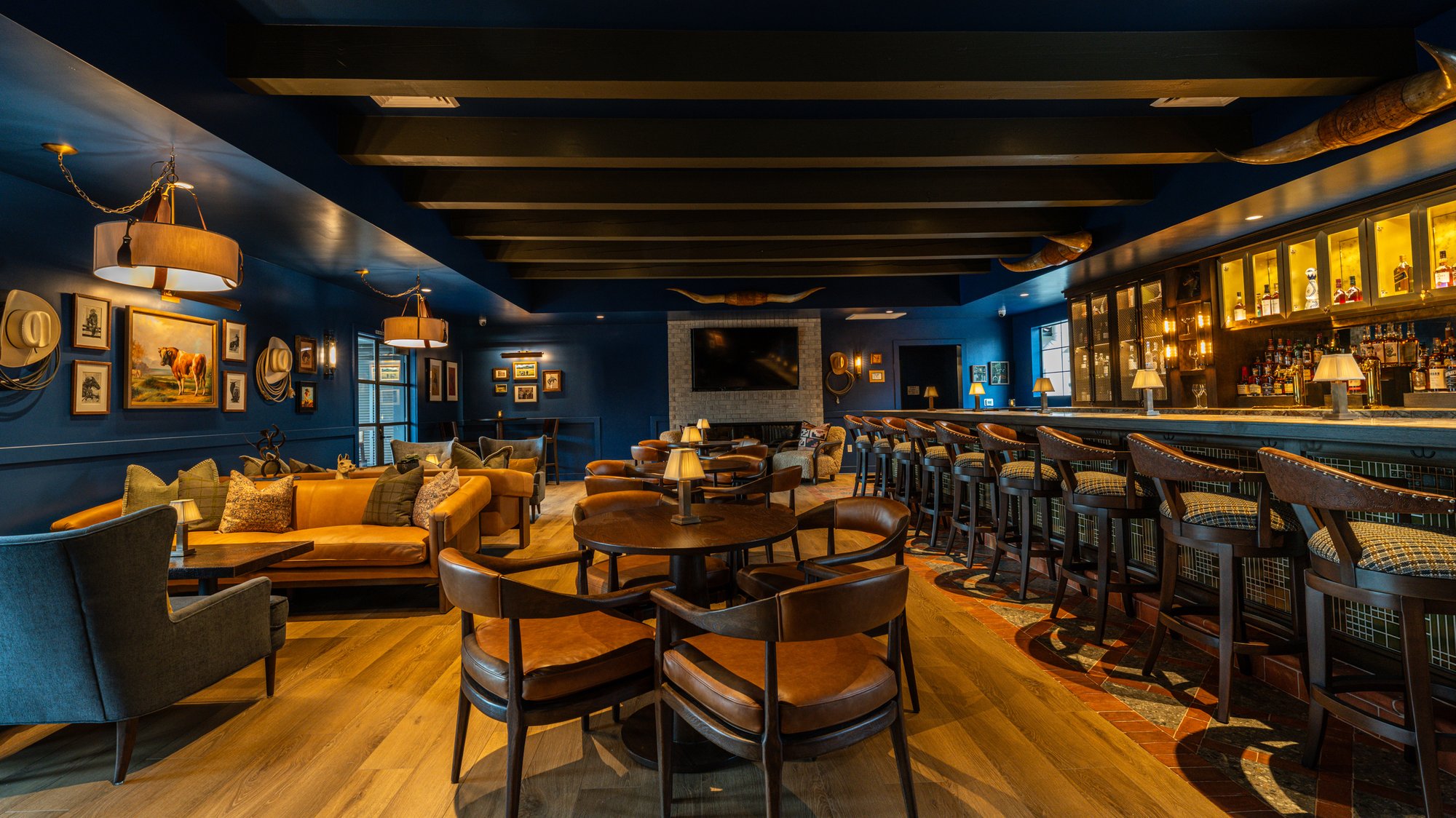
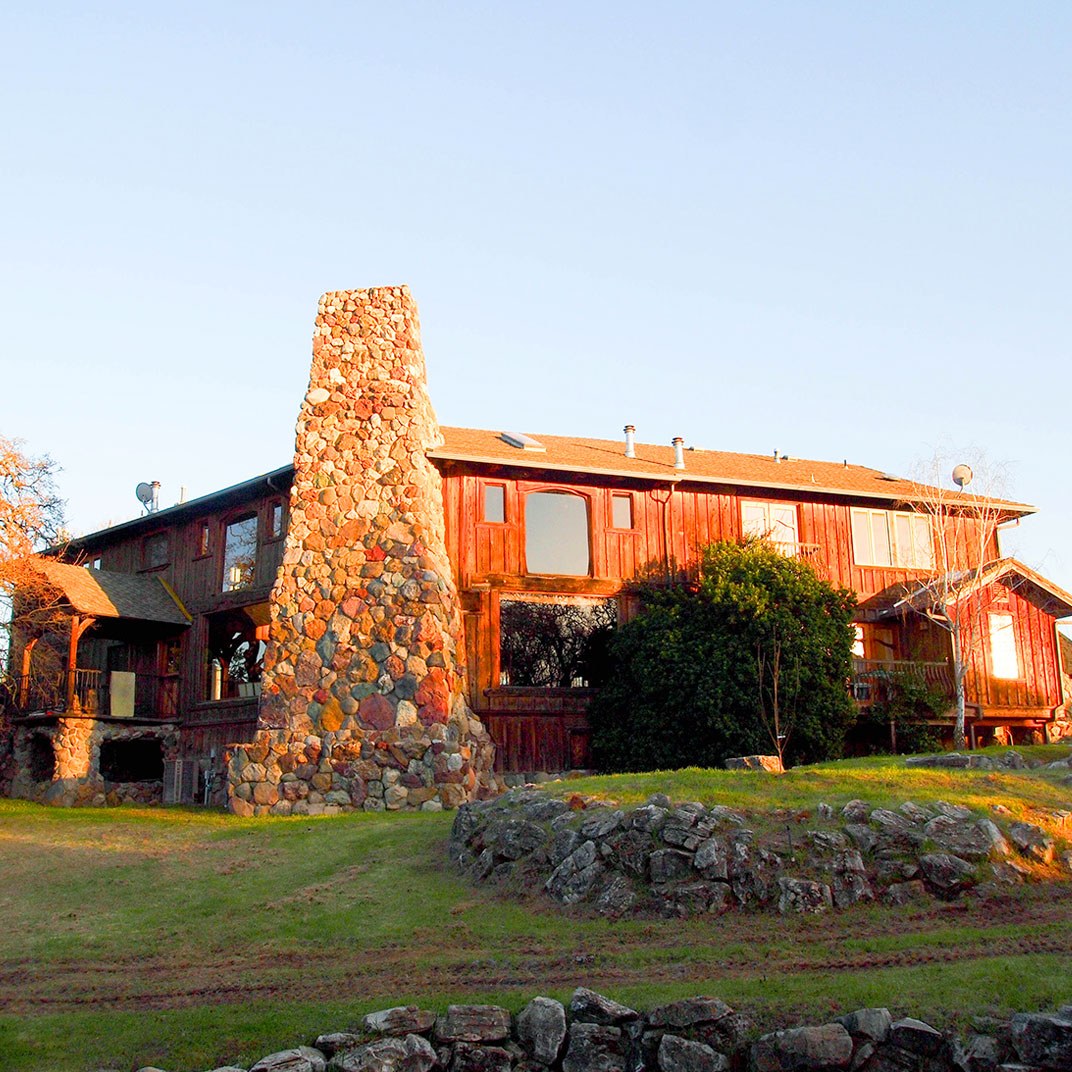
Warm and inviting tasting room with family history displays, friendly staff, and a hospitable patio area.
Tags
Vibe
Best For
Experience
View
Accessibility
At the Vineyard
- Appellation
- Paso Robles AVA
- Varietals
- Zinfandel, Cabernet Sauvignon, Syrah, Pinot Noir, Sauvignon Blanc
- Visits
- Walk-ins welcome
- Wine Styles
- Still Red, Fortified
- Wine Club
- Available
Know before you go
Know Before You Go
- Getting there
- 8331 CA-46, Paso Robles, CA 93446
Planning details
Location
Also consider
Also Consider
- Tobin James Cellars, Notable alternative
- Bianchi Winery, Notable alternative
- Barr Estate Winery, Notable alternative
- Steinbeck Vineyards & Winery, Notable alternative
- Pear Valley Vineyard, Notable alternative
Winery context
How It Compares
Choose Glunz Family Winery & Cellars if the day calls for a quieter, appointment-minded Highway 46 stop. Tobin James Cellars is the safer pick for a livelier, higher-energy tasting-room feel, while Glunz is the better fit for a first-timer who wants a more focused visit without making the day feel like a crowd-management exercise.
Bianchi Winery and Pear Valley Vineyard are useful cross-shops if ambiance and an easygoing Paso Robles afternoon matter more than a private-tasting mindset. For a smaller-scale, vineyard-forward feel, compare against Barr Estate Winery and Steinbeck Vineyards & Winery.
Value depends on the format available for the date. If Glunz can offer a more controlled tasting, it earns the slot over the broader, more casual options. If the group is large, mixed-interest, or looking for a low-commitment stop, Tobin James Cellars or Bianchi Winery will likely be easier to slot into the day.
Around this place
Discover more on Pearl
Unlock the full Glunz Family Winery & Cellars guide in Pearl, including awards, comparisons, FAQs, planning details, and nearby places.
Compare Glunz Family Winery & Cellars
| Venue | Location | Awards |
|---|---|---|
| Glunz Family Winery & Cellars | Paso Robles | No published awards |
| Tobin James Cellars | Paso Robles | No published awards |
| Bianchi Winery | Paso Robles | No published awards |
| Barr Estate Winery | Paso Robles | No published awards |
| Steinbeck Vineyards & Winery | Paso Robles | No published awards |
| Pear Valley Vineyard | Paso Robles | No published awards |
How Glunz Family Winery & Cellars Paso Robles: Worth It? compares with similar nearby venues.
FAQ
Frequently Asked Questions
Are membership details available for Glunz Family Winery & Cellars?
Review any current terms directly with Glunz Family Winery & Cellars before deciding whether they fit your plans.