
Winery in Paihuano, Chile
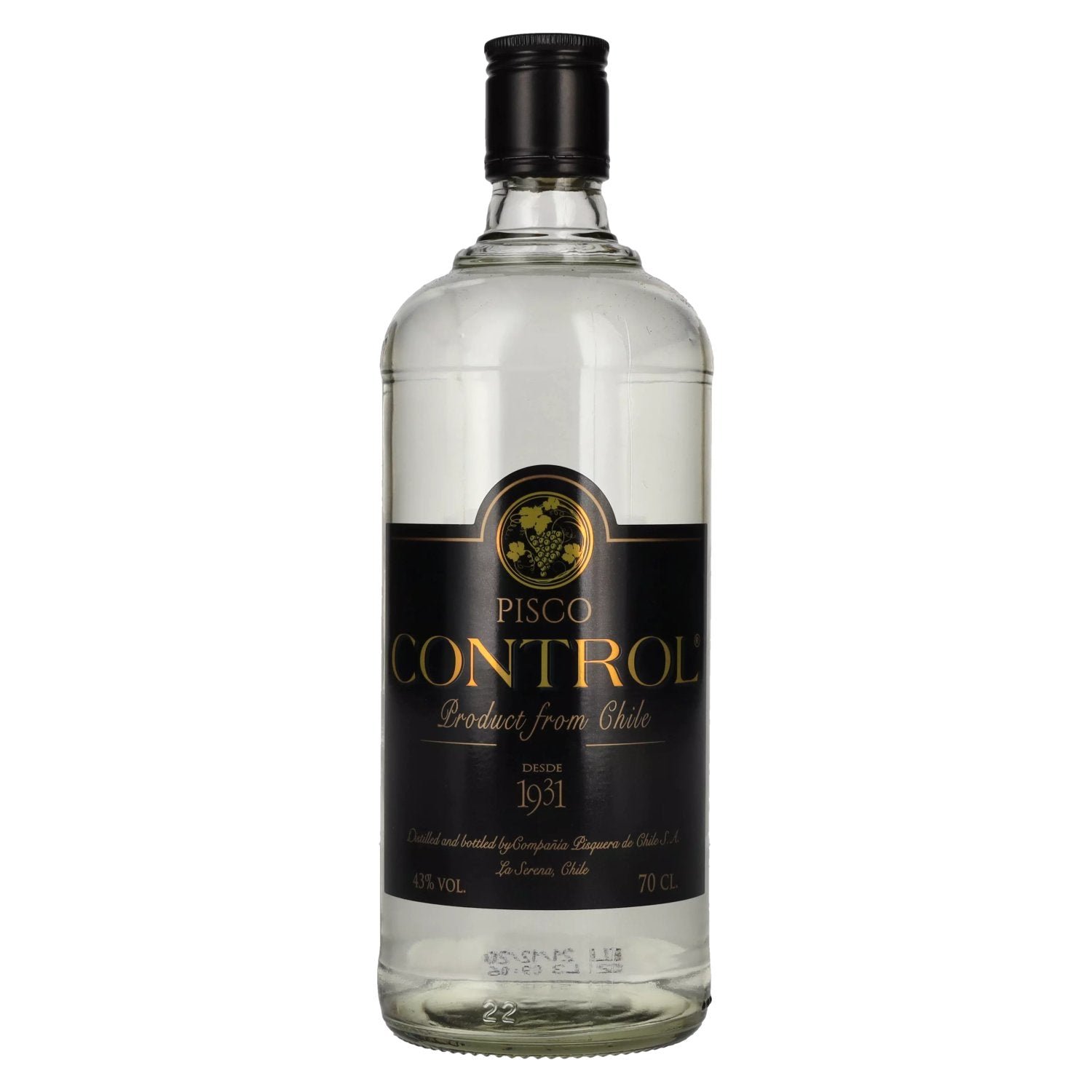
Pisco Control C
250ptsElqui Valley Craft Distillation

About Pisco Control C
Pisco Control C holds a Pearl 1 Star Prestige rating (2025) and operates from Paihuano, one of Chile's northernmost pisco-producing valleys in the Elqui region. The operation sits within a growing cohort of artisan distillers reframing Chilean pisco as a craft spirit worthy of serious attention, placing it alongside specialist producers across the Atacama and Coquimbo regions.
Paihuano and the Elqui Valley's Pisco Reckoning
The Elqui Valley arrives on you slowly. The road north from La Serena climbs through increasingly arid terrain, the Rio Elqui narrowing as the valley walls steepen, and by the time you reach Paihuano the sky is the particular deep blue that altitude and low humidity produce in combination. This is the heartland of Chilean pisco country, a region where the Muscat-family grapes that define the spirit have been cultivated since the colonial era. What has changed in the past decade is what producers are choosing to do with them. Our full Paihuano restaurants guide maps the broader picture, but the shift toward craft distillation with genuine terroir intention is the story that matters most here.
Pisco Control C holds a Pearl 1 Star Prestige rating from EP Club (2025), a recognition that places it among the considered producers in a category that has historically been dominated by large industrial operations. Chilean pisco is not yet as internationally legible as Peruvian pisco in terms of premium positioning, but a cohort of smaller Elqui and Huasco Valley distillers is working to change that calculus, one bottling at a time.
Craft Pisco in Context: Where Control C Sits
The pisco category in Chile divides into roughly three tiers. At the base sit the volume producers, whose brands dominate supermarket shelves from Santiago to Arica and whose spirit functions primarily as a mixer. A middle tier of regional cooperatives and heritage distilleries produces recognizable house styles with some geographic character. Then there is a smaller, more deliberate cohort of artisan operations that treat provenance, grape variety, and distillation approach as primary variables rather than incidental ones. Pisco Control C belongs to this third tier.
The Elqui Valley context matters here. Paihuano sits at an elevation that moderates what would otherwise be extreme desert heat, producing Muscat grapes with aromatic intensity alongside retained acidity, a combination that rewards careful distillation. For comparison, Viña Falernia in Vicuña has demonstrated through its wine program that high-altitude Elqui fruit can carry real precision when handled with restraint. The same logic applies to distillates: source quality sets the ceiling, and technique determines how close you get to it.
Pisco Alto del Carmen Distillery in Huasco represents a different geographic expression from the parallel valley to the north, where conditions differ enough to produce noticeably distinct aromatic profiles. Comparing the two distillery approaches illustrates how much the pisco category still has to say once the industrial sameness is removed from the conversation.
The Distillation Philosophy That Earns the Rating
EP Club's Pearl 1 Star Prestige designation is awarded to operations that demonstrate clear intent and execution at the prestige tier. For a pisco producer in Paihuano to earn that recognition in 2025, the underlying approach almost certainly involves decisions that separate the spirit from commodity production: selective harvesting, varietal specificity within the Muscat family, controlled fermentation, and distillation parameters that preserve rather than strip aromatic character.
Chile's Denomination of Origin regulations for pisco permit a range of grape varieties, all from the Muscat family, and the choice of which varieties to emphasize, and in what proportions, is one of the primary ways serious producers signal their intentions. Moscatel de Alejandría, Moscatel Rosada, and Pedro Jiménez each carry different flavor weights and aromatic registers. A producer making deliberate varietal choices is operating in a different register than one blending for consistency at scale.
The question of aging also differentiates the prestige tier. Chilean pisco regulations establish categories including Pisco Joven (unaged), Pisco Viejo (minimum six months in wood), and Gran Pisco (minimum twelve months). Aged expressions amplify the complexity conversation but also require patience and capital that smaller producers must weigh carefully against production volumes. The Pearl 1 Star recognition implies that whatever format Pisco Control C has chosen, the execution holds up against that deliberate standard.
The Broader Chilean Craft Spirits Context
Pisco's premium repositioning in Chile parallels what has happened across other South American spirits categories over the past fifteen years. Chilean wine producers made a similar journey: operations like Viña Seña in Panquehue and Viña De Martino in Isla de Maipo helped shift international perception of Chilean wine from volume commodity toward site-expressive fine wine, a shift that required both production changes and a new critical vocabulary to describe them. Pisco is roughly a decade behind that trajectory but moving in the same direction.
The craft distillery movement that has reshaped whisky markets in Scotland, with producers like Aberlour in Aberlour representing the established prestige tier against which newer entrants benchmark, offers another structural comparison. In both cases, the premium argument depends on demonstrable production discipline and geographic specificity, not marketing. Pisco Control C's 2025 recognition fits within that broader pattern of category premiumization built on verifiable quality signals.
Chilean wine's mid-tier producers, from Viña Undurraga in Talagante to Viña MontGras in Palmilla and Viña Valdivieso in Lontué, have built export recognition through consistent quality at accessible price points. Prestige-tier pisco has a harder task: building an international audience for a spirit most markets still associate with the Pisco Sour cocktail rather than a neat-glass conversation. That audience-building work is happening now, and producers operating at the Pearl 1 Star level are the ones doing it.
Paihuano as a Destination for Spirits Tourism
Elqui Valley attracts two overlapping visitor profiles: those coming for astronomical tourism (the valley's clear skies have made it home to serious observatories) and those tracing the pisco route that connects distilleries between Vicuña and Pisco Elqui. Paihuano sits between these points, accessible from La Serena in under two hours by road. The Destilería Kappa also operates from Paihuano, and pairing the two visits in a single day is a practical way to compare distillery approaches within the same geographic and climatic conditions.
For visitors building a broader Chilean producer itinerary, the northern pisco valleys sit at a geographic remove from the central wine valleys. Producers like Viña Casa Silva in San Fernando, Viña Santa Rita in Buin, and Viña Ventisquero in Santiago anchor the central valley wine circuit, while the pisco distilleries require a dedicated northern extension, typically based out of La Serena. The distance from Santiago to Paihuano is substantial, which means a visit to Pisco Control C is leading treated as the central purpose of a trip north rather than a side stop.
Given the venue's 2025 Pearl 1 Star Prestige recognition, booking ahead is advisable. Prestige-tier craft producers in Chile's northern valleys typically operate with limited visitor capacity, and direct contact through the venue's own channels is the most reliable way to confirm availability and current visit formats. Specific hours, pricing, and reservation policies are not published in EP Club's current data, which itself suggests this is an operation that manages access carefully rather than one relying on walk-in volumes. Contact details and visit logistics are leading confirmed directly with the venue before traveling. El Gobernador (Miguel Torres Chile) in Curicó offers a contrast point at the more established end of Chilean producer tourism infrastructure, where visit programming is codified and bookings direct.
Planning Your Visit
The Elqui Valley is driveable year-round, but the austral summer months from December through February bring both the highest temperatures and the heaviest tourist traffic on the pisco route. Spring (October to November) and early autumn (March to April) offer more moderate conditions for tastings and better availability at smaller producers. La Serena is the practical base, with a range of accommodation options and regular bus services into the valley. Car hire gives the most flexibility for multi-distillery days. Accendo Cellars in St. Helena shows how allocation-based access works at the high-attention end of the prestige tier globally; Pisco Control C's Pearl recognition suggests a similar dynamic may apply here, making early contact the most important logistical step for any serious visit.
Frequently Asked Questions
What should I taste at Pisco Control C?
EP Club holds a Pearl 1 Star Prestige rating for Pisco Control C (2025), which indicates production at a deliberate, prestige-tier level within the Elqui Valley appellation. The Elqui region's Muscat-family grapes, grown at altitude in Paihuano, produce aromatic distillates with distinct regional character. Specific current expressions and tasting formats are leading confirmed directly with the venue, as the available data does not detail current bottlings or visit programming.
What is Pisco Control C known for?
Pisco Control C is recognized as a prestige-tier craft pisco producer operating from Paihuano in Chile's Elqui Valley, earning a Pearl 1 Star Prestige designation from EP Club in 2025. It sits within a smaller cohort of artisan Elqui distillers that treat grape variety, provenance, and distillation approach as primary quality variables, distinct from the large industrial operations that dominate the broader Chilean pisco category. Pricing and format details are not available in EP Club's current dataset.
Do I need a reservation for Pisco Control C?
EP Club does not currently hold phone, website, or booking policy data for Pisco Control C. Given the Pearl 1 Star Prestige recognition and the typically limited visitor capacity of craft distilleries in the Paihuano area, contacting the venue directly before visiting is strongly recommended. Walk-in access cannot be assumed for prestige-tier producers of this scale in the Elqui Valley. La Serena is the nearest major hub for accommodation and transport logistics.
Related editorial
- Best Fine Dining Restaurants in ParisFrom three-Michelin-star icons to the next generation of Parisian chefs pushing boundaries, these are the restaurants that define fine dining in the world's culinary capital.
- Best Luxury Hotels in RomeFrom rooftop terraces overlooking ancient ruins to Michelin-starred hotel dining, these are the luxury hotels that make Rome unforgettable.
- Best Cocktail Bars in KyotoFrom sleek lounges to hidden speakeasies, Kyoto's cocktail scene blends Japanese precision with global influence in ways you won't find anywhere else.
Save or rate Pisco Control C on Pearl
Keep this venue in your Pearl passport, rate it after you visit, and track it alongside every other place you collect.
