
Weinberghof Fritsch
Oberstockstall
Winery in Oberstockstall, Austria
 Book with Pearl
The Read
Loess-Driven Estate Viticulture
Why go
Prioritise Weinberghof Fritsch for a focused Wagram wine-country visit rather than a casual walk-in tasting. It suits small special-occasion groups that care about producer identity, village setting, and Austrian wine context; travellers who need visible booking infrastructure or a broader hospitality setup should compare nearby wineries first.
About Weinberghof Fritsch
Weinberghof Fritsch is a venue in Oberstockstall with Pearl 2 Star Prestige recognition for 2025. The safest way to plan around it is to focus on the basics rather than assume a specific menu, tasting format, service style, or set of amenities.
For visitors comparing options, the key facts are simple: the venue is in Oberstockstall, the dress code is casual, and the 2025 Pearl 2 Star Prestige distinction is the clearest quality signal. If the group wants a fuller itinerary, compare Weinberghof Fritsch with other named options such as Weingut Allram, Weingut Arndorfer, Weingut Bernhard Ott, Weingut Leth, and Weingut Setzer, while checking each venue directly for current visit details.
Book this for a focused Oberstockstall visit, not on assumptions
The main planning point is to avoid reading more into the listing than is known. The facts are the Oberstockstall location, casual dress code, and Pearl 2 Star Prestige recognition for 2025, but specific hours, prices, reservation rules, tasting formats, food service, seating, and other operational details are not known.
That makes Weinberghof Fritsch best approached as a venue to check directly before building a schedule around it. For a date, anniversary, client outing, or group visit, confirm the current offering with the venue first, then plan the rest of the day around the details you receive.
Where the recognition matters for the decision
The strongest reason to keep Weinberghof Fritsch on a shortlist is its Pearl 2 Star Prestige recognition for 2025. That distinction gives the venue a clear place in a premium Oberstockstall guide without requiring unsupported claims about cuisine, beverages, tasting structure, or hospitality format.
If the occasion calls for a grounded, low-risk plan, treat the award as a quality signal and the casual dress code as the only style cue. For broader comparison, look at Weinberghof Fritsch alongside Weingut Allram, Weingut Arndorfer, Weingut Bernhard Ott, Weingut Leth, and Weingut Setzer, then confirm current details directly before choosing.
Planning details
- Location
- Schloßbergstraße 9; Oberstockstall, 3470 Kirchberg am Wagram
- Website
- fritsch.cc
- Phone
- +43 2279 5037
The take
The Take
The Vibe
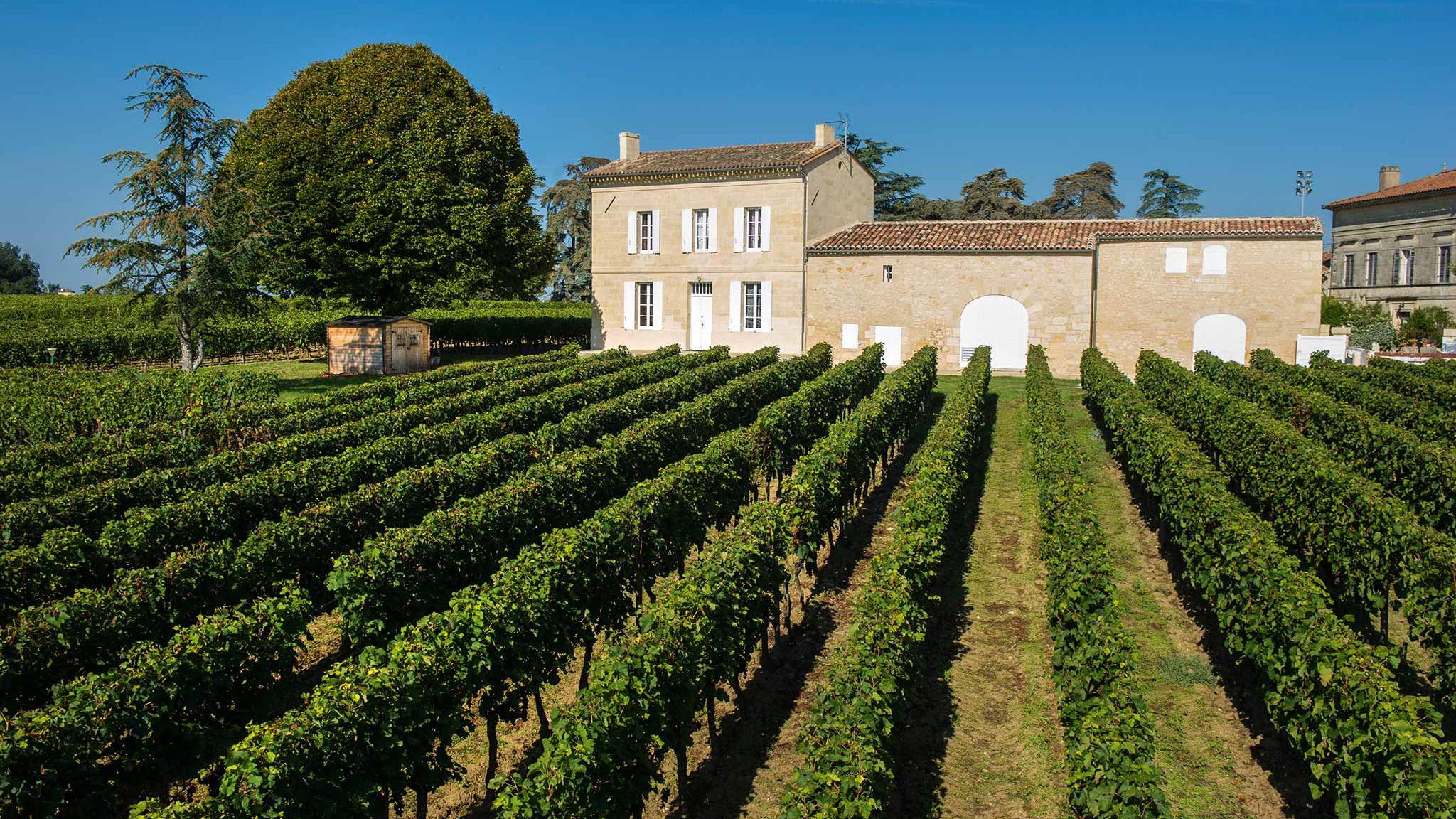
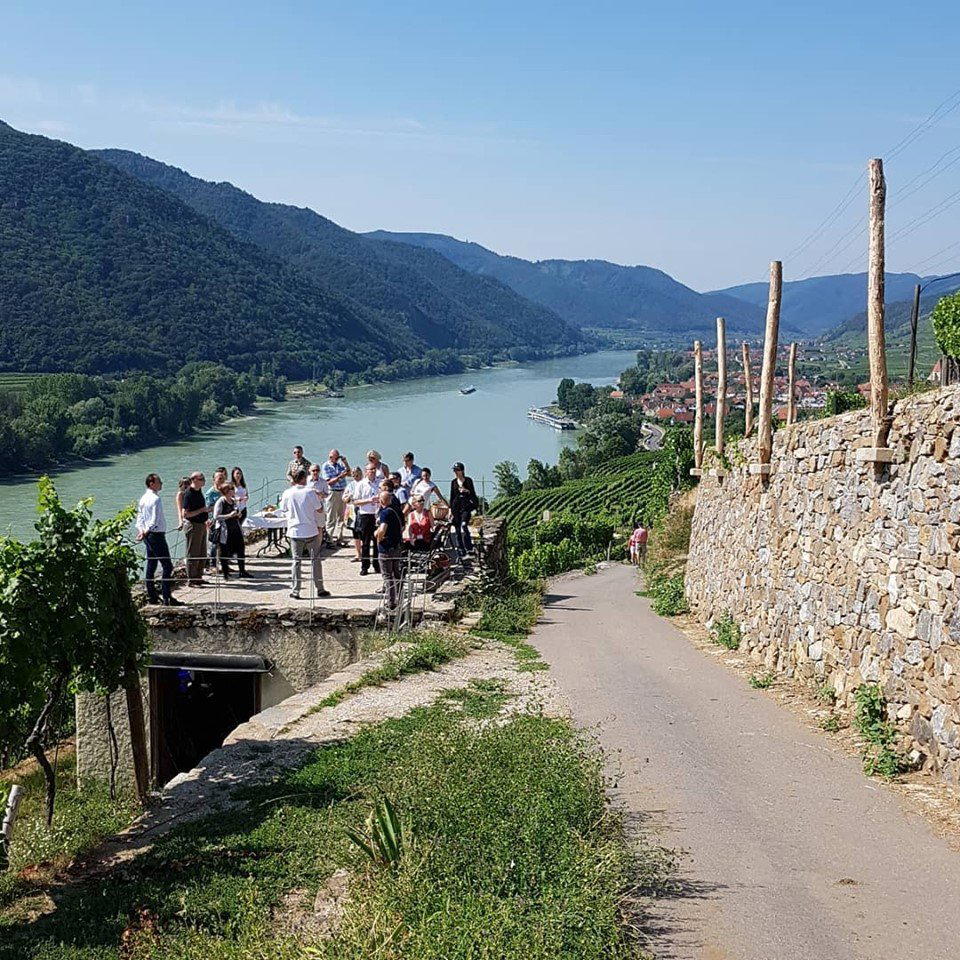
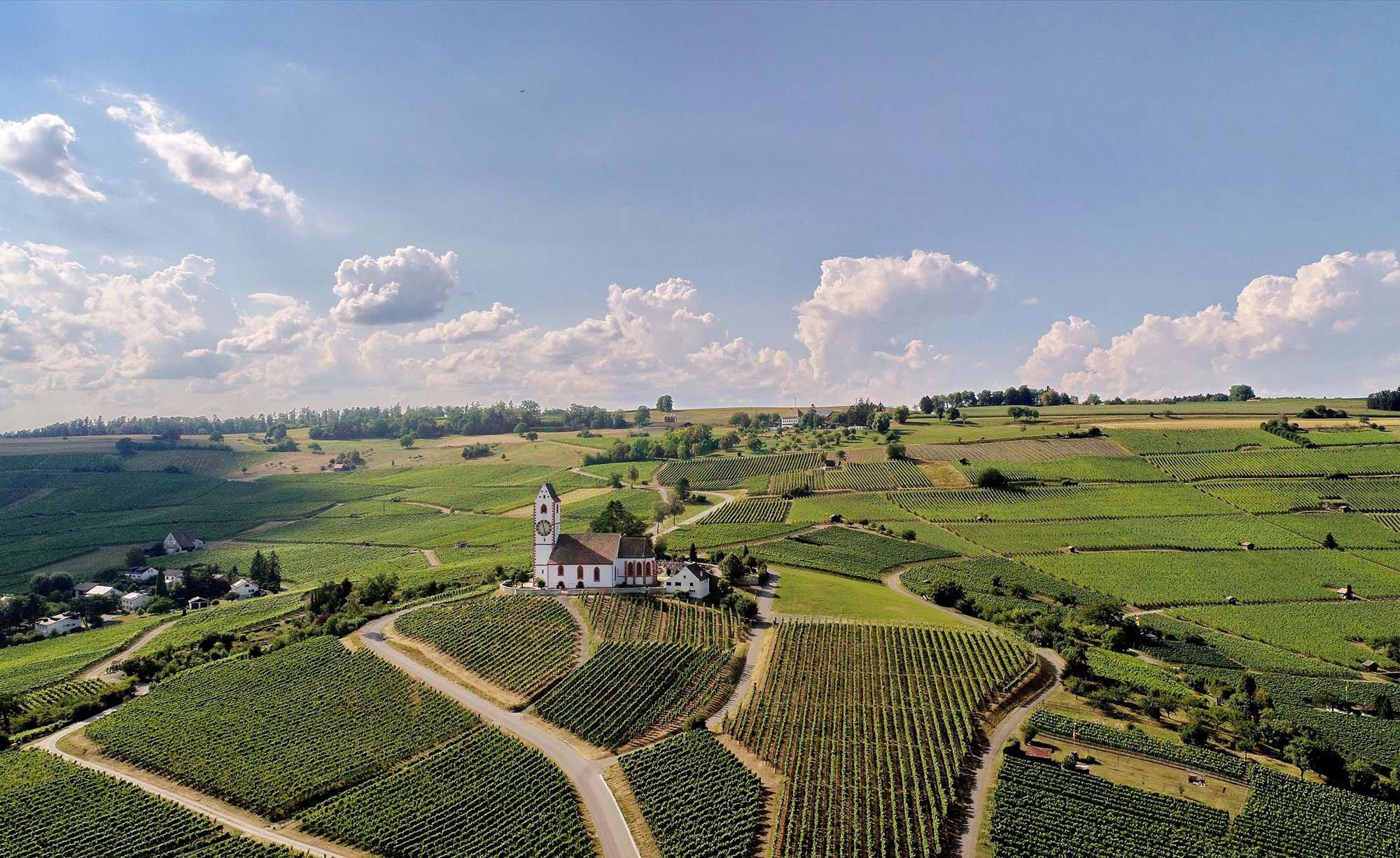
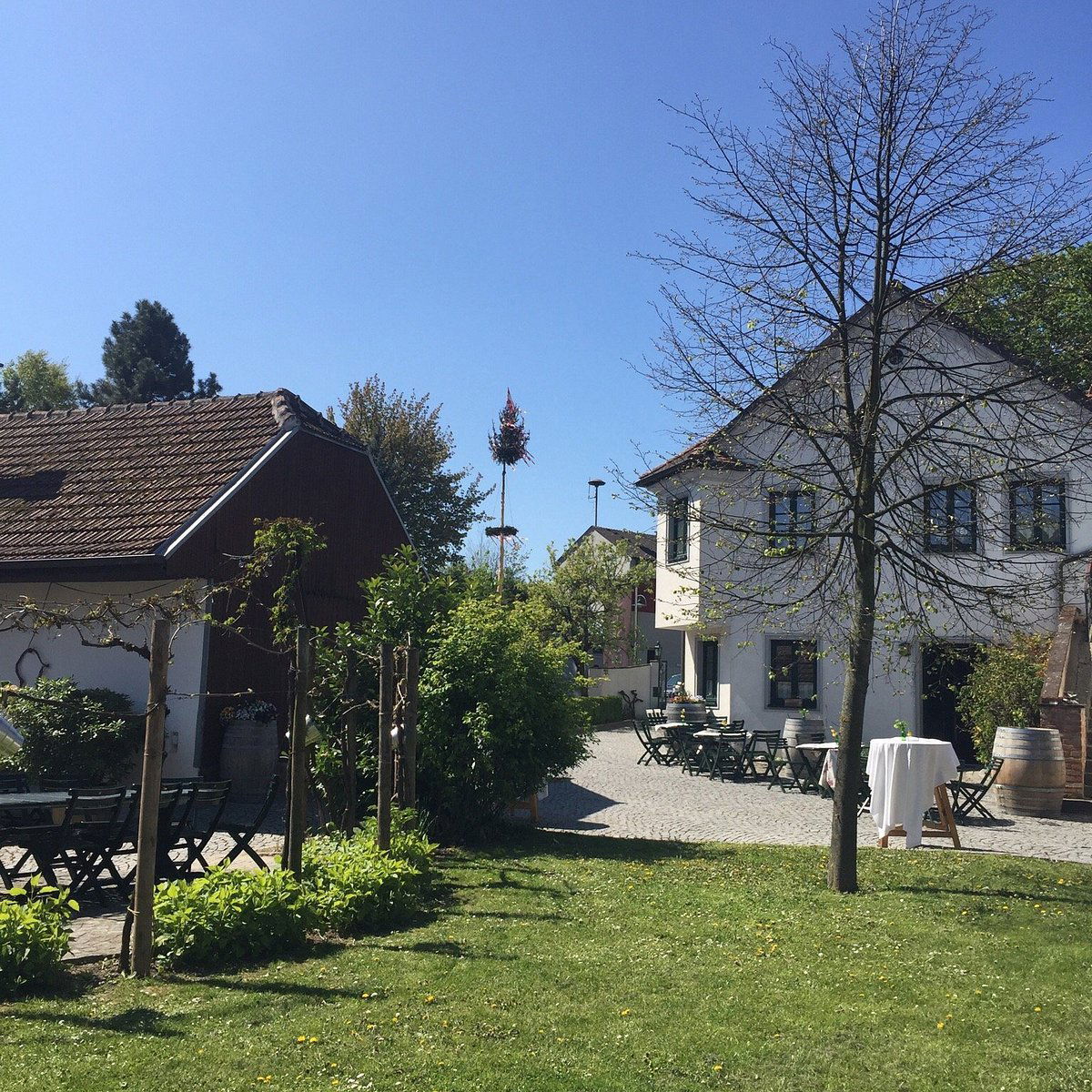
Weinberghof Fritsch presents itself quietly: narrow lanes, modest signage and vines that preface the buildings underline an understated, place-driven character. The estate sits on the Wagram ridge where deep loess soils dominate, and both farming and winemaking reflect a conservative, terroir-first outlook. Rather than showy tasting pavilions, the property reads as a classic, workmanlike estate where the land is the argument and bottles make the case. Expect a restrained, contemplative atmosphere—more study of site and soil than spectacle—where seriousness about viticulture and minimal intervention in the cellar shape the visitor experience.
Best For
This is a destination for people who want to learn about Wagram loess and Grüner Veltliner’s expression there. The profile emphasizes estate-bottling, soil-focused farming and measured winemaking, so it suits wine-education seekers and quiet solo explorers who want to focus on terroir and vintage differences. The estate’s Pearl 2 Star Prestige rating (2025) signals recognition for that approach, making the visit valuable for anyone interested in how deep loess, mineral tension and sustained acidity translate into balanced, ageworthy wines rather than crowd-pleasing, early-drinking styles.
Tasting Tips
When tasting here, center attention on Grüner Veltliner and estate-bottled wines that explicitly reference Wagram or specific loess parcels—those bottlings are the clearest expression of the region’s mineral and structural traits. Ask about vintage variation and the estate’s approach to intervention; the description notes winemaking that stays proportional to the vineyard, so producers will often highlight how soils and weather shaped a given year. Listen for notes on retained acidity and mineral character, and prioritize wines that show both structure and clarity of place.
Venue details
Ambiance
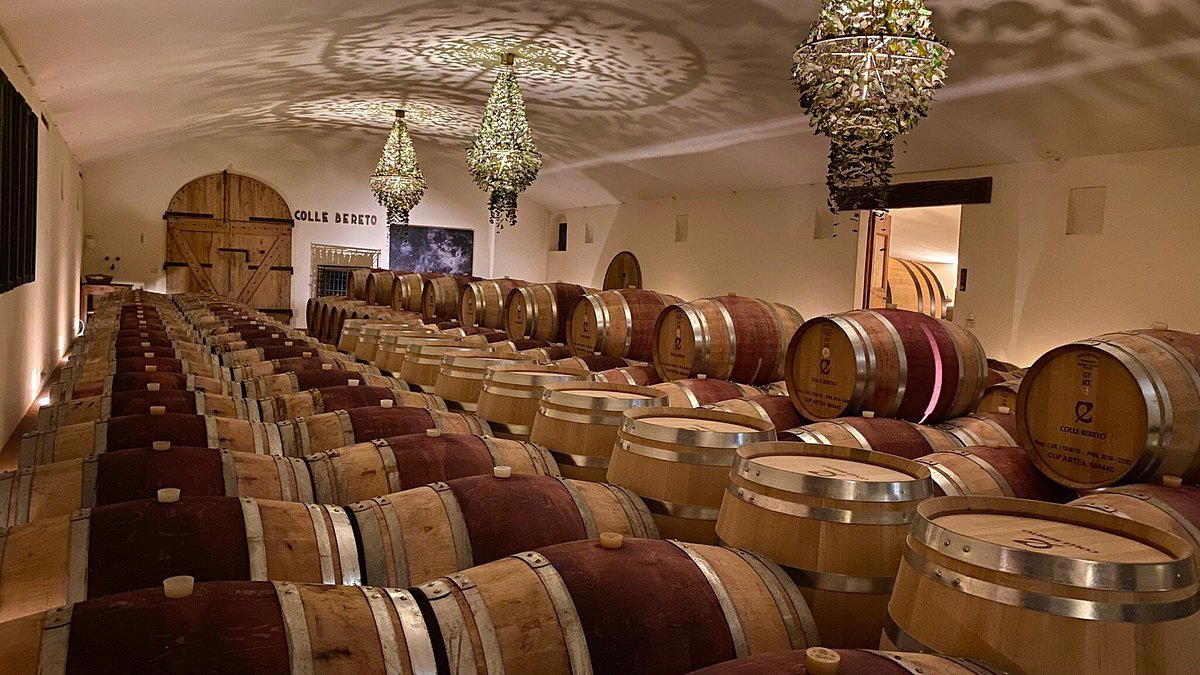
Rustic and natural atmosphere emphasizing terroir-driven wines in a family-run estate close to nature.
Tags
Vibe
Best For
Experience
Sourcing
View
At the Vineyard
- Appellation
- Wagram
- Varietals
- Grüner Veltliner, Riesling, Pinot Noir, Zweigelt
- Tour Duration
- 60-90 minutes
- Wine Club
- Not available
Know before you go
Know Before You Go
- Getting there
- Schloßbergstraße 9; Oberstockstall, 3470 Kirchberg am Wagram
Planning details
Location
Recognition and awards

Also consider
If this is difficult to arrange
Try Weingut Leth first if the goal is a Wagram wine stop with a lower-planning feel. Choose Weingut Bernhard Ott if the occasion calls for a better-known Austrian producer and the group will value recognition as much as setting.
Winery context
How Weinberghof Fritsch compares with nearby Wagram and Kamptal options
Choose Weinberghof Fritsch when the priority is a focused Oberstockstall producer visit with a quieter village feel. Weingut Leth is the more practical cross-shop for travellers who want a broader Wagram comparison, while Weingut Bernhard Ott is the better-known name to consider if reputation and cellar-door confidence matter more than intimacy.
For booking difficulty, treat Weinberghof Fritsch as the hardest plan in this set and arrange it first. Weingut Setzer and Weingut Allram are better backups for a structured wine day when the main goal is keeping the itinerary moving. Weingut Arndorfer is the more useful cross-shop for drinkers who want a comparison beyond a single village mood.
On value, Weinberghof Fritsch is worth the effort if the group values producer specificity and a quieter Wagram setting. If the day needs easier logistics, stronger name recognition, or a lower-risk plan for mixed-interest guests, start with Weingut Leth or Weingut Bernhard Ott instead.
Explore Oberstockstall
Around this place
Discover more on Pearl
Unlock the full Weinberghof Fritsch guide in Pearl, including awards, comparisons, FAQs, planning details, and nearby places.
Compare Weinberghof Fritsch
| Venue | Location | Awards |
|---|---|---|
| Weinberghof Fritsch | Oberstockstall | 2026 Falstaff Winery Guide |
| Weingut Leth | Fels am Wagram | 2026 Falstaff Winery Guide |
| Weingut Setzer | Hohenwarth | 2026 Falstaff Winery Guide |
| Weingut Bernhard Ott | Feuersbrunn | 2026 Falstaff Winery Guide |
| Weingut Arndorfer | Straß im Straßertale | 2026 Falstaff Winery Guide |
| Weingut Allram | Straß im Straßertale | 2026 Falstaff Winery Guide |
How Weinberghof Fritsch Oberstockstall compares with similar nearby venues.
FAQ
Frequently Asked Questions
Are membership or club details available for Weinberghof Fritsch?
Membership or club details are not available. The facts are that Weinberghof Fritsch is in Oberstockstall, has a casual dress code, and holds Pearl 2 Star Prestige recognition for 2025. Check the venue directly before joining any membership or buying arrangement.
Do I need a reservation at Weinberghof Fritsch?
Reservation requirements are not known. Because specific hours and booking rules are not known, contact Weinberghof Fritsch directly before planning a visit to Oberstockstall.
Are specific offerings at Weinberghof Fritsch known?
Specific offerings are not known. The Pearl 2 Star Prestige (2025) recognition is the clearest quality signal, but current line-ups, formats, and visit details should be checked through the venue's official channels.
How long should I plan for a visit to Weinberghof Fritsch?
What other venues should I compare with Weinberghof Fritsch?
For comparison, consider Weingut Leth, Weingut Setzer, Weingut Bernhard Ott, Weingut Arndorfer, and Weingut Allram. Choose Weinberghof Fritsch if the Oberstockstall location and Pearl 2 Star Prestige (2025) recognition make it the strongest fit for your plan.
When is the best time to visit Weinberghof Fritsch?
The best time to visit is not known. Contact Weinberghof Fritsch directly for current availability, then plan around details rather than assumed hours or service patterns.