
Weingut Hermann Dönnhoff
Oberhausen an der Nahe
Winery in Oberhausen an der Nahe, Germany
 Book with Pearl
The Read
Nahe Terroir Precision
Why go
Weingut Hermann Dönnhoff is a high-priority Nahe stop for serious Riesling drinkers, especially if the visit is tied to a celebration or collector-focused itinerary. It is not the right pick for a casual drop-in tasting or food-led afternoon; plan ahead and keep a nearby backup in case access does not line up.
About Weingut Hermann Dönnhoff
Weingut Hermann Dönnhoff is a premium venue in Oberhausen an der Nahe with 4 Star Prestige recognition for 2025. Plan with care and check the venue's own channels before making a visit the centre of a special trip.
The key details to note are its Oberhausen an der Nahe location, smart casual dress code, and 4 Star Prestige (2025) recognition. Specific details about tastings, food, service format, prices, opening hours, or appointment requirements are not established, so they should not be assumed when planning.
Go for a carefully planned Oberhausen an der Nahe stop
The decision point is simple: Weingut Hermann Dönnhoff is worth considering when you want a premium venue in Oberhausen an der Nahe with confirmed recognition. Keep expectations precise rather than expansive. The venue does not present a restaurant experience, a tasting format, a menu, or a broader hospitality program.
For a date, anniversary, client visit, or Oberhausen an der Nahe detour, confirm the practical details directly before building the day around it. Smart casual dress is the confirmed dress guidance, so the safest approach is polished but not formal.
Plan the Oberhausen stop around confirmation, timing, and alternatives
Because visit details are thin, the practical move is to secure plans before building the day around it. For nearby planning, use confirmed details first, then fill the rest of the trip with restaurants and other options in Oberhausen an der Nahe. The stronger the occasion, the more important it is to have a backup plan ready.
If this is part of a broader itinerary, compare Weingut Hermann Dönnhoff with other notable references such as Gut Hermannsberg, Weingut Dr. Crusius, Weingut Jakob Schneider, Weingut Prinz Salm, and Weingut Schäfer-Fröhlich. Use those names as planning references, while confirming each venue's location, availability, and visit details separately.
Quick reference: keep Weingut Hermann Dönnhoff on the shortlist for a premium Oberhausen an der Nahe plan, but confirm all operational details directly before treating it as the anchor of the day.
Planning details
- Location
- Bahnhofstraße 11, 55585 Oberhausen an der Nahe
- Website
- doennhoff.com
- Phone
- +49 6755 263
The take
The Take
The Vibe
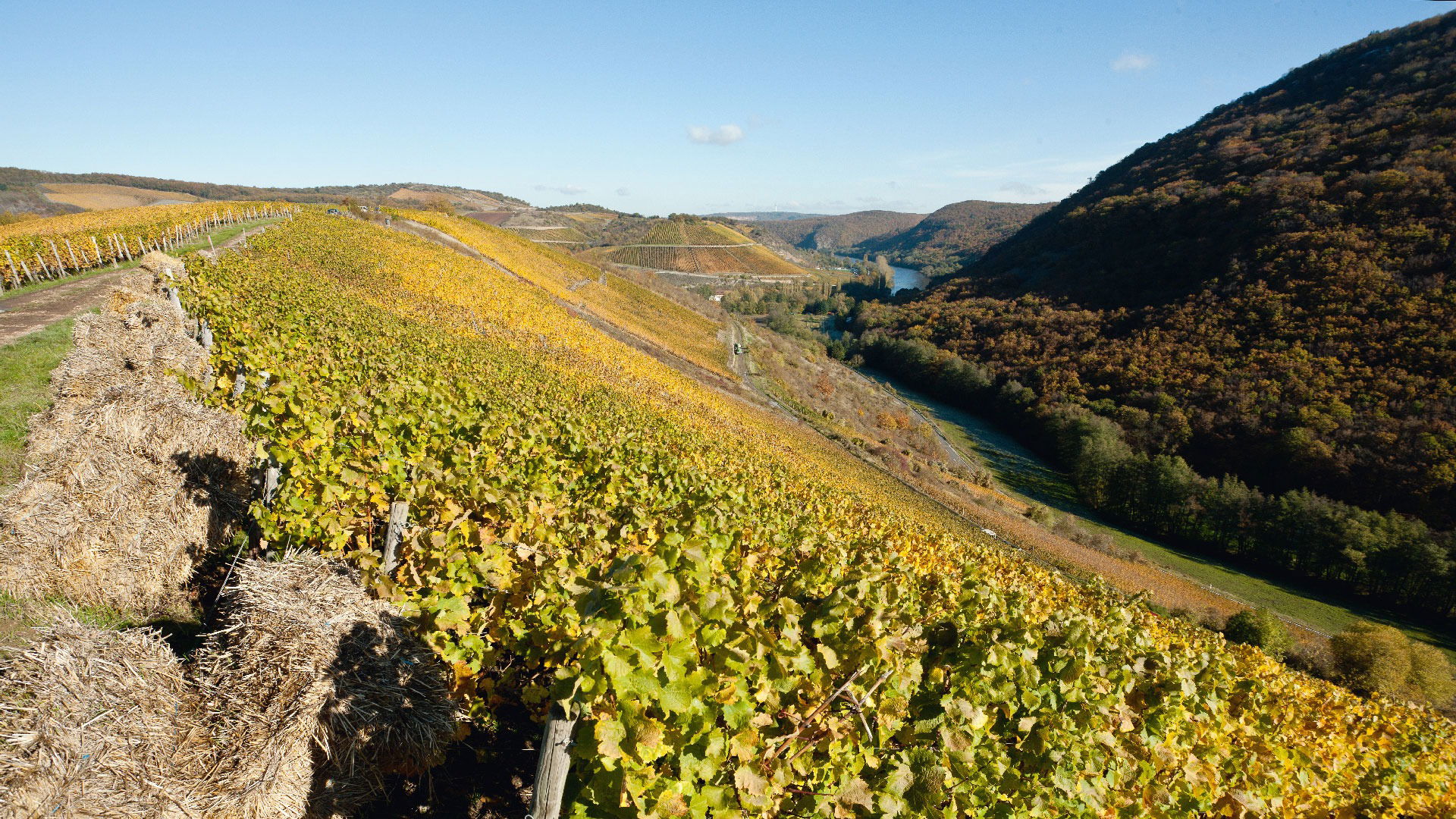
Weingut Hermann Dönnhoff reads as a measured, terroir-driven institution at the upper tier of Nahe Riesling. The writing positions the estate as a touchstone for serious Riesling drinkers and collectors, with an emphasis on geological variety—blue slate, porphyry, sandstone—that shapes precise, mineral-led wines. The tone is refined and scholarly rather than flashy: this is a place for tasting clarity, layered tension and technical expression. Visitors can expect a focused, sophisticated atmosphere suited to people who want to follow site-specific differences and see how soil translates directly into structure and acidity in the bottle.
Best For
This estate is best for people who come to learn and to collect. The profile repeatedly addresses terroir literacy and prestige—VDP classification, auction markets and aged Auslese—so it suits wine-education minded visitors, serious collectors researching provenance, and anyone marking a special occasion with site-expressive Riesling. Solo visitors who prefer contemplative tastings and small groups of informed drinkers will find the experience most rewarding; casual or noisy outings are not the emphasis here. The setting and reputation encourage focused tasting and deliberate comparison across sites and vintages.
Tasting Tips
Order Riesling and focus on site-designated bottlings that showcase the Nahe’s soil diversity—look for wines sourced from porphyry, slate and other named parcels. The copy calls out aged Auslesen and prestige rankings, so seeking out higher-tier or archive bottlings and anything labelled with VDP or vintage age will reveal textural nuance and cellarability. Taste across multiple site expressions to appreciate contrasts in acidity and mineral profile; if available, ask about the producer’s most highly rated or prize-winning releases (the piece cites a 2025 Pearl 4 Star Prestige rating) to see exemplary examples of the house style.
Venue details
Ambiance
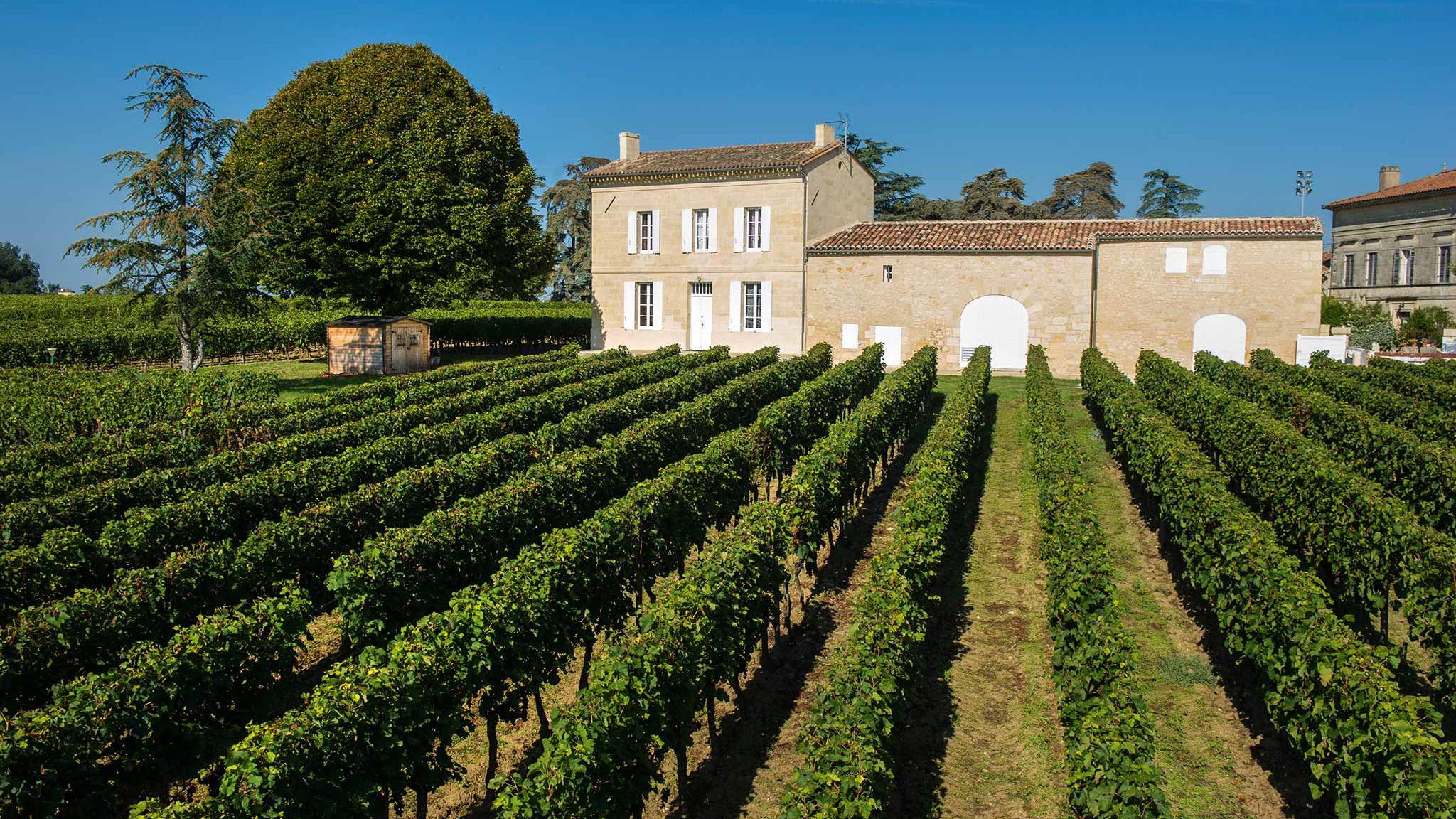
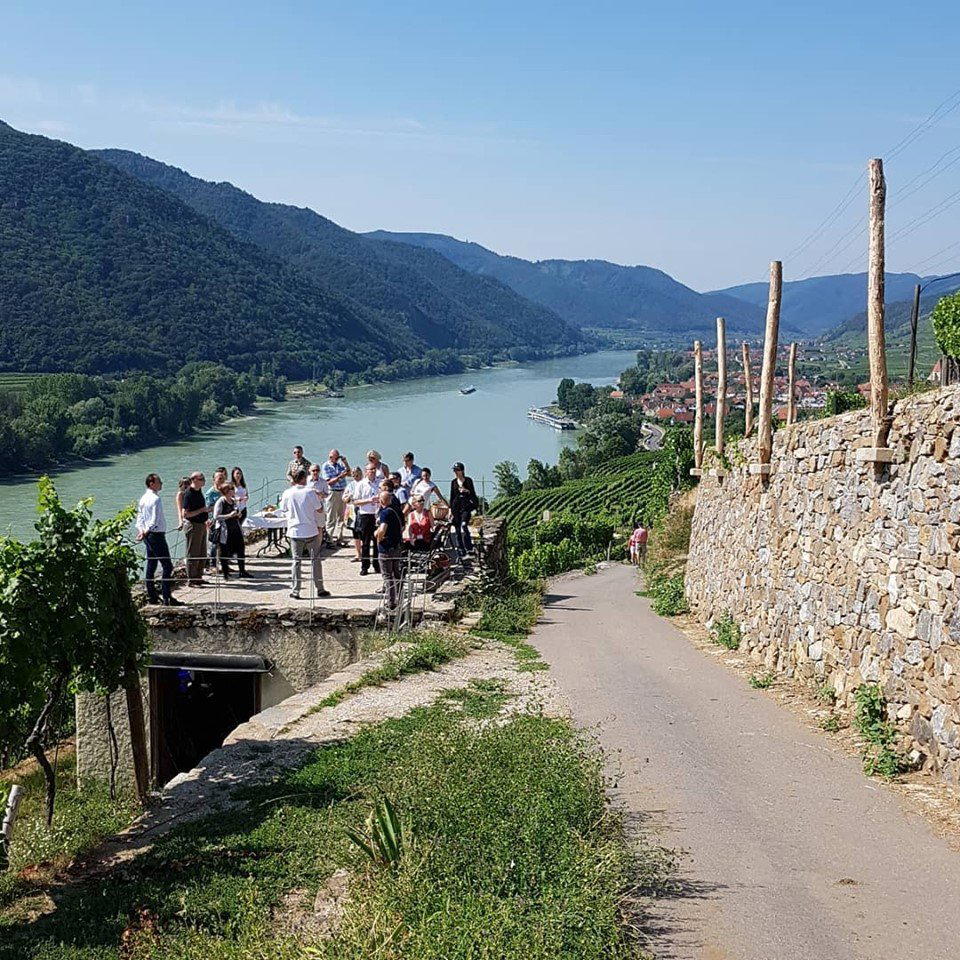
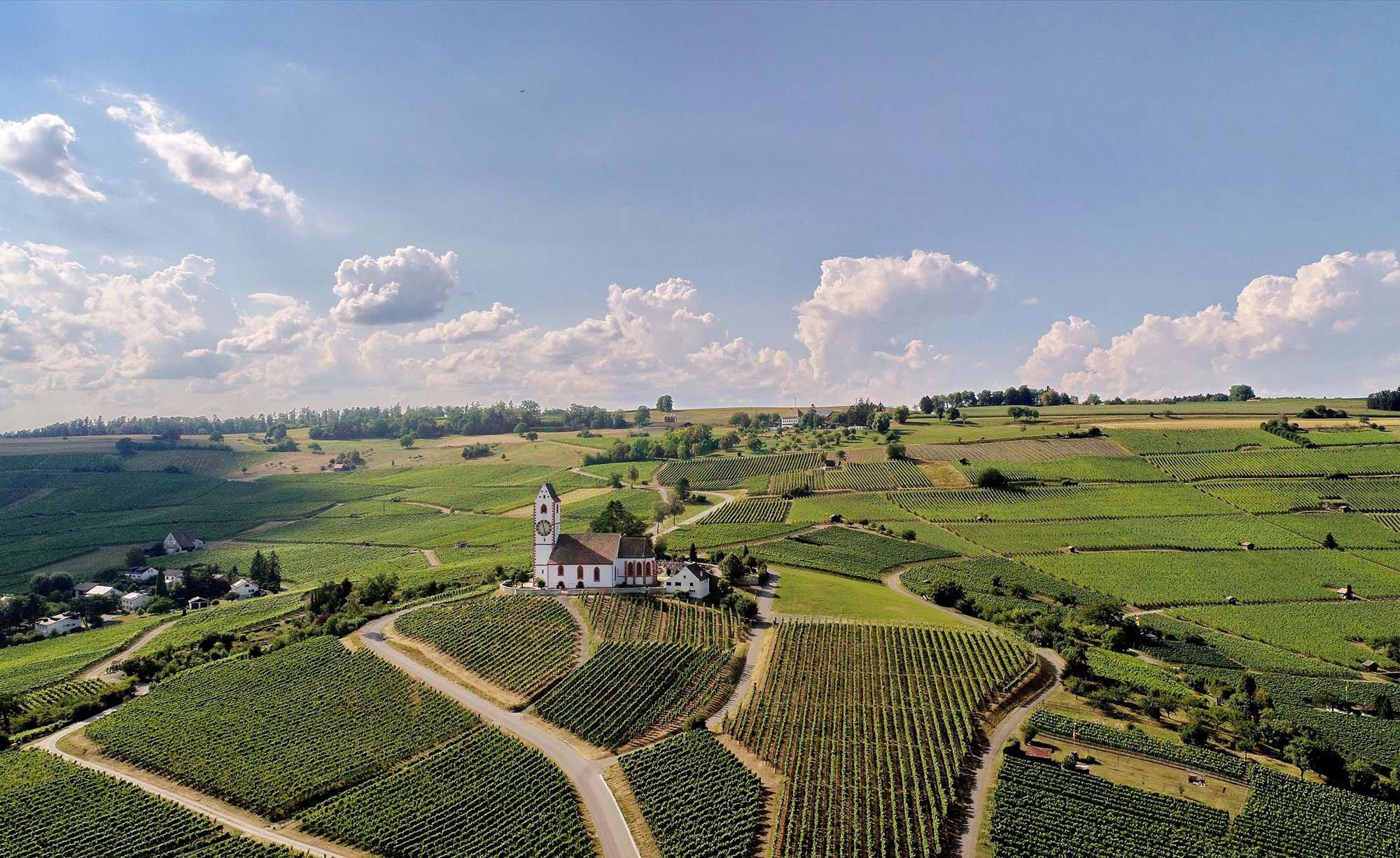
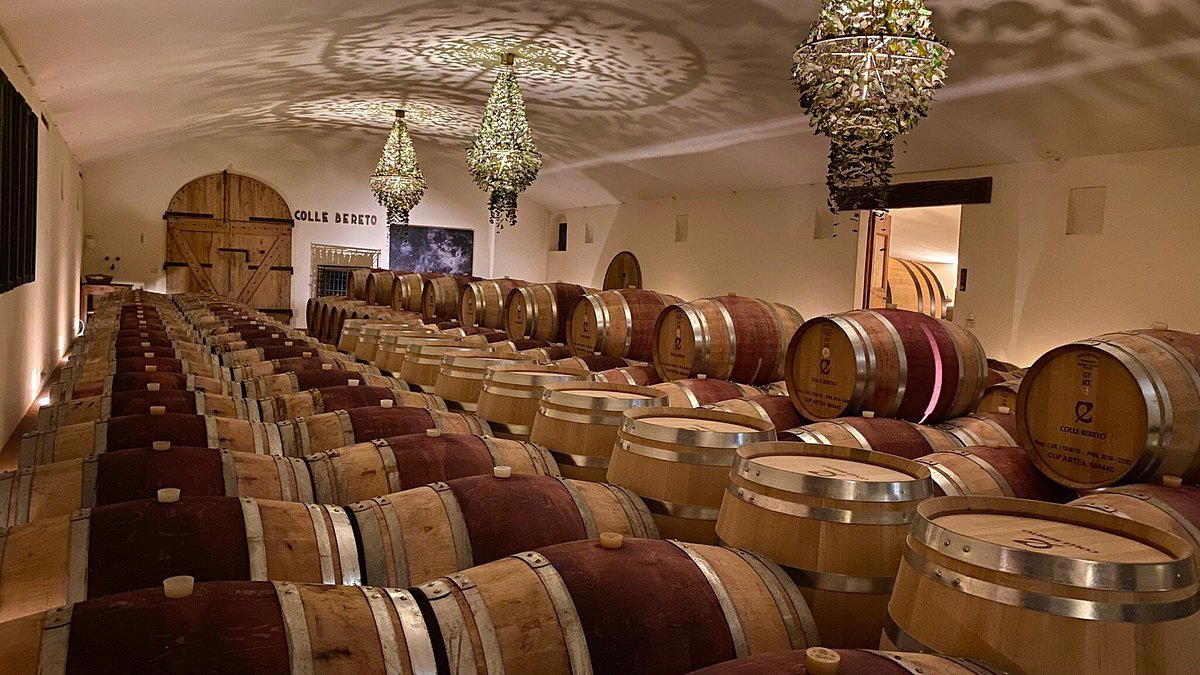
Pastoral and serene riverside valley setting with a focus on traditional craftsmanship and terroir transparency.
Tags
Vibe
Best For
Experience
Sourcing
View
At the Vineyard
- Appellation
- Nahe
- Varietals
- Riesling, Pinot Blanc, Pinot Gris
- Tour Duration
- 60-90 minutes
- Tour Languages
- German
- Visits
- By appointment only
- Farming
- Sustainable
- Production
- Small producer
- Wine Styles
- Still White
- Wine Club
- Available
Know before you go
Know Before You Go
- Getting there
- Bahnhofstraße 11, 55585 Oberhausen an der Nahe
Planning details
Location
Recognition and awards

Also consider
If You Can't Secure It
Try Gut Hermannsberg first if the trip needs a satisfying winery visit with a stronger estate-day feel. For a wine-focused backup, look at Weingut Schäfer-Fröhlich; it is the right cross-shop when the group cares more about bottle quality than easy logistics.
Winery context
How It Compares
Choose Weingut Hermann Dönnhoff when the wine itself is the point of the trip. Against Gut Hermannsberg, it reads as the more collector-driven choice; Gut Hermannsberg is the easier recommendation for visitors who want a broader estate feel and a more scenic day around the winery experience.
Weingut Jakob Schneider and Weingut Dr. Crusius are better cross-shops if value and practical access matter more than prestige. They make more sense for travellers who want a strong Nahe tasting without building the day around one difficult appointment.
Weingut Schäfer-Fröhlich is the closest peer for serious wine intent, so compare availability first rather than treating one as a fallback for the other. Weingut Prinz Salm is the better fit when the group wants heritage atmosphere and a less narrowly Riesling-collector lens.
Explore Oberhausen an der Nahe
Around this place
Discover more on Pearl
Unlock the full Weingut Hermann Dönnhoff guide in Pearl, including awards, comparisons, FAQs, planning details, and nearby places.
Compare Weingut Hermann Dönnhoff
| Venue | Location | Awards |
|---|---|---|
| Weingut Hermann Dönnhoff | Oberhausen an der Nahe | 2026 Falstaff Winery Guide |
| Gut Hermannsberg | Niederhausen | 2026 Falstaff Winery Guide |
| Weingut Jakob Schneider | Niederhausen | 2026 Falstaff Winery Guide |
| Weingut Dr. Crusius | Traisen | 2026 Falstaff Winery Guide |
| Weingut Schäfer-Fröhlich | Bockenau | 2026 Falstaff Winery Guide |
| Weingut Prinz Salm | Wallhausen | 2026 Falstaff Winery Guide |
How Weingut Hermann Dönnhoff compares with similar nearby venues.
FAQ
Frequently Asked Questions
What should I wear to Weingut Hermann Dönnhoff?
Smart casual is the confirmed dress guidance. Choose polished, comfortable clothing rather than assuming a formal dress code.
Does Weingut Hermann Dönnhoff serve food?
Food service details are not established. Do not assume a food-led visit, menu, or pairing format without checking the venue's official channels first.
How long should I plan for a visit to Weingut Hermann Dönnhoff?
A specific visit length is not established. If you are planning around Weingut Hermann Dönnhoff in Oberhausen an der Nahe, confirm the expected timing directly with the venue before setting the rest of your itinerary.
When is the best time to visit Weingut Hermann Dönnhoff?
Specific opening hours and best visiting times are not established. Check directly with the venue before travelling, and consider other references such as Weingut Jakob Schneider or Weingut Prinz Salm when building a wider itinerary.