
Winery in Oatlands, Australia
Callington Mill Distillery
500ptsMidlands Terroir Distilling
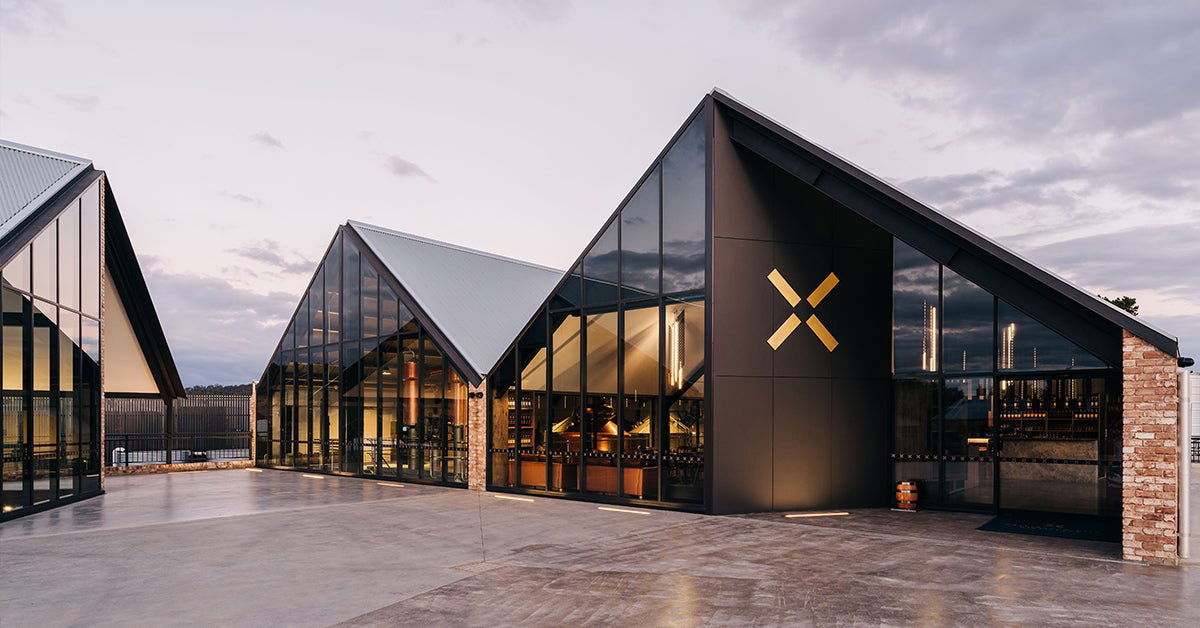
About Callington Mill Distillery
Callington Mill Distillery operates from a historic site in Oatlands, Tasmania's well-preserved Georgian town, and holds a Pearl 2 Star Prestige rating for 2025. The distillery draws on the island's cool-climate character and clean water sources, placing it within a small cohort of Australian craft spirits producers that prioritise provenance over volume. A visit pairs naturally with a broader exploration of the Midlands.
Where Tasmania's Midlands Shape the Spirit
Oatlands sits roughly midway along the heritage highway that links Hobart to Launceston, a stretch of the Tasmanian Midlands where Georgian sandstone buildings have survived largely intact since the convict era. The town is quiet by any urban measure, which is partly the point. Producers who choose locations like this are making an argument about provenance before a single bottle is filled: that the water, the air, and the agricultural character of a place should be legible in the finished product. Callington Mill Distillery, at 6 Mill Lane, occupies exactly that kind of setting, its address placing it adjacent to one of Tasmania's most photographed historic windmills.
The choice of Oatlands is not incidental to what happens inside. Tasmania has developed a credible identity in cool-climate spirits production over the past two decades, a reputation built on barley grown in the island's central highlands, water drawn from sources that carry almost no mineral interference, and a temperature range that slows fermentation and maturation in ways that continental Australian distilleries cannot replicate. Callington Mill sits within that argument, in a town that makes the provenance case visually and historically before the distillery even opens its doors.
The 2025 Pearl 2 Star Prestige Recognition
Among Australian craft distilleries, recognition at the Pearl 2 Star Prestige level for 2025 places Callington Mill in a tier that acknowledges both product quality and the broader integrity of a distillery's approach. Pearl ratings in the Australian spirits context operate as a quality benchmark across categories rather than a single-release accolade, meaning the recognition speaks to consistency and the overall program rather than one exceptional year. For visitors assessing whether to make the detour from the main highway, that kind of sustained recognition carries more weight than a single competition medal.
To put the peer context in broader terms: Australia's craft distillery sector has grown substantially since the mid-2010s, with operations ranging from urban gin producers in Sydney and Melbourne, such as Archie Rose Distilling Co in Sydney, to regionally grounded whisky and brandy houses. The producers that accumulate prestige-level recognition tend to be those where geography is doing genuine work, not just providing a postcode for label copy. Callington Mill's Oatlands address, and the Pearl 2 Star standing, positions it in the latter category.
Terroir in Distilled Form: What the Tasmanian Midlands Contribute
The concept of terroir, borrowed from wine, is contested in spirits but not meaningless. In whisky production specifically, the grain variety, peat character (or its absence), water chemistry, and the temperature cycling of the maturation environment all shape the final spirit in ways that are traceable. Tasmania's Midlands offers a particular set of conditions: cool summers that produce barley with higher protein and starch profiles, low humidity that reduces the so-called angel's share more slowly than warmer climates, and an absence of the mineral heaviness found in water drawn from older geological formations elsewhere on the continent.
These are the same arguments made by the island's most discussed distilleries, and they explain why Tasmania has attracted comparisons with Scotch whisky regions despite operating at a fraction of the scale. The Midlands specifically, as opposed to coastal or mountain Tasmanian sites, adds a flatland agricultural character: grain grown nearby, a landscape that has been worked since the 1820s, and a sense that the raw materials have a local origin that can be described rather than implied. For a distillery in Oatlands, that agricultural lineage is part of the story the spirit is trying to tell.
This kind of place-grounded production stands in instructive contrast to how wine estates across Australia have built regional identity. Producers like Henschke in the Eden Valley or Bass Phillip in Gippsland have made the argument for decades that specific geography produces specific character. Distilleries in Tasmania are making a parallel case, with the advantage that spirits production allows for faster feedback loops through varied maturation approaches.
Oatlands and the Broader Tasmanian Spirits Trail
For visitors planning an itinerary, Oatlands works leading as a stop on a longer Midlands route rather than a standalone day trip from Hobart. The drive north from Hobart on the Midland Highway passes through country that rewards attention: colonial-era bridges, sheep stations, and the particular light of the central plateau in the early morning or late afternoon. Callington Mill's location on Mill Lane puts it at the edge of Oatlands' compact historic core, where the sandstone courthouse and the 1837 Callington Mill itself create an environment that gives the distillery's name its full context.
The broader Australian craft spirits conversation is geographically dispersed in ways that make Tasmanian producers distinctive. Bundaberg Rum Distillery in Bundaberg operates at a completely different scale and in a tropical climate that produces entirely different spirit characters. The comparison is useful precisely because it illustrates how climate and geography create categorical differences even within a national industry. Oatlands and the Tasmanian Midlands sit at the cool end of that spectrum, and the spirits produced there carry that character.
Visitors coming from the wine side of Australian drinks culture will find useful reference points in comparing the regional specificity of Tasmanian distilleries with how Australian wine regions have built identity. Bird in Hand in the Adelaide Hills or Cape Mentelle in Margaret River offer examples of how cool-climate or geographically distinct regions develop premium reputations over time. Tasmania's distillery sector is at an earlier stage of that recognition curve, which makes the current moment an interesting one to visit.
Planning a Visit to Callington Mill
Oatlands is approximately 85 kilometres north of Hobart by road, a drive of roughly one hour along the Midland Highway. The town is small enough that Mill Lane and the Callington Mill site are easily reached on foot from the main street. Given the limited availability of current operating details in public channels, visitors are strongly advised to confirm hours and tasting availability directly before making the trip, particularly outside the peak summer season when smaller Tasmanian operations sometimes operate on reduced schedules. The address, 6 Mill Lane, Oatlands TAS 7120, is sufficient for navigation. For the broader Oatlands context and surrounding Midlands dining options, our full Oatlands restaurants guide covers the town's food and drink character in detail.
Accommodation options in Oatlands itself are limited, which pushes most visitors toward a day trip from Hobart or an overnight stay at one of the heritage guesthouses in the area. Those building a longer Tasmanian itinerary might consider pairing the Midlands route with the east coast, where the agricultural character of the interior gives way to coastal scenery. The distillery visit functions as an anchor point for that kind of trip rather than a destination in isolation.
Where Callington Mill Sits in the Australian Spirits Picture
Australia's premium drinks sector has spent the past decade diversifying beyond wine in ways that have shifted how international visitors approach the country's regional producers. Estate-grown barley whisky, gin made with native botanicals, and aged brandy from old vine regions have all gained traction. Within that shift, Tasmanian distilleries occupy a position analogous to the island's position in Australian wine: small in volume, high in credibility, and consistently referenced by serious producers elsewhere as a benchmark for what Australian terroir can produce when the conditions align.
Callington Mill's Pearl 2 Star Prestige standing for 2025 is the most concrete signal available that the distillery is operating at the level its geography and history suggest it should. For visitors with a genuine interest in how place shapes a spirit rather than how a brand shapes its marketing, Oatlands is worth the detour. Explore more of Australia's premium drinks producers through our guides to All Saints Estate in Rutherglen, Angove Family Winemakers in Renmark, Brokenwood in the Hunter Valley, Brown Brothers in King Valley, Leading's Wines in Great Western, Blue Pyrenees Estate in the Pyrenees, and Casella Family in Griffith. For international reference points in premium spirits and wine, see also Aberlour in Aberlour and Accendo Cellars in St. Helena.
Frequently Asked Questions
What's the atmosphere like at Callington Mill Distillery?
The setting is defined by Oatlands' Georgian heritage rather than any designed hospitality aesthetic. Mill Lane sits adjacent to the historic Callington windmill, one of the best-preserved examples of its kind in Australia, which gives the distillery a physical context that no urban or industrial spirits operation can replicate. The town is quiet, the architecture is sandstone, and the scale is intimate. For visitors, the atmosphere is less curated experience and more genuine regional character: a working distillery in a small historic town with a Pearl 2 Star Prestige (2025) recognition to back the quality of what's produced there.
What's the signature bottle at Callington Mill Distillery?
Specific product details are not confirmed in available data, and EP Club does not publish unverified claims about individual releases. What the Pearl 2 Star Prestige recognition for 2025 indicates is that the distillery's output has been assessed at a prestige tier across its program. Tasmania's distillery sector is primarily known for whisky and gin, with the island's cool-climate grain and clean water sources cited consistently as the basis for regional character. Visitors interested in specific current releases should contact the distillery directly or check current stockist listings before visiting.
What makes Callington Mill Distillery worth visiting?
The combination of a Pearl 2 Star Prestige rating (2025) and a historically significant location in Oatlands makes Callington Mill one of the more credentialed stops on a Tasmanian Midlands itinerary. The site connects the island's agricultural and colonial history to its contemporary craft spirits identity in a way that few other distilleries in Australia can claim. For visitors already travelling the heritage highway between Hobart and Launceston, the detour is short and the context is richer than a single tasting room visit would suggest. For Oatlands' broader food and drink context, see our full Oatlands guide.
Related editorial
- Best Fine Dining Restaurants in ParisFrom three-Michelin-star icons to the next generation of Parisian chefs pushing boundaries, these are the restaurants that define fine dining in the world's culinary capital.
- Best Luxury Hotels in RomeFrom rooftop terraces overlooking ancient ruins to Michelin-starred hotel dining, these are the luxury hotels that make Rome unforgettable.
- Best Cocktail Bars in KyotoFrom sleek lounges to hidden speakeasies, Kyoto's cocktail scene blends Japanese precision with global influence in ways you won't find anywhere else.
Save or rate Callington Mill Distillery on Pearl
Keep this venue in your Pearl passport, rate it after you visit, and track it alongside every other place you collect.