Domaine Prieuré Roch
Nuits-Saint-Georges
Winery in Nuits-Saint-Georges, France
 Book with Pearl
The Read
Low-Intervention Côte de Nuits
Why go
Domaine Prieuré Roch is worth pursuing for Burgundy collectors and special-occasion wine trips where access matters more than a conventional tasting-room experience. Casual visitors should not build a whole day around it unless arrangements are already firm; use nearby Nuits-Saint-Georges peers as practical backups.
About Domaine Prieuré Roch
Domaine Prieuré Roch is a venue in Nuits-Saint-Georges with a smart casual dress code and Pearl 3 Star Prestige recognition for 2025. Those two planning signals are useful, but they should be read with care rather than stretched into assumptions. A smart casual dress code gives visitors a basic sense of the expected tone: polished enough for a considered visit, without implying that a formal wardrobe is required. The Pearl 3 Star Prestige recognition for 2025 also marks the venue as a notable point of interest in this guide's framework. For public-facing planning, handle specifics carefully: visit formats, fees, menus, service style, and logistics should be checked directly before you plan around them.
The practical read: use Domaine Prieuré Roch as a Nuits-Saint-Georges reference point, but do not build an itinerary around assumptions. In a destination where travelers may be mapping several stops in a single day, the difference between a set appointment, an informal stop, a purchase opportunity, or no visitor access at all can change the shape of the entire plan. Confirm any visit, purchase, or hospitality details directly through the venue before making plans, especially if the stop is meant to anchor the day rather than simply sit on a broader list of possibilities.
Worth pursuing with confirmed expectations
The practical conclusion is simple: Domaine Prieuré Roch is a notable Nuits-Saint-Georges name, but travelers should not assume specific visitor arrangements, pricing, food service, or purchase logistics. That distinction matters. A venue can be significant without offering every type of visitor experience a traveler might imagine, and a smart itinerary should leave space for that uncertainty. If those details matter to your trip, verify them before you go. This is particularly important for travelers planning around limited time, special occasions, group coordination, or a route that depends on precise timing.
For Nuits-Saint-Georges planning, keep the day realistic. Use broader Nuits-Saint-Georges guides for the wider local map, and pair venue planning with current local arrangements rather than assuming that every venue will offer the same visitor experience. This approach keeps the itinerary flexible and helps avoid overloading the day with expectations that have not been checked in advance. It also lets Domaine Prieuré Roch function as a serious local reference point, best considered alongside other planned stops rather than treated as a fully defined visitor program. If the venue confirms availability, timing, or any relevant hospitality details directly, those answers can then shape the rest of the day with much more confidence.
Plan around confirmed details, not assumptions
The core facts are straightforward: Domaine Prieuré Roch is in Nuits-Saint-Georges, the dress code is smart casual, and it holds Pearl 3 Star Prestige recognition for 2025. Those facts are enough to place it on a considered Nuits-Saint-Georges shortlist, but not enough to determine the mechanics of a visit. For any visit timing, format, purchasing process, or special-occasion planning, contact the venue directly and compare with other nearby options only after their current arrangements are clear. That extra step is not just administrative; it is what separates a polished plan from one built on guesswork. Treat the venue as a worthwhile lead, keep expectations grounded, and let direct answers guide whether it becomes a central stop, a secondary possibility, or simply part of your broader understanding of Nuits-Saint-Georges.
Planning details
- Location
- 6 D974, 21700 Premeaux-Prissey, France
- Website
- domaine-prieure-roch.com
- Phone
- +33380620008
The take
The Take
The Vibe
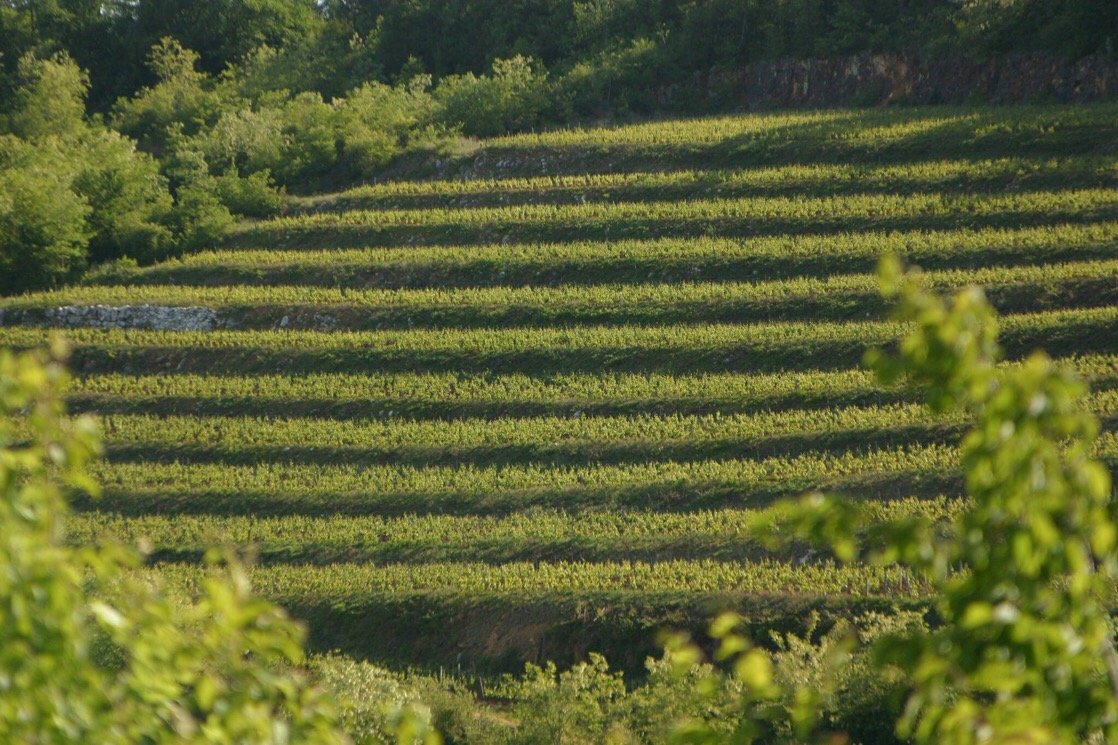
Domaine Prieuré Roch reads like a terroir-first Burgundian domaine: small, deliberate and wiring its reputation to the soil rather than to corrective cellar work. The writing underscores a commitment to biodynamic and low-intervention practices across fragile Côte de Nuits parcels, which makes each bottle feel like an argument about place. That seriousness and the willingness to endure difficult vintages for the sake of expression give the domaine an intimate, quietly confident presence — familiar to collectors yet anchored in the vineyard rather than in marketing, and recognized by its industry accolades rather than flash.
Best For
This domaine suits people who are chiefly interested in terroir, technique and the long game of Burgundian reputation: oenophiles studying biodynamic practice, collectors tracking allocation-worthy producers, and anyone seeking a focused tasting that emphasizes parcel character. Because the text highlights small yields and market allocations, it also appeals to those treating bottles as both sensory and investment objects. Visits or tastings here are most rewarding for curious solo visitors, small groups centered on learning, and buyers who value traceable, low-intervention wines from Nuits-Saint-Georges.
Tasting Tips
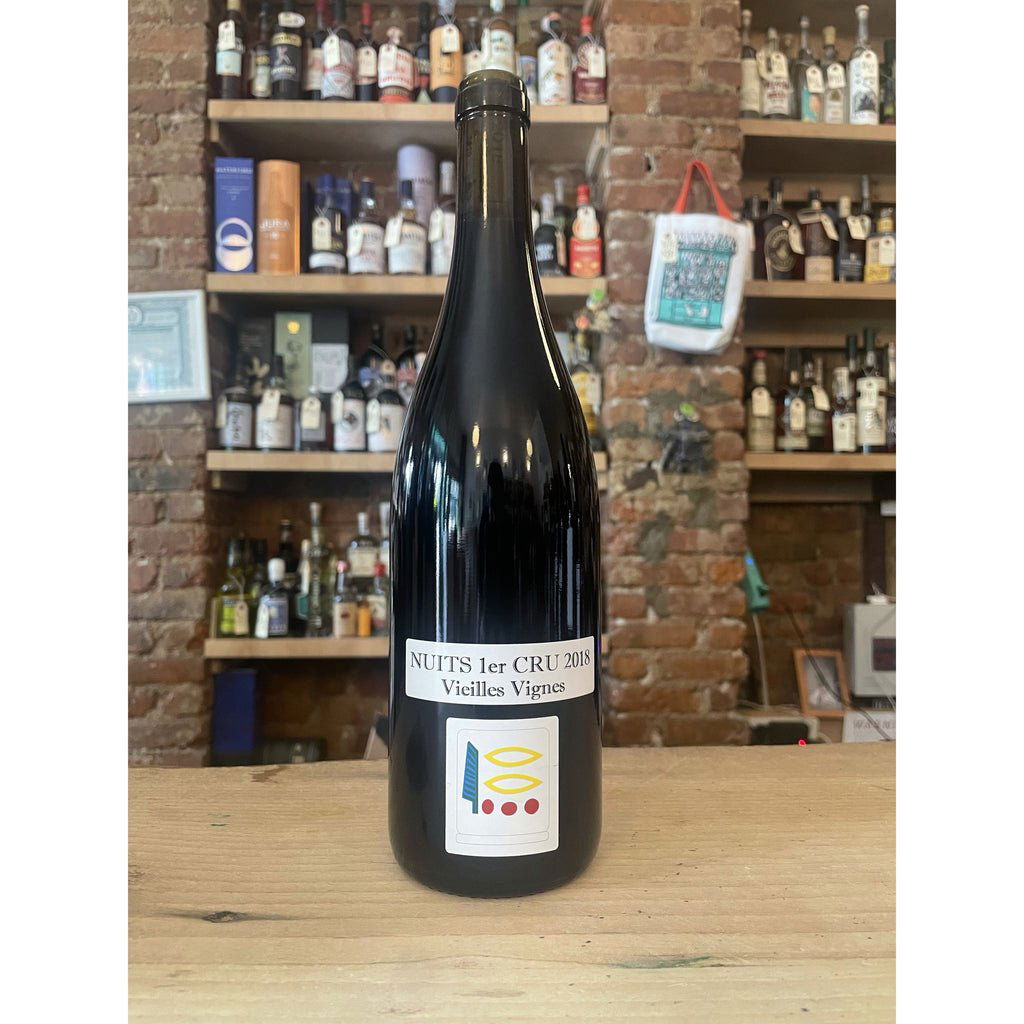
Expect scarcity to influence availability and price: the domaine commits to biodynamic work even when mildew or tough seasons cut yields, so allocations and secondary-market premiums follow. Favor bottlings that identify specific parcels or Premier Cru sites — the description emphasizes parcel legibility as the domaine’s priority — and note recent industry recognition as a signal of consistent quality. If you’re buying, plan ahead for allocations, and be prepared that stronger vintages and small-production cuvées will be the hardest to secure.
Venue details
Ambiance
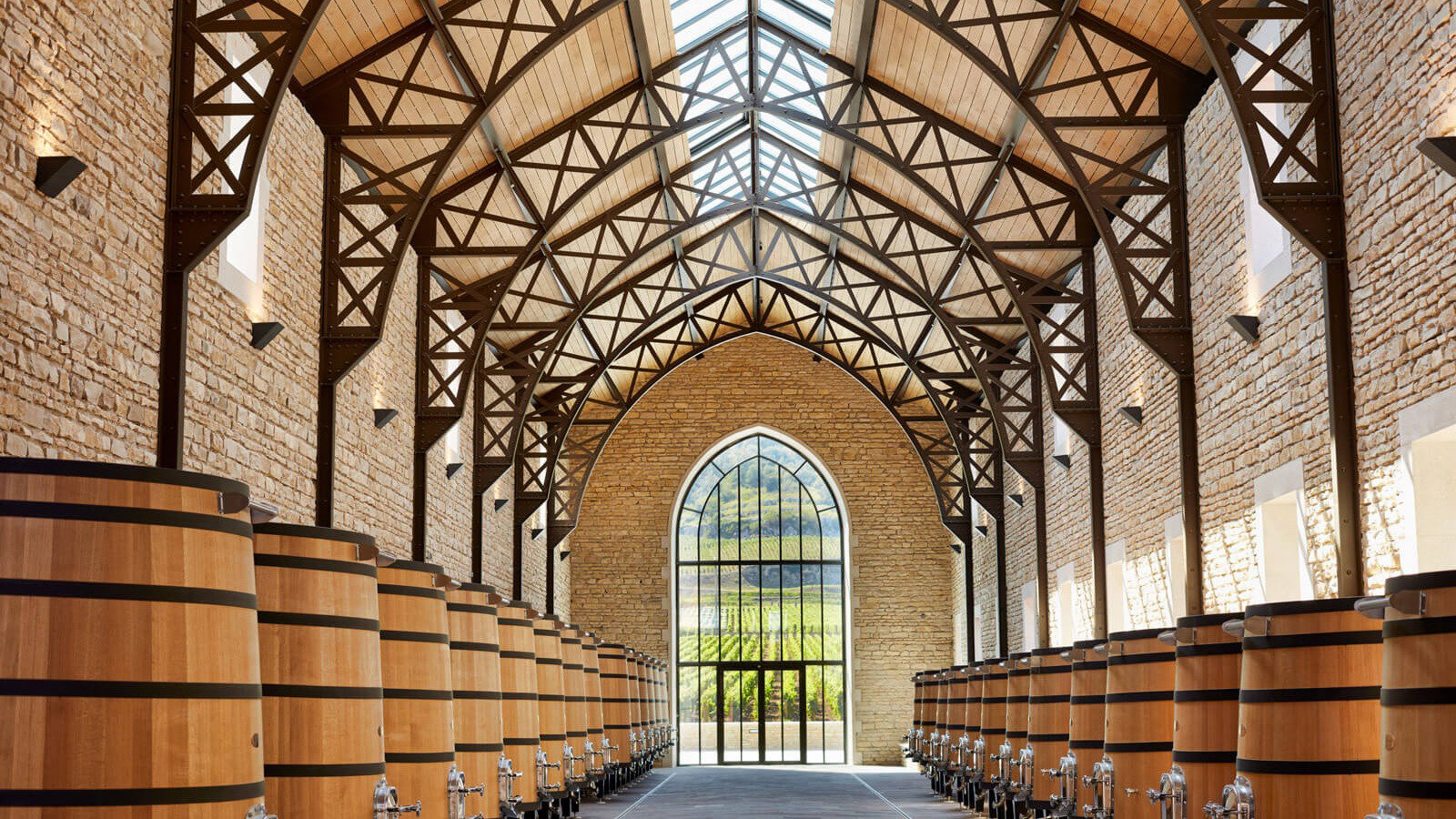
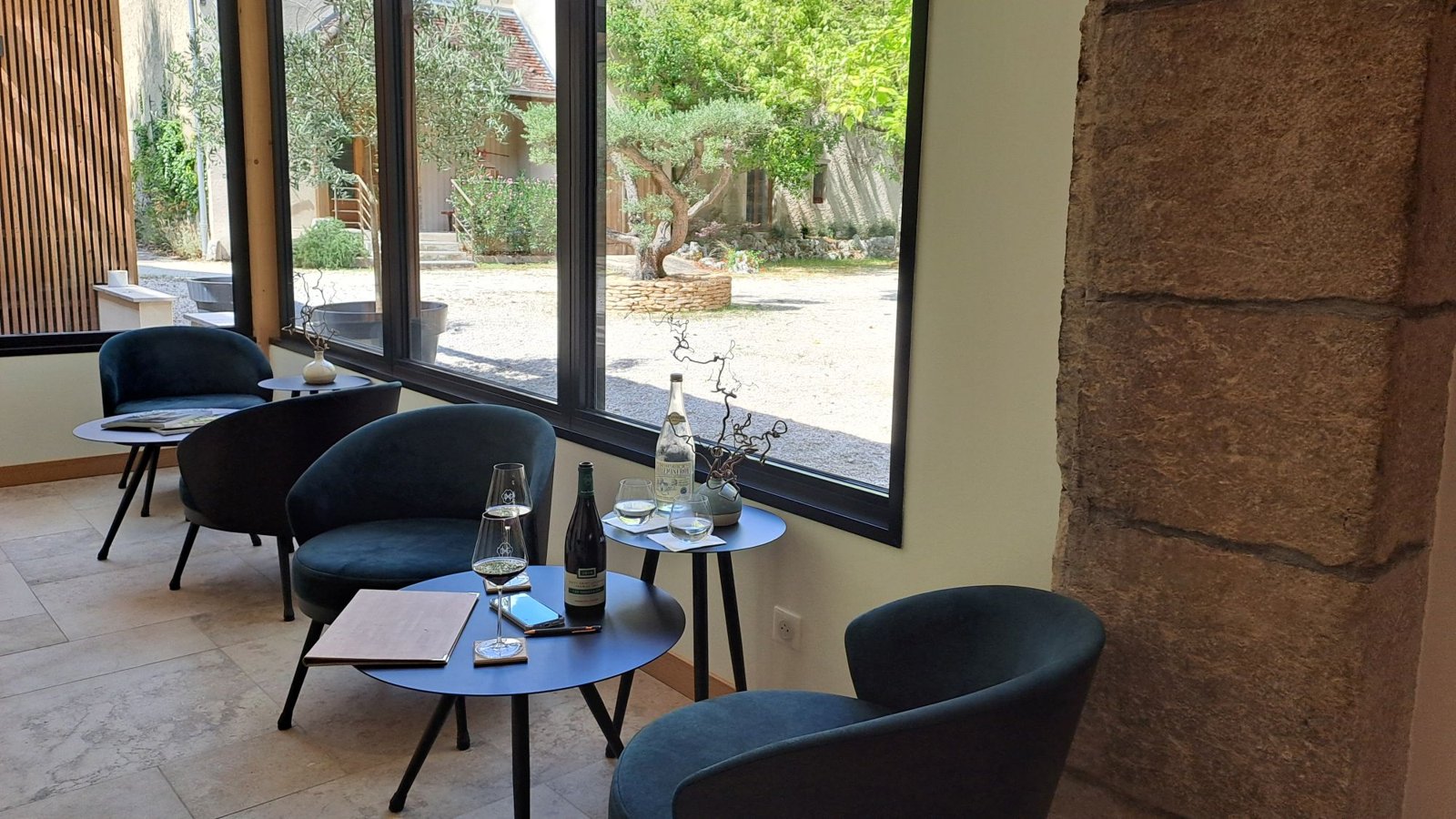
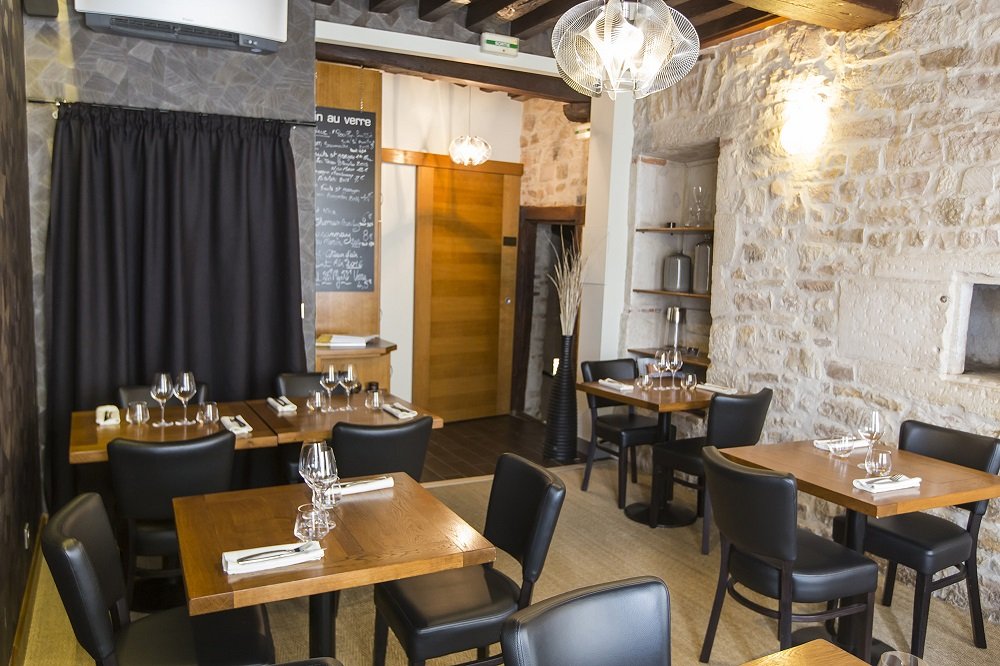
Traditional winery atmosphere with natural light filtering through historic stone buildings; minimal intervention aesthetic emphasizing terroir expression over modern amenities.
Tags
Vibe
Best For
Experience
Sourcing
View
At the Vineyard
- Appellation
- Nuits-Saint-Georges AOC
- Varietals
- Pinot Noir, Chardonnay
- Tour Duration
- 90-120 minutes
- Wine Club
- Available
Know before you go
Know Before You Go
- Getting there
- 6 D974, 21700 Premeaux-Prissey, France
Planning details
Location
Also consider
Where to look if this does not work
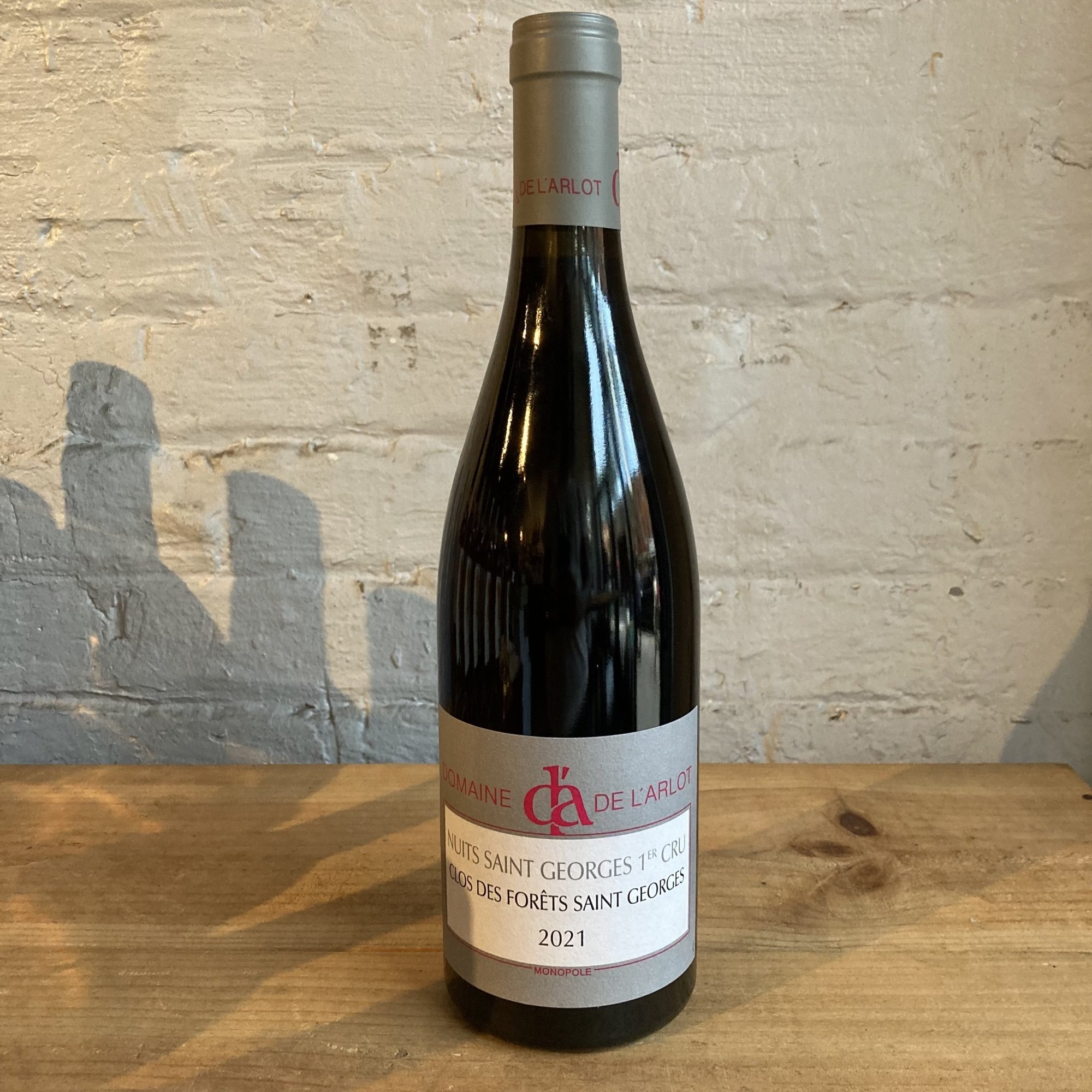
If access is the blocker, start with Domaine de l'Arlot for a serious Nuits-Saint-Georges alternative. For a second local option, Domaine Jean-Marc Millot keeps the plan close to town and works better as a practical backup than another high-scarcity chase.
Winery context
How it compares in and around Nuits-Saint-Georges
Domaine Prieuré Roch is the scarcity play in this set: pursue it if the trip is collector-led and access is the point. Domaine de l'Arlot is the more practical Nuits-Saint-Georges cross-shop for readers who want a serious local name with a clearer fit for itinerary planning, while Domaine Jean-Marc Millot is the better backup when keeping the day close to town matters.
Domaine de la Vougeraie and Domaine Jérôme Chezeaux make more sense for readers comparing broader Burgundy options rather than trying to stay tightly in Nuits-Saint-Georges. Domaine Jacques-Frédéric Mugnier belongs in the same collector conversation, but it is not the easier substitute; treat it as another high-demand target, not a fallback.
For value, the smarter move is to separate buying goals from visit goals. Chase Domaine Prieuré Roch when allocation access is the priority; choose Domaine de l'Arlot or Domaine Jean-Marc Millot when the day needs to work smoothly for a couple or small group.
Explore Nuits-Saint-Georges
Around this place
Discover more on Pearl
Unlock the full Domaine Prieuré Roch guide in Pearl, including awards, comparisons, FAQs, planning details, and nearby places.
Compare Domaine Prieuré Roch
| Venue | Location | Awards |
|---|---|---|
| Domaine Prieuré Roch | Nuits-Saint-Georges | No published awards |
| Domaine de la Vougeraie | Premeaux-Prissey | 2026 Falstaff Winery Guide2025 Pearl 3 Star Prestige |
| Domaine de l'Arlot | Nuits-Saint-Georges | 2026 Falstaff Winery Guide |
| Domaine Jérôme Chezeaux | Premeaux-Prissey | 2026 Falstaff Winery Guide |
| Domaine Jacques-Frédéric Mugnier | Premeaux-Prissey | 2026 Michelin 2 Grapes - Burgundy2026 Falstaff Winery Guide2025 Pearl 5 Star Prestige |
| Domaine Jean-Marc Millot | Nuits-Saint-Georges | No published awards |



How Domaine Prieuré Roch Nuits-Saint-Georges Guide compares with similar nearby venues.
FAQ
Frequently Asked Questions
How long should I plan for a visit to Domaine Prieuré Roch?
Does Domaine Prieuré Roch offer shipping?
What other venues are relevant when comparing Domaine Prieuré Roch?
Domaine de la Vougeraie, Domaine de l'Arlot, Domaine Jacques-Frédéric Mugnier, Domaine Jean-Marc Millot, and Domaine Jérôme Chezeaux are relevant comparison names for broader planning. Confirm current visit arrangements with each venue before building an itinerary.
Is there a membership program at Domaine Prieuré Roch?
Domaine Prieuré Roch is recognized with Pearl 3 Star Prestige (2025). Any membership, allocation, or purchasing arrangement should be confirmed directly with the venue.
When is the best time to visit Domaine Prieuré Roch?
What is Domaine Prieuré Roch known for?
The key planning facts are its Nuits-Saint-Georges location, smart casual dress code, and Pearl 3 Star Prestige recognition for 2025. Check Domaine Prieuré Roch directly for current venue information.
Does Domaine Prieuré Roch serve food?
Do not assume a meal or menu is available unless Domaine Prieuré Roch confirms it directly.