Domaine Jean-Marc Millot
Côte de Nuits, Nuits-Saint-Georges
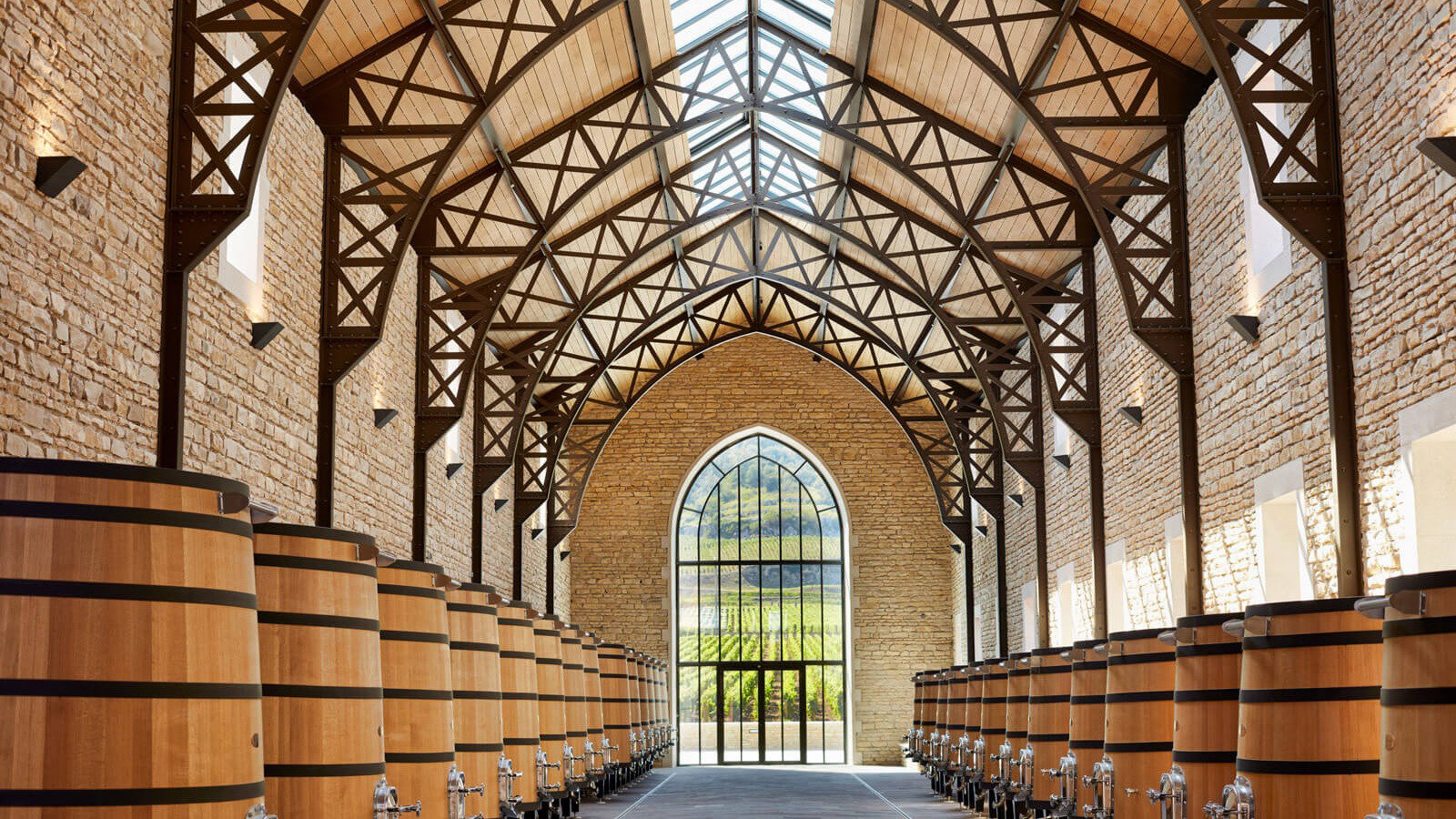
Winery in Nuits-Saint-Georges, France
 Book with Pearl
The Read
Premier Cru Terroir Precision
Why go
Prioritize Domaine Jean-Marc Millot if the trip is about focused Burgundy depth in Nuits-Saint-Georges rather than a broad visitor experience. The setting is useful for a compact Côte de Nuits itinerary, but availability should be treated as difficult, so build a backup list with nearby peers.
About Domaine Jean-Marc Millot
Should you plan a stop around Domaine Jean-Marc Millot? Consider it if your itinerary is centered on Nuits-Saint-Georges and you want to include a Pearl 2 Star Prestige (2025) venue as part of that focused plan. The appeal here is clearest for travelers who are already narrowing their time to the town and want their shortlist to reflect recognized addresses rather than a loose regional sweep. The essentials are limited, so this page should be used as a concise planning note rather than a detailed promise about format, availability, or services.
Domaine Jean-Marc Millot is in Nuits-Saint-Georges. For planning, keep expectations practical and deliberately modest: confirm all visit details directly with the venue before building a day around it, and use the confirmed dress code of smart casual as your baseline. That dress note is useful as a starting point, but it should not be stretched into assumptions about the style, length, or structure of a visit.
Book for the Nuits-Saint-Georges context
Domaine Jean-Marc Millot makes the clearest case for travelers comparing options connected to a Nuits-Saint-Georges itinerary. Its confirmed Pearl 2 Star Prestige (2025) recognition gives it added weight in a shortlist, especially when you are choosing among several possible venues and need a simple way to prioritize. At the same time, the available data does not establish a specific format, menu, price, schedule, or capacity, so it is important not to read more into the recognition than the facts support.
That means the safest approach is to treat it as a serious request to confirm, not as a fully documented visitor experience. If your plans depend on timing, group size, service details, or access, verify those points with the venue before committing. This is particularly important if the stop would shape the rest of your day in Nuits-Saint-Georges, because an unconfirmed visit can affect meals, transfers, and the order of other appointments. In practical terms, put Domaine Jean-Marc Millot on the list because of its place and recognition, then move it from shortlist to schedule only once the details are clear.
How to think about other comparison options
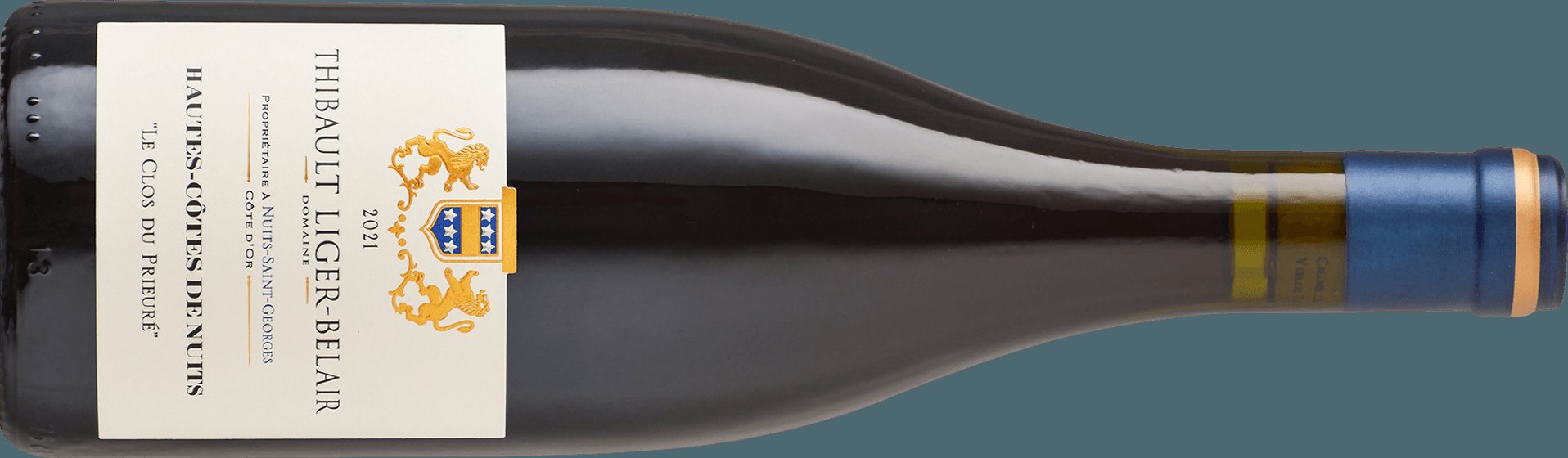
For comparison planning, consider Domaine Faiveley, Domaine Henri Gouges, Domaine Bertrand Machard de Gramont, Domaine Robert Chevillon, or Domaine Thibault Liger-Belair alongside Domaine Jean-Marc Millot. Use those names as reference points when building a focused shortlist, while confirming each venue's current access and visit details directly. The value of comparing them is not to assume they offer the same experience, but to give yourself several credible lines of inquiry for the same trip.
If availability is the deciding factor, build a shortlist rather than anchoring the whole day to one request. Pair this with Domaine Thibault Liger-Belair, Domaine Faiveley, Domaine Henri Gouges, Domaine Robert Chevillon, or Domaine Bertrand Machard de Gramont depending on what you can confirm for your dates. This approach keeps the itinerary flexible while reducing the risk of overcommitting to an address before the practical information is in hand. For wider planning around the town, use Our full Nuits-Saint-Georges venue guide, then round out the day with Our full Nuits-Saint-Georges restaurants guide, Our full Nuits-Saint-Georges hotels guide, Our full Nuits-Saint-Georges bars guide, and Our full Nuits-Saint-Georges experiences guide.
Quick reference: prioritize this for a focused Nuits-Saint-Georges itinerary if you value its Pearl 2 Star Prestige (2025) recognition; confirm practical details directly before planning around it, especially anything related to access, timing, group size, or the nature of the visit.
Planning details
- Location
- 24 Rue des Seuillets, 21700 Nuits-Saint-Georges
- Website
- jean-marc-millot.com
- Phone
- +33 6 48 17 78 95
The take
The Take
The Vibe
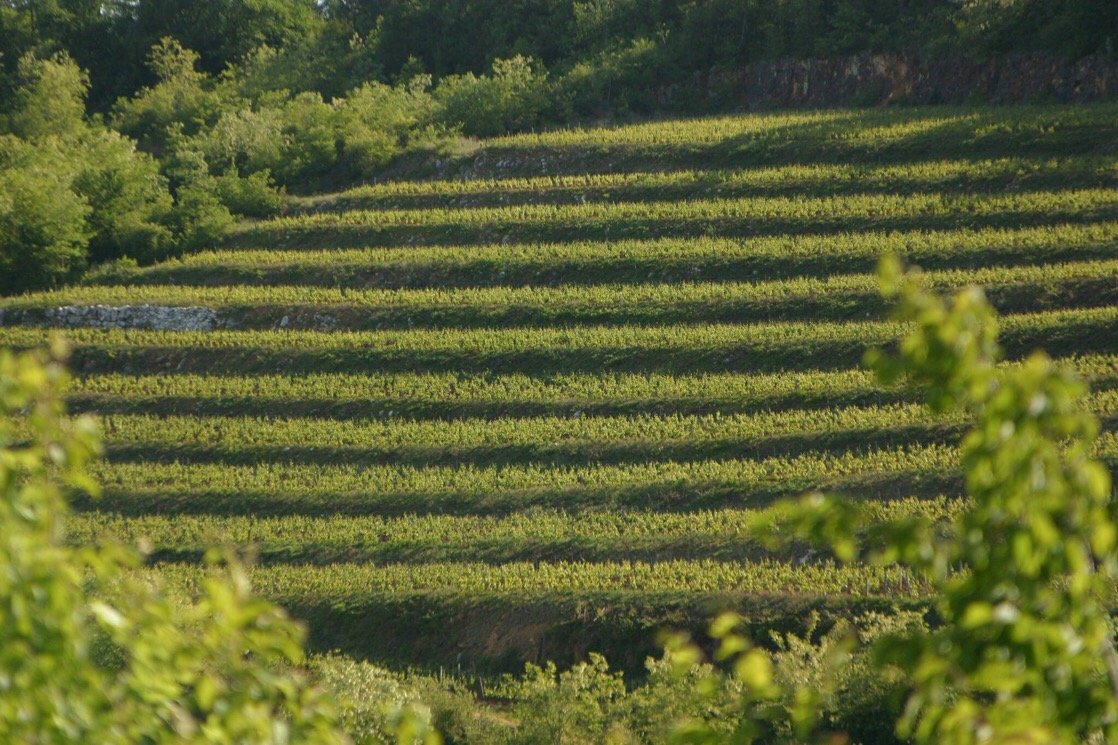
Domaine Jean-Marc Millot reads like a thoughtful, terroir-forward estate set deep in the Côte de Nuits. The copy foregrounds the physicality of the landscape — vineyards pressing against the road under winter light — and the long histories tied to individual parcels. The domaine's recent Pearl 2 Star Prestige recognition and references to cellar discipline convey a sophisticated, serious-minded personality: this is a place where specificity and structure matter. Visitors encounter a quiet, scenically anchored atmosphere built around focused winemaking rather than spectacle.
Best For
This domaine is best for visitors who come to study place and bottle rather than chase names. It serves wine-education-minded travelers, collectors and solo explorers who appreciate parcel-level distinctions and wines meant to age. The estate’s placement in Nuits-Saint-Georges — a commune prized for granular Premier Cru sites — and its 2025 Pearl 2 Star Prestige signal that tastings here reward attention to detail and cellar potential. It’s also appropriate for low-key special occasions where the emphasis is on high-quality, terroir-driven Burgundy rather than lively hospitality.
Tasting Tips
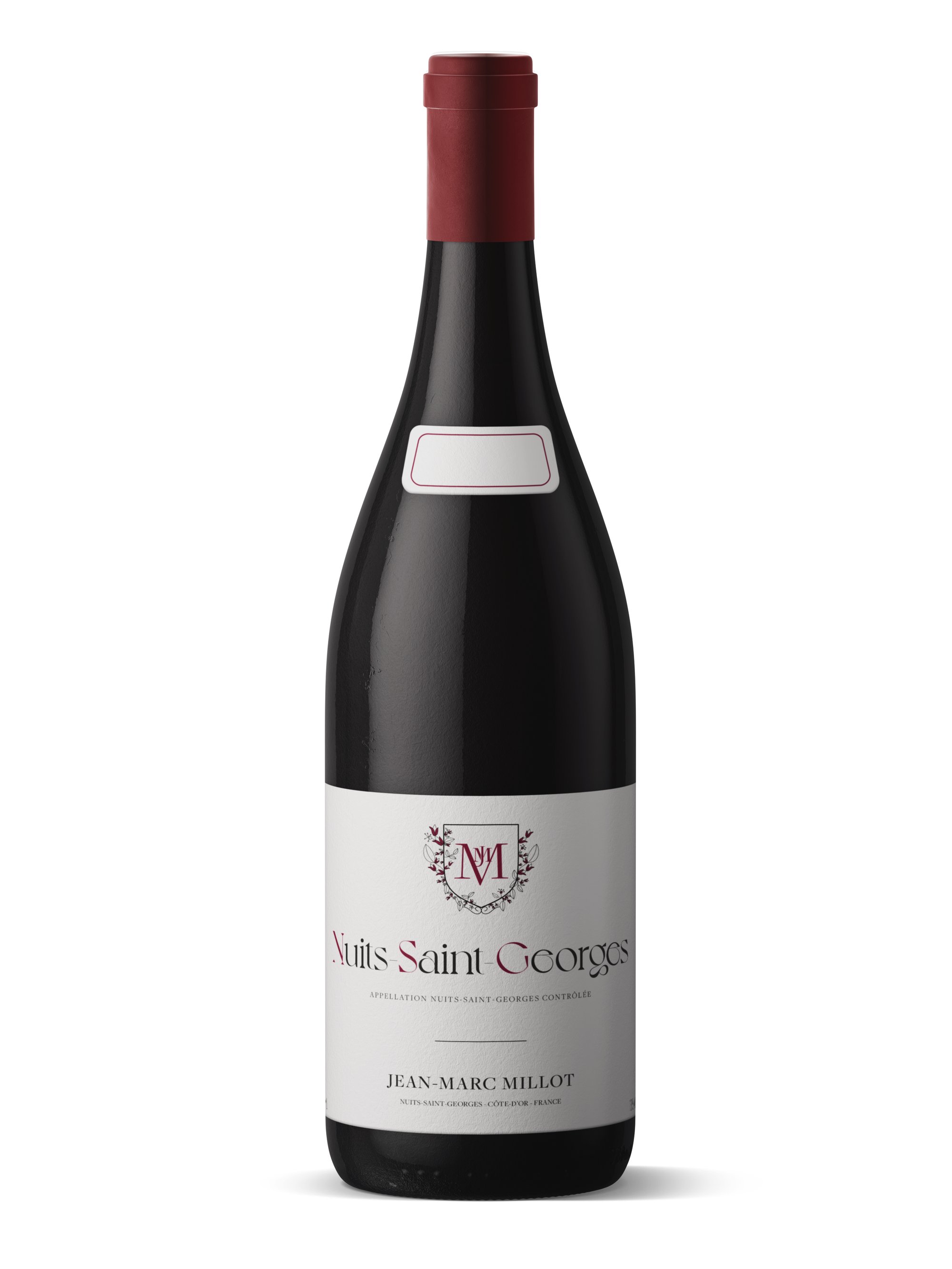
Ask about parcel- and Premier Cru–specific bottlings and the domaine’s approach to aging: the text emphasizes 'cellar discipline' and wines that 'age with the structure the appellation promises.' Expect limited allocations — the narrative notes producers whose allocations 'move quietly' — so inquire about availability and purchase options if you’re looking to cellar bottles. Focus conversations on terroir differences between named parcels, and mention the domaine’s Pearl 2 Star Prestige recognition to prompt discussion of the wines that illustrate that level of consistency.
Venue details
Tags
Vibe
Best For
Experience
Sourcing
View
At the Vineyard
- Appellation
- Vosne-Romanée AOC
- Varietals
- Pinot Noir, Aligoté, Gamay
- Visits
- By appointment only
- Farming
- Organic
- Wine Styles
- Still Red, Still White
- Wine Club
- Not available
Know before you go
Know Before You Go
- Getting there
- 24 Rue des Seuillets, 21700 Nuits-Saint-Georges
Planning details
Location
Also consider
Also Consider
- Domaine Thibault Liger-Belair, Notable alternative
- Domaine Faiveley, Notable alternative
- Domaine Henri Gouges, Notable alternative
- Domaine Robert Chevillon, Notable alternative
- Domaine Bertrand Machard de Gramont, Notable alternative
Winery context
How It Compares
Against Domaine Thibault Liger-Belair, Domaine Jean-Marc Millot is the more focused pick for travelers who want a quieter Nuits-Saint-Georges stop rather than making the booking itself the centerpiece. Thibault Liger-Belair is the stronger splurge-style target if rarity and name recognition drive the trip, but it is also the one to treat as harder to secure.
Domaine Faiveley is the safer recommendation for visitors who want scale, polish, and a broader Burgundy reference point. Choose Domaine Jean-Marc Millot instead when the priority is a smaller-feeling village comparison. Domaine Henri Gouges and Domaine Robert Chevillon are stronger if the goal is a classic Nuits-Saint-Georges benchmark with deep local pull.
For value-minded planning, Domaine Bertrand Machard de Gramont is the practical cross-shop to keep on the list. It keeps the itinerary local and avoids overcommitting to one difficult request. The smart move is to rank these by access first, then by preferred mood: Faiveley for scale, Gouges or Chevillon for village gravity, Thibault Liger-Belair for a harder target, and Jean-Marc Millot for a focused, lower-theater stop.
Explore Nuits-Saint-Georges
Around this place
Discover more on Pearl
Unlock the full Domaine Jean-Marc Millot guide in Pearl, including awards, comparisons, FAQs, planning details, and nearby places.
Compare Domaine Jean-Marc Millot
| Venue | Location | Awards |
|---|---|---|
| Domaine Jean-Marc Millot | Nuits-Saint-Georges | No published awards |
| Domaine Thibault Liger-Belair | Nuits-Saint-Georges | 2026 Falstaff Winery Guide |
| Domaine Faiveley | Nuits-Saint-Georges | 2026 Falstaff Winery Guide2026 Michelin 1 Grape - Burgundy2025 World's 50 Best Vineyards · #592025 Pearl 4 Star Prestige |
| Domaine Henri Gouges | Nuits-Saint-Georges | No published awards |
| Domaine Robert Chevillon | Nuits-Saint-Georges | No published awards |
| Domaine Bertrand Machard de Gramont | Nuits-Saint-Georges | No published awards |




How Domaine Jean-Marc Millot Nuits-Saint-Georges compares with similar nearby venues.
FAQ
Frequently Asked Questions
Can Domaine Jean-Marc Millot handle large groups?
group-capacity information is not available. If you are planning for a group, confirm directly with Domaine Jean-Marc Millot before making it part of your itinerary.
What is Domaine Jean-Marc Millot known for?
Domaine Jean-Marc Millot is a Nuits-Saint-Georges venue recognized with Pearl 2 Star Prestige (2025). The dress code is smart casual.
Where is Domaine Jean-Marc Millot located?
Domaine Jean-Marc Millot is located in Nuits-Saint-Georges.