

Pippin Hill Farm & Vineyards
North Garden
Winery in North Garden, United States
 Book with Pearl
The Read
Blue Ridge Estate Viticulture
Price
$30–50tasting
Why go
A strong North Garden choice when the vineyard setting is part of the decision, not just background. Treat the wine club as an after-tasting call rather than the reason to go, since the strongest case here is the polished visit experience and high-demand Virginia wine-country setting.
About Pippin Hill Farm & Vineyards
Use the basics as the basis for planning: dress smart casual, treat North Garden as the key geographic anchor, and check directly with the venue for current availability or visit-specific requirements before making firm plans.
Plan around the basics
Pippin Hill Farm & Vineyards is a recognized North Garden venue, and the dress code is smart casual. For a flagship wine, food service, club value, reservation format, or the ideal time to visit, consult the venue’s current information.
If you are building a broader North Garden trip, pair direct venue confirmation with general planning resources such as North Garden dining and lodging guides, the North Garden hotels guide, and other general North Garden planning resources.
Cross-shop by intent, not just by address
If you are comparing Pippin Hill Farm & Vineyards with other venue options, consider Michael Shaps Wineworks, Septenary Winery at Seven Oaks Farm, Eastwood Farm & Winery, Trump Winery, and Chiswell Farm & Winery as natural comparison points.
For anything more specific, including food, wine-club terms, group suitability, or tasting details, rely on the venue's current information before booking.
Planning details
- Location
- 5022 Plank Rd, North Garden, VA 22959
- Website
- pippinhillfarm.com
- Phone
- +1 434-202-8063
The take
The Take
The Vibe
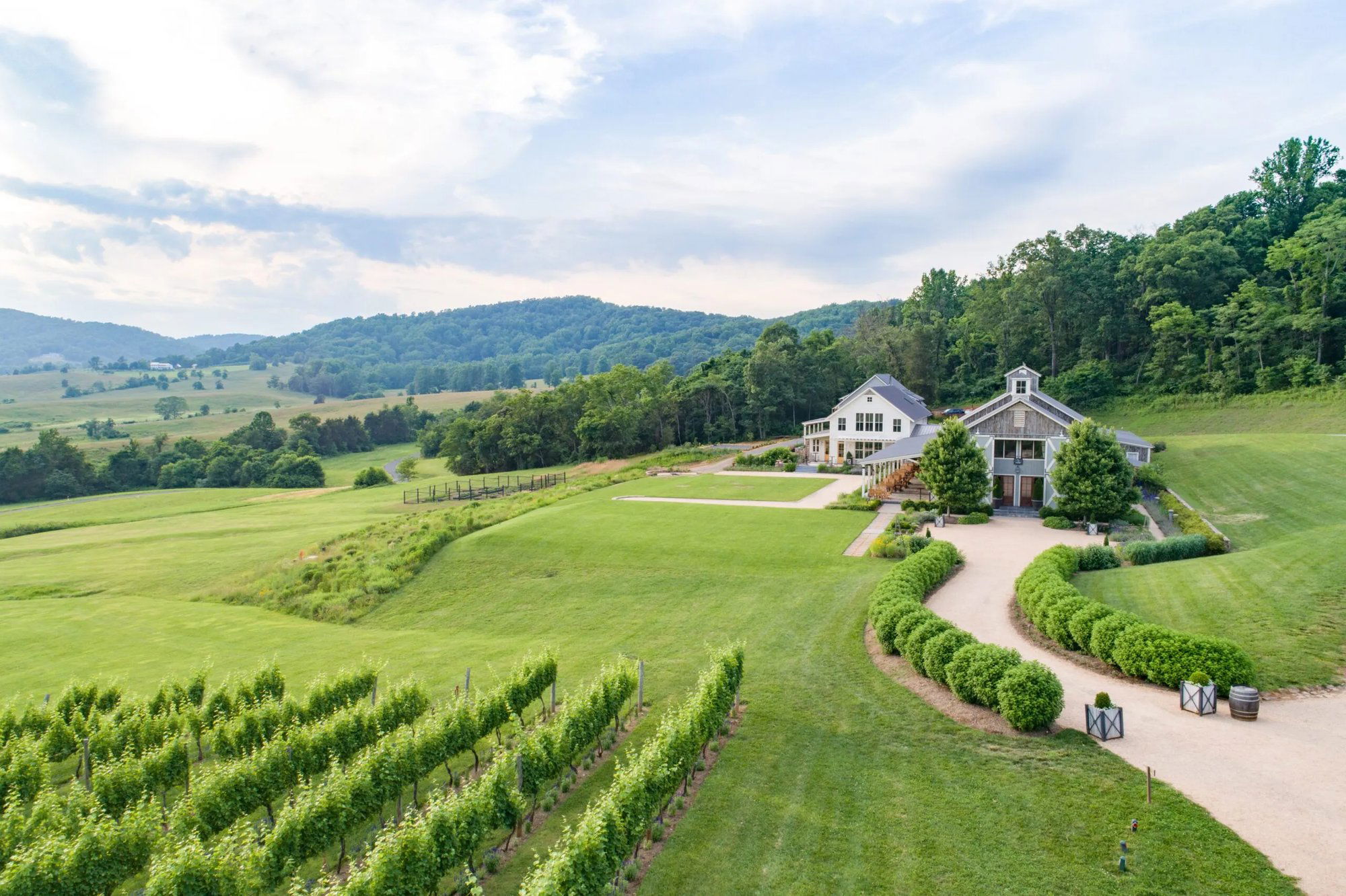
Pippin Hill presents a land-first hospitality that reads as both pastoral and purposeful. Farmhouse architecture and neatly ordered rows of vines make the property feel agricultural before it feels aspirational; the Blue Ridge frames the views and keeps the focus on place. Visitors experience a calm, scenic setting where terroir and structure are part of the personality, and the narrative of the land is the primary design element of each tasting and stroll across the grounds.
Best For
Pippin Hill is best for visitors seeking a thoughtful, destination winery experience centered on terroir and landscape. It suits couples looking for a scenic escape, small groups or celebratory gatherings drawn to an elevated estate setting, and anyone interested in learning about Monticello AVA viticulture. The property’s emphasis on soils, elevation and climate, and its placement among Virginia’s notable wine destinations, makes it a natural stop for curious wine lovers and planners of special-occasion visits who want views, provenance and a sense of place alongside their tasting.
Tasting Tips
When tasting at Pippin Hill, prioritize wines that illustrate Monticello’s soil and climate expression. The dossier highlights Viognier as a regional calling card; seek out the estate’s Viognier to evaluate aromatic lift and balance. Expect whites with preserved acidity and reds with leaner, structural profiles shaped by rocky and clay loam soils. Ask staff about vineyard-designate or single-site bottlings and about how elevation and aspect influence each wine: terroir-focused pours are the clearest window into the property’s character.
Venue details
Ambiance
Relaxed elegance with breathtaking valley and hillside views, pleasant indoor spaces, covered veranda, and serene outdoor areas.
Tags
Vibe
Best For
Experience
Sourcing
View
At the Vineyard
- Appellation
- Monticello AVA
- Varietals
- Chardonnay, Cabernet Franc, Petit Verdot, Merlot, Tannat
- Tour Duration
- 60-90 minutes
- Visits
- By reservation
- Farming
- Sustainable
- Production
- Boutique
- Wine Styles
- Still Red, Still White, Sparkling, Still Rose
- Food Pairing
- Offered
- Wine Club
- Available
Know before you go
Know Before You Go
- Getting there
- 5022 Plank Rd, North Garden, VA 22959
Planning details
Location
Also consider
Also Consider
- Michael Shaps Wineworks, Notable alternative
- Septenary Winery at Seven Oaks Farm, Notable alternative
- Eastwood Farm & Winery, Notable alternative
- Trump Winery, Notable alternative
- Chiswell Farm & Winery, Notable alternative
Winery context
Pippin Hill Farm & Vineyards is the better pick when ambiance and a polished North Garden outing matter more than a production-first tasting. Michael Shaps Wineworks is the sharper cross-shop for visitors who care more about winemaking focus than scenery, while Septenary Winery at Seven Oaks Farm makes more sense for a quieter countryside feel.
For easier planning, Eastwood Farm & Winery is the practical alternative if flexibility beats prestige. Trump Winery is the larger-name comparison for a broader Virginia wine itinerary, while Chiswell Farm & Winery fits readers who want another farm-and-winery setting without making this one the entire day.
Value depends on intent: choose Pippin Hill Farm & Vineyards for an occasion-leaning vineyard visit, Michael Shaps Wineworks for wine depth, Eastwood Farm & Winery for lower-friction planning, and Septenary Winery at Seven Oaks Farm or Chiswell Farm & Winery when the setting is the point but a different pace is preferred.
Explore North Garden
Around this place
Discover more on Pearl
Unlock the full Pippin Hill Farm & Vineyards guide in Pearl, including awards, comparisons, FAQs, planning details, and nearby places.
Compare Pippin Hill Farm & Vineyards
| Venue | Location | Awards |
|---|---|---|
| Pippin Hill Farm & Vineyards | North Garden | No published awards |
| Michael Shaps Wineworks | Charlottesville | No published awards |
| Septenary Winery at Seven Oaks Farm | Greenwood | No published awards |
| Eastwood Farm & Winery | Charlottesville | No published awards |
| Trump Winery | Charlottesville | No published awards |
| Chiswell Farm & Winery | Charlottesville | No published awards |
How Pippin Hill Farm & Vineyards compares with similar nearby venues.
FAQ
Frequently Asked Questions
What should I know about wine-club details for Pippin Hill Farm & Vineyards?
For wine-club terms, pricing, release cadence, or member benefits at Pippin Hill Farm & Vineyards, confirm the current details directly with the venue before deciding.
Can Pippin Hill Farm & Vineyards handle large groups?
Contact Pippin Hill Farm & Vineyards directly for current group availability, capacity, and visit requirements.
What other venues can I compare with Pippin Hill Farm & Vineyards?
Useful comparison names include Michael Shaps Wineworks, Septenary Winery at Seven Oaks Farm, Eastwood Farm & Winery, Trump Winery, and Chiswell Farm & Winery.
What is the flagship wine at Pippin Hill Farm & Vineyards?
Ask the venue what is currently most representative if you want guidance on what to try.