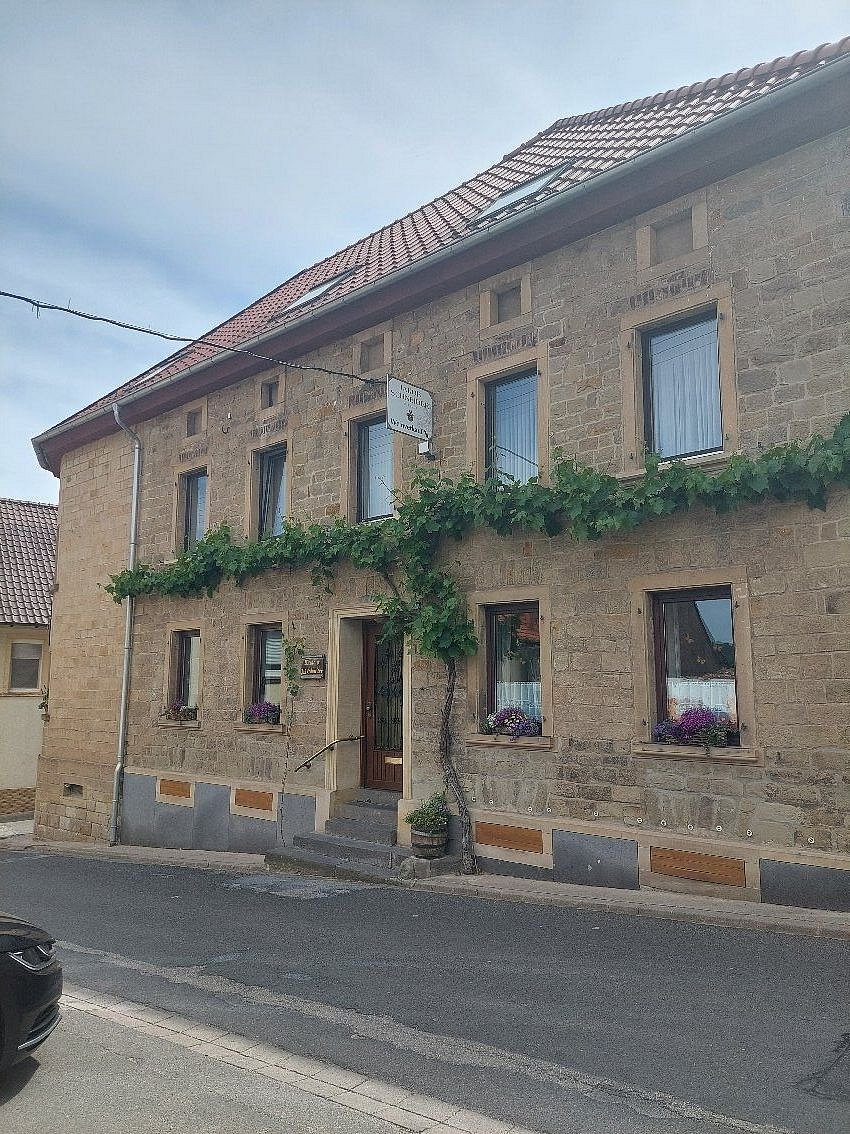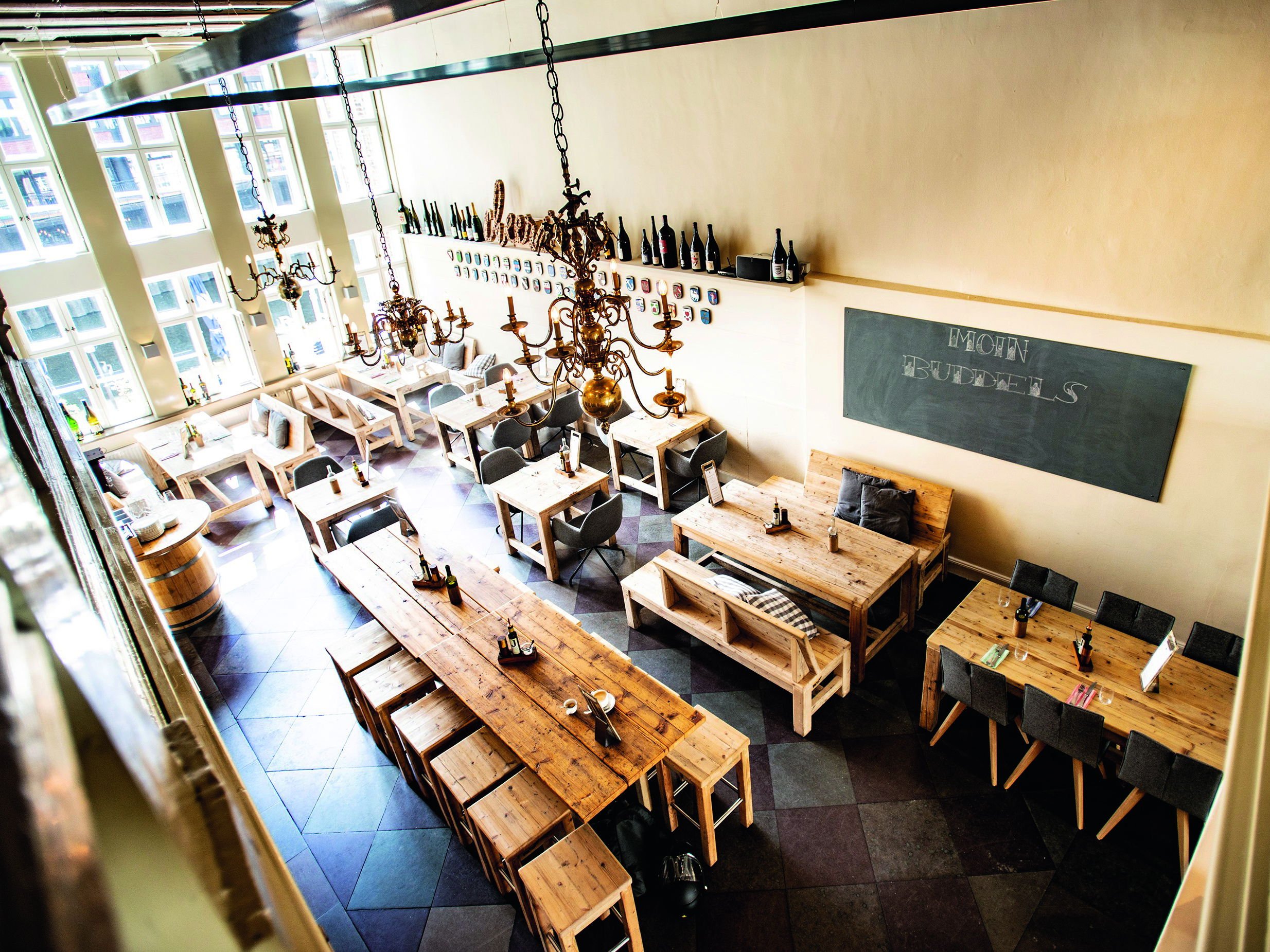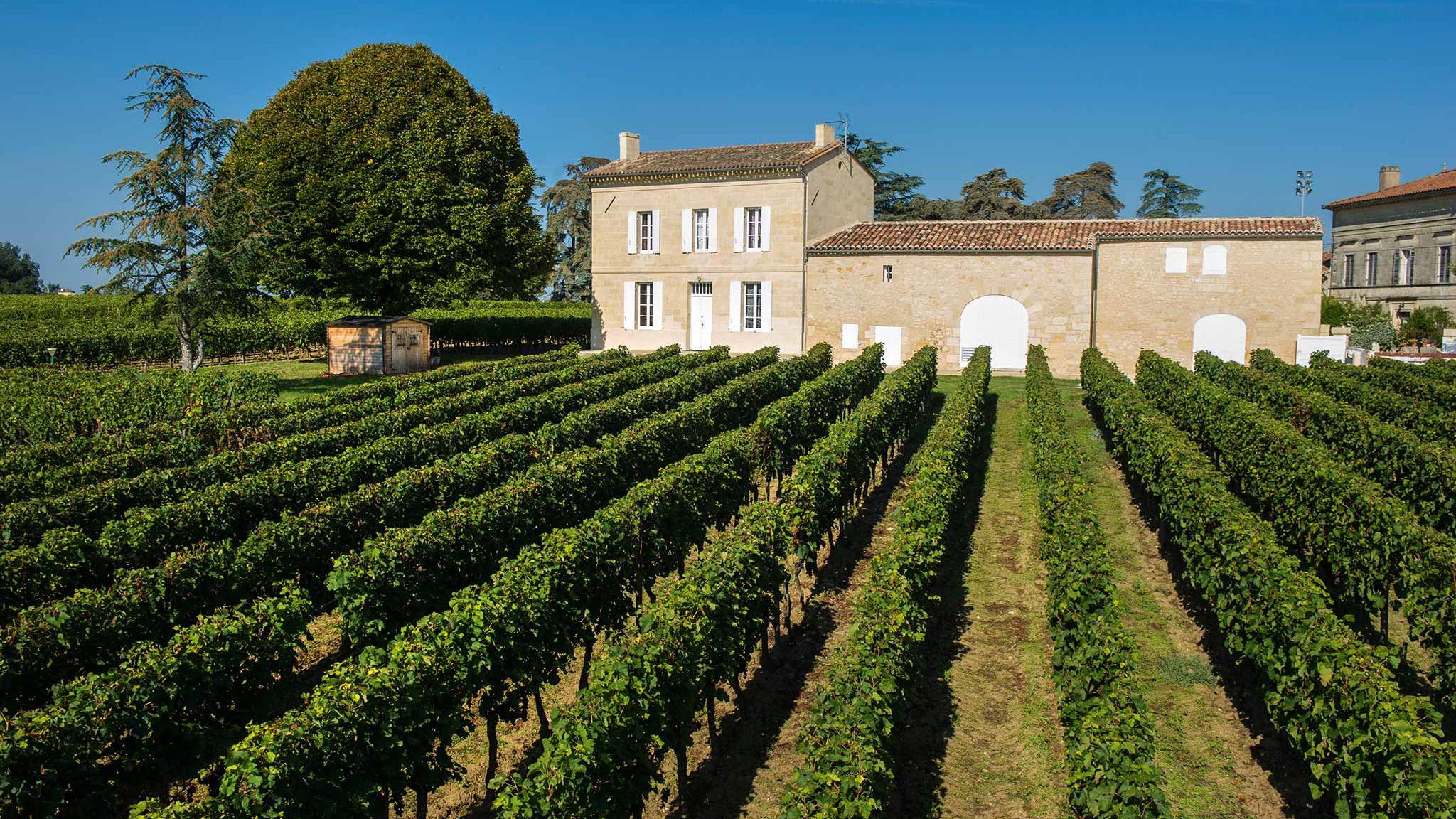

Gut Hermannsberg
Niederhausen
Winery in Niederhausen, Germany
 Book with Pearl
The Read
Porphyry-Driven Riesling
Why go
Gut Hermannsberg is the Niederhausen winery to prioritize when the trip is built around serious Nahe wine and advance planning is acceptable. Its 2025 Pearl 2 Star Prestige recognition makes it a stronger anchor than a casual add-on, but small groups with flexible timing will have the cleanest experience.
About Gut Hermannsberg
Gut Hermannsberg in Niederhausen carries Pearl 2 Star Prestige recognition for 2025. That distinction gives the listing its main planning value: it identifies Gut Hermannsberg as a recognized Niederhausen venue, while the finer points of a visit should be checked through current, direct information.
The practical decision should stay simple: choose Gut Hermannsberg if a recognized Niederhausen venue is central to the plan. If your plans depend on specific formats, opening times, group capacity, or other visit details, confirm those directly before building the day around it. That caution is especially useful when the rest of the itinerary is tightly sequenced, because assumptions can affect timing, expectations, and the overall shape of the visit. For broader planning in the area, you can also use the Niederhausen restaurants guide and other Niederhausen travel resources to keep logistics focused.
Plan this as a recognized Niederhausen stop
Gut Hermannsberg is in Niederhausen, has Pearl 2 Star Prestige recognition in 2025, and lists smart casual as the dress code. Those are the useful anchors for deciding whether it belongs on the shortlist. Details such as public hours, visit format, capacity, and specific services should be checked through current information before assuming a particular experience. The right way to use this profile is to let the recognition guide interest while leaving the operational details open until they are checked directly.
If you are comparing options, keep the comparison natural and limited to relevant names such as Gut Hermannsberg, Weingut Dr. Crusius, Weingut Hermann Dönnhoff, Weingut Jakob Schneider, Weingut Prinz Salm, and Weingut Schäfer-Fröhlich. That kind of comparison is most useful when it stays close to known essentials, rather than stretching into claims about services or experiences. For other dining or travel needs in Niederhausen, use local guides and current venue information rather than relying on assumptions. This keeps the planning process grounded: Gut Hermannsberg can be treated as the recognized point of interest, while the surrounding itinerary can be shaped with up-to-date logistical checks.
Who should prioritize it
Gut Hermannsberg is most relevant for travelers who want a Niederhausen venue with a Pearl 2 Star Prestige distinction. It is also a fit for visitors who prefer to plan around recognized places and then confirm the practical details directly with the venue. That makes it a strong candidate for travelers who are intentionally building their day around recognized places, rather than choosing solely on the basis of assumed formats or secondhand expectations.
If details such as a menu, format, pricing, hours, large-group handling, or specific services are essential to the visit, check current information before committing your schedule. This is the cleanest way to balance confidence with caution: the recognition is established for 2025, the location in Niederhausen is clear, and the smart casual dress code is listed, while the operational specifics should be confirmed before they become part of the plan.
Planning details
- Location
- Ehemalige Weinbaudomäne, K58, 55585 Niederhausen
- Website
- gut-hermannsberg.de
- Phone
- +49 6758 92500
The take
The Take
The Vibe
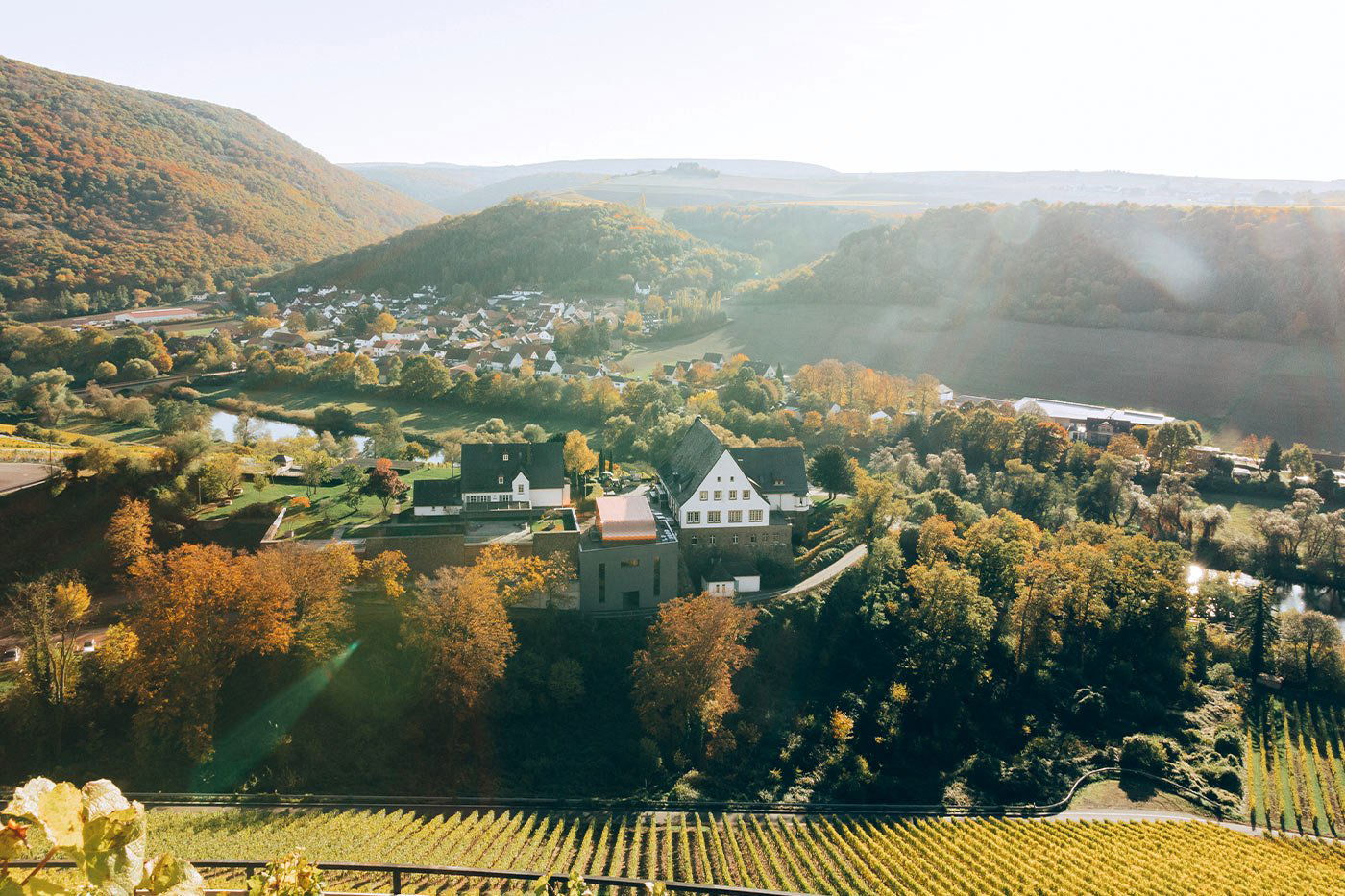
Gut Hermannsberg presents as a disciplined, landscape-first estate where geology and place take precedence over theatrics. The former Prussian State Wine Domaine and its compact network of terraces convey institutional solidity and historical weight. Visitors encounter steep, slate-and-porphyry slopes that shift in light across the day, and writing about the site emphasizes mineral complexity rather than varietal flamboyance. The overall mood is reserved and contemplative: a serious, historic wine property that rewards close attention to site, soil and the subtle structural tension in its Rieslings.
Best For
This estate is best for visitors who come to learn and to listen to place. Wine students, geology-minded drinkers and travelers seeking focused, solitary tasting experiences find the site especially rewarding. The writing frames Gut Hermannsberg as a corrective to purely fruit-forward Riesling narratives, so it suits people interested in structural tension and terroir-driven wines. It also fits visits that benefit from deliberation and intent—tastings where comparison across sites and soils is the point, rather than casual socializing.
Tasting Tips
Center tastings on the site-designated Rieslings and ask about Hermannsberg and the neighbouring Hermannshöhle; the description highlights those names and the unusual combination of Rotliegend slate, porphyry and weathered sandstone. Request bottles or pours that illustrate differences in mineral expression and structural tension, and ask staff how soils map to flavour and texture. Keep the focus on vertical comparisons and single-site examples to appreciate how the geology shows through from ground to glass.
Venue details
Ambiance
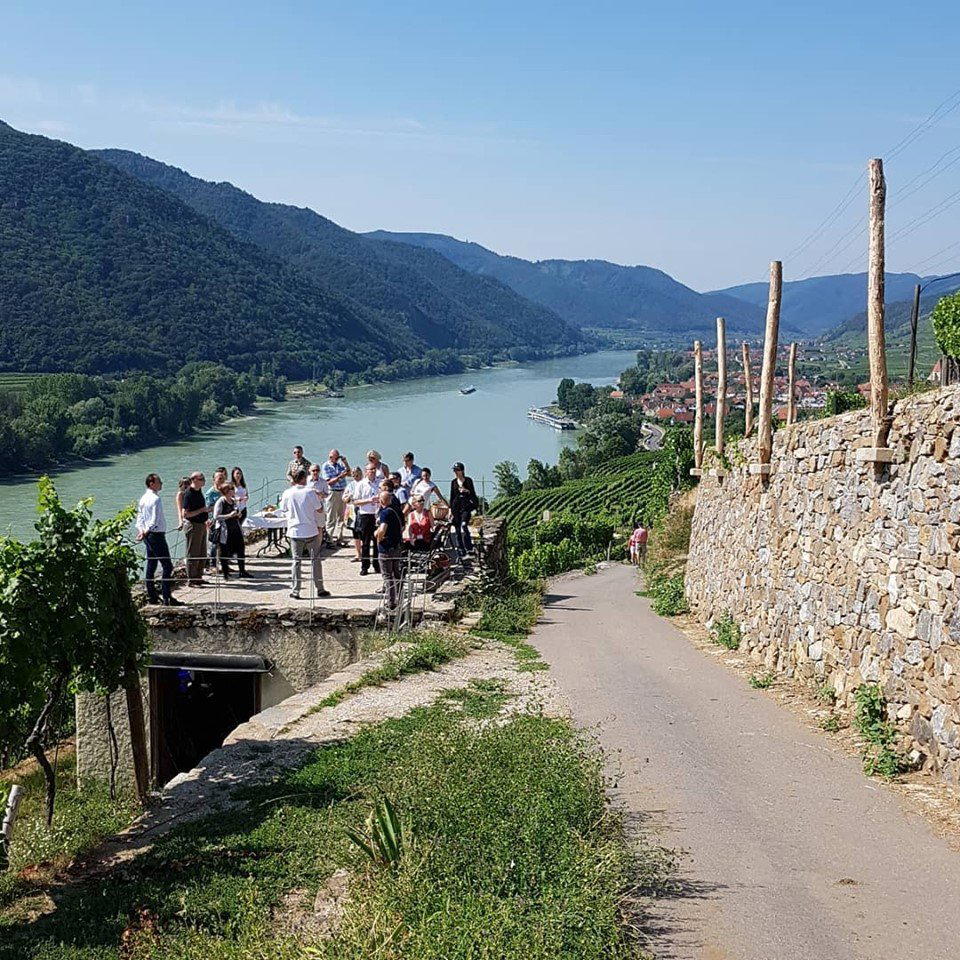
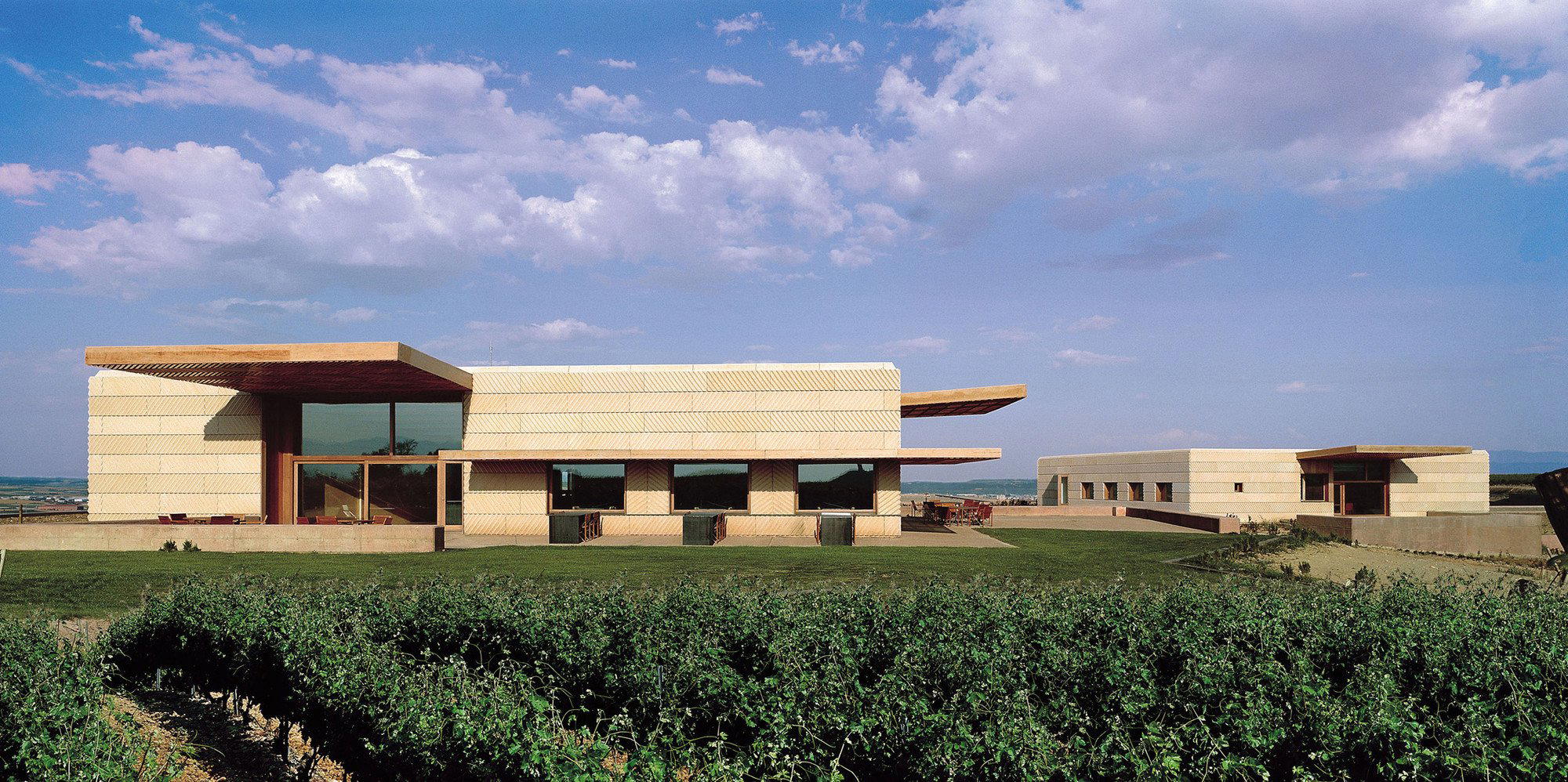
Nestled in steep vineyards with views of rugged rocks and forested mountains, offering a serene and elegant atmosphere.
Tags
Vibe
Best For
Experience
Sourcing
View
At the Vineyard
- Appellation
- Nahe
- Varietals
- Riesling, Weissburgunder
- Tour Duration
- 60-90 minutes
- Visits
- By reservation
- Farming
- Sustainable
- Production
- Small producer
- Wine Styles
- Still White, Skin Contact
- Wine Club
- Not available
Know before you go
Know Before You Go
- Getting there
- Ehemalige Weinbaudomäne, K58, 55585 Niederhausen
Planning details
Location
Recognition and awards

Also consider
Also Consider
- Weingut Hermann Dönnhoff, Notable alternative
- Weingut Jakob Schneider, Notable alternative
- Weingut Dr. Crusius, Notable alternative
- Weingut Schäfer-Fröhlich, Notable alternative
- Weingut Prinz Salm, Notable alternative
Winery context
How Gut Hermannsberg compares in Niederhausen and nearby
Gut Hermannsberg is the higher-commitment choice in this set: stronger recognition, harder planning, and better suited to travelers making wine the purpose of the day. Weingut Hermann Dönnhoff is the closest peer for reputation-led planning, while Weingut Jakob Schneider is the more practical Niederhausen cross-shop if the goal is to keep the itinerary tight and local.
Weingut Dr. Crusius and Weingut Schäfer-Fröhlich make sense for travelers comparing broader Nahe options rather than staying within Niederhausen. Choose them when route design matters less than building a producer-led wine day. Weingut Prinz Salm is the broader regional alternative for a different itinerary shape, but it is less useful as a direct substitute if the plan is centered on Niederhausen.
For value, the safest play is to compare appointment access before committing: Gut Hermannsberg is worth the effort when recognition and setting matter, while Weingut Jakob Schneider is the cleaner fallback for a simpler local day. If the preferred slot is unavailable, cross-shop Weingut Hermann Dönnhoff first for a prestige-led alternative, then Weingut Jakob Schneider for easier routing.
Explore Niederhausen
Around this place
Discover more on Pearl
Unlock the full Gut Hermannsberg guide in Pearl, including awards, comparisons, FAQs, planning details, and nearby places.
Compare Gut Hermannsberg
| Venue | Location | Awards |
|---|---|---|
| Gut Hermannsberg | Niederhausen | 2026 Falstaff Winery Guide |
| Weingut Hermann Dönnhoff | Oberhausen an der Nahe | 2026 Falstaff Winery Guide |
| Weingut Jakob Schneider | Niederhausen | 2026 Falstaff Winery Guide |
| Weingut Dr. Crusius | Traisen | 2026 Falstaff Winery Guide |
| Weingut Schäfer-Fröhlich | Bockenau | 2026 Falstaff Winery Guide |
| Weingut Prinz Salm | Wallhausen | 2026 Falstaff Winery Guide |
How Gut Hermannsberg Niederhausen compares with similar nearby venues.
FAQ
Frequently Asked Questions
What recognition does Gut Hermannsberg have?
Gut Hermannsberg in Niederhausen has Pearl 2 Star Prestige recognition for 2025.
What is the dress code at Gut Hermannsberg?
The dress code for Gut Hermannsberg is smart casual.
Can Gut Hermannsberg handle large groups?
When is the best time to visit Gut Hermannsberg?
Plan around Gut Hermannsberg as a Niederhausen venue with Pearl 2 Star Prestige recognition, and confirm current access details directly before visiting.
What services or formats should I check before visiting Gut Hermannsberg?
If specific services or visit formats matter to your plans, ask Gut Hermannsberg directly before relying on them.
What other venues are useful for comparison?
For comparison, consider names such as Weingut Hermann Dönnhoff, Weingut Jakob Schneider, Weingut Dr. Crusius, Weingut Schäfer-Fröhlich, and Weingut Prinz Salm. Gut Hermannsberg itself is in Niederhausen and has Pearl 2 Star Prestige recognition for 2025.