Brick House Wine Co.
Ribbon Ridge, Newberg
Winery in Newberg, United States
 Book with Pearl
The Read
Biodynamic Estate Viticulture
Why go
Brick House Wine Co. is a strong Newberg pick for a deliberate Willamette Valley winery appointment, especially if the day is built around fewer, higher-conviction stops. It is less useful for visitors who need transparent hours, pricing, or large-group certainty before planning.
About Brick House Wine Co.
Brick House Wine Co. is a Newberg venue with 2 Star Prestige recognition for 2025. Along with its casual dress code, it is a venue to approach as a considered stop rather than a casual add-on, especially when planning a day in Newberg.
Plan this as a confirmed Newberg Prestige venue, not a loose itinerary
The strongest reason to prioritize Brick House Wine Co. is its 2 Star Prestige recognition in Newberg. Treat it as a considered stop rather than a casual add-on.
For a first Newberg trip, pair any plans for Brick House Wine Co. with broader planning resources, including dining and overnight options through Our full Newberg restaurants guide, Our full Newberg hotels guide, Our full Newberg bars guide, and Our full Newberg experiences guide.
Where it fits among regional choices
For readers building a broader day, Brick House Wine Co. can be considered alongside names such as Adelsheim Vineyard, Beaux Frères, Patricia Green Cellars, Penner-Ash Wine Cellars, and Shea Wine Cellars. Use those comparisons to shape the tone of the day.
For a wider trip, keep the comparison practical rather than adding unrelated stops. Brick House Wine Co. is best presented here as a Newberg choice with confirmed 2 Star Prestige recognition, while other dining in Newberg can be considered separately when planning meals around a visit.
Planning details
- Location
- 18200 NE Lewis Rogers Ln, Newberg, OR 97132
- Website
- brickhousewines.com
- Phone
- +1 503-538-5136
The take
The Take
The Vibe
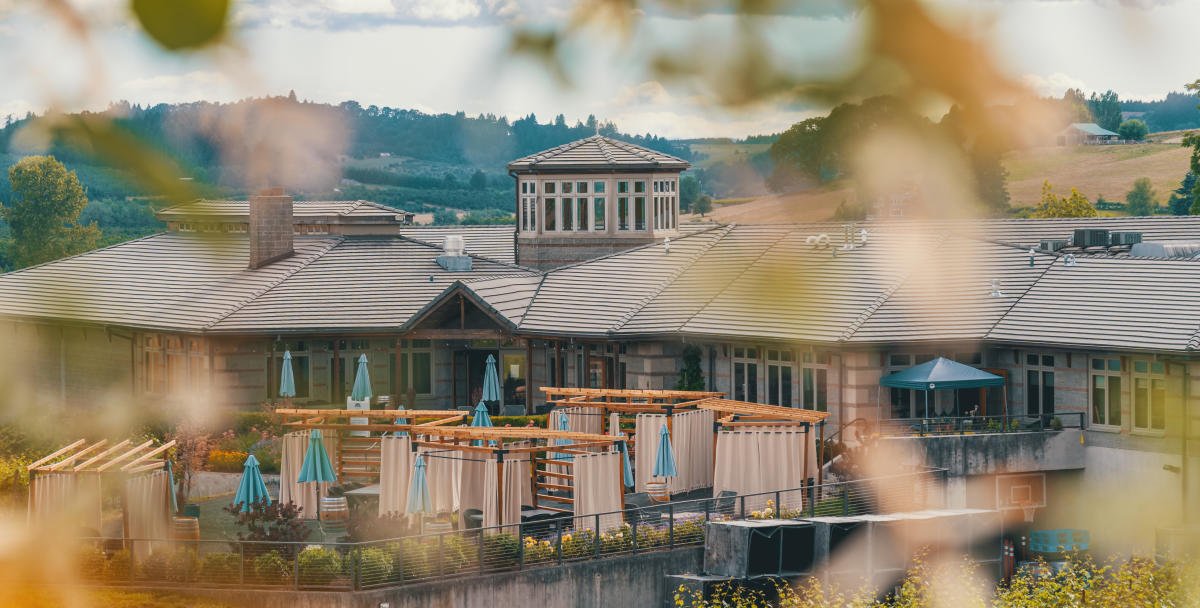
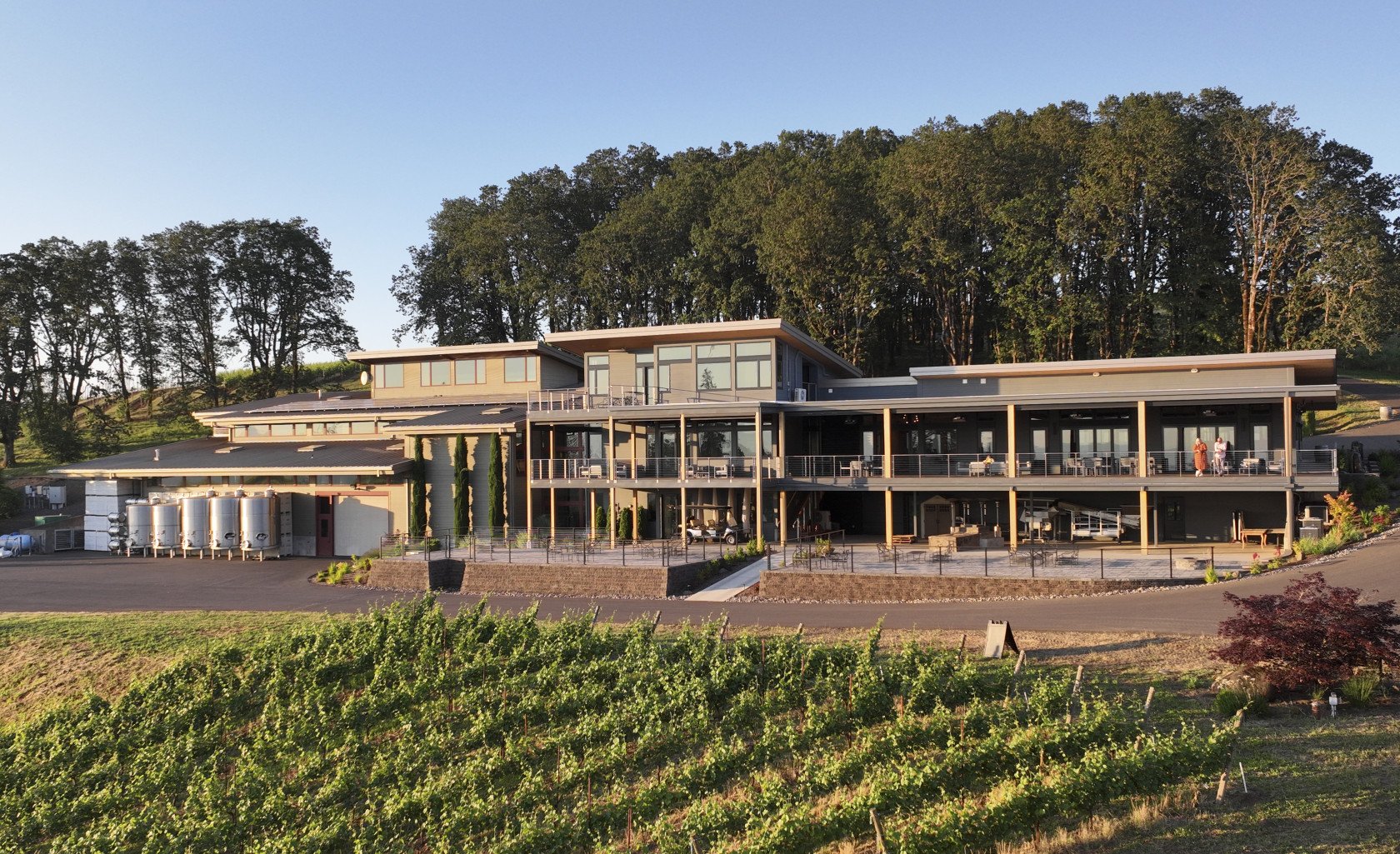
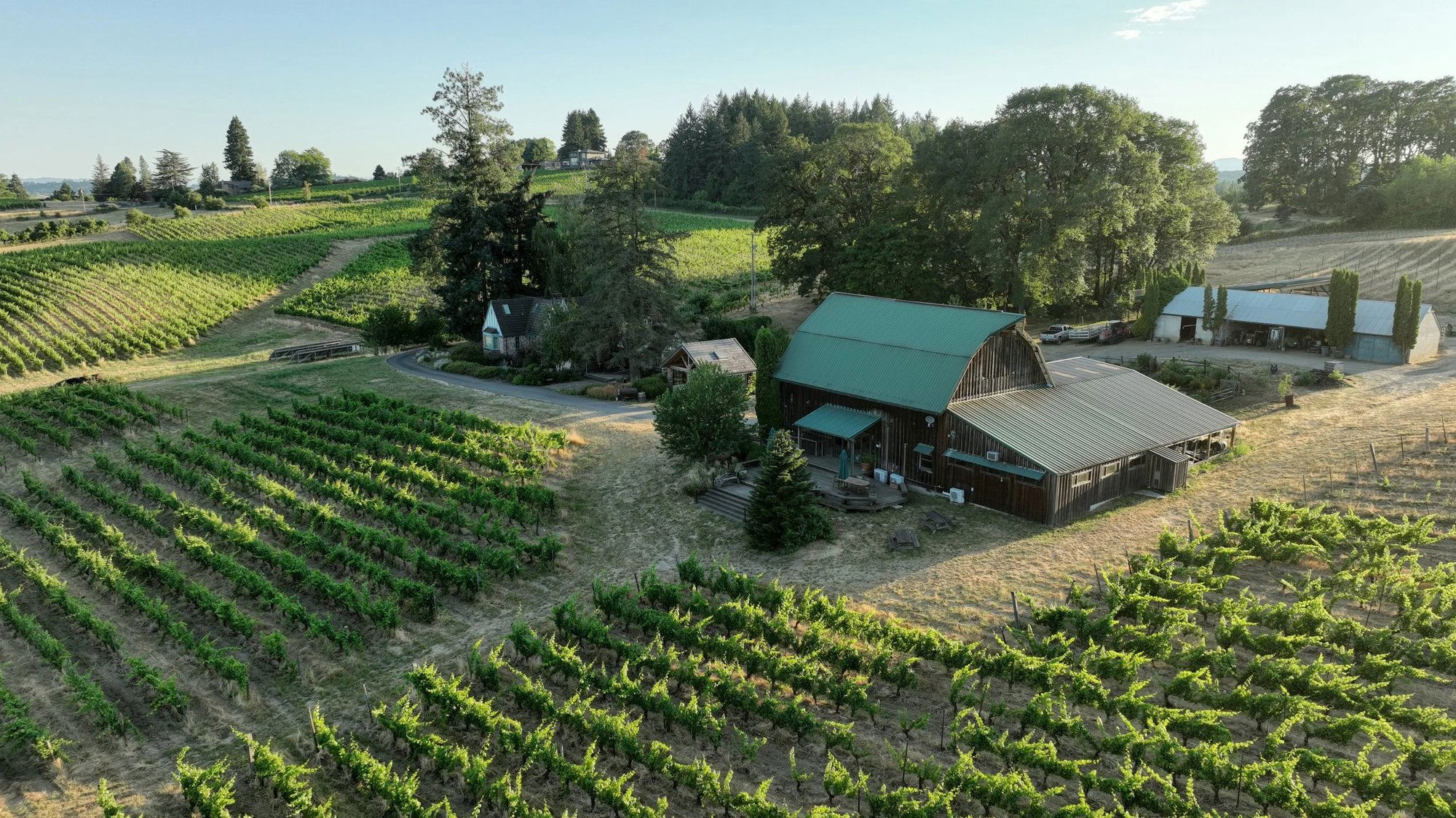
Brick House Wine Co. presents itself as a working farm more than a stage set: the road in and the tended vines make the property’s priorities clear. The writing emphasizes organic and biodynamic viticulture and a farming‑first ethos, so the sense of place is rooted in soil, vines and the Chehalem Mountains sub‑appellation. Visitors encounter a restrained, low‑key tasting environment that favors authenticity over theatrical hospitality. The overall impression is quietly refined and rustic—an elegant, scenic spot where the vineyard and farming practice take center stage rather than polished showmanship.
Best For
This is a winery for people who care about farming, terroir and how vineyard practices shape wine. It suits small groups and couples seeking a contemplative tasting focused on viticulture and provenance rather than a flashy, entertainment‑driven visit. The property’s biodynamic and organic commitments make it a natural stop for anyone interested in wine education or a slow, intimate tasting experience in the Willamette Valley. It’s less appropriate for large parties expecting high‑energy hospitality; instead it rewards visitors who value thoughtful conversation about land and technique.
Tasting Tips
When you visit, orient conversation around farming and vinification: ask about the estate’s certified organic and biodynamic practices and how those choices influence the wines. Focus your tasting on offerings that highlight site character—questions about specific blocks, soil and harvest decisions will be productive. Because the property emphasizes farming over spectacle, expect a deliberate, educational approach from staff rather than a theatrical tasting script. If your interest is in terroir and agronomy, steer your time toward discussions of viticulture and the seasonality that shapes each vintage.
Venue details
Ambiance
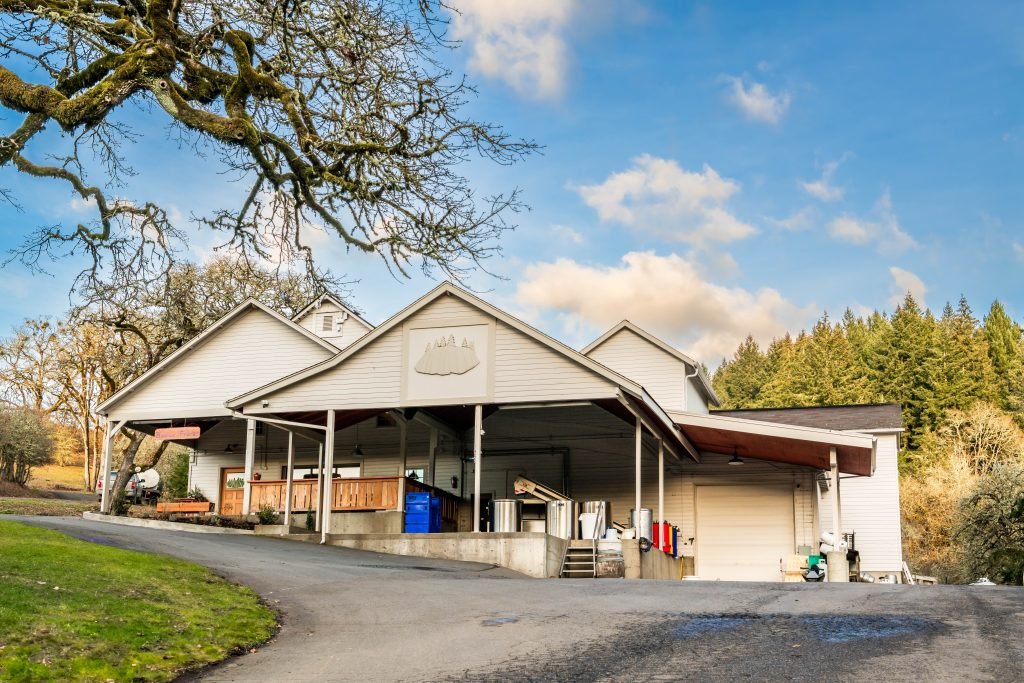
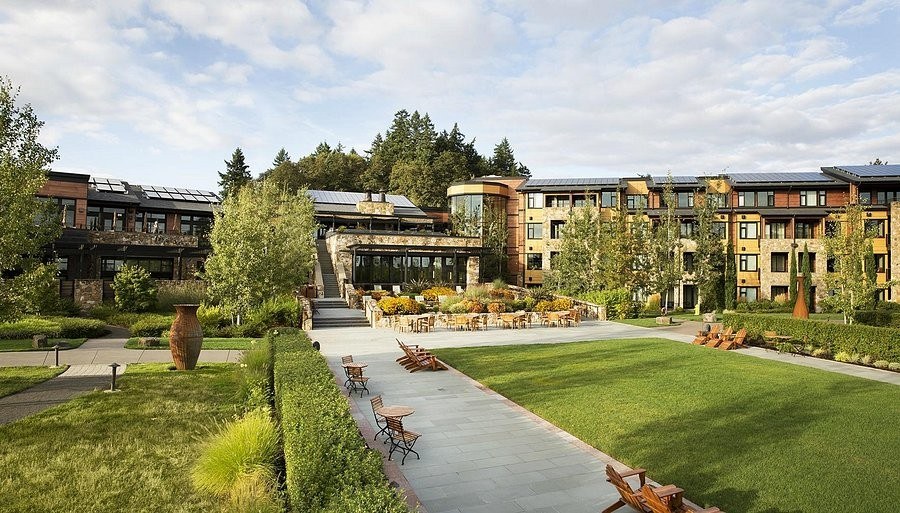
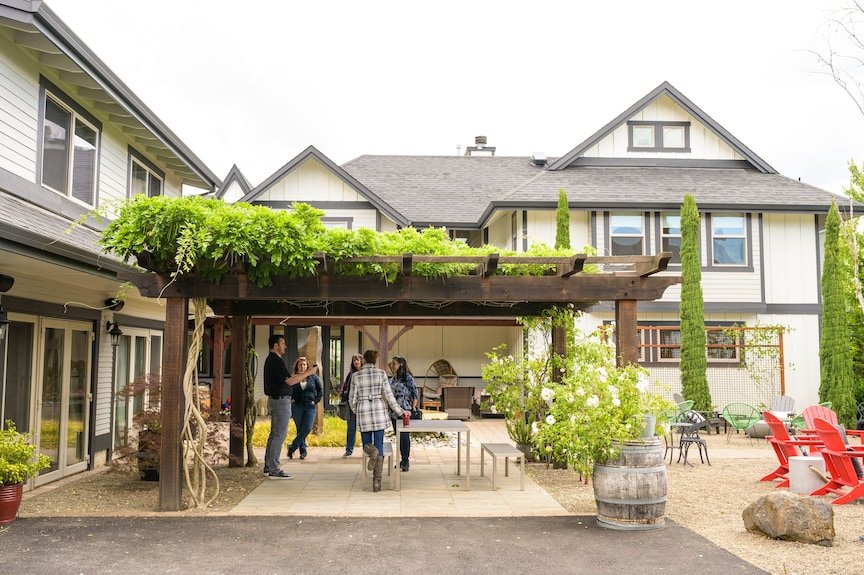
Rustic barn setting with natural light, intimate and peaceful atmosphere overlooking the vineyard; guests describe it as elegant yet unpretentious with a working farm ambiance.
Tags
Vibe
Best For
Experience
Sourcing
View
At the Vineyard
- Appellation
- Ribbon Ridge AVA
- Varietals
- Pinot Noir, Chardonnay, Gamay Noir
- Tour Duration
- 60-90 minutes
- Tour Languages
- English
- Visits
- By appointment only
- Farming
- Biodynamic
- Wine Styles
- Still Red, Still White
- Shipping
- Available
- Wine Club
- Available
Know before you go
Know Before You Go
- Getting there
- 18200 NE Lewis Rogers Ln, Newberg, OR 97132
Planning details
Location
Also consider
Where to go if this is full
If Brick House Wine Co. is not workable, try Patricia Green Cellars first for a similar Newberg wine-focused decision. For a more polished visitor experience, cross-shop Adelsheim Vineyard or Penner-Ash Wine Cellars.
Winery context
How it compares in Newberg
Choose Brick House Wine Co. when the priority is a serious Newberg winery appointment and the schedule can absorb booking friction. Patricia Green Cellars and Beaux Frères are the closest comparison set for visitors who want a focused wine-first stop rather than a broad hospitality experience.
Adelsheim Vineyard is the safer cross-shop for planners who want a more established visitor path, especially for mixed-experience groups. Penner-Ash Wine Cellars is better for travelers who care about setting and a polished appointment feel, while Brick House Wine Co. is the more conviction-led choice when the bottle focus matters more than amenities.
If availability is the problem, Shea Wine Cellars belongs on the backup list with the same serious-wine logic. None of these should be treated as interchangeable filler; for value, compare confirmed tasting fees and appointment length before committing, because the smarter Newberg day is usually two strong bookings rather than four rushed stops.
Explore Newberg
Around this place
Discover more on Pearl
Unlock the full Brick House Wine Co. guide in Pearl, including awards, comparisons, FAQs, planning details, and nearby places.
Compare Brick House Wine Co.
| Venue | Location | Awards |
|---|---|---|
| Brick House Wine Co. | Newberg | No published awards |
| Patricia Green Cellars | Newberg | No published awards |
| Beaux Frères | Newberg | 2026 Falstaff Winery Guide |
| Adelsheim Vineyard | Newberg | No published awards |
| Penner-Ash Wine Cellars | Newberg | No published awards |
| Shea Wine Cellars | Newberg | No published awards |

How Brick House Wine Co. Newberg compares with similar nearby venues.
FAQ
Frequently Asked Questions
When is the best time to visit Brick House Wine Co.?
How long should I plan for a visit to Brick House Wine Co.?
Plan conservatively and leave enough time if your day also includes places like Adelsheim Vineyard or Shea Wine Cellars.
What other venues can I compare with Brick House Wine Co.?
Useful comparison names for planning include Patricia Green Cellars, Beaux Frères, Adelsheim Vineyard, Penner-Ash Wine Cellars, and Shea Wine Cellars. Brick House Wine Co. is the Newberg venue covered here.