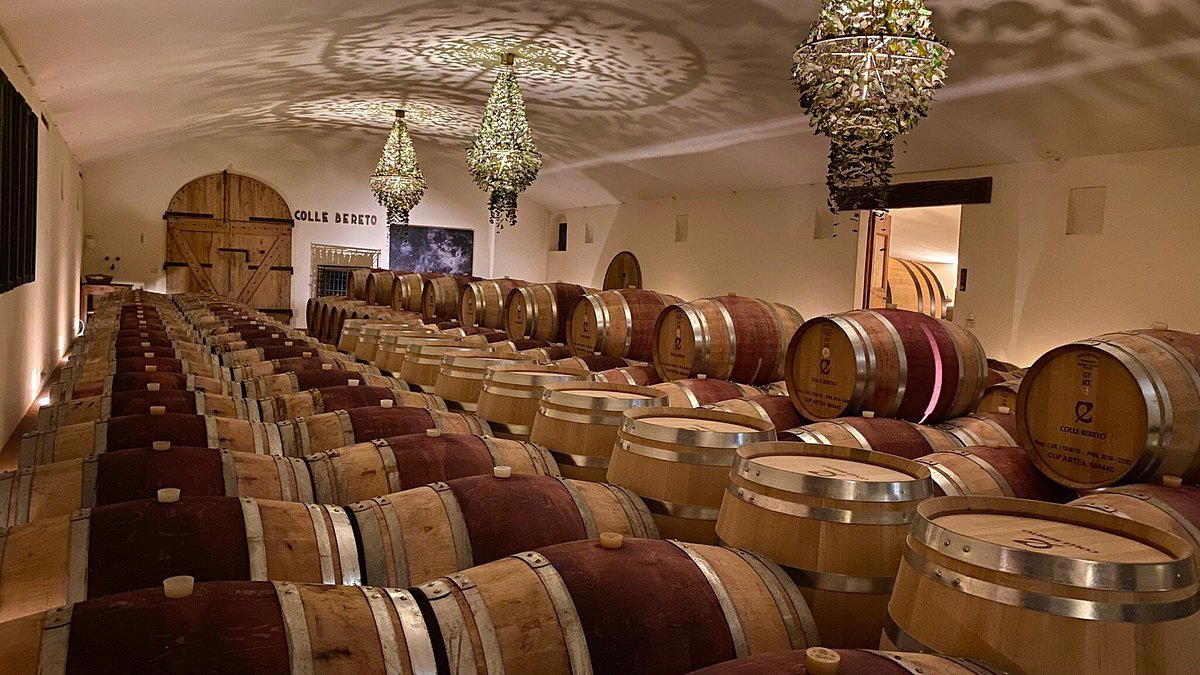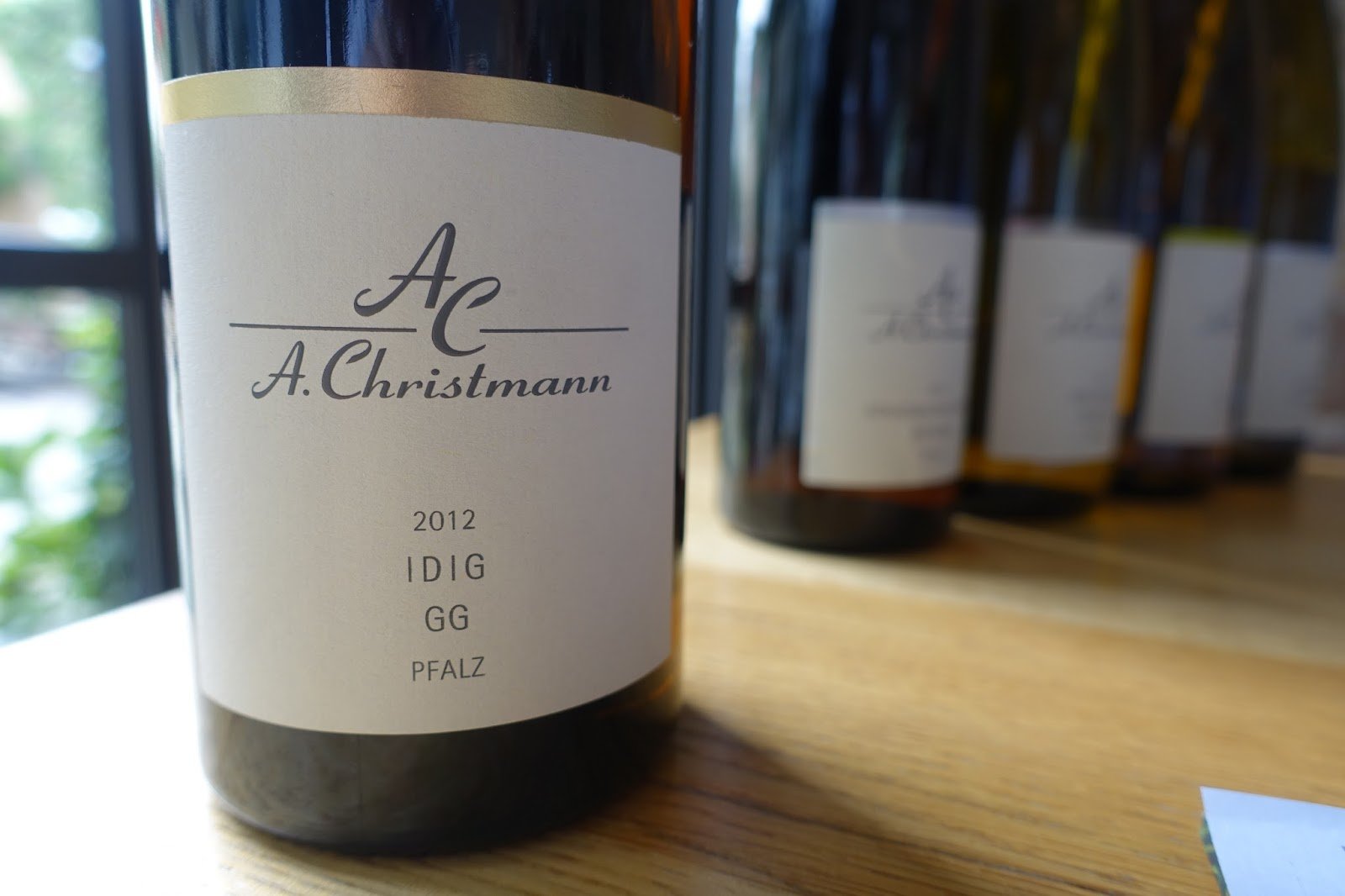

Weingut A. Christmann
Gimmeldingen, Neustadt an der Weinstraße
Winery in Neustadt an der Weinstraße, Germany
 Book with Pearl
The Read
Grosse Lage Riesling Precision
Why go
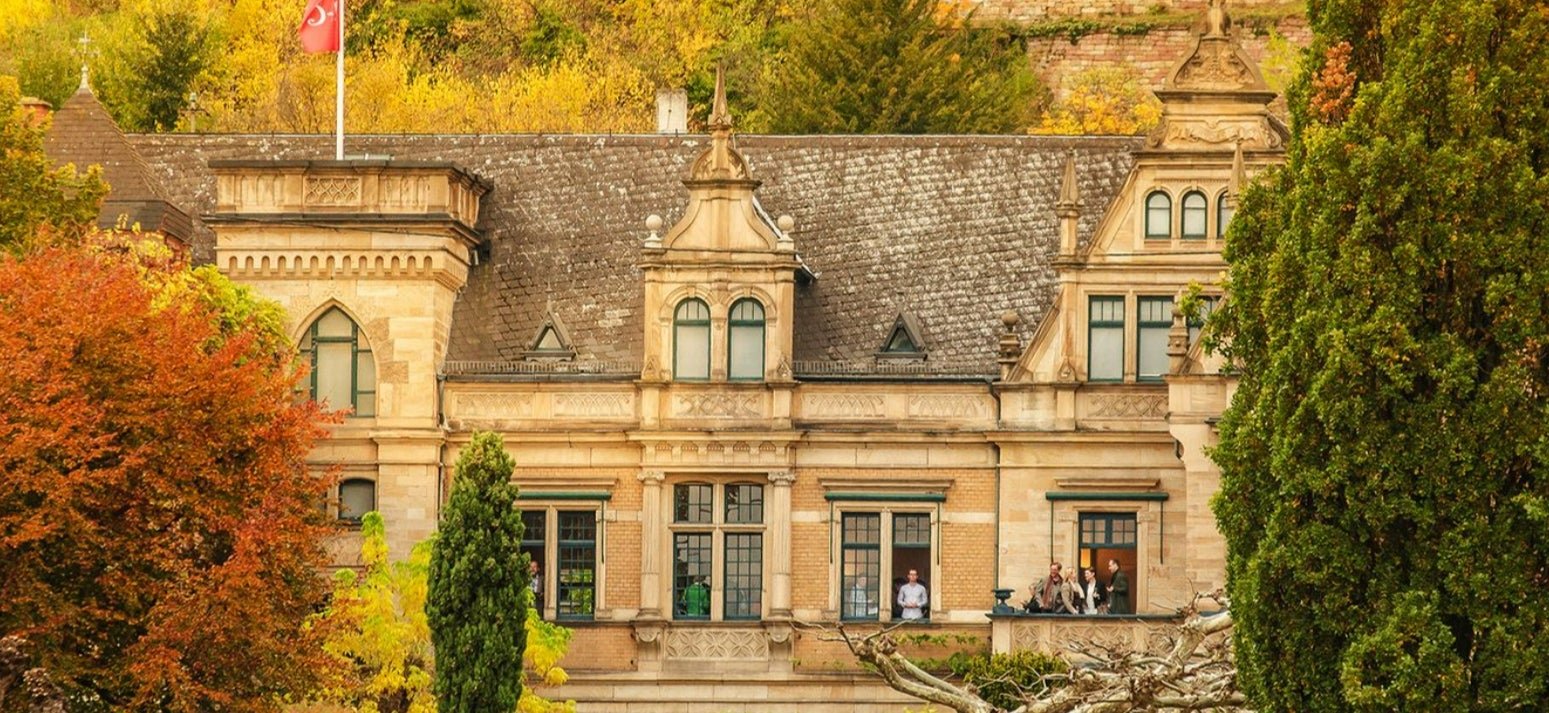
Prioritise Weingut. Christmann for a serious Neustadt wine stop where the estate setting supports a focused Pfalz tasting. It is a better fit for couples, collectors, and small wine-travel groups than for large casual parties, and availability should be treated as a real planning constraint.
About Weingut A. Christmann
Weingut A. Christmann is a venue in Neustadt an der Weinstraße with Pearl 3 Star Prestige recognition for 2025. It has a smart-casual dress code, and details such as visit format, menus, prices, hours, group arrangements, or specific offerings should be checked directly with the venue before planning around them.
If you are comparing other options, keep the key facts separate from assumptions: Weingut A. Christmann is in Neustadt an der Weinstraße, carries Pearl 3 Star Prestige recognition for 2025, and has a smart-casual dress expectation.
Book it as a confirmed Neustadt an der Weinstraße venue
The grounded reason to prioritise Weingut A. Christmann is its Pearl 3 Star Prestige recognition for 2025. Specifics such as appointment requirements, visit structure, visit length, availability, pricing, and services should be confirmed with the venue before setting an itinerary.
For comparison within a broader plan, consider Weingut A. Christmann alongside Weingut Müller-Catoir, Weingut Bassermann-Jordan, Weingut Von Winning, Weingut Reichsrat von Buhl, or Weingut Georg Mosbacher. Treat each as a separate planning choice and verify current arrangements directly before visiting.
Use the confirmed details to decide how much planning you need
If your plan depends on a specific visit format, purchase, group visit, or timed appointment, do not assume those details from this guide. Weingut A. Christmann is in Neustadt an der Weinstraße, has a smart-casual dress code, and is recognised with Pearl 3 Star Prestige in 2025.
The verdict: keep Weingut A. Christmann on a Neustadt an der Weinstraße shortlist if recognition matters to your planning, then confirm all practical details directly before you go.
Planning details
- Location
- Peter-Koch-Straße 43, 67435 Neustadt an der Weinstraße
- Website
- weingut-christmann.de
- Phone
- +49 6321 66039
The take
The Take
The Vibe
Weingut A. Christmann reads like a terroir-first estate: measured, precise and tethered to place. The copy emphasizes geology and microclimate — sandstone, limestone, basalt and loam across discrete parcels — and it situates the winery in the Mittelhaardt, where a Haardt ridge windbreak produces a warmer, drier microclimate. That focus, coupled with a recent Pearl 3 Star Prestige rating, gives the house a quietly authoritative character. The impression is of a classic Pfalz producer that privileges vineyard logic and vintage consistency over flash, appealing to visitors who value substance and the geological story behind a wine.
Best For
This estate is best for serious wine students, collectors and anyone drawn to terroir-driven Riesling. The text frames Christmann as an upper-tier Mittelhaardt producer where soil differences and microclimate matter, so tastings that compare parcels and vintages reward curiosity. It also suits celebratory visits: the Prestige recognition signals a level of quality that works for special-occasion purchases. Visitors who want a quiet, contemplative tasting focused on geology, ripeness and texture will find the estate particularly instructive.
Tasting Tips
When exploring Christmann’s lineup, center your attention on Riesling from distinct vineyard parcels and multiple vintages; the copy highlights how heavier, mineral-rich Mittelhaardt soils give Pfalz Riesling more mid‑palate weight while preserving acidity. Ask about bottlings from sandstone, limestone and basalt sites and about harvest dates that reflect the warmer, drier microclimate behind the Haardt ridge. Because the estate is noted for consistency across vintages, compare recent releases with older bottlings to trace how site and vintage shape texture and ripeness.
Venue details
Tags
Vibe
Best For
Experience
Sourcing
View
At the Vineyard
- Appellation
- Pfalz
- Varietals
- Riesling, Spätburgunder, Weissburgunder
- Visits
- By appointment only
- Farming
- Biodynamic
- Wine Styles
- Still White, Still Red
- Wine Club
- Not available
Know before you go
Know Before You Go
- Getting there
- Peter-Koch-Straße 43, 67435 Neustadt an der Weinstraße
Planning details
Location
Peter-Koch-Straße 43, 67435 Neustadt an der Weinstraße · Directions
Recognition and awards

Also consider
Where to look if you cannot get in
Try Weingut Müller-Catoir first if staying in Neustadt an der Weinstraße matters. If the itinerary can stretch beyond town, compare availability at Weingut Von Winning or Weingut Bassermann-Jordan.
Winery context
How it compares in Neustadt and nearby Pfalz
Choose Weingut A. Christmann when the priority is a focused, serious estate visit in Neustadt an der Weinstraße. Weingut Müller-Catoir is the closest peer in the provided Neustadt set, so it is the natural cross-shop if the day needs to stay local. For visitors who want a quieter, wine-first atmosphere, Christmann should sit high on the list; for a more flexible plan, Müller-Catoir may be the safer backup if availability lines up better.
Weingut Bassermann-Jordan, Weingut Reichsrat von Buhl, and Weingut Von Winning make more sense when the itinerary expands beyond Neustadt into Deidesheim. Use those for a broader Pfalz comparison rather than as same-neighbourhood substitutes. They are useful if the goal is to compare estate personalities across the region in one day.
Weingut Georg Mosbacher is another practical alternate for travellers building a multi-stop Pfalz route. If booking at Christmann proves difficult, cross-shop Müller-Catoir first for Neustadt convenience, then look to Bassermann-Jordan, Reichsrat von Buhl, Von Winning, or Georg Mosbacher if the schedule can handle a wider regional loop.
Explore Neustadt an der Weinstraße
Around this place
Discover more on Pearl
Unlock the full Weingut A. Christmann guide in Pearl, including awards, comparisons, FAQs, planning details, and nearby places.
Compare Weingut A. Christmann
| Venue | Location | Awards |
|---|---|---|
| Weingut A. Christmann | Neustadt an der Weinstraße | 2026 Falstaff Winery Guide |
| Weingut Müller-Catoir | Neustadt an der Weinstraße | 2026 Falstaff Winery Guide |
| Weingut Bassermann-Jordan | Deidesheim | 2026 Falstaff Winery Guide |
| Weingut Reichsrat von Buhl | Deidesheim | 2026 Falstaff Winery Guide |
| Weingut Von Winning | Deidesheim | 2026 Falstaff Winery Guide |
| Weingut Georg Mosbacher | Forst an der Weinstraße | 2026 Falstaff Winery Guide |
How Weingut. Christmann compares with similar nearby venues.
FAQ
Frequently Asked Questions
What other venues can I compare with Weingut A. Christmann?
For comparison planning, consider Weingut Müller-Catoir, Weingut Bassermann-Jordan, Weingut Von Winning, Weingut Reichsrat von Buhl, or Weingut Georg Mosbacher. Verify each venue's location, hours, and visit arrangements directly before building an itinerary.
Does Weingut A. Christmann offer any membership or allocation option?
If the venue offers any ongoing option, evaluate it directly against your needs and the current terms provided by Weingut A. Christmann.
When is the best time to visit Weingut A. Christmann?
How long should I plan for a visit to Weingut A. Christmann?
Ask the venue directly how much time to allow for the type of visit you are planning, especially if you are also comparing it with Weingut Bassermann-Jordan or Weingut Reichsrat von Buhl.
Do I need a reservation at Weingut A. Christmann?
Contact Weingut A. Christmann directly before visiting Neustadt an der Weinstraße, and confirm any current appointment, dress-code, or arrival guidance.