
Winery in Neuquén, Argentina
Patagonia Whisky Co.
250ptsPatagonian Single-Origin Whisky
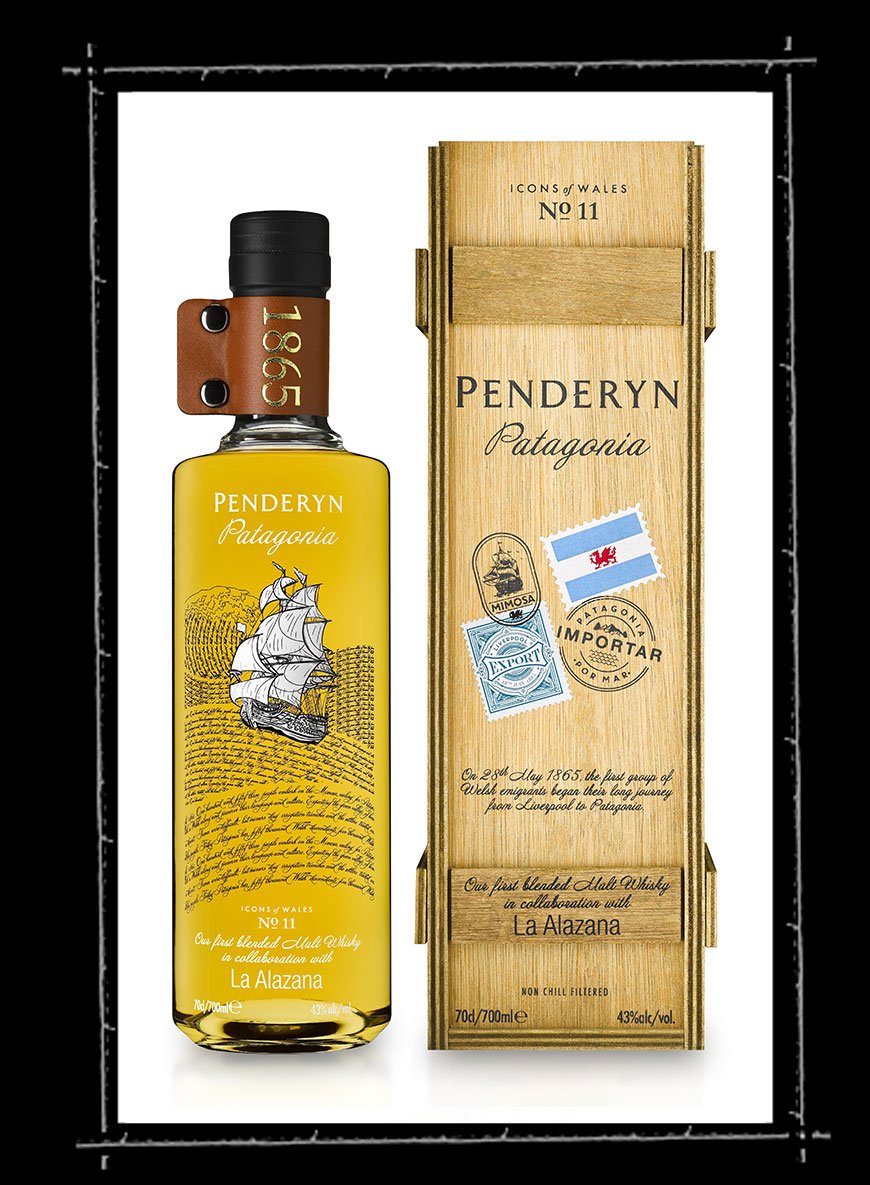
About Patagonia Whisky Co.
Patagonia Whisky Co. holds a Pearl 1 Star Prestige (2025) and operates from El Chocón 239 in Neuquén, placing it among the small cohort of craft spirits producers earning formal recognition in Argentine Patagonia. The address sits within a city better known for its wine corridor than its whisky tradition, which makes the distinction earned here more instructive than expected.
A Spirits Frontier in Wine Country
Argentine Patagonia has built its premium drinks identity almost entirely on wine. The Neuquén province, anchored by producers like Bodega Del Fin del Mundo and Familia Schroeder in San Patricio del Chañar, has positioned itself as the southernmost serious wine corridor in South America, drawing attention through cold-climate Malbec and Pinot Noir programs that compete credibly with Mendoza benchmarks. Within that context, a whisky operation earning formal prestige recognition is a different kind of signal entirely. Patagonia Whisky Co., operating from El Chocón 239 in Neuquén city, carries a Pearl 1 Star Prestige awarded in 2025, a credential that places it inside the tier of producers receiving structured critical attention rather than local novelty status.
The significance of that distinction is easier to read when you consider where craft spirits production sits in Argentina more broadly. The country's distilling culture has historically been dominated by imported Scotch, blended domestic spirits, and a handful of larger operations. The emergence of smaller, terroir-oriented producers, including Bosque Craft Gin also based in Neuquén, suggests the province is developing a craft spirits identity alongside its wine reputation. Patagonia Whisky Co. sits at the sharper end of that shift, producing whisky in a region where the raw material conditions, clean Andean water, cold maturation temperatures, and low humidity, diverge substantially from the Scottish or American baselines most drinkers use as reference points.
What Patagonian Whisky Actually Means
The philosophical case for making whisky in Patagonia is grounded in environment rather than tradition. Scotland's whisky regions each exert measurable influence on spirit character through climate, peat availability, and maturation conditions. Patagonia offers a genuinely different set of variables: dramatic diurnal temperature swings that accelerate barrel interaction, dry mountain air with low humidity that affects evaporation rates differently from maritime climates, and access to snowmelt water with a mineral profile distinct from any Scottish or Irish source. These are not marketing abstractions. They translate into spirits that mature along a different curve and develop flavour compounds that can't be replicated by Scottish or American producers working in their own climates.
For a useful comparison of how Argentine producers have approached premium credentials in adjacent categories, the wine corridor offers instructive parallels. Bodega El Esteco in Cafayate built its case on high-altitude terroir specificity; Bodega Norton in Luján de Cuyo and Escorihuela Gascón in Godoy Cruz earned their positions through consistency at scale and critical recognition across multiple vintages. The pattern in Argentine premiumisation has generally followed the same logic: define a specific environmental claim, execute consistently, and accumulate credentials from external evaluators. The 2025 Pearl 1 Star Prestige suggests Patagonia Whisky Co. has cleared at least the first stage of that progression.
The Craft Spirits Context in Neuquén
Neuquén city is not a conventional spirits destination. It functions primarily as a commercial hub for the oil and mining industries that dominate the provincial economy, and its wine tourism infrastructure is oriented toward the San Patricio del Chañar corridor to the north rather than the city itself. The El Chocón address places Patagonia Whisky Co. within reach of that infrastructure while remaining in an urban context that hasn't yet developed the established visiting circuits of Mendoza or Cafayate.
That positioning has its own logic. Craft spirits producers with small production volumes and a premium orientation often operate more effectively outside wine tourism circuits, where the narrative is controlled more directly and the visitor comes specifically for spirits rather than as part of a broader route. The comparison with Fratelli Branca Distillery in Buenos Aires, a producer with a very different scale and heritage but operating in a similarly non-conventional spirits city, illustrates how Argentine distilleries have learned to build identity without relying on established geographic prestige markers.
For those tracking the development of Argentina's craft spirits tier alongside its wine identity, the Neuquén producers form an early cohort worth monitoring. The full Neuquén guide maps the broader drinking and dining picture for visitors planning time in the province.
Where This Sits in the Argentine Prestige Drinks Map
Argentina's premium drinks recognition has been disproportionately concentrated in wine, and specifically in the Mendoza corridor. Producers like Terrazas de los Andes in Mendoza, Bodega DiamAndes in Tunuyán, and Rutini Wines in Tupungato have accumulated the kind of awards density and international distributor relationships that define the leading of that category. Bodega Trapiche occupies its own tier through sheer scale and export volume. Bodega Colomé in Molinos has carved out a position based on extreme altitude and single-estate specificity.
Whisky sits entirely outside that recognition architecture, which means Patagonia Whisky Co.'s Pearl 1 Star Prestige in 2025 is being built in a different register, against international craft spirits evaluators rather than regional wine authorities. That path is longer and less supported by existing Argentine infrastructure, but it also means recognition earned is more transferable globally. For international buyers and collectors tracking craft whisky beyond the established Scottish and Japanese corridors, a Patagonian producer with verified prestige recognition represents a category position that doesn't yet have many competitors. The comparison set internationally would include small-batch operations in regions like Tasmania, Scandinavia, and the Indian Himalayas, all of which have made credible arguments for terroir-driven whisky outside the historic production zones. Aberlour in Aberlour, a Speyside benchmark, and Accendo Cellars in St. Helena, representing the kind of small-production prestige model in wine that whisky producers aspire to replicate, both serve as useful reference points for understanding where serious small-batch production sits in a global context.
Planning a Visit
Patagonia Whisky Co. is located at El Chocón 239, Q8300 Neuquén, Argentina. Current operating hours, pricing, and booking arrangements are not publicly listed, which is consistent with small-production craft operations that often manage visits through direct contact rather than open-door schedules. The most practical approach is to reach out through the venue directly before planning a trip, particularly for visitors combining a spirits visit with the broader Neuquén wine corridor. The El Chocón address in Neuquén city is accessible from the provincial capital's transport network. Visitors arriving by air land at Presidente Perón International Airport, which connects to Buenos Aires and several regional hubs. The wine-producing areas around San Patricio del Chañar sit roughly an hour north of the city, making a Neuquén base feasible for combining craft spirits and wine visits in a single itinerary.
Frequently Asked Questions
What is Patagonia Whisky Co. known for?
Patagonia Whisky Co. holds a Pearl 1 Star Prestige (2025), placing it among the small number of craft spirits producers in Argentina's Neuquén province to earn formal critical recognition. The operation produces whisky in a high-altitude Andean environment that offers materially different maturation conditions from the Scottish or American baseline, including pronounced diurnal temperature variation and low-humidity mountain air. It sits alongside Bosque Craft Gin as part of a nascent craft spirits cohort developing in a province better known for cold-climate wine production from producers like Bodega Del Fin del Mundo.
What makes Patagonia Whisky Co. worth visiting?
The core case rests on the combination of a verified prestige award in 2025 and a production context that is genuinely rare: whisky made in Argentine Patagonia, in a city that has no established spirits tourism infrastructure, drawing on environmental conditions that no other major whisky-producing region shares. For visitors spending time in Neuquén for wine-focused reasons, the El Chocón 239 address adds a category dimension to the trip that the wine corridor alone cannot provide. Current pricing information is not publicly available, so confirming costs and visit format directly before arrival is advisable.
Related editorial
- Best Fine Dining Restaurants in ParisFrom three-Michelin-star icons to the next generation of Parisian chefs pushing boundaries, these are the restaurants that define fine dining in the world's culinary capital.
- Best Luxury Hotels in RomeFrom rooftop terraces overlooking ancient ruins to Michelin-starred hotel dining, these are the luxury hotels that make Rome unforgettable.
- Best Cocktail Bars in KyotoFrom sleek lounges to hidden speakeasies, Kyoto's cocktail scene blends Japanese precision with global influence in ways you won't find anywhere else.
Save or rate Patagonia Whisky Co. on Pearl
Keep this venue in your Pearl passport, rate it after you visit, and track it alongside every other place you collect.