Szöllősi Pincészet
Neszmély
Winery in Neszmély, Hungary
 Book with Pearl
The Read
Danube-Bank Prestige Viticulture
Why go
Szöllősi Pincészet is worth pursuing for wine travelers who want a focused Neszmély producer stop, not a casual drop-in. The draw is selectivity and regional context; the tradeoff is planning friction. Go with a small group, build in schedule flexibility, and keep a nearby winery backup ready.
About Szöllősi Pincészet
Szöllősi Pincészet is a venue in Neszmély with a casual dress code and 2 Star Prestige recognition for 2025. For visitor format, hours, pricing, reservations, offerings, and services, check directly with the venue before building a trip around it.
The decision point is simple: consider Szöllősi Pincészet if you are specifically looking at venues in Neszmély and are willing to confirm current visit details with the venue. If your itinerary depends on fixed opening windows, published formats, or highly predictable logistics, compare it with other named regional options such as Hilltop Neszmély Winery, Miklós Csabi Pincészet, Nyakas Pincészet, Csetvei Pince, or Hernyák Birtok before committing your day.
A Neszmély stop for travelers comparing regional venues
The strongest case for Szöllősi Pincészet is its place in Neszmély and its 2 Star Prestige recognition in 2025. That makes it a reasonable name to include when researching the area, especially for travelers comparing venues rather than looking for a fully documented hospitality experience.
Avoid assuming what a visit includes before checking current offering, format, price, and service information. Treat the venue as a candidate to confirm directly, then compare it with other options in and around the region, including Hilltop Neszmély Winery, Miklós Csabi Pincészet, Nyakas Pincészet, Csetvei Pince, and Hernyák Birtok.
Plan around access, not impulse
The practical verdict: Szöllősi Pincészet is best approached as a researched Neszmély stop, not as a venue where details should be taken for granted. Confirm current access, timing, and any visit conditions before making it central to an itinerary.
Go in with flexible expectations and keep another nearby option in mind. If the current details fit your plans, Szöllősi Pincészet has a clear reason to be on the shortlist: it is a Neszmély venue with 2 Star Prestige recognition in 2025 and a casual dress code.
Planning details
- Location
- Neszmély, Kásáshegyalja utca 6, 2544
- Website
- szollosipinceszet.hu
- Phone
- +36 34 451 254
The take
The Take
The Vibe
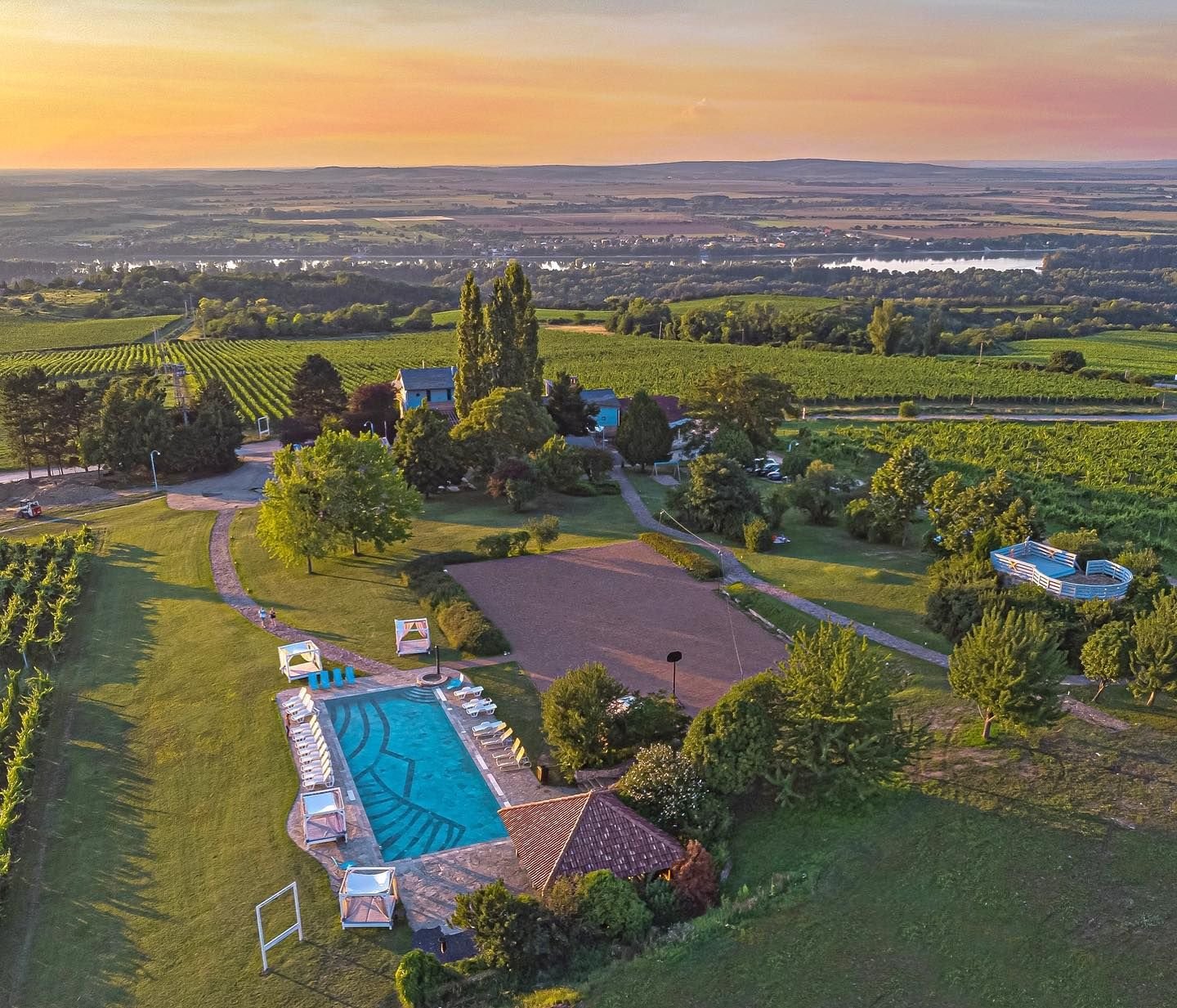
Szöllősi Pincészet reads as a low‑profile, terroir‑focused winery tucked into the hillside vineyards of Neszmély. The narrative emphasizes a quieter, artisan identity: an address in the vineyard zone above the Danube rather than an industrial estate, loess and limestone soils, and south‑facing slopes that favor aromatic white varieties. The estate’s recent Pearl 2 Star Prestige designation signals judged quality without the pomp of large commercial houses, and the writing foregrounds a contemplative, scenic setting—one that encourages slow, attentive tasting rather than buzzy mass tourism.
Best For
This is a good stop for people interested in close study of regional terroir and varietal expression—especially aromatic whites such as Olaszrizling, Tramini and Sauvignon Blanc. The winery’s profile and award recognition make it well suited to wine education outings and solitary exploration where you can focus on vineyard factors, soil types and stylistic detail. Visitors seeking quiet, informative time among vineyard slopes will find the setting and producer profile compatible with thoughtful tasting and learning rather than high‑traffic commercial sampling.
Tasting Tips
When exploring Szöllősi Pincészet’s offerings, prioritize the aromatic white varieties that the text highlights—Olaszrizling, Tramini and Sauvignon Blanc—and look for wines identified with the estate’s recent Pearl 2 Star Prestige recognition. Ask about which wines were sampled by the award panels and which vintages reflect the loess and limestone soils described. Given the producer’s artisan scale, focus on single‑vineyard or site‑designated bottlings if they are available, and request background on vineyard exposure and harvest choices to better understand each wine’s typicity.
Venue details
Ambiance
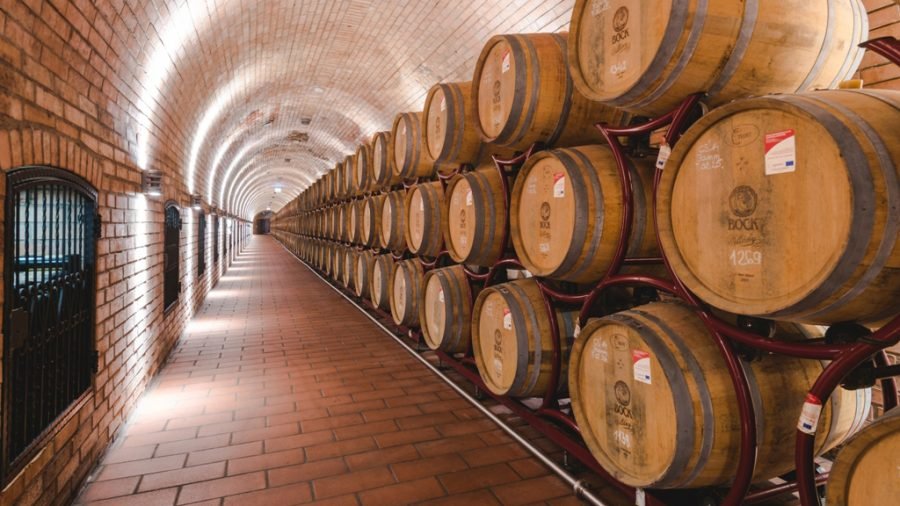
Traditional and rustic atmosphere in an historic Hungarian wine cellar.
Tags
Vibe
Best For
Experience
View
At the Vineyard
- Appellation
- Neszmély
- Varietals
- olaszrizling, sauvignon blanc, chardonnay
- Tour Duration
- 60-90 minutes
- Tour Languages
- Hungarian
- Visits
- By appointment only
- Production
- Mid-size producer
- Wine Styles
- Still White
- Wine Club
- Not available
Know before you go
Know Before You Go
- Getting there
- Neszmély, Kásáshegyalja utca 6, 2544
Planning details
Location
Also consider
Also Consider
- Hilltop Neszmély Winery, Notable alternative
- Nyakas Pincészet, Notable alternative
- Miklós Csabi Pincészet, Notable alternative
- Csetvei Pince, Notable alternative
- Hernyák Birtok, Notable alternative
Winery context
How It Compares
Choose Szöllősi Pincészet if the priority is a more selective Neszmély producer visit and the group can tolerate booking uncertainty. Hilltop Neszmély Winery is the safer cross-shop for travelers who want a more obvious winery stop in Neszmély, especially when the itinerary needs easier planning and broader appeal.
Nyakas Pincészet and Miklós Csabi Pincészet make more sense if the goal is to compare nearby Hungarian producers beyond Neszmély rather than focus tightly on one address. Pick Szöllősi Pincészet for depth; pick those peers when route variety matters more than a single hard-to-secure stop.
Csetvei Pince and Hernyák Birtok are better backups when the day needs a broader countryside feel or easier contingency planning. For value, the smarter move is not to chase the hardest booking at all costs: match the venue to the trip style, small-party exploration here, lower-friction touring at the alternatives.
Explore Neszmély
Around this place
Discover more on Pearl
Unlock the full Szöllősi Pincészet guide in Pearl, including awards, comparisons, FAQs, planning details, and nearby places.
Compare Szöllősi Pincészet
| Venue | Location | Awards |
|---|---|---|
| Szöllősi Pincészet | Neszmély | No published awards |
| Hilltop Neszmély Winery | Neszmély | No published awards |
| Nyakas Pincészet | Tök | No published awards |
| Miklós Csabi Pincészet | Mór | No published awards |
| Csetvei Pince | Mór | No published awards |
| Hernyák Birtok | Etyek | 2026 Falstaff Winery Guide |

How Szöllősi Pincészet Neszmély compares with similar nearby venues.
FAQ
Frequently Asked Questions
How long should I plan for a visit to Szöllősi Pincészet?
Is the wine club at Szöllősi Pincészet worth joining?
Check wine club terms and benefits through the venue's official channels. The venue has 2 Star Prestige recognition for 2025, but membership details should be reviewed directly before joining.