
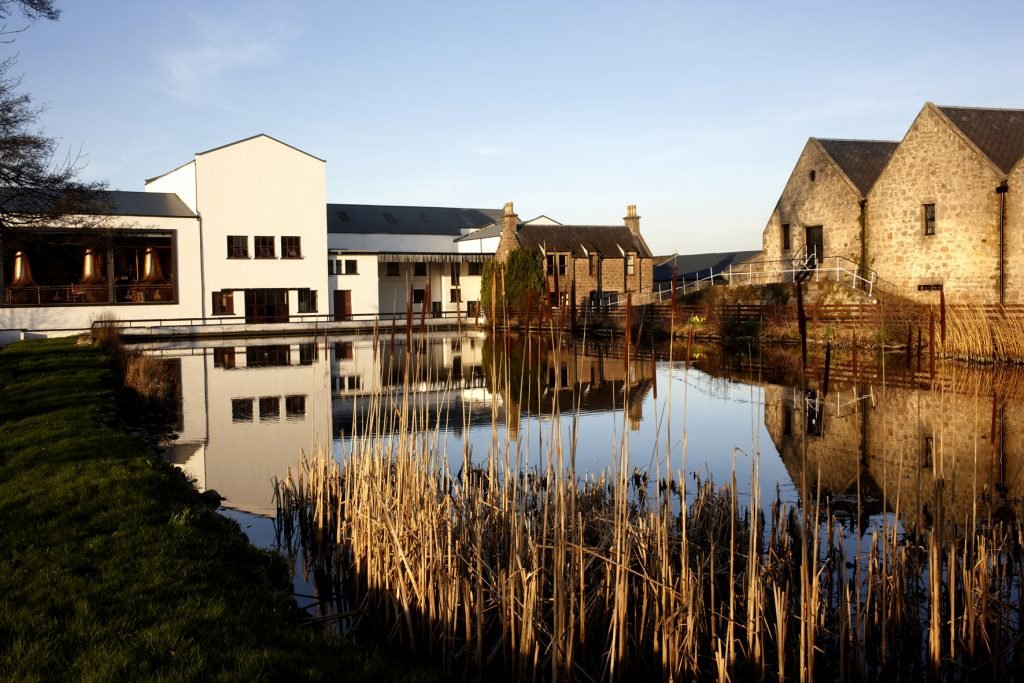
    Winery in Neckenmarkt, Austria

    Destillerie Weisz

    250pts

    Burgenland Terroir Distillation

    Destillerie Weisz, Winery in Neckenmarkt

    About Destillerie Weisz

    Destillerie Weisz operates from Neckenmarkt in Austria's Burgenland, a village whose vineyard soils and continental climate have long shaped the character of spirits and wines produced here. Recognised with a Pearl 1 Star Prestige award in 2025, the distillery sits within a small tier of Austrian craft producers where provenance and process carry more weight than scale.

    Where Burgenland's Soils Find Their Way Into the Still

    Neckenmarkt sits in the hill country of Mittelburgenland, a corridor of Austria that wine drinkers associate with Blaufränkisch and that spirit producers have historically used for fruit-forward, terroir-grounded distillates. The village is compact and agricultural in the way that many of the leading Austrian producers' home bases are: little ambient noise, vineyards on the slopes above, and a working rhythm dictated by seasons rather than tourism calendars. Arriving here, the surroundings make the logic of a distillery operation immediately clear. The raw material is close. The tradition of small-batch production in this part of Burgenland runs deep, and Destillerie Weisz fits into that pattern rather than working against it.

    Austria's craft distilling scene has matured considerably over the past decade, splitting into two broad camps: producers who orient themselves toward international spirits categories (gin, whisky, aged eau-de-vie) and those who remain anchored to regional fruit and grain traditions. Destillerie Weisz, recognised with a Pearl 1 Star Prestige award in 2025, sits in the latter tier, where the emphasis falls on what the land provides rather than what a category trend demands. That award places it in a peer set that includes serious regional operations across Austria, producers for whom recognition reflects consistent craft rather than a single standout release.

    The Terroir Argument in Distilled Form

    Burgenland's climate is one of Austria's more continental, with warm summers that build sugar and complexity in fruit, and cold winters that enforce a hard rest on the landscape. For distillers, that seasonal swing matters. Fruit harvested in this kind of climate carries a different aromatic profile than produce from the cooler Wachau or the warmer Rhine valley: more concentrated, sometimes more tannic at the skin, with a character that survives the still and appears in the finished spirit. This is the central terroir argument that serious Austrian distillers make, and it is the same argument that producers in neighbouring regions of Hungary and Slovenia have been making for decades.

    The distilleries that do this well tend to treat their raw material with the same seriousness that winemakers in the region give to Blaufränkisch grapes. The parallel is not accidental. Many of Mittelburgenland's leading small producers operate across both winemaking and distilling, treating them as complementary expressions of the same agricultural logic. Compare this approach with what producers like Weingut Pittnauer in Gols or Weingut Kracher in Illmitz do in the wine domain: both anchor their identity to Burgenland's specific soil and climatic conditions, letting place set the parameters rather than technique. Destillerie Weisz operates in the same regional tradition, translated into distilled spirit.

    Reading a 2025 Pearl Star in Context

    The Pearl 1 Star Prestige recognition awarded to Destillerie Weisz in 2025 is a current-year signal, which means it reflects the distillery's present output rather than a historical reputation. In the Austrian craft spirits space, this kind of recognition matters precisely because the field has grown crowded. Operations range from weekend hobbyist setups to serious commercial producers with export reach, and the award tier helps delineate where a producer actually sits in that spread.

    For context, consider how other awarded Austrian producers have used similar recognition as a hinge point. Weingut Scheiblhofer Distillery in Andau and Abfindungsbrennerei Franz in Leithaprodersdorf both demonstrate how Burgenland's smaller operations can punch above their geographic weight when the raw material and process are treated seriously. Destillerie Weisz's 2025 award places it in that same conversation, though the specifics of what the distillery produces remain, for the first-time visitor, something to encounter directly.

    Across a wider Austrian craft spirits comparison, producers like A. Batch Distillery in Bergheim and 1310 Spirit of the Country Distillery in Sierning have built their identities around specific regional ingredients and transparent process. The direction of Austrian craft distilling as a whole is toward this kind of provenance-led production, and Neckenmarkt's agricultural character makes it a logical base for that approach.

    Neckenmarkt as a Production Village

    There is a category of Austrian wine and spirits village that does not market itself, does not have a visitor centre, and does not appear in the first ten results when you search for weekend trips from Vienna. Neckenmarkt is in that category. It functions as a working agricultural community where the business of growing, fermenting, and distilling happens because the conditions support it, not because a tourism board identified an opportunity.

    This is relevant for visitors because the experience of coming to Destillerie Weisz is not a curated one in the way that a large, well-resourced estate might offer. It belongs to a tradition of direct, producer-led encounters that Austrian wine and spirits culture has preserved better than most European countries. For those who want to understand what Burgenland actually produces, rather than a polished interpretation of it, this kind of village distillery is where that understanding begins.

    For broader Neckenmarkt planning, our full Neckenmarkt restaurants guide covers additional producers and eating options in the area. The village sits in reach of both the northern Burgenland wine corridor and the Sopron region just across the Hungarian border, making it a logical base for a multi-stop Mittelburgenland circuit. Those building a wider Austrian wine and spirits itinerary might also cross-reference producers in other regions: Weingut Bründlmayer in Langenlois and Weingut Emmerich Knoll in Dürnstein represent the Wachau and Kamptal ends of the Austrian quality spectrum, while Weingut Wohlmuth in Kitzeck and Weingut Heinrich Hartl in Oberwaltersdorf illustrate how different Austrian sub-regions build distinct identities from shared continental conditions.

    Planning a Visit

    Because the venue database does not carry contact details, hours, or booking policy for Destillerie Weisz, the practical approach is to treat this as you would any serious small Austrian producer: contact directly through local Neckenmarkt networks or regional tourism boards, and expect that visits may operate on a schedule aligned with production rather than walk-in hospitality. Small distilleries in this part of Burgenland typically receive visitors by arrangement rather than on demand, which is a function of working scale rather than exclusivity. Arriving without prior contact risks a closed door. The 2025 Pearl 1 Star Prestige award will have increased visibility for the distillery, so advance planning is sensible.

    For those comparing craft distillery visits across Austria, the geographic spread is worth considering. Operations like 1404 Manufacturing Distillery in Sankt Peter-Freienstein and 1516 Brewing Company Distillery in Vienna offer different regional characters, and building a circuit that includes Burgenland alongside these other stops gives a more complete picture of what Austrian craft spirits production actually looks like in practice.

    Frequently Asked Questions

    What is the atmosphere like at Destillerie Weisz?

    Neckenmarkt is an agricultural village in Mittelburgenland, and the atmosphere at a production distillery of this type is working rather than theatrical. There is no hospitality stage set here in the way a larger estate might construct one. The 2025 Pearl 1 Star Prestige award marks the distillery as a producer of genuine standing, but the setting reflects the village's character: quiet, agricultural, oriented around craft rather than visitor programming. Specific atmosphere details would require a direct visit or contact with the venue.

    What spirits is Destillerie Weisz known for?

    The venue record does not specify the distillery's spirit categories, so claims about individual products would go beyond what the available data supports. What the Pearl 1 Star Prestige recognition in 2025 indicates is that the production meets a quality threshold that places it among Austria's recognised craft producers. Burgenland's fruit and agricultural profile, combined with the distillery's regional positioning, suggests an operation working with locally sourced raw material, but specific product details are leading confirmed directly with the distillery.

    Why do people visit Destillerie Weisz?

    Visitors to Neckenmarkt's distilling and wine producers typically come for direct access to production that is difficult to encounter through conventional retail or export channels. A Pearl 1 Star Prestige award in 2025 gives the distillery credibility within the Austrian craft spirits field, and for those building a Burgenland itinerary around provenance-led producers rather than destination hospitality, Destillerie Weisz represents the kind of operation worth routing toward. The village itself adds context: understanding what Mittelburgenland produces is easier when you are standing in it.

    Keep this place

    Save or rate Destillerie Weisz on Pearl

    Keep this venue in your Pearl passport, rate it after you visit, and track it alongside every other place you collect.