

Winery in Napa, United States
Ridge (Monte Bello)
250Pearl PointsCabernet First
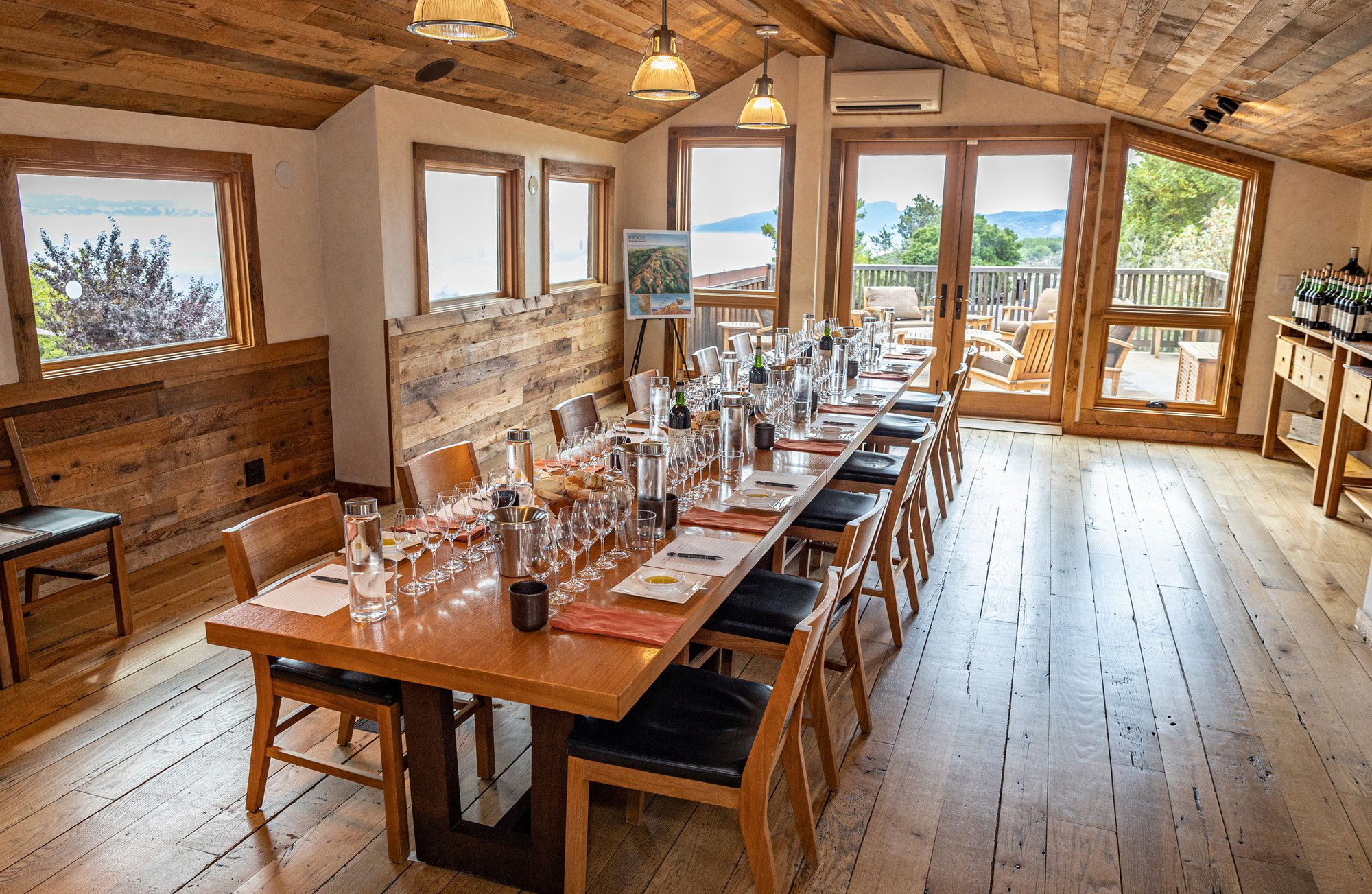
About Ridge (Monte Bello)
Ridge (Monte Bello) is worth prioritizing if the flagship Monte Bello bottling is the point of the trip, not if the group wants a casual Napa tasting crawl. The ridge-line location rewards a planned wine day, while travelers seeking broader hospitality or easier group appeal should cross-shop Ram's Gate Winery, Ridge Vineyards, or Rhys Vineyards.
Use this page as a cautious planning note for Ridge (Monte Bello) in Napa. The verified information available here is limited: the venue is listed in Napa and has 1 Star Prestige recognition for 2025. Beyond that, do not assume specific hours, pricing, service format, menu details, product focus, group capacity, purchase options, or on-site amenities unless you confirm them directly before planning around the visit.
Go for a focused, verified stop
The clearest reason to keep Ridge (Monte Bello) on a Napa shortlist is its 1 Star Prestige (2025) recognition. Treat the rest of the visit details as items to verify in advance rather than fixed expectations. This is especially important if your plan depends on timing, food, accessibility, purchases, or a particular visit format.
For a broader Napa planning day, pair research here with wider Napa planning resources, then use Our full Napa restaurants guide, Our full Napa hotels guide, Our full Napa bars guide, other Napa guides to avoid overloading the day.
Who should compare it with other venues
Choose Ridge (Monte Bello) if you are building a Napa plan around a recognized venue and are willing to confirm the practical details before committing. Travelers comparing other notable stops may also look at Ram's Gate Winery, Ridge Vineyards, Rhys Vineyards, St. George Spirits, or Redwood Empire Distillery, depending on the kind of experience they want.
For wider browsing, compare Ridge (Monte Bello) with other Napa options generically rather than assuming the same format, location, or amenities. The safest approach is to verify each venue's current visit details directly before arranging a route.
Frequently Asked Questions
What is Ridge (Monte Bello) known for?
The verified details here are limited: Ridge (Monte Bello) is a Napa venue with 1 Star Prestige recognition for 2025. Specific claims about offerings, service format, or visitor amenities should be confirmed directly before you plan around them.
How long should I plan for a visit to Ridge (Monte Bello)?
No verified visit length is available here. Plan only after confirming the current appointment format, timing, any practical requirements directly with Ridge (Monte Bello).
Does Ridge (Monte Bello) serve food?
Food service details are not verified here. If dining, snacks, or pairings matter to your plan, confirm those details directly before visiting and make separate Napa meal plans if needed.
Are membership details at Ridge (Monte Bello) verified here?
Membership details are not verified here, so this page cannot confirm access, pricing, benefits, or availability. Review the current terms directly before deciding whether any membership option fits your plans.
When is the best time to visit Ridge (Monte Bello)?
No verified best time, hours, or appointment schedule is available here. Choose a time only after checking the current visitor information directly with Ridge (Monte Bello).
Can Ridge (Monte Bello) handle large groups?
Group capacity is not verified here. If you are planning for more than a few people, confirm current group policies directly before booking or building the rest of your Napa itinerary around the stop.
Are purchase or shipping details verified for Ridge (Monte Bello)?
Purchase and shipping details are not verified here. If buying or shipping is important to your visit, confirm the current policy directly with Ridge (Monte Bello) before relying on it.
Location
Monte Bello Ridge, Palo Alto, CA 95014
Napa, United States
Compare Ridge (Monte Bello)
| Venue | Location | Awards |
|---|---|---|
| Ridge (Monte Bello) | Napa | Pearl 1 Star Prestige (2025) |
| Ridge Vineyards | Cupertino | , |
| Rhys Vineyards | Los Gatos | , |
| St. George Spirits | Alameda | , |
| Redwood Empire Distillery | Graton | , |
| Ram's Gate Winery | Sonoma | , |
How Ridge (Monte Bello) Napa compares with similar nearby venues.
Also Consider
- Ridge Vineyards, Notable alternative
- Rhys Vineyards, Notable alternative
- St. George Spirits, Notable alternative
- Redwood Empire Distillery, Notable alternative
- Ram's Gate Winery, Notable alternative
Against Ridge Vineyards and Rhys Vineyards, Ridge (Monte Bello) is the more focused choice if the goal is to understand a flagship California bottling in context. Rhys is the more natural cross-shop for travelers thinking in producer terms rather than hospitality terms; Ridge Vineyards is the cleaner fallback if the reader wants the same broader name without anchoring the day around Monte Bello Ridge.
Ram's Gate Winery is the better pick for a polished, group-friendly wine-country outing where ambiance matters as much as the bottle. Ridge (Monte Bello) is harder to justify for a mixed group unless everyone cares about the wine itself; for collectors, that focus is the reason to go.
If the group is split between wine and spirits, St. George Spirits and Redwood Empire Distillery are safer alternatives. They will suit drinkers who want a broader tasting format, while Ridge (Monte Bello) suits the traveler willing to trade convenience for depth.
Save or rate Ridge (Monte Bello) on Pearl
Keep this venue in your Pearl passport, rate it after you visit, and track it alongside every other place you collect.