    Winery in Napa, United States

    Jarvis Estate

    500pts

    Hillside Estate Precision

    Jarvis Estate, Winery in Napa

    About Jarvis Estate

    Jarvis Estate sits on Monticello Road in the eastern hills above Napa, where volcanic soils and a cave-driven production philosophy put it squarely in the conversation about terroir-expressive winemaking at the upper tier of California viticulture. The estate holds a Pearl 2 Star Prestige rating from EP Club (2025), placing it among a small cohort of California producers whose land and method both warrant attention.

    Where the Hillside Does the Work

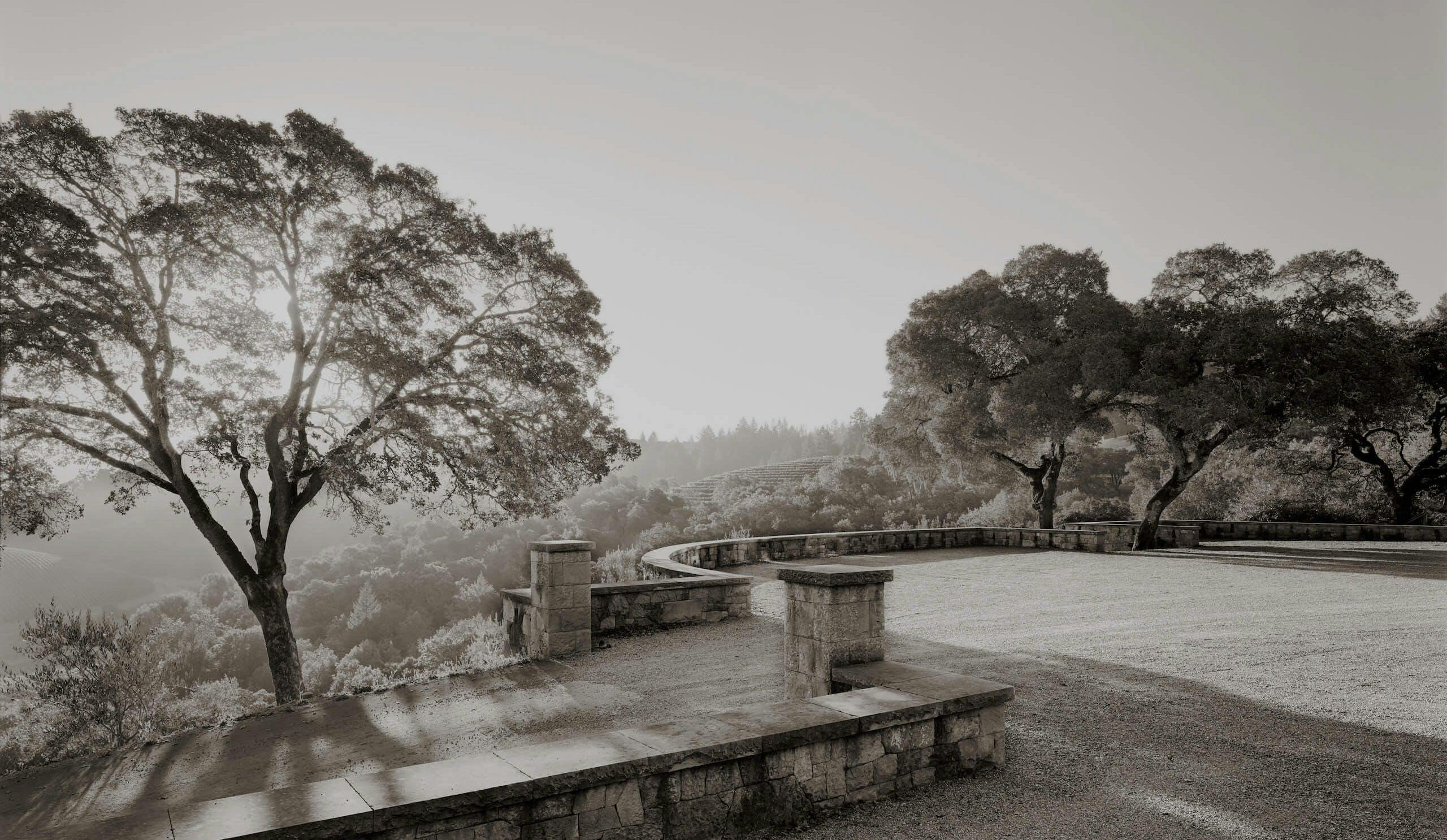
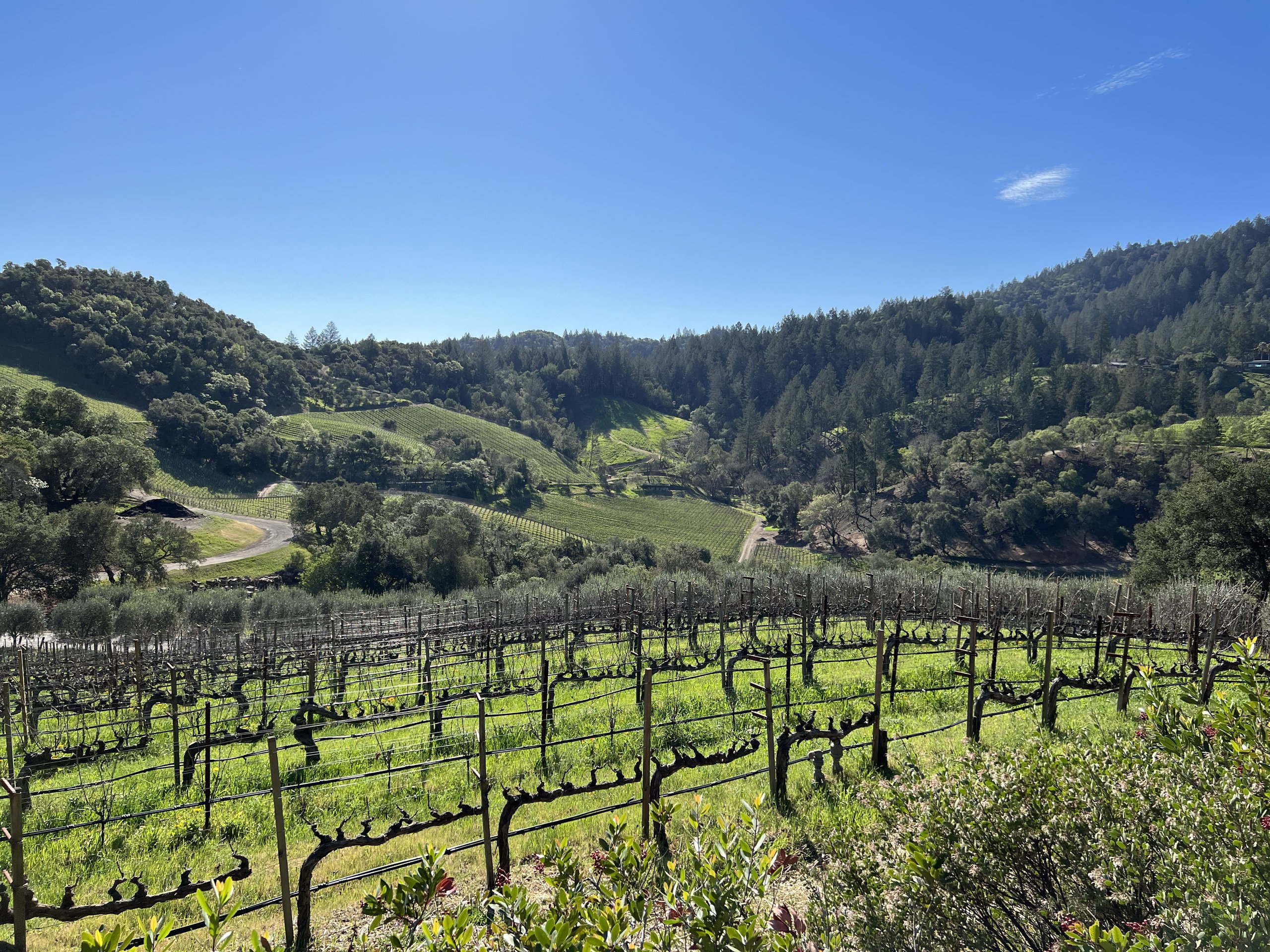
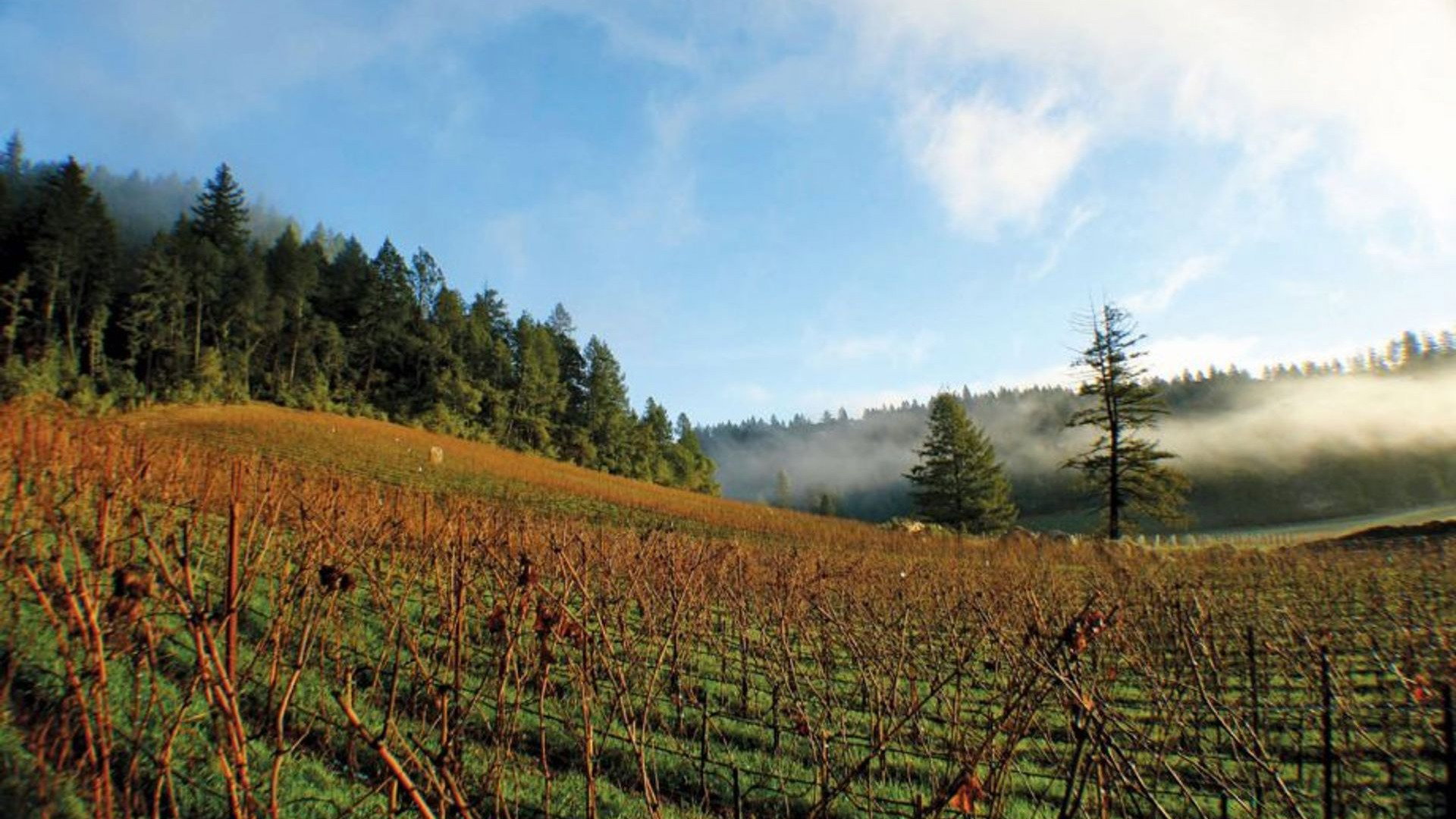
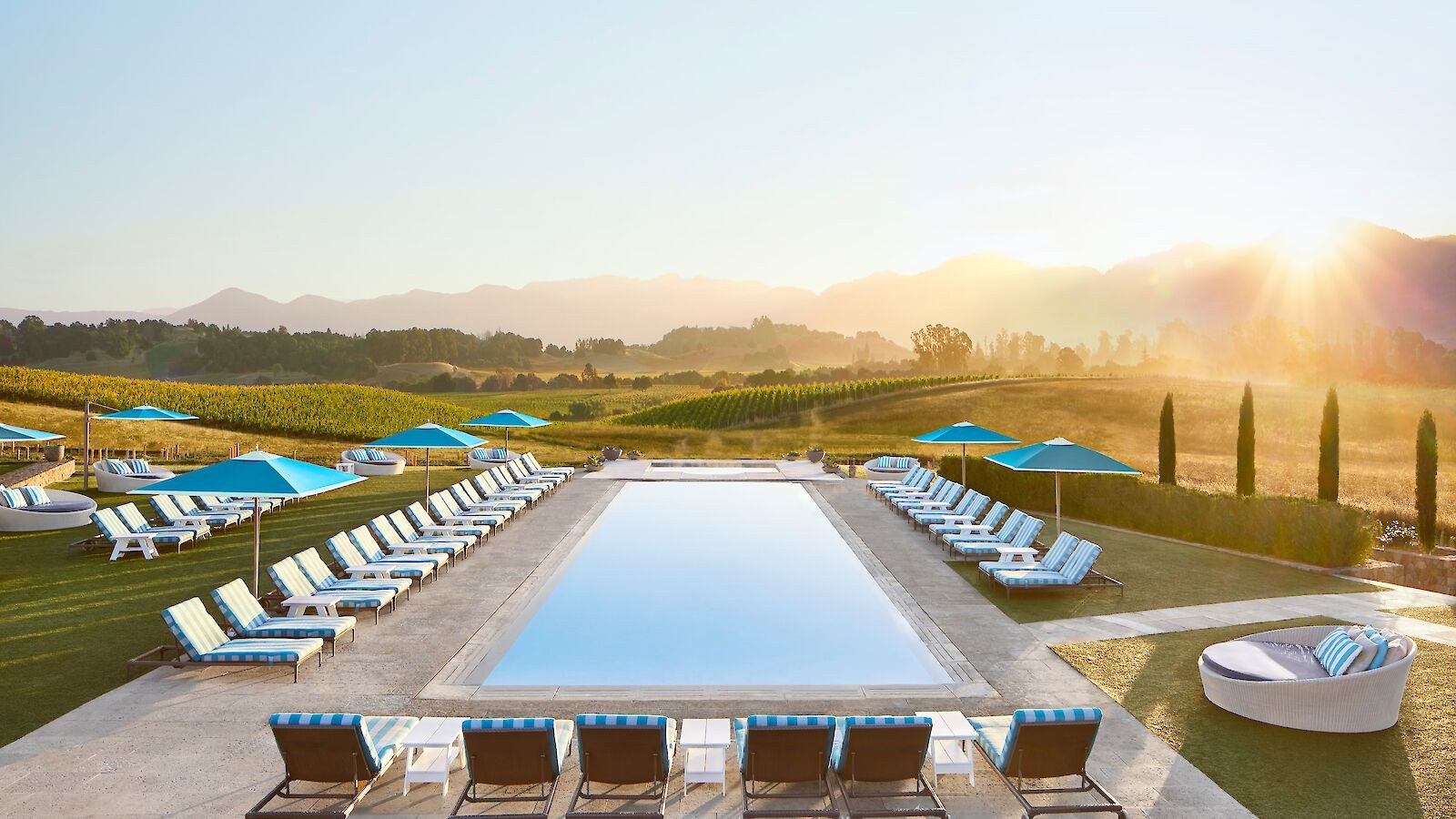
    The eastern hills above Napa have a different character from the valley floor. Drive up Monticello Road and the temperature drops, the oak canopy thickens, and the soil changes from the deep alluvial loam of the flatlands to something fractured, mineral-dense, and volcanic in origin. Jarvis Estate sits in this terrain at 2970 Monticello Rd, and the physical setting is not incidental to what ends up in the glass. In Napa, where so much of the prestige conversation gravitates toward the Oakville and Stags Leap benchlands, the eastern hills represent a quieter, more geologically specific proposition — one that rewards visitors who read the land before they read the label.

    The estate earned an EP Club Pearl 2 Star Prestige rating in 2025, a designation that places it alongside a narrow peer group of California producers operating at a level where both wine quality and the broader estate experience are held to account. That signal matters for orientation: Jarvis is not a tasting-room-forward operation built around walk-in traffic. It functions at a tier where the vineyard, the production facility, and the wines themselves are intended to be read together.

    Terroir as Argument

    Napa's premium identity is overwhelmingly Cabernet-driven, and the valley has spent decades building a reputation around that grape grown in a relatively narrow band of appellations. But the Vaca Range foothills, where Jarvis sits, operate on different geological logic. The soils here carry a higher proportion of volcanic material — rhyolite, ash deposits, fractured rock , which limits water retention, stresses the vines, and concentrates flavors in ways that valley-floor sites simply cannot replicate. This is a pattern seen in premium hillside viticulture globally: Barolo's Serralunga d'Alba, Burgundy's upper Côte de Nuits, the volcanic soils of Etna. Stress-induced concentration, lower yields, and a mineral signature that survives fermentation and aging are the common threads.

    At elevation in the eastern hills, the diurnal temperature swing is also more pronounced than on the valley floor. Warm days drive ripeness; cool nights preserve acidity and aromatic precision. The result, across hillside Napa producers in general, tends toward wines with more structural tension than the opulent, fruit-forward profile that made valley-floor Cabernet famous in the 1990s. For producers operating from this geography, the land is the primary argument, not the winemaker's hand or the vintage narrative. Jarvis Estate belongs to that tradition.

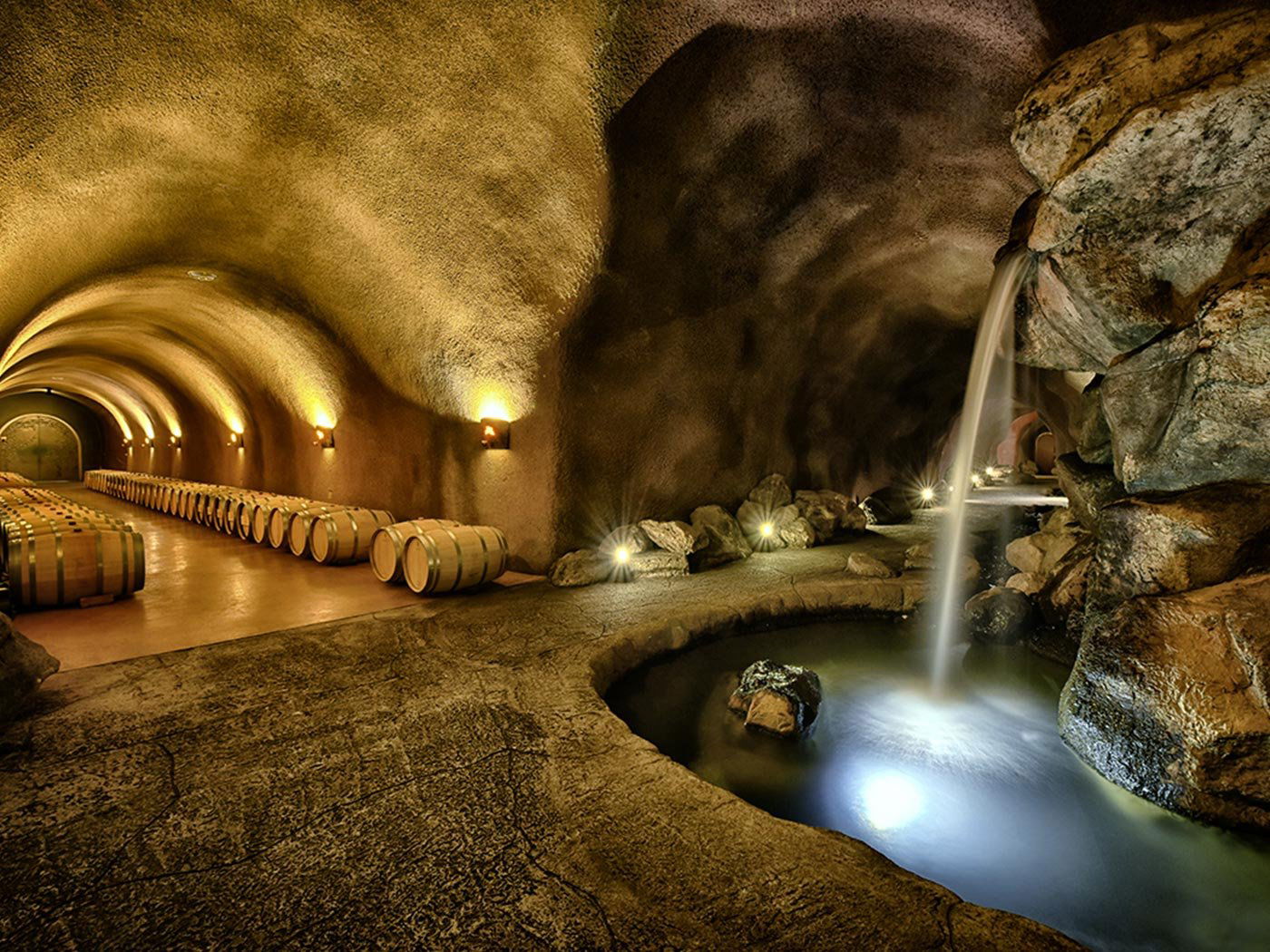
    Cave-driven production, which Jarvis has long employed, adds another layer of terroir expression , or at least terroir-aligned philosophy. Underground cave cellars maintain stable temperatures and humidity without mechanical intervention, which affects how wines age and how they present in their early years. Several Napa estates have made significant investments in cave infrastructure, among them producers like Darioush Winery and Blackbird Vineyards, but few have integrated the cave as completely into the estate identity as Jarvis. The approach signals a particular set of priorities: patience over production speed, environment over intervention.

    Where Jarvis Sits in the Napa Hierarchy

    Napa has stratified considerably over the past two decades. At the upper tier, a cluster of estate producers operate on allocation models, charge prices that reflect both land cost and deliberate scarcity, and attract buyers who treat the wines as long-term commitments rather than retail purchases. Below that, a much larger group of well-credentialed producers offers high-quality wines at more accessible price points through conventional retail and tasting-room channels. The middle of this market has thinned as costs have risen.

    Jarvis sits in the upper cohort, and the Pearl 2 Star Prestige rating from EP Club (2025) confirms that positioning within a credentialed peer set. Comparable Napa estates operating at this tier include Accendo Cellars in St. Helena and Alpha Omega Winery in Rutherford, both of which operate allocation or appointment-driven models that prioritize depth of engagement over volume. Producers like Ashes and Diamonds Winery occupy an adjacent niche, though with a design-forward identity that skews younger in its audience. Artesa Vineyards and Winery, by contrast, operates at higher volume with a broader visitor profile, which illustrates how differently Napa's premium tier can be constructed.

    For context beyond Napa, the hillside-estate model that Jarvis represents has parallels in other California appellations. Adelaida Vineyards in Paso Robles and Alban Vineyards in Arroyo Grande both make cases for terroir specificity in their respective regions, though working with different grape varieties and soil profiles. The shared logic is that place, not brand architecture, is what drives long-term credibility at this level.

    Visiting the Estate

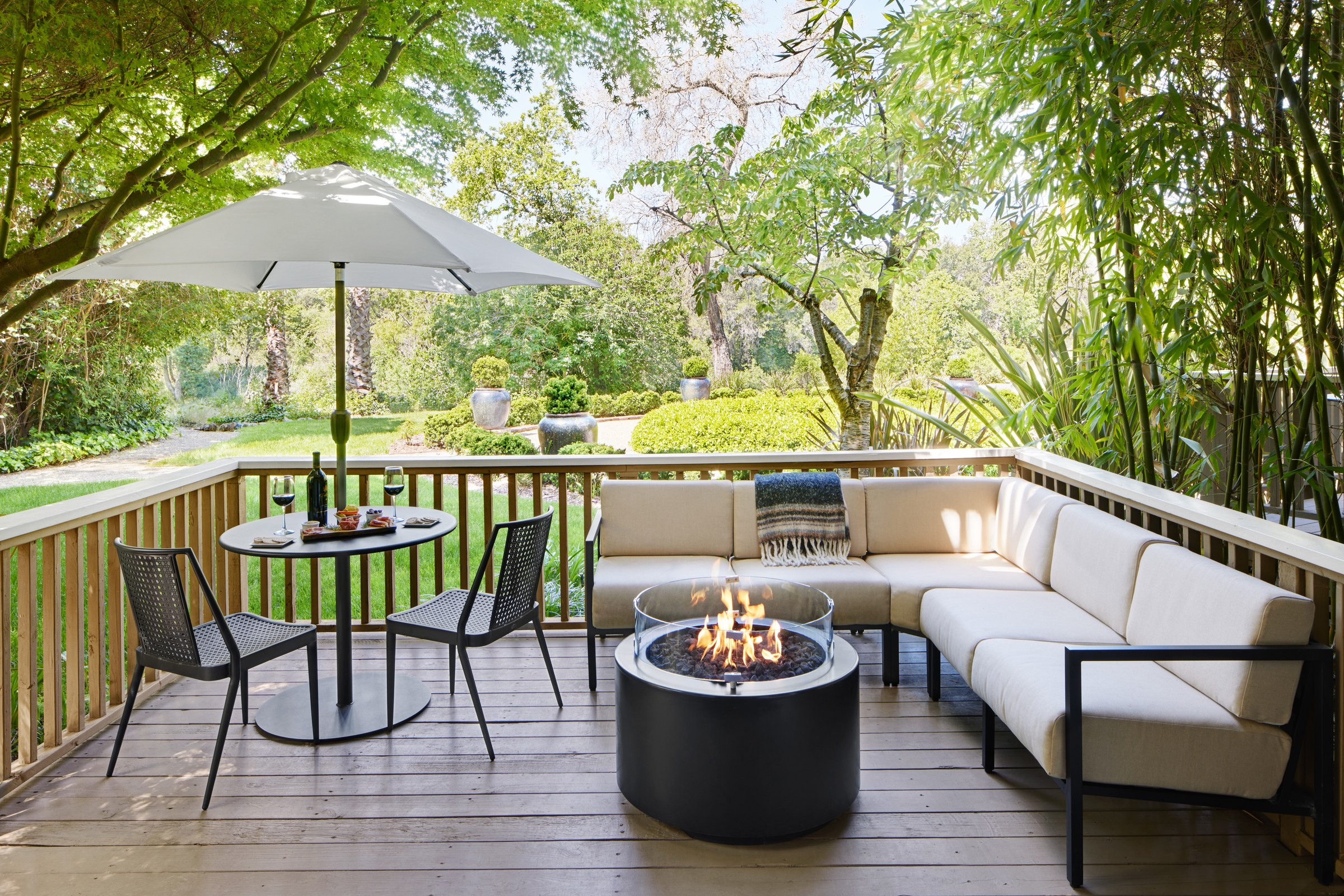
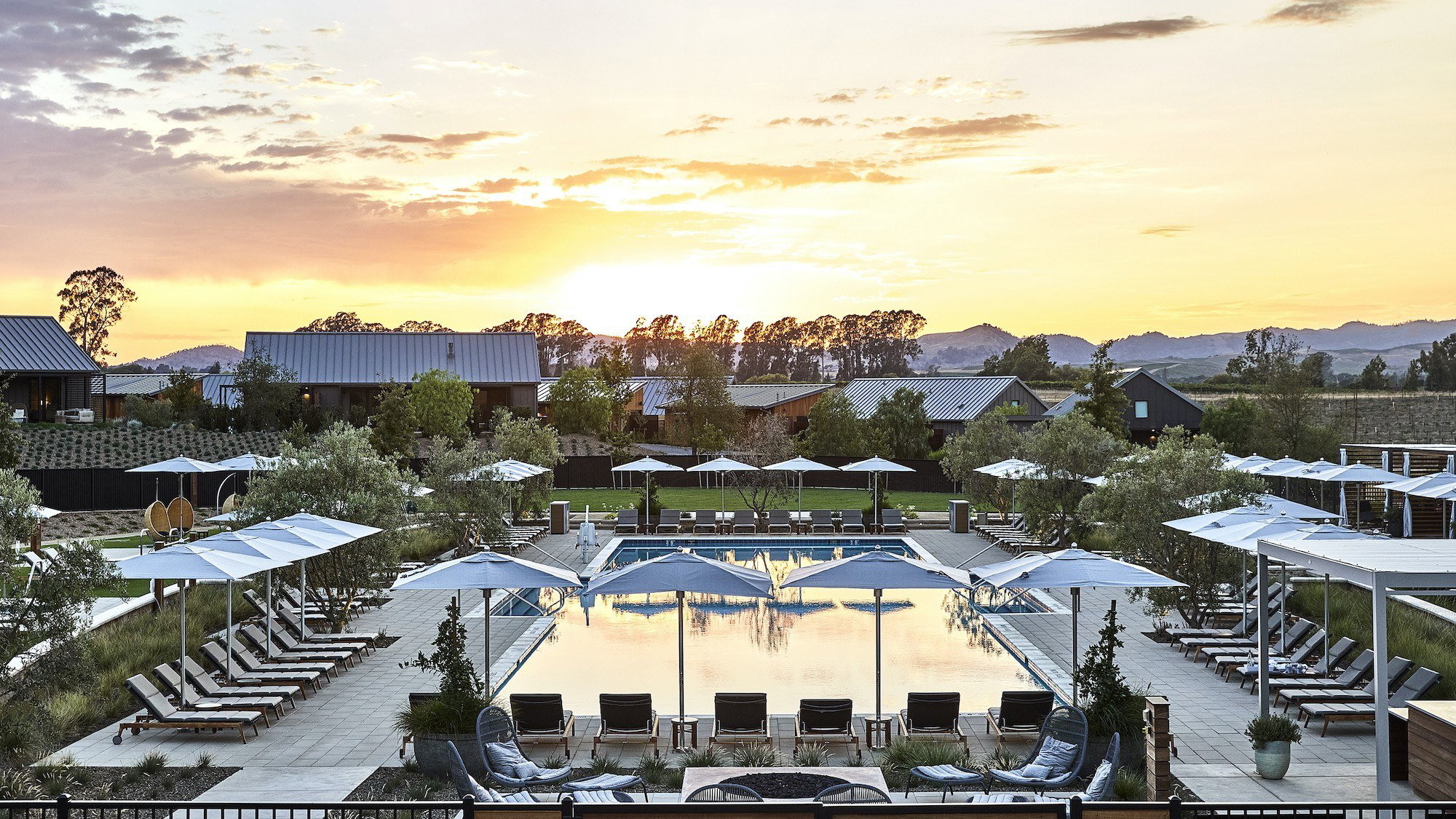
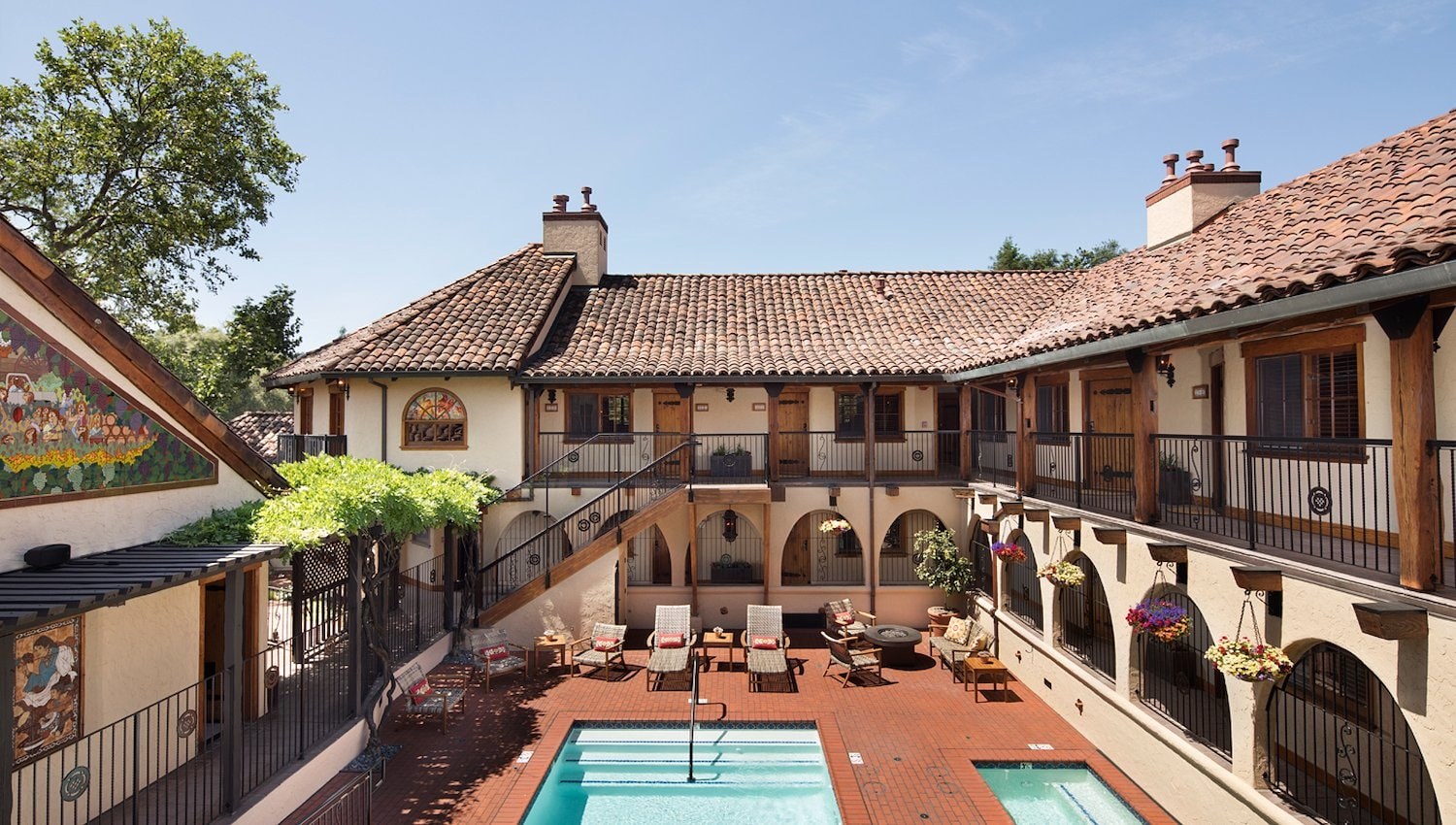
    Jarvis Estate is located at 2970 Monticello Rd in Napa, in the hillside terrain east of the city. The address places it away from the high-traffic Highway 29 corridor, which defines the visitor experience as more deliberately purposeful than a casual drive-by stop. Estates at this tier and in this location typically require appointments rather than accepting walk-in visitors, and the booking process itself functions as a filter, attracting guests who have researched the property in advance. Visitors planning a broader Napa itinerary can use our full Napa restaurants and wineries guide to map Jarvis against other eastern hills and valley-floor producers in a single visit sequence.

    The estate's phone and website details are not listed in our current database; the most reliable way to confirm visit availability and booking requirements is to contact the estate directly or consult their most current public-facing channels. Given the property's position in the upper tier, advance planning of at least several weeks is a reasonable baseline assumption, particularly during harvest season (September through November), when production activity and private events tend to reduce tasting availability.

    For producers working in comparable regional contexts outside California, Adelsheim Vineyard in Newberg and Alexander Valley Vineyards in Geyserville offer useful reference points for how estate visits at this level of seriousness tend to be structured. Andrew Murray Vineyards in Los Olivos provides another model of focused, appointment-driven tasting in a hillside-adjacent environment. Further afield, the contrast with old-world producers like Achaia Clauss in Patras or Aberlour in Aberlour clarifies how differently heritage and terroir are communicated across wine cultures , and why the California hillside-estate model is, in its own way, a deliberately constructed argument about place.

    What the 2025 Rating Signals

    EP Club's Pearl 2 Star Prestige designation in 2025 does not function simply as a quality score. At this tier, the rating reflects an assessment of the full estate proposition: wine quality, site specificity, the integrity of the visitor or customer experience, and the coherence between what the producer claims about their land and what the wines actually demonstrate. For Jarvis Estate, a property built around volcanic hillside soils, cave production, and a geography that sits outside Napa's most-publicized appellations, the rating represents external confirmation that the estate's core argument holds up under scrutiny.

    Producers at this level face a specific challenge: they must compete for buyer attention against the enormous gravitational pull of Oakville and Rutherford Cabernet, which carries decades of critical and commercial reinforcement. The eastern hills offer a different case , one grounded in geological specificity rather than appellation fame. The 2 Star Prestige rating from EP Club positions Jarvis as a producer where that case is made credibly, which is the relevant benchmark for anyone deciding how to allocate time and budget across a Napa visit. Comparable producers in adjacent tiers include Clos Selene Winery, which operates its own distinct estate identity within the broader Napa conversation.

    Frequently Asked Questions

    What do visitors recommend trying at Jarvis Estate?
    Given the estate's eastern hillside location and volcanic soil profile, the estate-grown Cabernet Sauvignon is the natural reference point , this is the variety through which Napa hillside terroir is most directly legible, and the cave-aging environment at Jarvis is oriented around its long-term development. The EP Club Pearl 2 Star Prestige rating (2025) suggests the full tasting program warrants attention rather than selective sampling.
    What makes Jarvis Estate worth visiting?
    Jarvis operates in a part of Napa , the volcanic eastern hills above the city , that most visitors skip in favor of Highway 29 corridor estates. The combination of that geological specificity, cave production infrastructure, and a Pearl 2 Star Prestige rating from EP Club (2025) places it in a small peer group of California estates where the land, the method, and the wine credentials all point in the same direction. For visitors interested in how Napa's hillside appellations differ from its famous valley-floor benchlands, Jarvis is a direct and well-credentialed answer.
    Can I walk in to Jarvis Estate?
    Based on the estate's tier and location on Monticello Road away from the main visitor corridor, walk-in access is unlikely. Estates operating at the Pearl 2 Star Prestige level in Napa characteristically require appointments and often operate allocation or membership models that limit spontaneous visits. Contact the estate directly to confirm current booking requirements before planning your visit.
    How does Jarvis Estate's cave production affect its wines compared to other Napa producers?
    Cave-aged wines develop in a consistently cool, humid environment that slows oxidation and allows for more gradual tannin integration than is typical in above-ground barrel rooms with seasonal temperature variation. For a hillside Cabernet built on volcanic soils , where structural intensity and minerality are already part of the equation , that aging environment tends to preserve precision while softening edges over time. This is one reason Jarvis belongs to a cohort of estate producers, holding an EP Club Pearl 2 Star Prestige rating (2025), whose wines reward patience and are better evaluated with several years of bottle age.
    Keep this place

    Save or rate Jarvis Estate on Pearl

    Keep this venue in your Pearl passport, rate it after you visit, and track it alongside every other place you collect.