
Winery in Napa, United States
Hess Collection Winery
750ptsArt-Integrated Mountain Tasting
About Hess Collection Winery
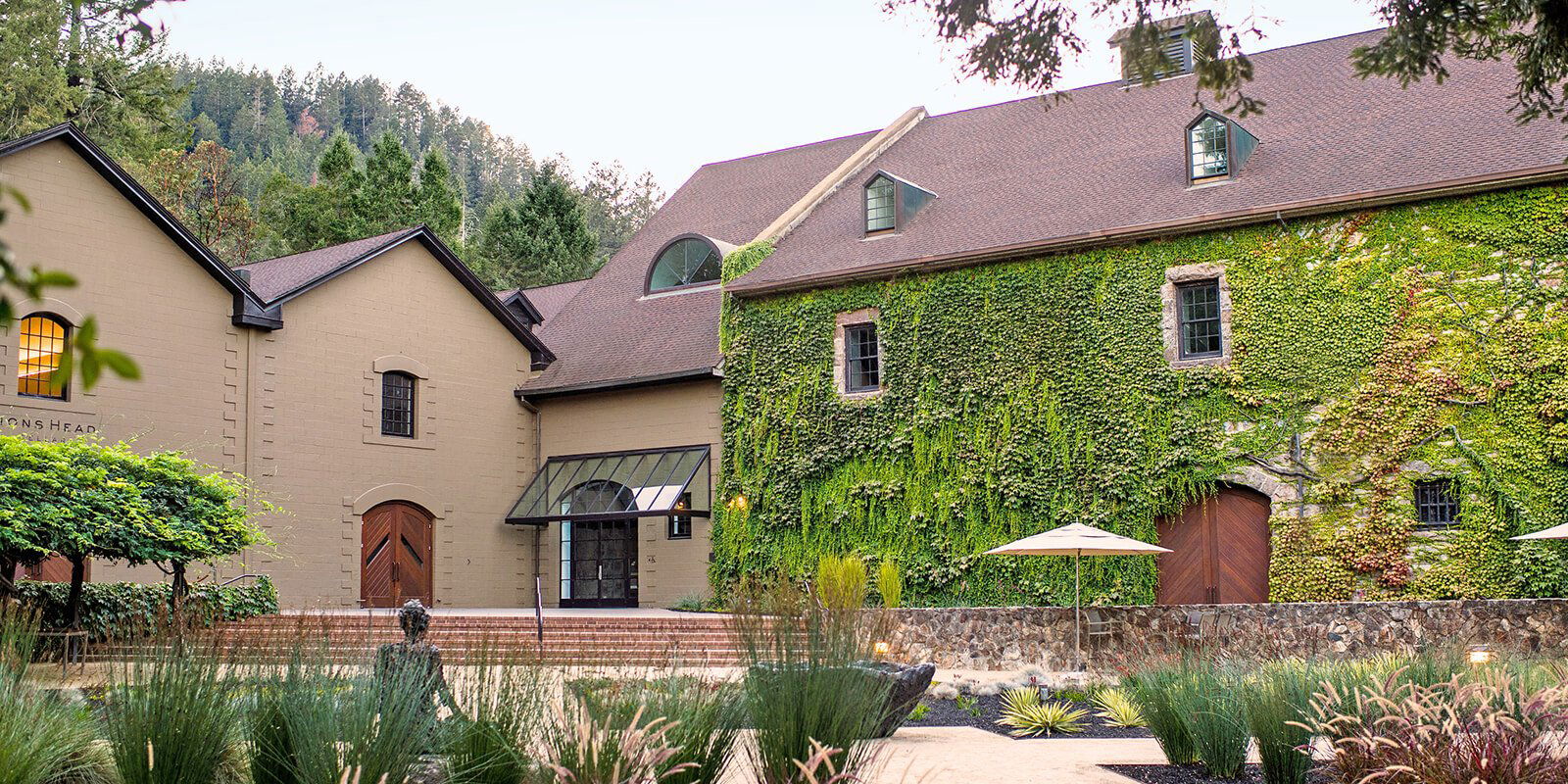
Hess Collection Winery sits on Mount Veeder above the Napa Valley floor, combining serious estate wine production with one of California's most substantial private art collections under one roof. Awarded Pearl 3 Star Prestige recognition in 2025, the property occupies a different tier from the valley's tasting-room circuit, drawing visitors as much for the gallery experience as for the wines themselves.
Mount Veeder and the Question of Altitude in Napa
The Napa Valley floor has long defined the region's commercial identity, with Cabernet programs from Rutherford, Oakville, and St. Helena commanding the broadest recognition. Mount Veeder operates on different terms. At elevations reaching above 2,000 feet on the western Mayacamas range, the appellation produces wines shaped by volcanic soils, significant diurnal temperature swings, and lower yields than valley-floor farming typically delivers. Hess Collection Winery, addressed at 4411 Redwood Road, sits within this cooler, more textured growing environment — a positioning that separates it from the broader Napa floor conversation before a single bottle is opened.
Mount Veeder Cabernet tends toward structure and tannin over the plush, approachable character that defines much of the valley's tourist-facing output. That stylistic distinction matters when assessing where Hess sits relative to peers. Properties like Darioush Winery and Blackbird Vineyards occupy the valley floor or Carneros end of the competitive set; Hess functions within a smaller cohort defined by mountain viticulture and the longer aging arc that comes with it. The winery earned Pearl 3 Star Prestige recognition from EP Club in 2025, placing it within the upper tier of Napa properties reviewed through the program.
The Art Collection as Structural Argument
What distinguishes the Hess property from most Napa tasting experiences is the presence of a substantial contemporary art collection housed within the winery building itself. This is not decorative wallpaper applied to a hospitality space. The collection spans multiple floors and includes large-scale works across painting, sculpture, and mixed media, representing decades of serious acquisition rather than an amenity retrofit. In the broader California wine country context, very few properties have built a cultural institution of comparable depth alongside an active production facility.
The effect on a daytime visit is considerable. Morning and early afternoon hours allow unhurried time in the galleries before tasting rooms fill. The natural light in the upper gallery spaces shifts across the day, and the relative quiet of a weekday morning makes the art more legible than it becomes when tour groups arrive later. For visitors planning around this dimension of the property, arriving before noon on a weekday is the practical call. This is also when the tasting experience feels closer to a private inquiry than a managed hospitality flow.
Daytime Versus Evening: What Changes at the Property
The lunch-versus-dinner divide that shapes most restaurant decisions applies differently at a winery, but the principle holds. Hess, like most Napa tasting destinations, functions primarily as a daytime experience: tastings, gallery access, and the surrounding property are the offer. The atmosphere in the afternoon tilts toward a self-directed, exploratory rhythm — move through the galleries, settle into a tasting, take in the Mount Veeder elevation without the pressure of a fixed meal format.
For those building a longer day around the property, the practical question is sequencing. The drive up Redwood Road from central Napa is winding and takes longer than the mileage suggests; budget extra time in both directions. A morning start allows time at Hess before moving south toward the valley floor for lunch, rather than arriving mid-afternoon when tasting room traffic peaks at most Napa properties. Visitors combining Hess with a broader Napa itinerary might consider pairing it with a valley-floor stop at Artesa Vineyards and Winery or Ashes and Diamonds Winery, both of which occupy a different tasting format and provide useful contrast to the Hess mountain-appellation experience.
The evening dimension at Hess is more limited than at hospitality-forward valley floor estates, which increasingly offer wine-paired dinners, chef collaborations, and sunset programming. Hess's identity is rooted in the daytime gallery-and-tasting format, which is a coherent position, not a gap. Visitors seeking an evening-anchored Napa experience should plan accordingly and treat Hess as the day's first or midpoint destination rather than its finale.
Placing Hess in the 2025 Napa Prestige Tier
The Pearl 3 Star Prestige designation in the 2025 EP Club awards positions Hess within the same upper recognition bracket as a select group of California properties. For context within the state's broader wine geography, this places it alongside destinations reviewed through the same program in regions including Adelaida Vineyards in Paso Robles and Alban Vineyards in Arroyo Grande, each of which pursues distinct regional identities but shares the prestige-tier positioning. Within Napa specifically, the award places Hess in conversation with properties like Accendo Cellars in St. Helena, where the emphasis falls on estate-focused, allocation-driven production rather than volume hospitality.
Mount Veeder appellation itself remains less commercially dominant than Rutherford or Oakville benchmarks, which means Hess occupies a recognized but not overcrowded position within the regional hierarchy. That relative scarcity of mountain-appellation prestige properties is part of what makes the Pearl recognition meaningful in context. Properties like Clos Selene Winery operate within similarly defined niche positioning, where appellation specificity and production philosophy carry more weight than brand scale.
Planning the Visit: What the Property Requires
Address at 4411 Redwood Road places the winery above the city of Napa itself, not within walking or easy cycling distance from the valley floor. A car is necessary, and the road demands attention. First-time visitors should check the property's current tasting options and booking requirements before arrival, as Napa's tasting-room model has shifted significantly toward reservation-based access since 2020. Walk-in availability varies by season and day; weekend visits without a reservation carry real risk of limited access during peak spring and fall periods.
For those building a multi-stop Napa day, consulting our full Napa restaurants and winery guide provides a framework for sequencing. The valley's range runs from Alpha Omega Winery in Rutherford to smaller, allocation-focused producers, and the geographic logic of routing matters when distances between properties are deceptive on a map.
Seasonally, late autumn and early spring offer the most favorable conditions for a Hess visit. Harvest traffic in September and October makes Napa's roads congested and tasting room bookings scarce across all prestige properties. The post-harvest window through November and the spring months of March through May provide better access and more moderate pricing on ancillary costs like accommodation and restaurant reservations in the valley. For a winery with as much gallery content as Hess carries, the indoor experience also insulates against the coastal California summer fog patterns that can make refined properties cooler than visitors expect.
A Broader California Frame
Napa's premium identity has historically been Cabernet-first, with the valley floor appellations setting price benchmarks and critical reference points for the state. Mountain appellations, including Mount Veeder, Howell Mountain, and Spring Mountain, have always existed in a secondary commercial register despite producing wines many critics consider more age-worthy. The Hess Collection property, with its dual identity as art institution and mountain appellation winery, occupies a deliberate position outside the valley floor mainstream. That positioning is a feature, not an accident of geography.
Visitors arriving via the broader California wine circuit, whether from Alexander Valley Vineyards in Geyserville to the north or Andrew Murray Vineyards in Los Olivos to the south, will find Hess occupies a register uncommon in the California visitor experience: a property where the wine program and an independently serious cultural collection reinforce rather than compete with each other. The 2025 Pearl 3 Star Prestige recognition reflects that integrated seriousness. It is a benchmark worth understanding before the drive up Redwood Road.
Frequently Asked Questions
- What's the must-try wine at Hess Collection Winery?
- Mount Veeder Cabernet Sauvignon is the appellation benchmark to focus on at Hess. The refined, volcanic-soil growing conditions on the western Mayacamas range produce wines with notably different structure than valley-floor Napa Cabernet, making the estate Mount Veeder bottlings the clearest expression of what distinguishes this property from the broader Napa peer set. The 2025 Pearl 3 Star Prestige recognition signals the program's standing within the upper tier of California wine destinations.
- What makes Hess Collection Winery worth visiting?
- The combination of a mountain-appellation wine program and a multi-floor contemporary art collection is rare in the Napa context. Most Napa tasting destinations are structured entirely around the hospitality and wine offer; Hess carries a cultural institution alongside it. The 2025 Pearl 3 Star Prestige award from EP Club places it within the upper recognition tier of Napa properties, providing an external calibration for where it sits relative to peers.
- Do they take walk-ins at Hess Collection Winery?
- Walk-in access at Hess depends on season and day. Since the reservation-first model became standard across Napa's prestige tier after 2020, arriving without a booking on a weekend or during harvest season (September through October) carries real risk of limited or no access. Check the property's current booking policy directly before visiting, particularly for spring and fall travel when demand across all Napa properties peaks. Weekday morning visits during the off-peak winter and early spring window offer the most walk-in-friendly conditions.
- How does the Hess Collection art museum relate to the winery experience?
- The art collection at Hess is integrated into the winery building across multiple floors, not housed in a separate facility, which means the gallery and tasting experiences are intertwined rather than sequential add-ons. The collection includes large-scale contemporary works accumulated over decades, giving it institutional depth uncommon in a wine country setting. For visitors arriving in Napa with an interest in both wine and contemporary art, this dual offer is the clearest differentiator from comparable Pearl-tier properties in the region.
Related editorial
- Best Fine Dining Restaurants in ParisFrom three-Michelin-star icons to the next generation of Parisian chefs pushing boundaries, these are the restaurants that define fine dining in the world's culinary capital.
- Best Luxury Hotels in RomeFrom rooftop terraces overlooking ancient ruins to Michelin-starred hotel dining, these are the luxury hotels that make Rome unforgettable.
- Best Cocktail Bars in KyotoFrom sleek lounges to hidden speakeasies, Kyoto's cocktail scene blends Japanese precision with global influence in ways you won't find anywhere else.
Save or rate Hess Collection Winery on Pearl
Keep this venue in your Pearl passport, rate it after you visit, and track it alongside every other place you collect.