BRION
Yountville, Napa
Winery in Napa, United States
 Book with Pearl
The Read
Private-Access Napa Production
Why go
BRION is a better fit for Napa travelers building a wine-first itinerary around selective access than for casual visitors seeking an easy tasting-room stop. Details on pricing and format are not publicly framed here, so the value case rests on scarcity and focus rather than amenities.
About BRION
BRION is a Napa venue with a smart casual dress code and Pearl 2 Star Prestige recognition for 2025.
A Napa venue with limited public detail
The confirmed profile is concise: BRION is in Napa, has a smart casual dress code, and carries Pearl 2 Star Prestige recognition for 2025. Specific details about the menu, tasting structure, lunch or dinner service, price point, seat count, chef, owner, or beverage program are not listed here, so those specifics should not be inferred.
For a wider trip plan, pair BRION research with Our full Napa restaurants guide, Our full Napa hotels guide, and Our full Napa bars guide. Other regional venues to compare for overall itinerary fit include Beringer Vineyards, Charles Krug, Markham Vineyards, Napa Valley Reserve, and Saint Helena Winery.
Who should prioritize it, and who should pivot
Prioritize BRION if a Pearl-recognized Napa venue with a smart casual standard fits the tone of the trip and the group is comfortable confirming operational details before visiting. Pivot to other Napa options if you need current information on hours, pricing, service format, accessibility, dietary accommodations, or specific amenities before making plans.
Planning details
- Location
- Post Office Box 471
The take
The Take
The Vibe
BRION reads like a quietly exclusive corner of Napa: production-first, deliberately low-profile and oriented toward collectors rather than casual visitors. The writer frames the winery’s public anonymity—manifested in a post-office-box address and minimal or nonexistent tasting facilities—as a conscious aesthetic and operational choice. Prestige and scarcity are part of the identity; accolades such as the Pearl 2 Star Prestige validate the restrained approach. Overall the place projects discretion and seriousness: it’s less about visitor spectacle and more about craft, provenance and the slow business of allocation and appreciation.
Best For
BRION is best for collectors, committed buyers and anyone who treats wine as a curated acquisition rather than an impulse tasting. The model favors people who join allocation lists, maintain cellar plans and make decisions about holding or opening bottles. Sommeliers, private clients and connoisseurs who value scarcity and critical recognition will find BRION rewarding; those seeking casual drop-in tastings or a tourism-style winery visit should look elsewhere. The winery’s placement in the small-production, allocation-driven tier makes it a fit for focused wine education and special purchases.
Tasting Tips
Expect a membership- or allocation-driven process: join the winery’s list well before you hope to receive bottles, and be prepared to wait for allocations rather than walk in. The property emphasizes pre-arrival engagement, so cultivate direct contact and monitor allocation offers closely. When an allocation arrives, decide quickly whether to accept and whether to hold or open—scarcity drives value here. Because BRION’s distribution is intentionally limited, working with a trusted importer, restaurant sommelier or private broker can help secure access if you miss initial allocations.
Venue details
Ambiance
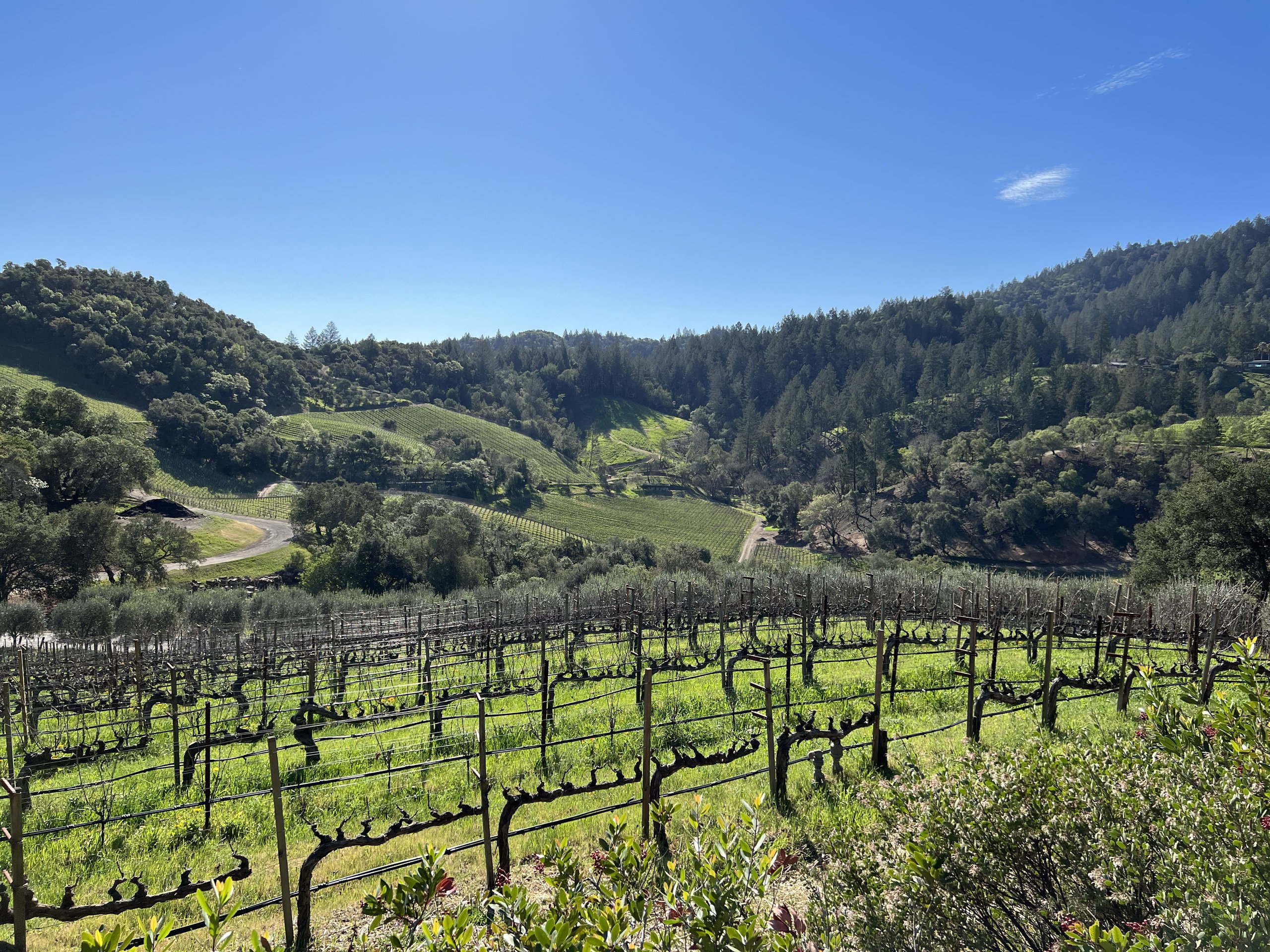
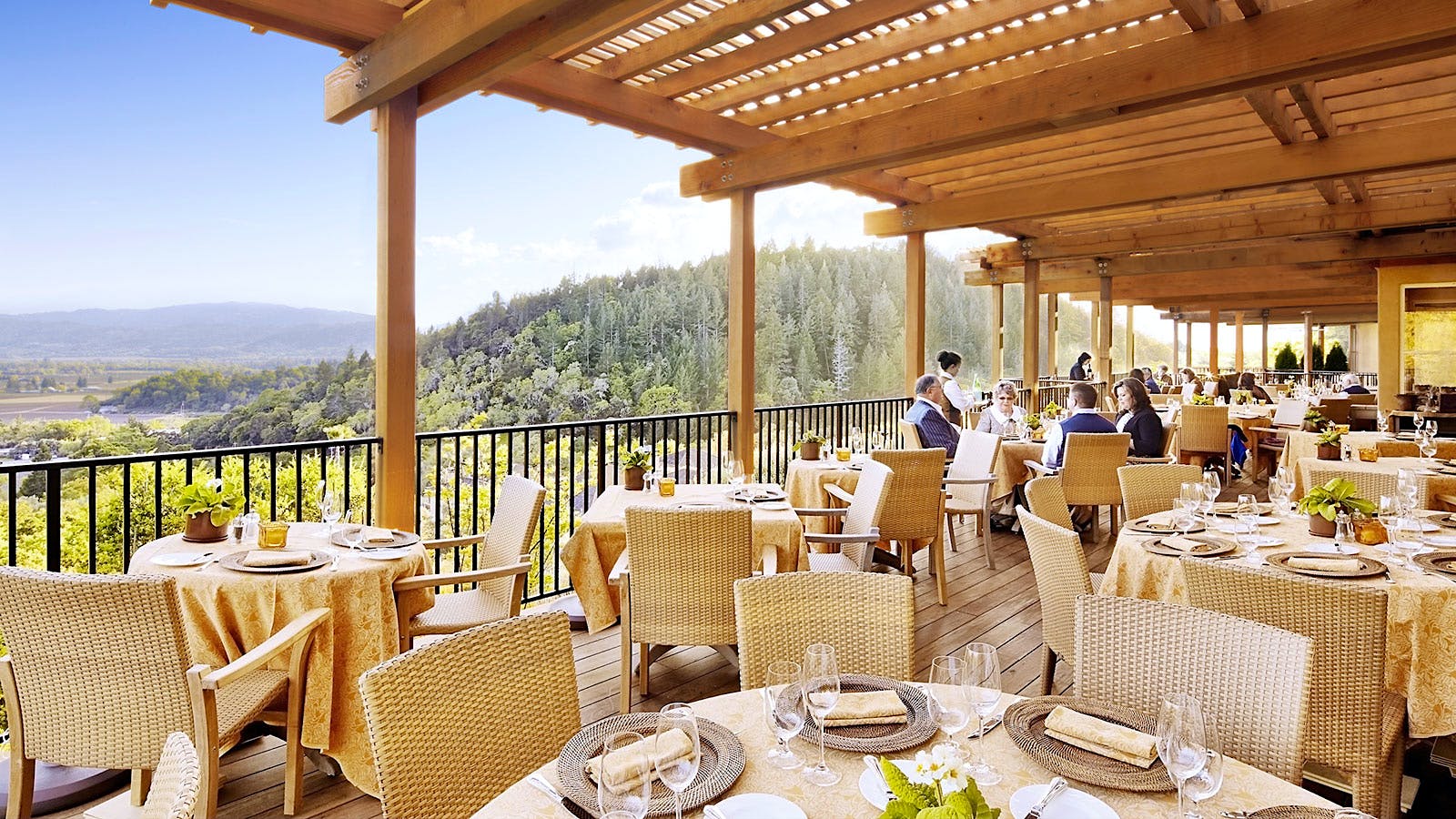
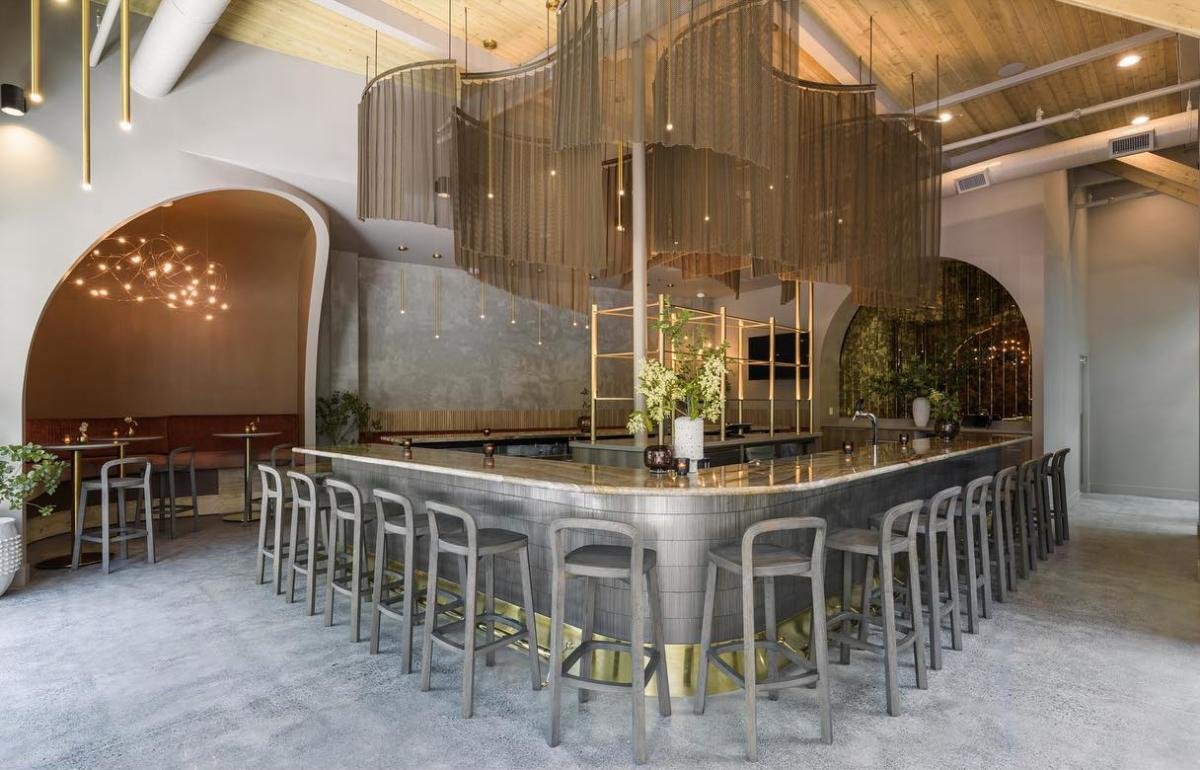
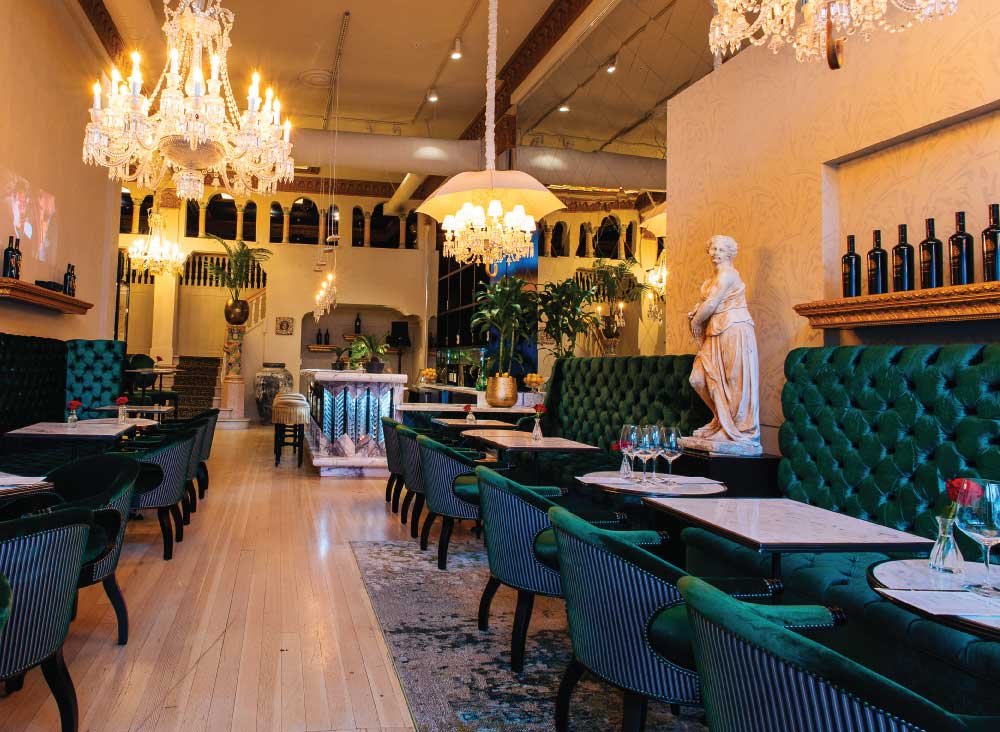
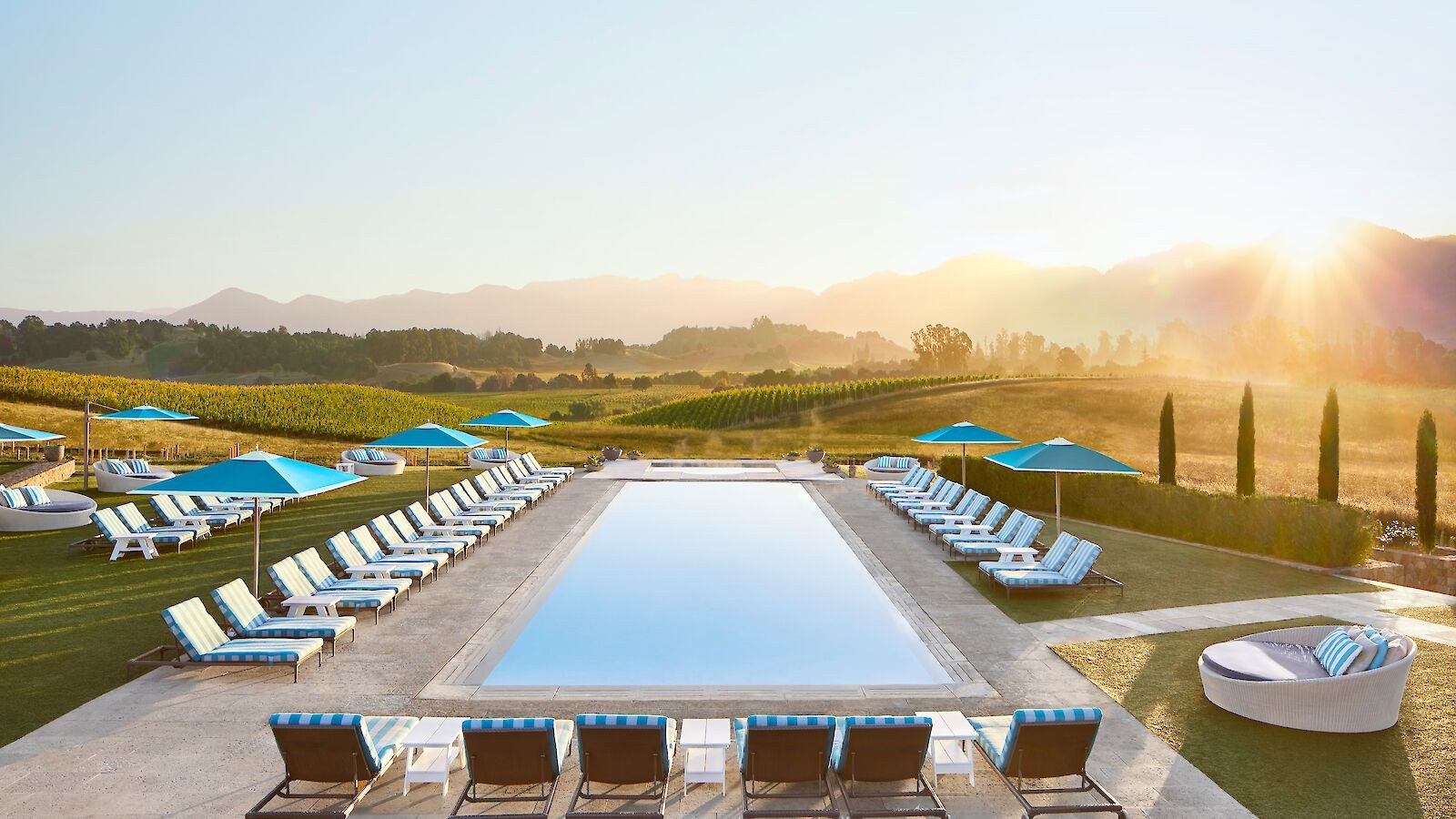
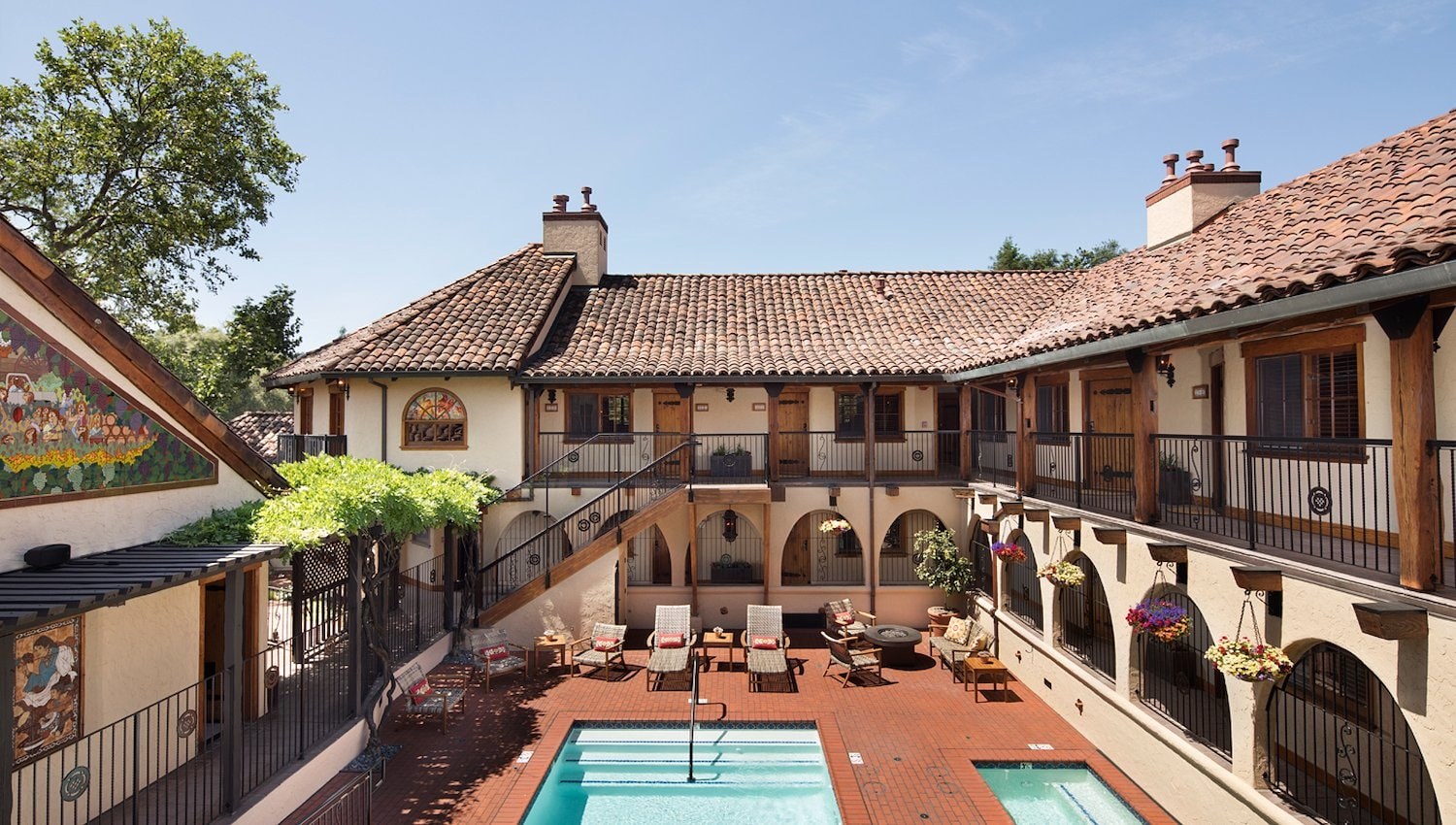
Chic interior design in a rustic historic bank barn with serene hillside views and seating inside and outside under ancient olive trees.
Tags
Vibe
Best For
Experience
View
At the Vineyard
- Appellation
- Napa Valley AVA
- Varietals
- Cabernet Sauvignon, Cabernet Franc, Petit Verdot
- Tour Duration
- 60-90 minutes
- Visits
- By appointment only
- Farming
- Sustainable
- Wine Styles
- Still Red
- Wine Club
- Available
Know before you go
Know Before You Go
- Getting there
- Post Office Box 471
Planning details
Location
Post Office Box 471 · Directions
Also consider
Where to look if this is too hard to secure
If access becomes the blocker, start with Beringer Vineyards for a more established Napa winery visit or Charles Krug for a similarly recognizable valley stop. If the brief is exclusivity rather than ease, compare against Napa Valley Reserve.
Winery context
How BRION compares in Napa
BRION is the tighter, harder-to-secure choice for travelers who want a more selective winery stop. Beringer Vineyards and Charles Krug are better fits for visitors who want a more established public-facing Napa winery experience with easier planning and broader name recognition.
Napa Valley Reserve is the closer comparison for exclusivity and atmosphere, but it reads as a different kind of commitment than a single winery appointment. Choose BRION when the goal is a focused producer-led stop; choose Napa Valley Reserve when the trip is built around a private-club style wine environment.
Saint Helena Winery and Markham Vineyards are useful cross-shops if the group wants Napa Valley context without making this the hardest slot of the itinerary. For value, the safer move is to compare confirmed tasting format and access before choosing; for scarcity, BRION is the more ambitious target.
Around this place
Discover more on Pearl
Unlock the full BRION guide in Pearl, including awards, comparisons, FAQs, planning details, and nearby places.
Compare BRION
| Venue | Location | Awards |
|---|---|---|
| BRION | Napa | No published awards |
| Saint Helena Winery | St. Helena | No published awards |
| Charles Krug | St. Helena | 2026 Falstaff Winery Guide2025 Pearl 3 Star Prestige |
| Beringer Vineyards | Napa | 2025 World's 50 Best Vineyards · #882025 Pearl 2 Star Prestige |
| Napa Valley Reserve | Napa | No published awards |
| Markham Vineyards | St. Helena | No published awards |



How BRION Napa compares with similar nearby venues.
FAQ
Frequently Asked Questions
What is BRION known for?
BRION is a Napa venue with Pearl 2 Star Prestige recognition for 2025 and a smart casual dress code.
How can I contact BRION?
Use the venue's official channels to confirm current contact information.