

Beringer Vineyards
St. Helena, Napa
Winery in Napa, United States
 Book with Pearl
The Read
Heritage-Cellar Continuity
Price
$30–50tasting
Why go
Book Beringer Vineyards if a first Napa visit needs a historic St. Helena anchor with serious name recognition. It is a stronger choice for wine-history context than for a food-pairing-led outing, so plan meals separately and treat the visit as a winery stop, not a dining substitute.
About Beringer Vineyards
Is Beringer Vineyards worth considering on a Napa trip? It can be, especially for travelers who want a clearly recognized Napa vineyard stop. Beringer Vineyards has Pearl 2 Star Prestige (2025) and World's 50 Best Vineyards #88 (2025), with Mark Beringer listed as chef/owner and a smart casual dress code.
For practical planning, confirm the menu, tasting format, pricing, hours, reservation rules, address, seating count, and food-and-beverage program directly with the venue before building an itinerary around the visit.
Book for a recognized Napa vineyard stop, not assumed extras
The strongest reason to keep Beringer Vineyards on the shortlist is its current recognition: Pearl 2 Star Prestige (2025) and World's 50 Best Vineyards #88 (2025). Mark Beringer is also listed as chef/owner. What should not drive the booking is any assumed cuisine, pairing format, signature dish, or particular service style.
For a day built around food as much as wine, use Our full Napa restaurants guide before locking the itinerary. For lodging close to a tasting-heavy schedule, cross-check Our full Napa hotels guide; for an after-tasting drink, use Our full Napa bars guide. If the broader plan is winery comparison rather than a single-name stop, Our full Napa wineries guide is the more useful starting point, and Our full Napa experiences guide helps fill gaps around the day.
Who should put it on the Napa shortlist
Consider Beringer Vineyards if you want a Napa venue with notable recognition and are comfortable confirming practical details directly before visiting. Confirm the reservation process, tasting structure, menu, price point, and atmosphere before making firm plans.
For extra context, compare Beringer Vineyards with other options such as BRION, Charles Krug, Morlet Family Vineyards, Snowden Vineyards, and Spring Mountain Vineyard. Other dining and winery options can also help round out the itinerary, but Beringer Vineyards should be evaluated on its recognition, Napa location, Mark Beringer's role, and smart casual dress code.
Planning details
- Location
- 2000 Main St, St Helena, CA 94574
- Website
- beringer.com
- Phone
- +1 707-257-5771
The take
The Take
The Vibe
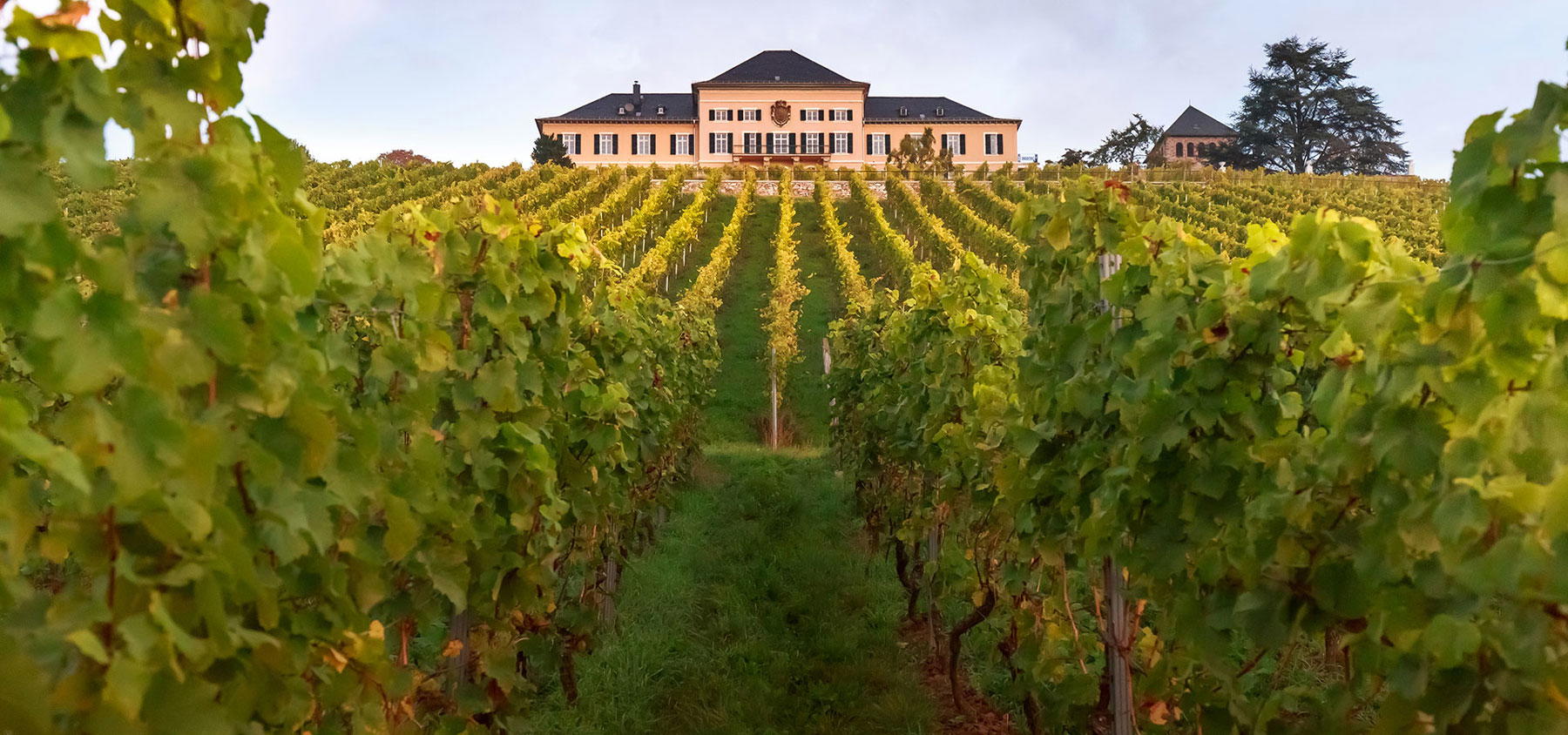
Beringer’s Rhine House reads like a transplanted piece of the Rhineland: steep gables, slate sheathing and spires give the estate a storybook, authoritative presence on St. Helena’s Main Street. The property wears its age as an asset—founding dates and continuous operation since 1876 are visible in stone, roofline and provenance. That history translates into a refined, measured atmosphere where architecture and legacy are the draw as much as the wines. Visitors encounter a sophisticated, quietly charming estate that foregrounds continuity, place and the craft of long-term stewardship.
Best For
This is a venue for visitors who come for history as much as tasting: students of provenance, groups exploring Napa’s oldest continuously operating estate, and anyone marking a special occasion with architectural gravitas. The Rhine House’s listing on the National Register and the estate’s unbroken agricultural narrative make Beringer a natural stop for educational visits and group outings interested in the arc of Napa winemaking. The setting supports reflective, ceremonious visits rather than quick drop-ins—expect an experience framed by story and place.
Tasting Tips
While the description does not list specific flights, the estate emphasizes provenance, history and long-term stewardship—points to highlight when you visit. In the tasting room, ask staff about the Rhine House’s architectural history, the estate’s uninterrupted operations since 1876, and their sustainability practices to get context for the wines. Framing questions around vineyard sourcing and the property’s stewardship will deepen a tasting focused on legacy and terroir.
Venue details
Ambiance
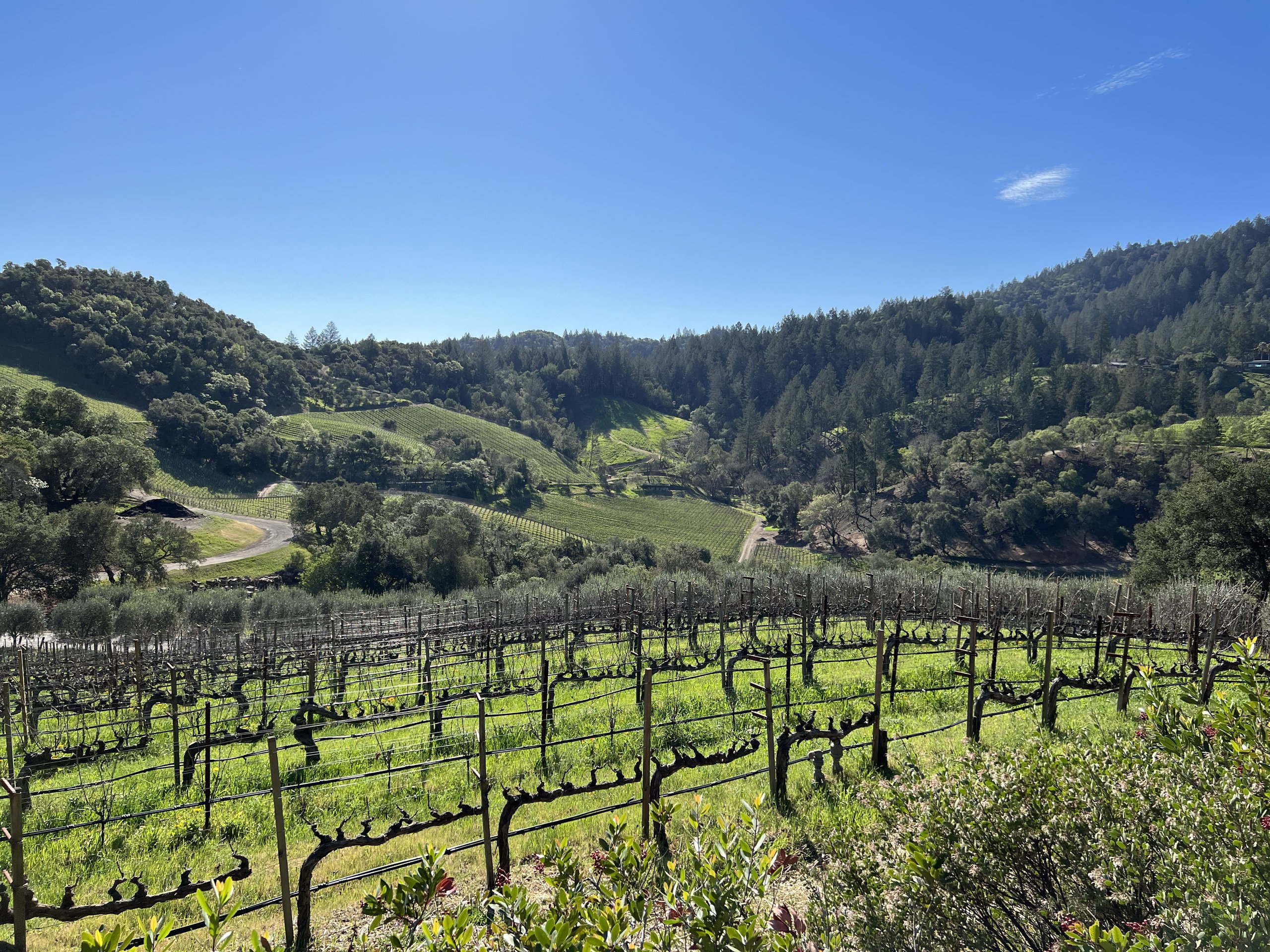
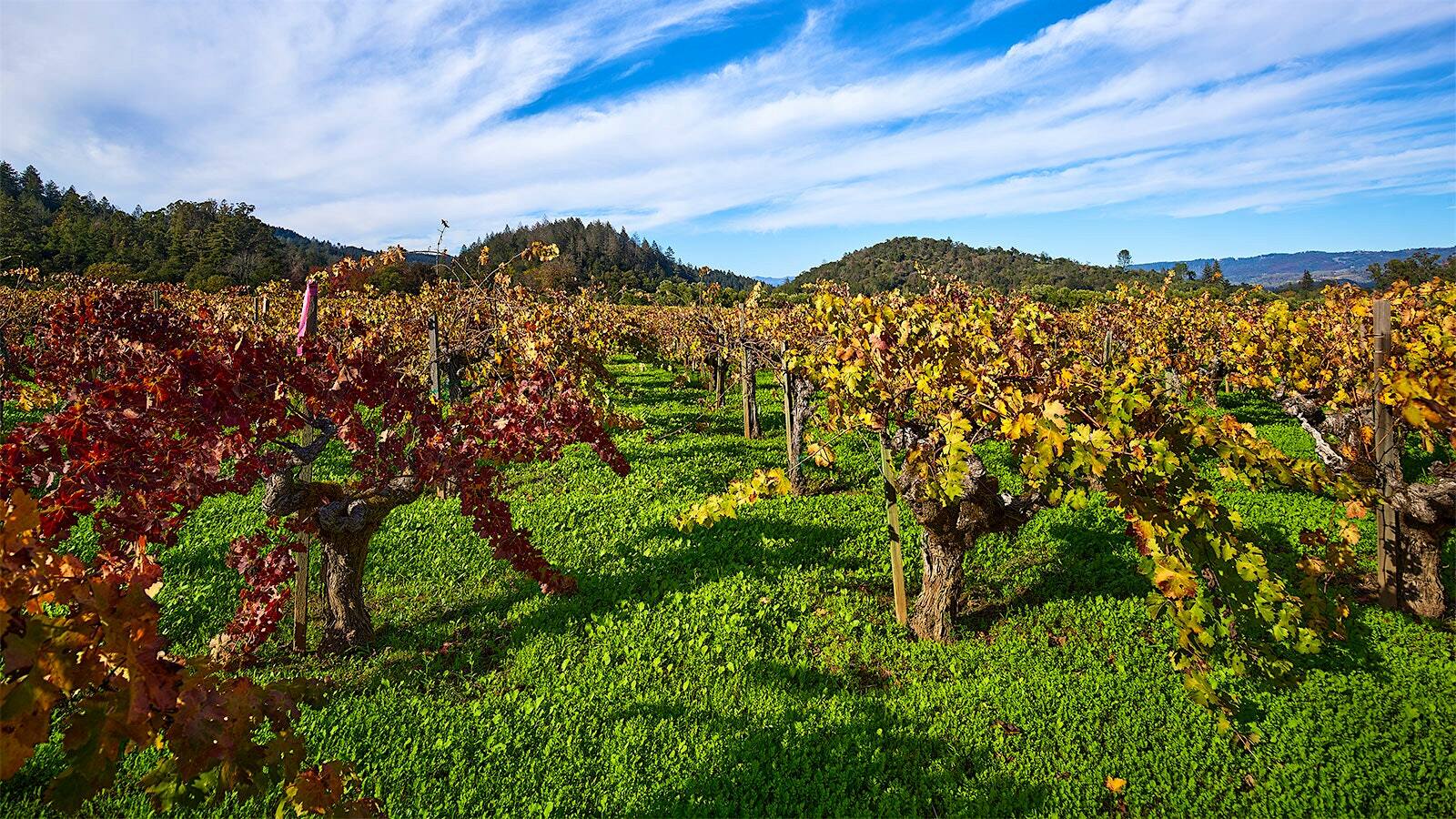
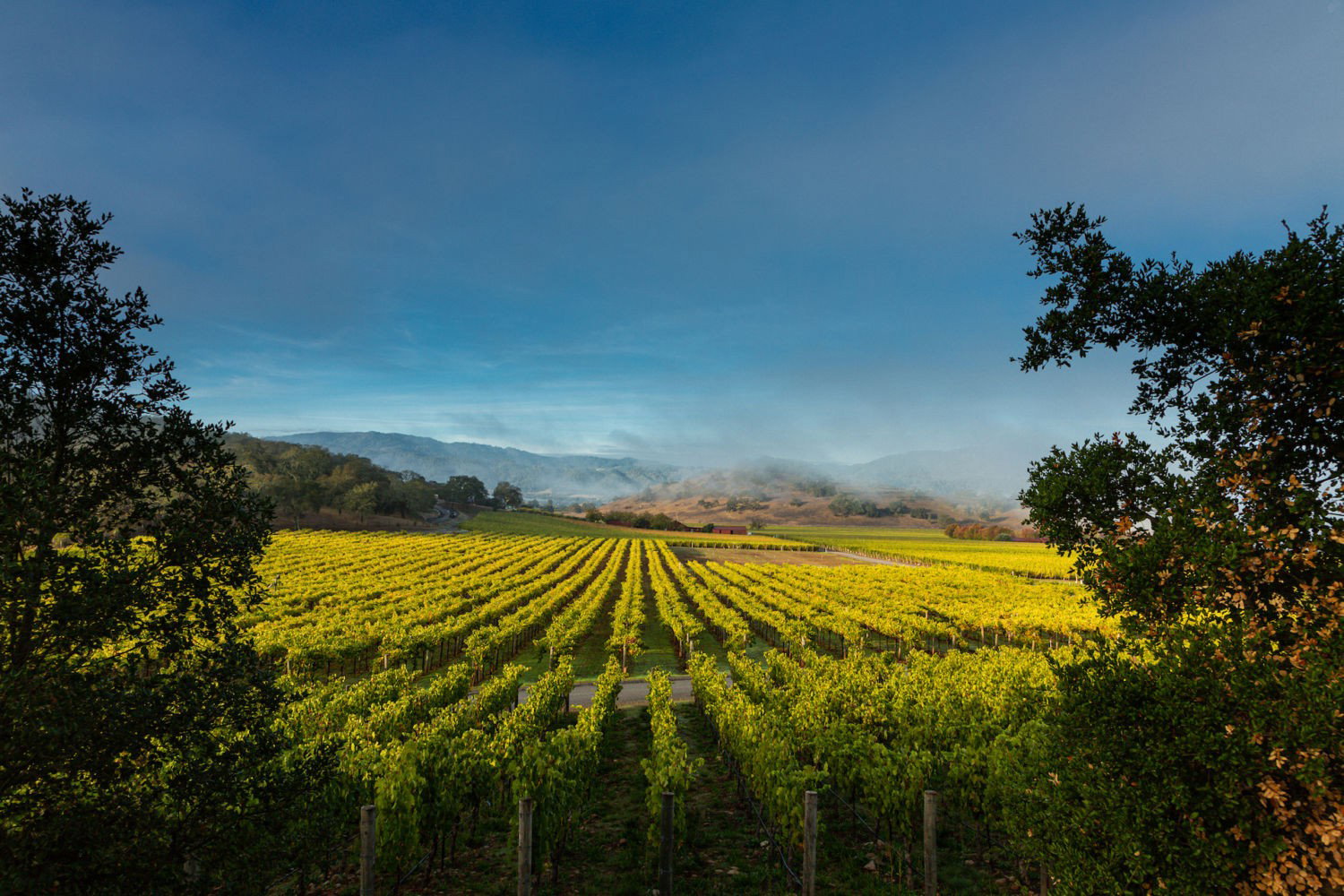
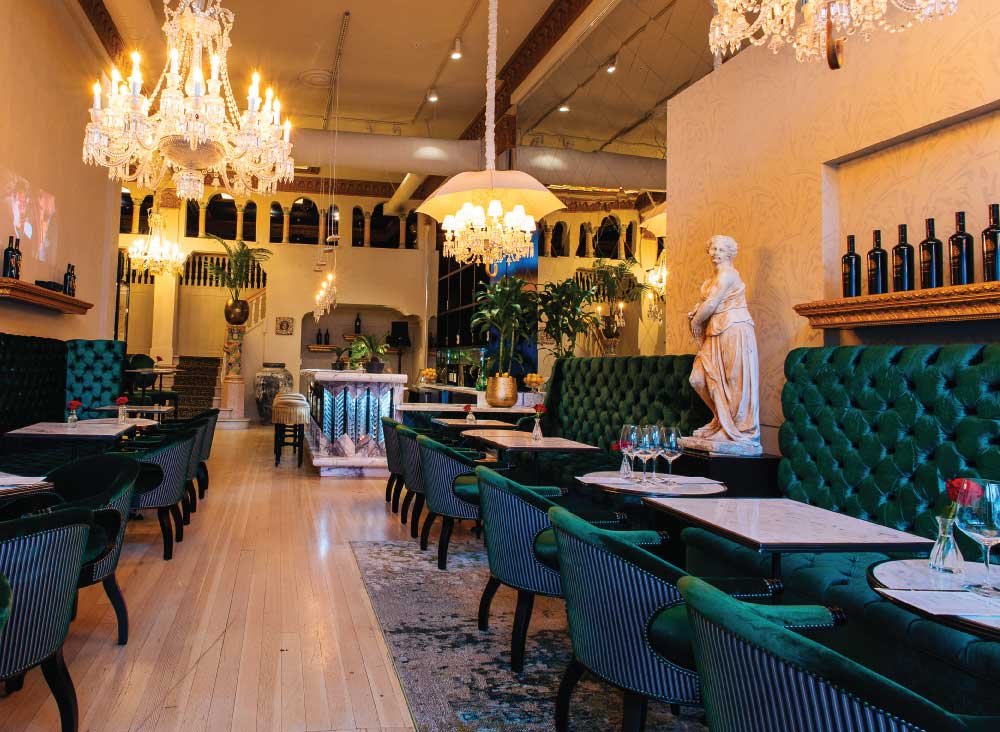
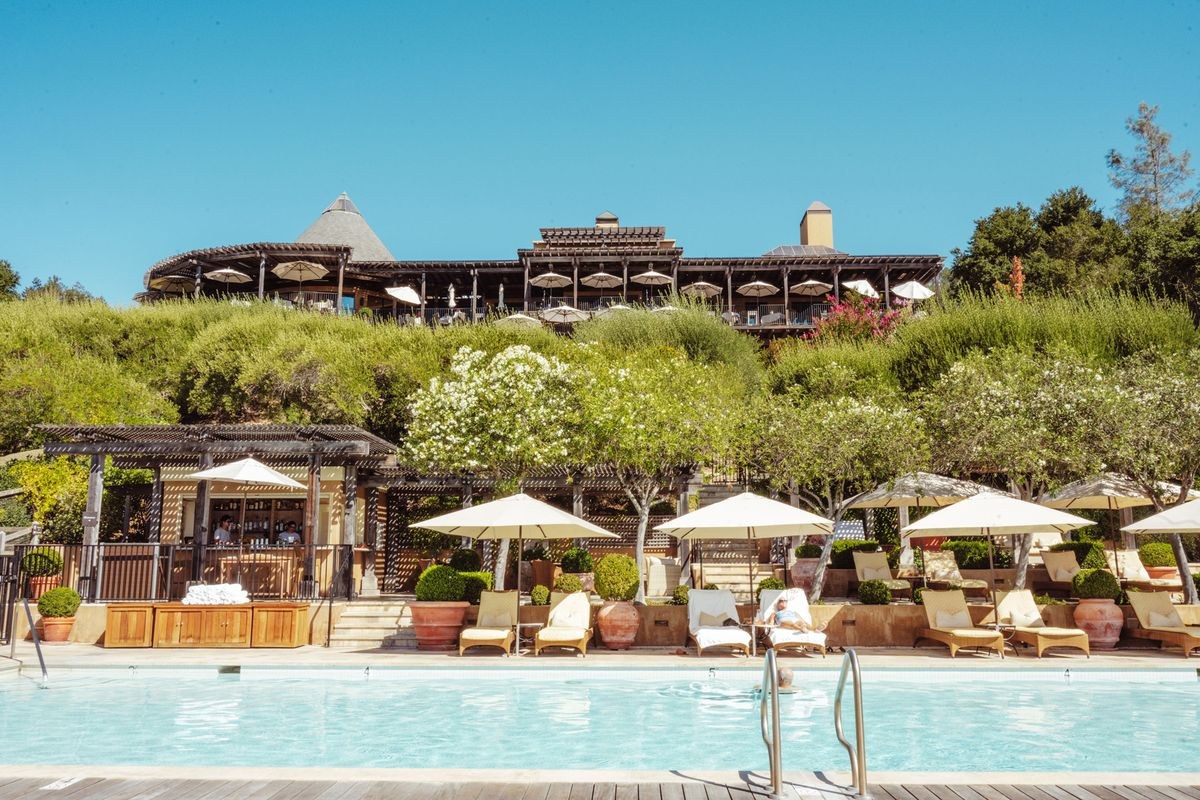
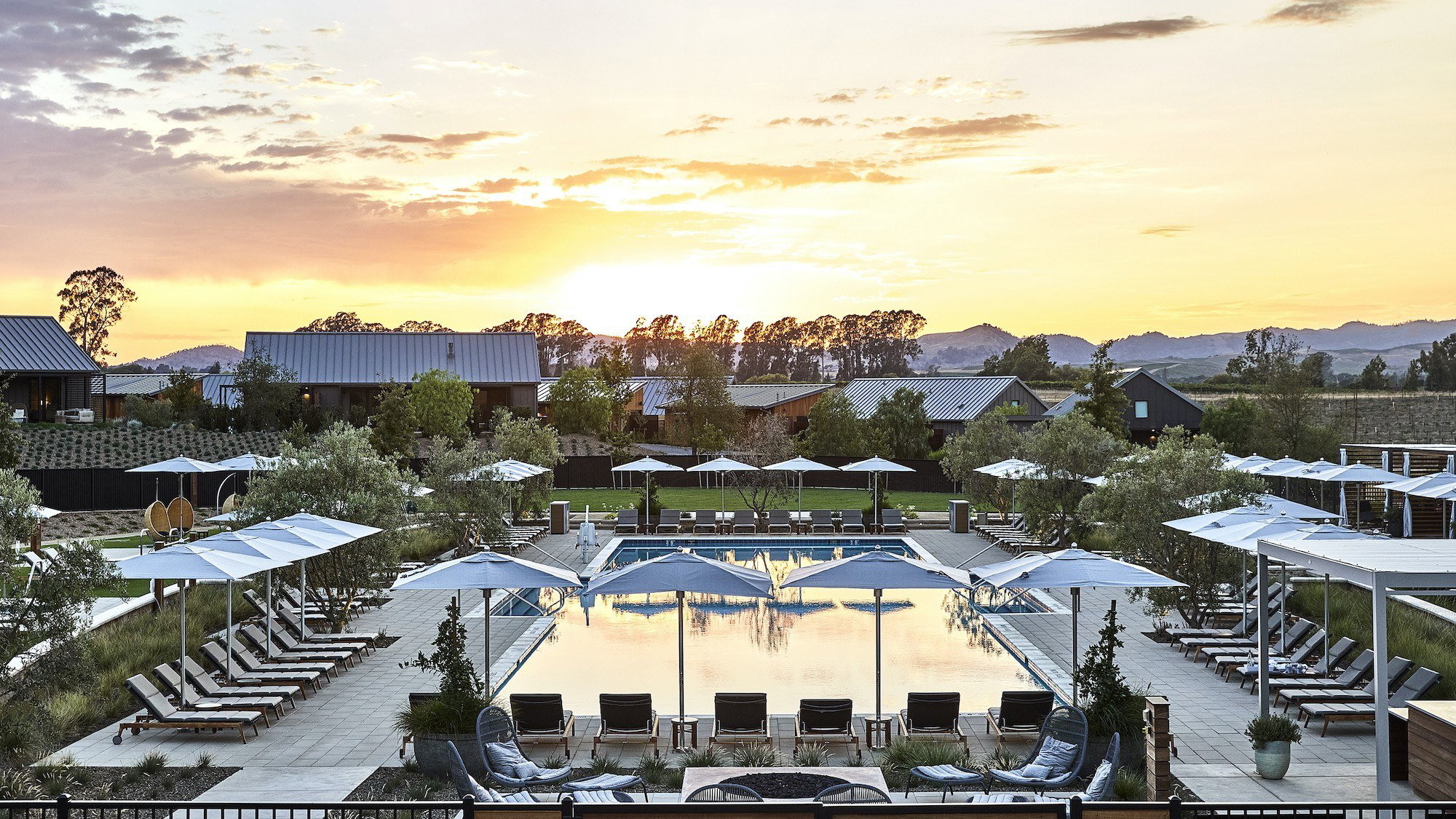
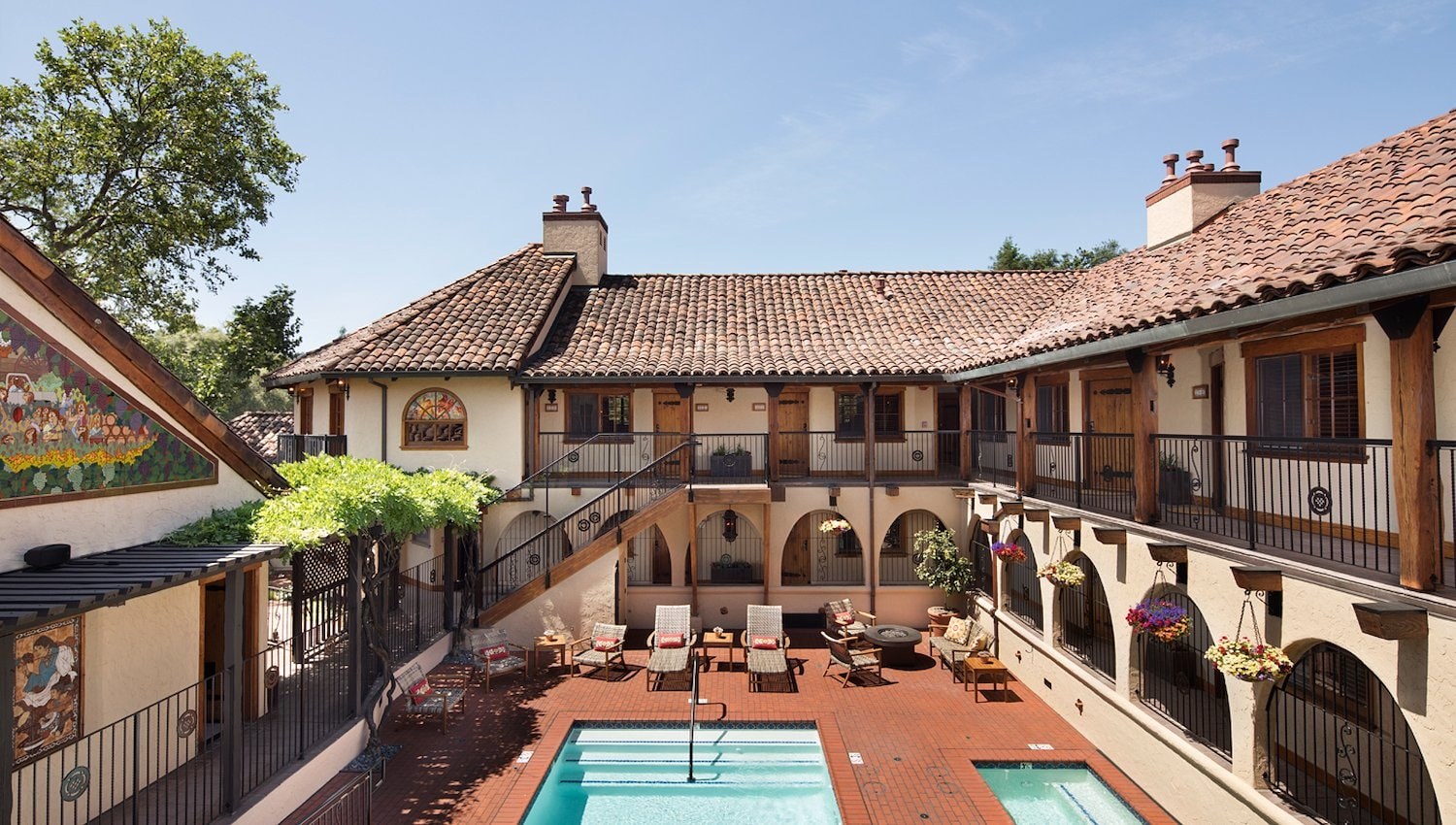
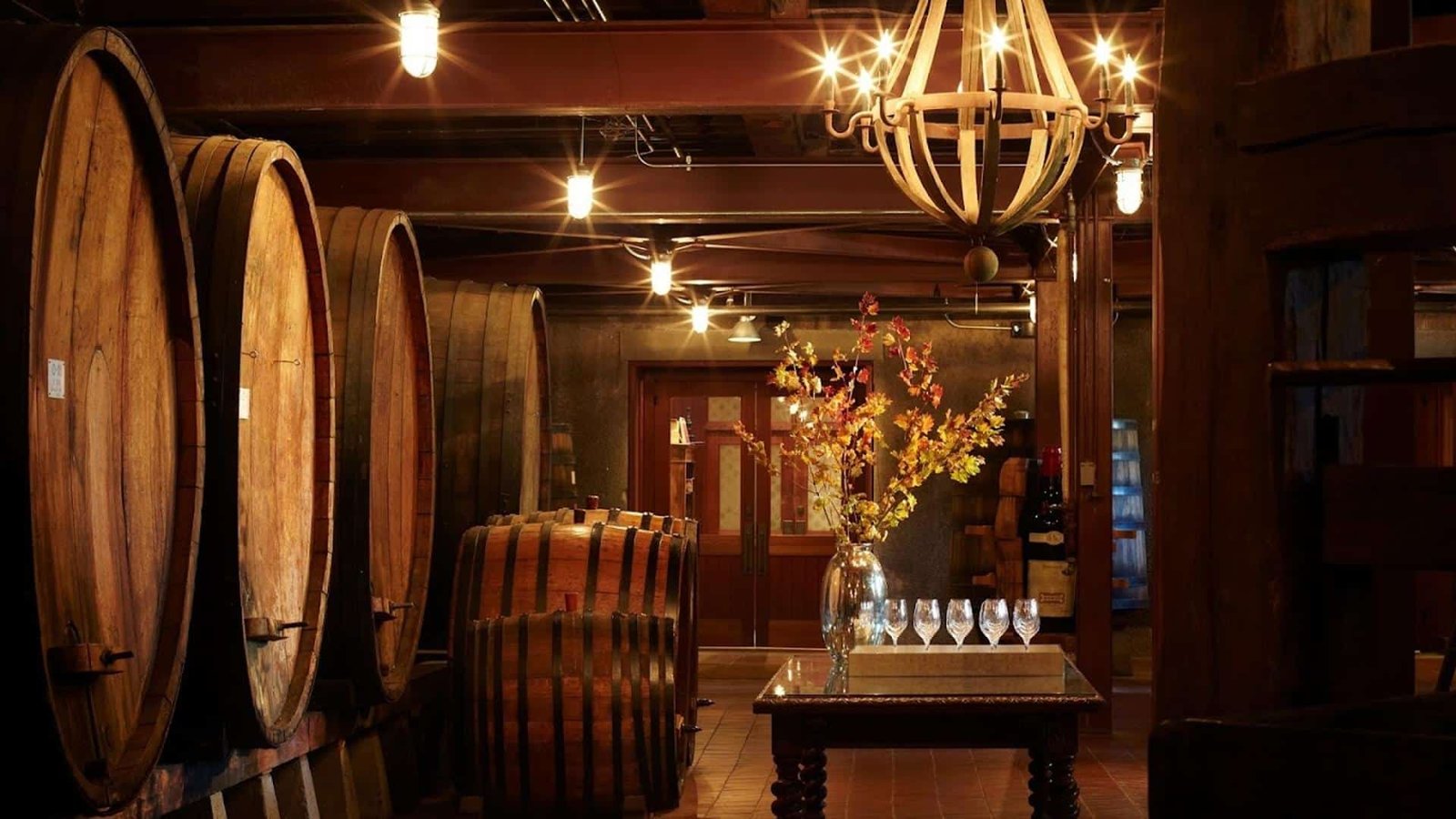
Historic 19th-century architecture, verdant gardens, and atmospheric hand-dug wine caves with consistent 58-60°F temperature.
Tags
Vibe
Best For
Experience
View
At the Vineyard
- Appellation
- Napa Valley AVA
- Varietals
- Cabernet Sauvignon, Chardonnay, Merlot, Cabernet Franc, Petit Verdot
- Tour Duration
- 60-90 minutes
- Tour Languages
- English
- Visits
- By reservation
- Production
- Large producer
- Wine Styles
- Still Red, Still White
- Shipping
- Available
- Wine Club
- Available
Know before you go
Know Before You Go
- Getting there
- 2000 Main St, St Helena, CA 94574
Planning details
Location
Recognition and awards

Also consider
Also Consider
- Charles Krug, Notable alternative
- Snowden Vineyards, Notable alternative
- Spring Mountain Vineyard, Notable alternative
- Morlet Family Vineyards, Notable alternative
- BRION, Notable alternative
Winery context
How it compares with Napa winery peers
Choose Beringer Vineyards over Charles Krug if the priority is a high-recognition St. Helena stop with an 1876 first-vintage story and current international vineyard acknowledgment. Charles Krug is the more direct cross-shop for travelers who want another historic Napa name; the smarter choice comes down to which appointment is available and which setting fits the day's route.
If the goal is a more focused, lower-noise winery day, compare carefully with Snowden Vineyards, Spring Mountain Vineyard, and Morlet Family Vineyards. Beringer is the safer first-timer pick for heritage and ease of explaining why it matters; those alternatives are better candidates when the trip is built around smaller-feeling appointments or a more specialist wine agenda.
BRION is the Napa cross-shop to consider if the decision is less about legacy and more about a contemporary winery stop. For value for money, do not choose on name alone: compare current tasting inclusions before committing. For ambiance, Beringer is the landmark-style option; BRION is the more natural alternative when a polished but less heritage-led visit is the desired mood.
Around this place
Discover more on Pearl
Unlock the full Beringer Vineyards guide in Pearl, including awards, comparisons, FAQs, planning details, and nearby places.
Compare Beringer Vineyards
| Venue | Location | Awards |
|---|---|---|
| Beringer Vineyards | Napa | 2025 World's 50 Best Vineyards · #882025 Pearl 2 Star Prestige |
| Charles Krug | St. Helena | 2026 Falstaff Winery Guide2025 Pearl 3 Star Prestige |
| Snowden Vineyards | St. Helena | No published awards |
| Spring Mountain Vineyard | St. Helena | No published awards |
| Morlet Family Vineyards | Oakville | 2026 Falstaff Winery Guide |
| BRION | Napa | No published awards |

How Beringer Vineyards Napa compares with similar nearby venues.
FAQ
Frequently Asked Questions
Do I need a reservation at Beringer Vineyards?
Confirm current access, booking needs, and timing through the venue's official channels before visiting. Its recognition includes Pearl 2 Star Prestige (2025) and World's 50 Best Vineyards #88 (2025). Compared with Charles Krug, it is another option to consider when planning a vineyard-focused itinerary.
What is Beringer Vineyards known for?
Beringer Vineyards is a Napa venue with recognition including Pearl 2 Star Prestige (2025) and World's 50 Best Vineyards #88 (2025). Mark Beringer is listed as chef/owner, and the dress code is smart casual.