

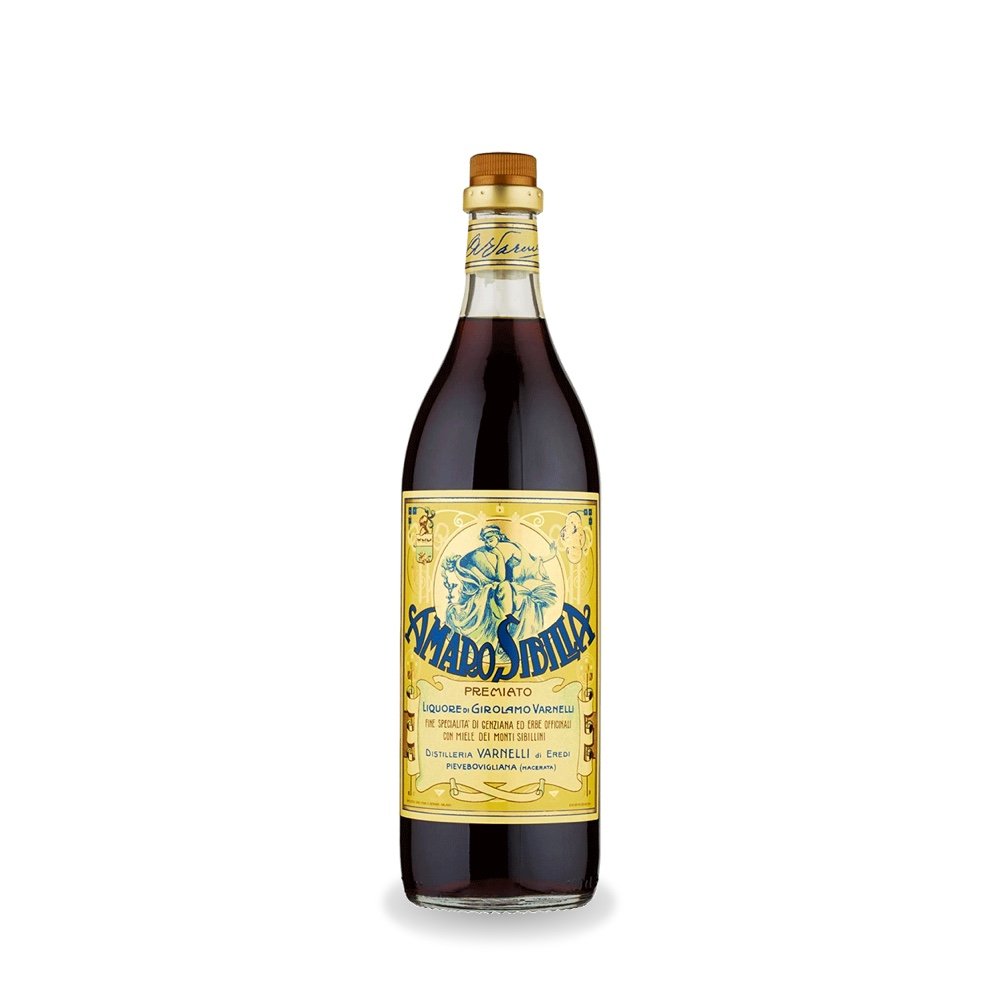
Distilleria Varnelli
Muccia, Macerata Province, Muccia
Winery in Muccia, Italy
 Book with Pearl
The Read
Apennine Botanical Distillation
Why go
Distilleria Varnelli is a specialist Muccia stop for travelers who want a drinks-led producer visit rather than a standard vineyard tasting. It is strongest for small, serious groups and celebrations built around Italian spirits; choose a conventional winery peer if the plan needs clear visitor hours, food service, or a broader wine-tasting format.
About Distilleria Varnelli
Distilleria Varnelli in Muccia is best approached as a planned stop rather than a casual visit with assumed services. Key points for planning are its Muccia location, casual dress code, and Pearl 2 Star Prestige (2025) recognition. Before going, check public hours, prices, food service, booking format, group capacity, and the specific visitor experience directly with the venue.
The practical decision is whether the venue fits a trip where you are comfortable confirming details in advance. If the day needs guaranteed food service, published visit length, or a clearly defined group setup, choose a place with fuller visitor information. If you are already planning around Muccia and want to consider Distilleria Varnelli specifically, treat it as an anchor that requires direct confirmation rather than a filler stop.
A Muccia venue with limited visitor details
Distilleria Varnelli makes the most sense for guests who are interested in the venue itself and are willing to plan around sparse public information. The tradeoff is practical: check public hours, booking channel, price range, seat count, menu format, and food service before building plans around them. That makes it less suitable for a loose itinerary or a large party that needs predictable logistics.
Use it for a focused Muccia plan where the group can confirm arrangements before going. Skip it if you need a full meal, a clearly published schedule, or a broad set of visitor amenities. For broader planning around town, compare it with other Muccia dining and travel options generically, then verify current details directly with each venue.
How to compare it with other regional venues
Pick Distilleria Varnelli if the priority is a Muccia stop with Pearl 2 Star Prestige (2025) recognition and you are comfortable confirming the visit details yourself. For a broader regional plan, compare it with Arnaldo Caprai, Tenuta Castelbuono (Tenute Lunelli), Lungarotti, Villa Bucci, and Garofoli.
For travelers building a wider itinerary, keep the comparison focused and factual: Distilleria Varnelli is the Muccia venue, while Arnaldo Caprai, Tenuta Castelbuono (Tenute Lunelli), Lungarotti, Villa Bucci, and Garofoli are separate references to consider for a broader regional plan. Confirm all visit details directly before making the route depend on any one stop.
Planning details
- Location
- Via Girolamo Varnelli, 10, 62034 Muccia MC
- Website
- varnelli.it
- Phone
- +39 0737 647000
The take
The Take
The Vibe
Distilleria Varnelli reads as a mountain-rooted, classic artisanal producer that leans into a rustic aesthetic. The writing places the operation squarely in the Sibillini and Apennine landscape, so the sense of place — cool winters, local herbs and a valley at roughly 430 metres — shapes the impression. The narrative frames Varnelli as part of a traditional but distinct central-Italy distilling line, one that feels quietly authoritative rather than flashy. Visitors and enthusiasts encountering the brand should expect an experience grounded in heritage, terroir and small-scale craft rather than modern, metropolitan trappings.
Best For
This distillery is best for those seeking an educational encounter with regional spirits and for small group outings focused on discovery. The piece foregrounds the distillery’s 2025 Pearl 2 Star Prestige recognition and situates its production within a distinct mountain-botanicals tradition, making it a logical stop for people wanting to learn how altitude and local herbs influence distillates. Groups of enthusiasts, students of spirits, or regional-food itineraries that prioritize terroir-driven producers will find Varnelli particularly relevant for deepening their understanding of central-Italy distilling.
Tasting Tips
When approaching Varnelli's range, concentrate on expressions that highlight mountain botanicals and look for releases tied to the distillery’s Prestige recognition. The profile stresses that Varnelli’s work is botanically driven rather than grape-derived grappa, so sampling multiple botanical expressions is the clearest way to perceive altitude and terroir effects. Note the 2025 Pearl 2 Star Prestige as a marker of attention-worthy bottles, and ask about provenance of the botanicals and elevation-related practices to better contextualize what you taste. Avoid assuming standard grappa styles; the emphasis here is on mountain distillates.
Venue details
Ambiance
Historic artisanal production facility blending traditional methods with modern design, set in harmony with the Sibillini Mountains landscape.
Tags
Vibe
Best For
Experience
Sourcing
View
At the Vineyard
- Appellation
- Marche
- Visits
- Walk-ins welcome
- Farming
- Sustainable
- Wine Styles
- Fortified
- Shipping
- Available
- Wine Club
- Not available
Know before you go
Know Before You Go
- Getting there
- Via Girolamo Varnelli, 10, 62034 Muccia MC
Planning details
Location
Also consider
Also Consider
- Arnaldo Caprai, Notable alternative
- Tenuta Castelbuono (Tenute Lunelli), Notable alternative
- Lungarotti, Notable alternative
- Villa Bucci, Notable alternative
- Garofoli, Notable alternative
Winery context
How it compares with nearby producer visits
Choose Distilleria Varnelli when the brief is a focused spirits producer rather than a vineyard tasting. Arnaldo Caprai, Tenuta Castelbuono (Tenute Lunelli), and Lungarotti are stronger fits for travelers who want a more conventional wine-country structure, especially if the occasion depends on a clear tasting-room rhythm.
For value, the safer choice is the venue whose visitor format is easiest to confirm before planning the day. Distilleria Varnelli carries more specialist appeal, but that also means less margin for casual planning. Villa Bucci and Garofoli are better cross-shops if the group is centered on wine, regional food pairing, or a vineyard setting rather than amaro and distillation.
For ambiance, make the call by occasion. A small celebration with drinks enthusiasts can justify the extra planning here; a mixed group, business outing, or multi-stop day will usually be better served by one of the winery peers with a more familiar guest flow.
Explore Muccia
Around this place
Discover more on Pearl
Unlock the full Distilleria Varnelli guide in Pearl, including awards, comparisons, FAQs, planning details, and nearby places.
Compare Distilleria Varnelli
| Venue | Location | Awards |
|---|---|---|
| Distilleria Varnelli | Muccia | No published awards |
| Arnaldo Caprai | Montefalco | 2026 Falstaff Winery Guide |
| Tenuta Castelbuono (Tenute Lunelli) | Umbria | 2026 Falstaff Winery Guide2024 World's 50 Best Vineyards · #25 |
| Lungarotti | Torgiano | 2026 Falstaff Winery Guide |
| Villa Bucci | Ostra Vetere | No published awards |
| Garofoli | Castelfidardo | 2026 Falstaff Winery Guide |


How Distilleria Varnelli Muccia compares with similar nearby venues.
FAQ
Frequently Asked Questions
When is the best time to visit Distilleria Varnelli?
How long should I plan for a visit to Distilleria Varnelli?
Leave buffer time, confirm the visit length and service format directly before going, and treat Muccia as one part of a broader route unless the venue confirms a specific plan.
What other venues can I compare with Distilleria Varnelli?
For broader comparison, look at Arnaldo Caprai, Tenuta Castelbuono (Tenute Lunelli), Lungarotti, Villa Bucci, and Garofoli. Distilleria Varnelli is in Muccia; confirm current details directly before making plans.