

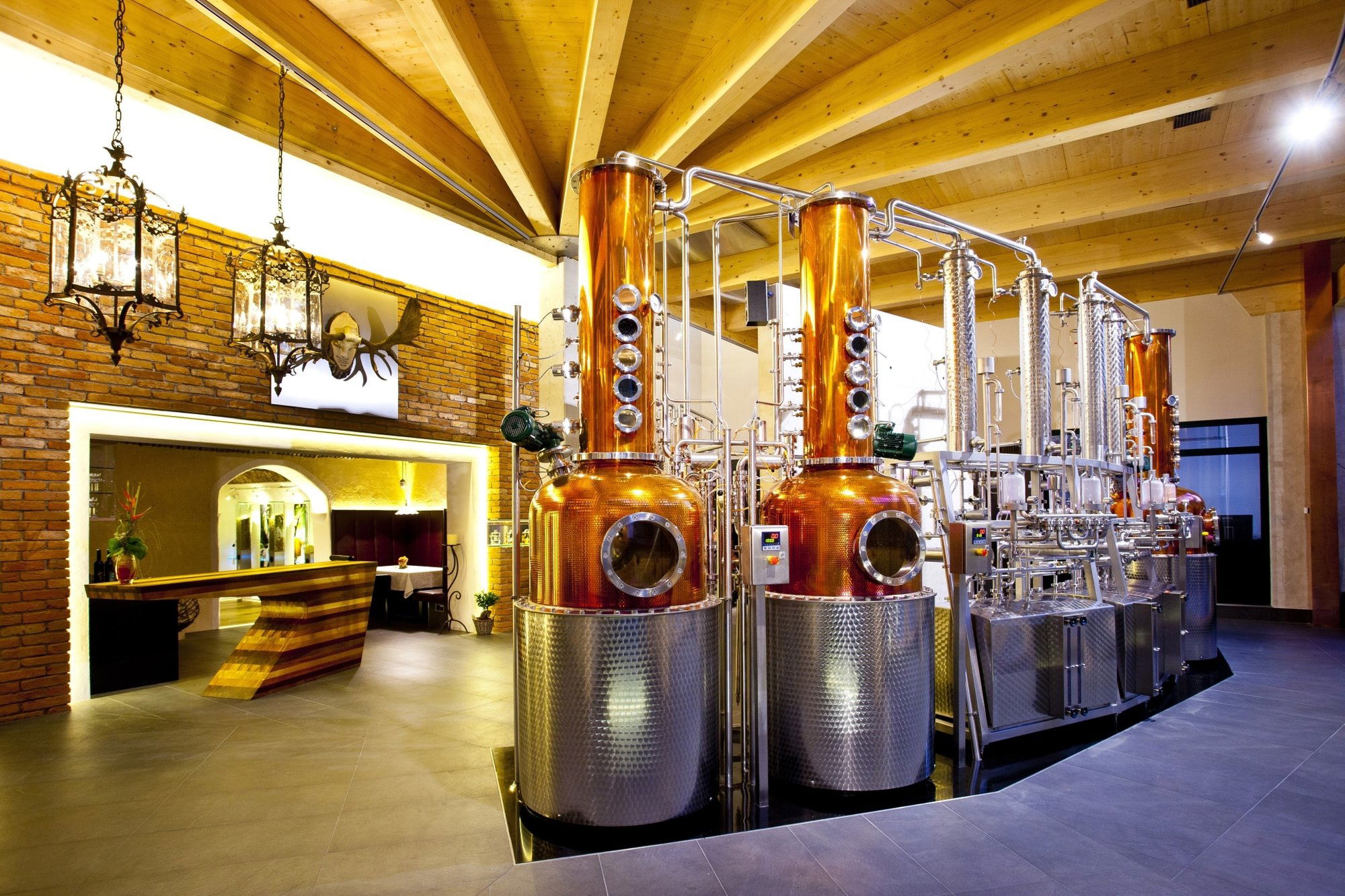
Destillerie Hochstrasser
Mooskirchen
Winery in Mooskirchen, Austria
 Book with Pearl
The Read
Styrian Small-Batch Distillation
Why go
Destillerie Hochstrasser is worth considering if Mooskirchen is already on your route and the goal is a focused Austrian distillery visit. It is a stronger fit for small groups and first-timers who want a quiet, spirits-led stop than for travelers looking for a broad winery day with food, scenery, and extended tasting-room structure.
About Destillerie Hochstrasser
It is a plan-ahead stop rather than a place to assume details about hours, tasting format, food service, or pricing.
Destillerie Hochstrasser is a casual venue in Mooskirchen with recognition.
A better fit for visitors who want a simple Mooskirchen stop
The value question is whether Destillerie Hochstrasser fits your route and expectations. Do not assume a particular tasting fee, tour length, food offering, product focus, or service format.
Where it sits against other options to research
For comparison, travelers may also look at 2B Hemp Gin Distillery, Destillerie Weutz, Aeijst Gin Distillery, Destillerie Krauss, and Weingut Wohlmuth. Use those names as alternatives to research, not as proof that Destillerie Hochstrasser offers the same format, booking process, products, or visitor experience.
Planning details
- Location
- Marktpl. 12, 8562 Mooskirchen
- Website
- schnaps.at
- Phone
- +43 3137 2232
The take
The Take
The Vibe
Destillerie Hochstrasser reads like a distilling institution rooted in regional continuity rather than a trend-driven newcomer. The copy foregrounds Styria's long history of small-batch fruit brandies and grain spirits, positioning Hochstrasser within a formally recognised peer set defined by consistency and product character. The impression is of a quietly assured operation where craft, terroir and restraint matter more than volume or spectacle.
Best For
This distillery is best for visitors who want to understand Styrian distilling in context: students of regional spirits, curious solo travelers and anyone intrigued by small‑batch Schnapps and Obstbrand production. The area’s orchard- and grain-based raw materials and the producer’s standing within a prestige tier naturally appeal to people drawn to product-driven stories and authentic, terroir-rooted spirits. It’s a place to deepen knowledge rather than seek nightlife or large-group entertainment.
Tasting Tips
When exploring Hochstrasser’s lineup, focus on small-batch fruit brandies (Schnapps/Obstbrand) and grain-based spirits characteristic of western Styria. Ask about the source fruit and grain, and sample across fruit and grain expressions to appreciate the regional differences.
Venue details
Ambiance
Cozy, familial atmosphere in the sales and showroom with sensory experiences including a scent trail.
Tags
Vibe
Best For
Experience
Accessibility
At the Vineyard
- Appellation
- Weststeiermark
- Varietals
- Williamsbirne, Muskat
- Tour Duration
- 60-90 minutes
- Tour Languages
- German, English
- Visits
- By appointment only
- Wine Club
- Not available
Know before you go
Know Before You Go
- Getting there
- Marktpl. 12, 8562 Mooskirchen
Planning details
Location
Also consider
Where to look if this does not fit
If the goal is wine rather than spirits, start with Weingut Wohlmuth. If the goal is a gin-specific distillery visit, compare Aeijst Gin Distillery and 2B Hemp Gin Distillery before locking in the day.
Winery context
How it compares in the Mooskirchen set
Destillerie Hochstrasser is the pick for a focused, quieter distillery stop in Mooskirchen. Compared with 2B Hemp Gin Distillery and Aeijst Gin Distillery, it makes more sense when the itinerary is built around a compact Austrian spirits visit rather than a gin-specific stop with a broader brand pull.
Destillerie Weutz and Destillerie Krauss are the more natural cross-shops if the decision is simply “which distillery should fill this slot?” Choose Hochstrasser when Mooskirchen location and a low-key atmosphere matter; look at those peers if flexibility and easier planning are higher priorities.
Weingut Wohlmuth is the better comparison for readers deciding between wine and spirits. If the goal is a wine-country day, start there. If the value is in a shorter, spirits-led stop with less ceremony, Hochstrasser is the cleaner choice.
Explore Mooskirchen
Around this place
Discover more on Pearl
Unlock the full Destillerie Hochstrasser guide in Pearl, including awards, comparisons, FAQs, planning details, and nearby places.
Compare Destillerie Hochstrasser
| Venue | Location | Awards |
|---|---|---|
| Destillerie Hochstrasser | Mooskirchen | No published awards |
| 2B Hemp Gin Distillery | Graz | No published awards |
| Destillerie Weutz | Sankt Nikolai im Sausal | No published awards |
| Aeijst Gin Distillery | Sankt Nikolai im Sausal | No published awards |
| Destillerie Krauss | Schwanberg | No published awards |
| Weingut Wohlmuth | Kitzeck | 2026 Falstaff Winery Guide |

How Destillerie Hochstrasser Mooskirchen compares with similar nearby venues.
FAQ
Frequently Asked Questions
What other venues can I compare with Destillerie Hochstrasser?
Weingut Wohlmuth is one relevant comparison to research separately. You may also compare Destillerie Hochstrasser with 2B Hemp Gin Distillery, Aeijst Gin Distillery, Destillerie Krauss, and Destillerie Weutz, using each venue's current information before deciding which better fits your trip.