

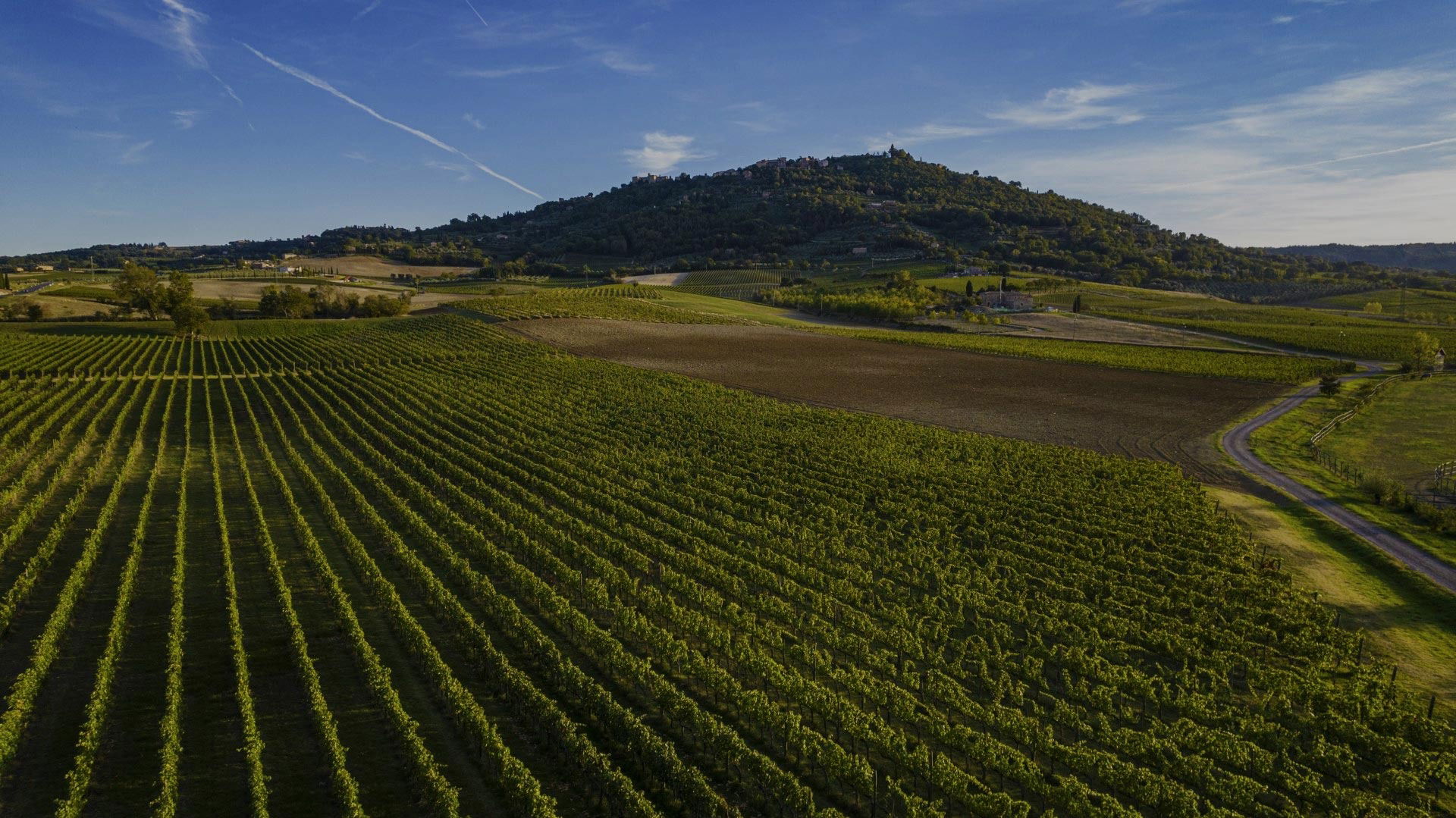
Winery in Montalcino, Italy
Valdicava Az Agr
2,000Pearl PointsBrunello Focus

About Valdicava Az Agr
Valdicava Az Agr is worth prioritizing for serious Brunello travelers who want producer depth in Montalcino rather than a casual tasting-room stop. The 1987 first vintage and 2025 Pearl 5 Star Prestige recognition make it a strong collector-oriented choice, but plan carefully: this is better as an anchored appointment than a flexible add-on.
If the Montalcino schedule is tight, treat Valdicava Az Agr as a venue to plan deliberately rather than a casual add-on. Verified public details are limited, so the strongest approach is to confirm arrangements directly and build the rest of the day around what the venue can confirm.
The grounded case for considering it is direct: Valdicava Az Agr is in Montalcino, Vincenzo Abbruzzese is the chef/owner, the venue holds Pearl 5 Star Prestige recognition for 2025. For visitors comparing premium options in the area, that recognition is the clearest verified trust signal. Dress is smart casual, so plan accordingly.
A Montalcino stop for travelers who want a carefully planned visit
Valdicava Az Agr is best approached as part of a considered Montalcino itinerary rather than a stop to improvise. For wider planning around the same trip, use Our full Montalcino restaurants guide, Our full Montalcino hotels guide, Our full Montalcino wineries guide instead of assuming every detail will be obvious on arrival.
If you are weighing how to spend time in Montalcino, compare Valdicava Az Agr with names such as Altesino, Azienda Agricola Casanova di Neri di Giacomo Neri, Biondi-Santi Tenuta Greppo, Cerbaiona, Poggio di Sotto. Those comparisons can help frame the decision without relying on unverified claims about services, formats, or menus.
Who should prioritize it, who should choose differently
Prioritize Valdicava Az Agr if you want a Pearl 5 Star Prestige-recognized Montalcino venue and are comfortable confirming the practical details in advance. It is a less certain fit for travelers who need fully published specifics before committing, because verified details here do not establish hours, pricing, visit format, menu structure, or other service information.
The practical verdict: worth considering for a planned Montalcino itinerary, especially because of its Pearl 5 Star Prestige recognition in 2025, but not a venue to over-specify from. Build in time to confirm details directly, if the day includes other stops, use Our full Montalcino bars guide to keep the rest of the itinerary grounded and flexible.
Frequently Asked Questions
What is confirmed about Valdicava Az Agr?
Verified information confirms that Valdicava Az Agr is in Montalcino, Vincenzo Abbruzzese is the chef/owner, the dress code is smart casual, the venue has Pearl 5 Star Prestige recognition for 2025.
What other venues can I compare with Valdicava Az Agr?
For Montalcino comparisons, consider Altesino, Biondi-Santi Tenuta Greppo, Cerbaiona, Poggio di Sotto, Azienda Agricola Casanova di Neri di Giacomo Neri. These names are useful reference points when comparing premium options in the area.
What practical details should I confirm before visiting Valdicava Az Agr?
Verified information here does not establish hours, pricing, visit format, menu structure, or other service details. The most reliable planning details are that Valdicava Az Agr is in Montalcino, Vincenzo Abbruzzese is the chef/owner, the dress code is smart casual, the venue has Pearl 5 Star Prestige recognition for 2025.
What is the dress code at Valdicava Az Agr?
The verified dress code is smart casual. For any visit-specific expectations beyond that, check the venue's official channels before visiting.
Do I need a reservation at Valdicava Az Agr?
Verified information does not confirm the reservation policy. Because planning details are limited, contact Valdicava Az Agr directly before building a Montalcino itinerary around it.
How long should I plan for a visit to Valdicava Az Agr?
Verified information does not establish a standard visit length. Keep your Montalcino schedule flexible and confirm timing directly with the venue before committing to nearby plans.
Location
Località Val Di Cava, 53024 Montalcino SI
Montalcino, Italy
Compare Valdicava Az Agr
| Venue | Location | Awards |
|---|---|---|
| Valdicava Az Agr | Montalcino | Pearl 5 Star Prestige (2025) |
| Altesino | Montalcino | , |
| Azienda Agricola Casanova di Neri di Giacomo Neri | Montalcino | , |
| Biondi-Santi Tenuta Greppo | Montalcino | , |
| Cerbaiona | Montalcino | , |
| Poggio di Sotto | Montalcino | , |
How Valdicava Az Agr Montalcino compares with similar nearby venues.
Also Consider
- Altesino, Notable alternative
- Azienda Agricola Casanova di Neri di Giacomo Neri, Notable alternative
- Biondi-Santi Tenuta Greppo, Notable alternative
- Cerbaiona, Notable alternative
- Poggio di Sotto, Notable alternative
How Valdicava Az Agr compares in Montalcino
Choose Valdicava Az Agr if the priority is a focused Brunello visit with collector appeal and less concern for flexible visitor infrastructure. Biondi-Santi Tenuta Greppo is the heritage reference point for travelers who want Brunello history first, while Azienda Agricola Casanova di Neri di Giacomo Neri is the sharper comparison for modern prestige and high-demand planning.
For a broader Montalcino itinerary, Altesino is the easier peer to position as a classic regional benchmark, while Cerbaiona and Poggio di Sotto skew more toward enthusiasts who already know what they want from Brunello. Valdicava Az Agr sits in that serious-wine lane: higher effort, better fit for depth, weaker fit for groups looking for a simple tasting stop.
Value depends on what the visit is meant to solve. If the goal is education through comparison, combine one harder-to-secure producer with a more accessible Montalcino name rather than stacking only difficult appointments. If only one slot is available, pick Valdicava Az Agr for Brunello focus, Biondi-Santi Tenuta Greppo for historical weight, or Altesino for a more classic regional counterpoint.
Recognized By

Save or rate Valdicava Az Agr on Pearl
Keep this venue in your Pearl passport, rate it after you visit, and track it alongside every other place you collect.