Distilleria Bertagnolli
Piana Rotaliana, Mezzocorona
Winery in Mezzocorona, Italy
 Book with Pearl
The Read
Campo Rotaliano Distillation
Why go
Distilleria Bertagnolli is worth considering for a spirits-led Mezzocorona visit, especially if the occasion calls for something more focused than a standard winery stop. It is better for small, high-intent groups than casual drop-ins, and any club or allocation value should be judged on concrete access benefits rather than atmosphere alone.
About Distilleria Bertagnolli
Distilleria Bertagnolli is a Mezzocorona venue with a casual dress code and Pearl 2 Star Prestige recognition for 2025.
Use it as a Mezzocorona stop only after checking the venue's official channels for the current experience. If your plans require a confirmed meal, a published tasting structure, or detailed logistics in advance, keep the itinerary flexible and compare it with other options in and around Mezzocorona.
A prestige Mezzocorona venue with limited public detail
The strongest hook is direct: Distilleria Bertagnolli holds Pearl 2 Star Prestige recognition for 2025. That makes it a notable Mezzocorona name to consider, but it does not confirm a particular hospitality format, food service, tasting program, price point, or visit length.
Plan conservatively. Ask about any details you need before building a special occasion around the visit. The casual dress code keeps expectations relaxed, while the prestige recognition gives the venue a clear reason to appear on a shortlist for Mezzocorona.
How to place it in a Mezzocorona trip
For a Mezzocorona itinerary, place Distilleria Bertagnolli as a confirmed stop only once the practical details have been confirmed with the venue. If the day also needs dining, lodging, or other activities, arrange those separately rather than assuming they are part of the Distilleria Bertagnolli experience.
Travelers comparing notable names can also look at Distilleria Psenner, Distilleria Roner, Villa de Varda, Elena Walch, or Foradori depending on the kind of outing they want. Keep geography and logistics in mind, and confirm current availability directly before making the venue central to the day.
Planning details
- Location
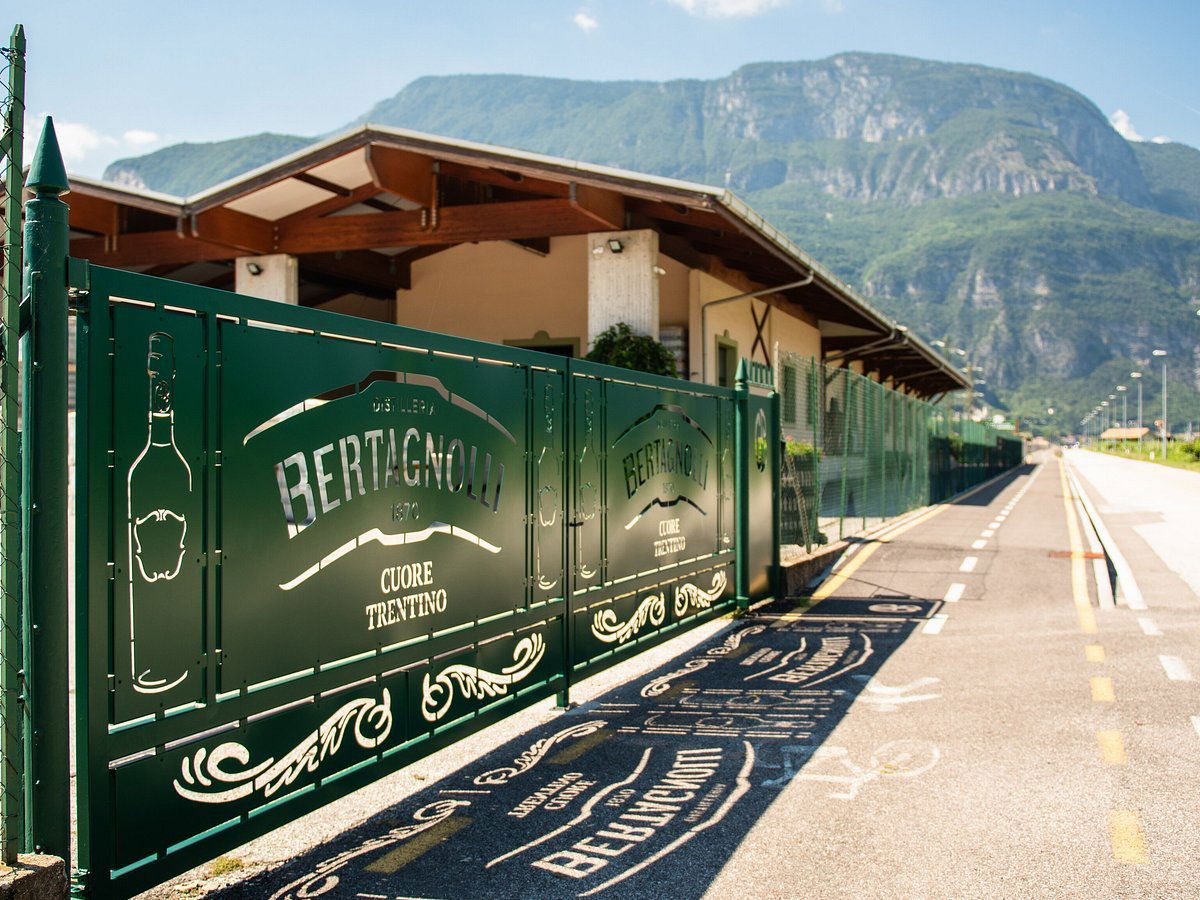
- Via del Teroldego, 11/13, 38016 Mezzocorona TN
- Website
- distilleriabertagnolli.it
- Phone
- +39 0461 603800
The take
The Take
The Vibe
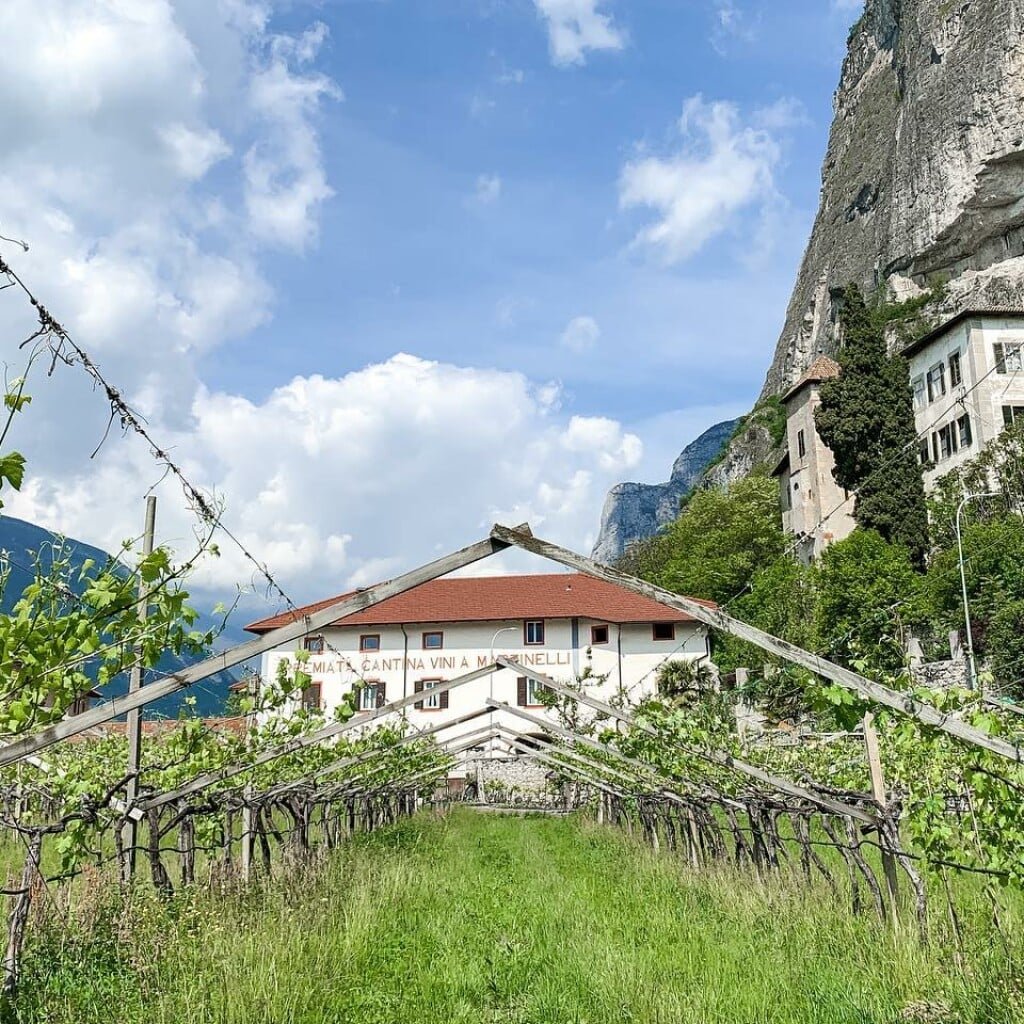
Distilleria Bertagnolli reads like a place rooted in landscape and history. Set on the Campo Rotaliano plain between Trento and the Dolomite foothills, the distillery frames its identity around Teroldego and the specific alluvial soils that shape it. The copy emphasizes a craft distilling culture that predates modern regulation, so visitors can expect an experience that foregrounds terroir, technique and regional continuity rather than trendy novelty. The atmosphere is quietly compelling — more about geology and craft than spectacle — and it appeals to anyone interested in how place translates into distilled spirit.
Best For
This is primarily a visit for people who want to learn about terroir-driven spirits. The write-up positions Bertagnolli as an anchor for understanding Trentino agricultural identity and the logic of terroir in grappa, so it suits educators, students of distillation and guests seeking context alongside tasting. It reads less like a social hotspot and more like a working producer where explanation and provenance matter, making it a solid stop on a focused producers’ tour of Mezzocorona and the surrounding appellation.
Tasting Tips
When engaging with Bertagnolli’s offerings, direct attention to expressions that highlight Teroldego pomace and other territory-rooted distillates: the description makes clear that varietal, ripeness and local clone characteristics carry through into the spirit. Ask where the marc comes from and how ripeness and distillation choices influence aromatics and minerality. Framing tasting notes around terroir—dark fruit, mineral backbone and mountain-influenced clarity—helps connect what’s in the glass to the plain’s alluvial soils and the Dolomite-influenced climate.
Venue details
Ambiance
Classic distillery atmosphere with focus on traditional production methods and aromatic grappa tasting.
Tags
Vibe
Best For
Experience
Sourcing
View
At the Vineyard
- Appellation
- Trentino
- Varietals
- Teroldego, Moscato, Chardonnay, Cabernet Sauvignon, Gewurztraminer
- Tour Duration
- 60-90 minutes
- Tour Languages
- Italian
- Visits
- By appointment only
- Farming
- Organic
- Production
- Small producer
- Wine Club
- Not available
Know before you go
Know Before You Go
- Getting there
- Via del Teroldego, 11/13, 38016 Mezzocorona TN
Planning details
Location
Also consider
Where to Look If This Is Not the Right Fit
If the group wants a wine-first experience, cross-shop Foradori before committing to a distillery-led plan. If the goal is to compare spirits producers, check Distilleria Roner or Distilleria Psenner for a format that may suit the schedule better.
Winery context
How It Compares
Choose Distilleria Bertagnolli over Foradori if the group wants a distillery-led experience rather than a wine-estate visit. Foradori is the more obvious choice for travelers building a Trentino wine itinerary around vineyard identity, while Bertagnolli is the sharper pick when spirits and cellar access are the reason for the stop.
Villa de Varda, Distilleria Psenner, and Distilleria Roner are the closer cross-shops for visitors comparing distillery formats. With no confirmed public price tiers across the set, the practical choice comes down to booking confidence and category preference: pick Bertagnolli for a prestige-leaning Mezzocorona plan, and compare the others if the priority is a simpler, easier-to-structure spirits visit.
Elena Walch is the better comparison for travelers who want a polished wine-country name rather than a distillery stop. For a celebration, Bertagnolli is the more specific choice; Elena Walch is the safer fit for guests who expect a conventional winery rhythm and broader group appeal.
Explore Mezzocorona
Around this place
Discover more on Pearl
Unlock the full Distilleria Bertagnolli guide in Pearl, including awards, comparisons, FAQs, planning details, and nearby places.
Compare Distilleria Bertagnolli
| Venue | Location | Awards |
|---|---|---|
| Distilleria Bertagnolli | Mezzocorona | No published awards |
| Villa de Varda | Mezzolombardo | No published awards |
| Foradori | Mezzolombardo | 2026 Falstaff Winery Guide |
| Distilleria Psenner | Termeno | No published awards |
| Distilleria Roner | Termeno | No published awards |
| Elena Walch | Termeno | 2026 Falstaff Winery Guide |

How Distilleria Bertagnolli Mezzocorona compares with similar nearby venues.
FAQ
Frequently Asked Questions
How long should I plan for a visit to Distilleria Bertagnolli?
Plan directly with the venue before building a schedule around it. The confirmed details are its casual dress code and Pearl 2 Star Prestige recognition for 2025.
Does Distilleria Bertagnolli serve food?
If your group needs a meal, plan dining separately in Mezzocorona and confirm any current offering with Distilleria Bertagnolli before you go.
Is there a membership program at Distilleria Bertagnolli?
Ask Distilleria Bertagnolli directly about membership benefits, allocations, shipping, or event access before assuming they are available.
When is the best time to visit Distilleria Bertagnolli?
Does Distilleria Bertagnolli offer shipping?
If shipping matters, ask Distilleria Bertagnolli directly before making purchases or planning around that service.