Domaine Yves Boyer-Martenot
Meursault
Winery in Meursault, France
 Book with Pearl
The Read
Rue de Mazeray Precision
Why go
A serious Meursault choice for wine-focused visitors, not a dining or food-pairing stop. Book it if the occasion is built around white Burgundy and producer access; choose a more visitor-facing Meursault address if the group needs easier logistics, grander ambiance, or a meal-led experience.
About Domaine Yves Boyer-Martenot
In Meursault, Domaine Yves Boyer-Martenot is best approached as a concise stop in a larger itinerary: a Meursault venue with smart-casual dress guidance and Pearl 3 Star Prestige recognition for 2025.
That makes this a page for careful planning rather than assumption. Treat the venue as part of a Meursault itinerary, but confirm any practical details directly before building a special occasion, client visit, or travel day around it.
Plan meals and bookings separately
Do not assume restaurant-style cuisine, a chef, a tasting menu, food pairings, lunch, dinner, take-out, delivery, a visitor program, or a specific booking format. If you need a meal in the village, plan that separately using the full Meursault restaurants guide, Meursault hotels guide, and Meursault bars guide rather than assuming those services are available here.
For nearby comparison, Château de Meursault, Domaine Chavy-Chouet, Domaine Fabien Coche, Domaine Pierre Matrot - Thierry et Pascale Matrot, and Domaine Roulot are useful Meursault names to consider alongside Domaine Yves Boyer-Martenot when shaping a Meursault-focused day.
Access is the real filter
The safest approach is to confirm access before arrival. Do not rely on walk-in availability, meal service, shipping, wine-club access, or any specific tasting structure unless the venue confirms it directly.
If the details do not fit your plans, keep the day flexible and compare other Meursault options. The key hooks here are simple: Domaine Yves Boyer-Martenot is in Meursault, the dress code is smart casual, and it holds Pearl 3 Star Prestige recognition for 2025.
Planning details
- Location
- 17 Rue de Mazeray, 21190 Meursault
- Website
- boyer-martenot.com
- Phone
- +33 3 80 21 26 25
The take
The Take
The Vibe
Domaine Yves Boyer-Martenot reads like a village-scale, terroir-first Meursault producer. It sits among Rue de Mazeray neighbours as a small family domaine that prioritises plot clarity over showy hospitality; visits feel more like appointments with the cellar than staged tasting experiences. Recognition on the La Paulée 2026 Pearl prestige tier underscores a quietly sophisticated profile — wines that reward attention rather than flash. The setting along the village's narrow lanes and the domaine’s working tasting room combine to create a discreet, refined atmosphere for tasting focused white Burgundy.
Best For
This domaine is best for visitors who arrive with a clear interest in terroir and allocation-driven Burgundy: collectors, committed enthusiasts and those seeking village- and lieu-dit-level Meursault Chardonnay. It caters to people who value direct-to-domaine access and who appreciate a tasting framed by vineyard specificity rather than theatrical hospitality. The estate’s placement among respected Meursault peers makes it a useful stop for comparative tasting and for anyone exploring the appellation’s parcel-level distinctions, whether alone or as part of a focused wine-education visit.
Tasting Tips
Approach tastings here with a map and specific questions: ask about the lieux-dits, vine age and how particular plots differ in expression. The write-up highlights direct allocation access and a loyal private client base, so enquire about available allocations and which bottlings are reserved for regular clients. Keep the focus on terroir clarity — compare parcels against other Rue de Mazeray domaines mentioned in the text — and be prepared for a producer-focused tasting experience rather than a hospitality-driven presentation.
Venue details
Ambiance
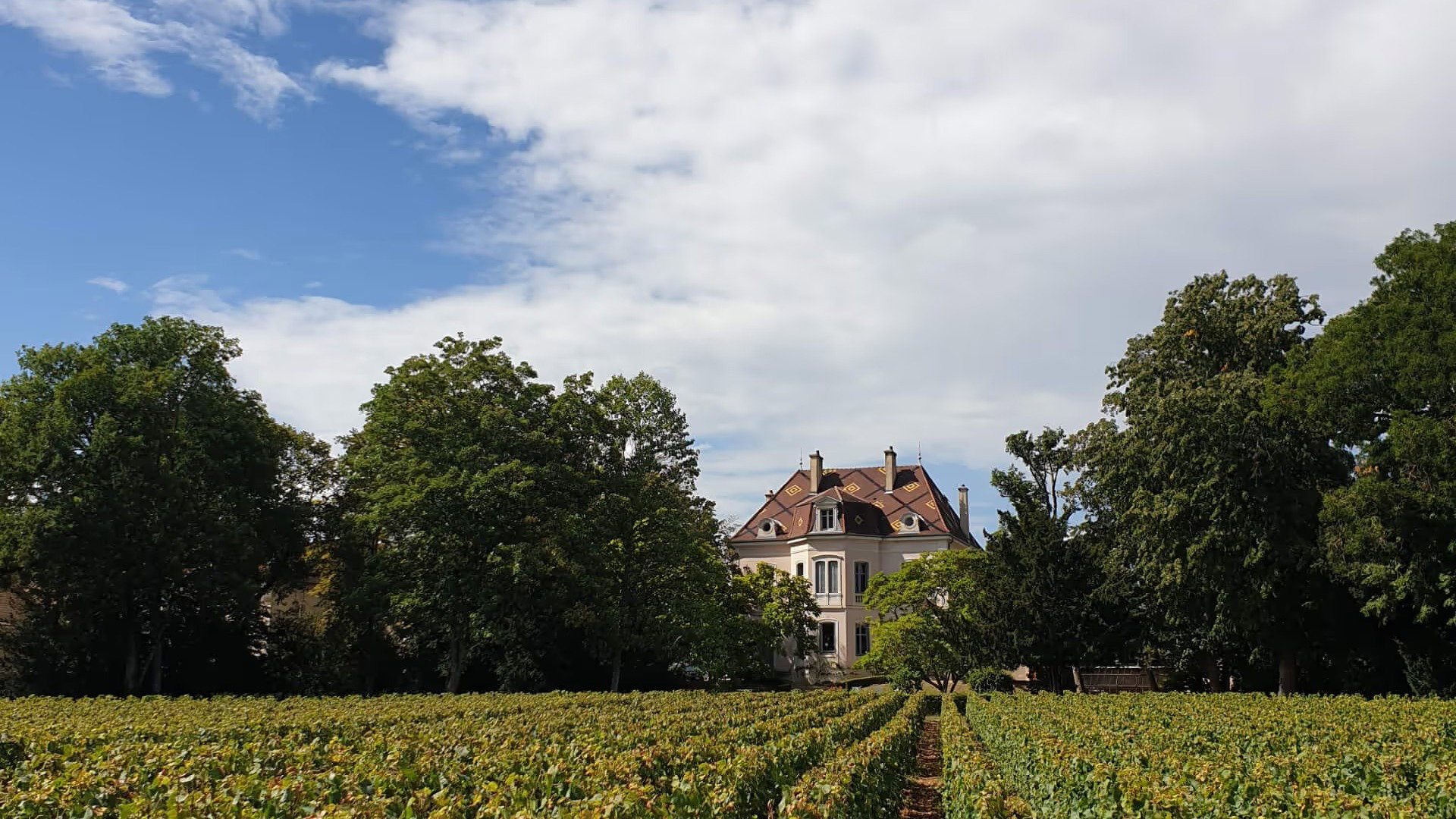
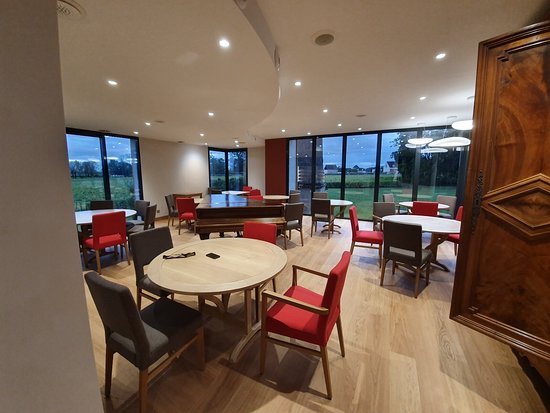
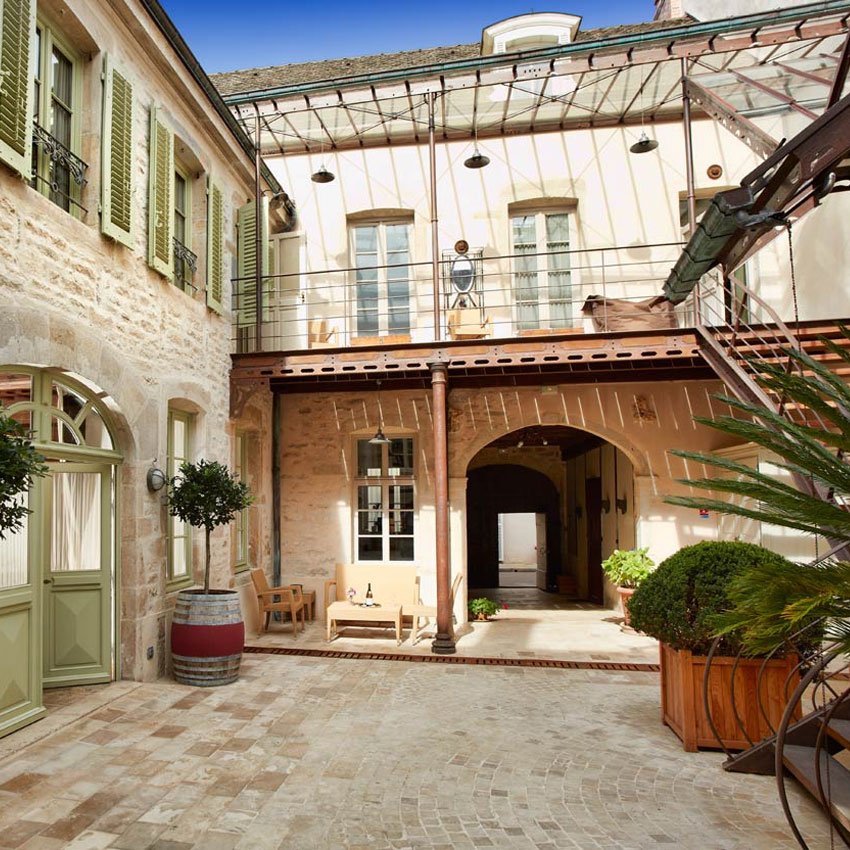
Cozy, traditional family atmosphere in a historic Meursault courtyard with welcoming personal tours through production facilities and cellar.
Tags
Vibe
Best For
Experience
Sourcing
View
At the Vineyard
- Appellation
- Meursault AOC
- Varietals
- Chardonnay, Pinot Noir
- Visits
- By reservation
- Farming
- Sustainable
- Wine Styles
- Still White
- Wine Club
- Not available
Know before you go
Know Before You Go
- Getting there
- 17 Rue de Mazeray, 21190 Meursault
Planning details
Location
Also consider
If you cannot secure it
Try Château de Meursault if the group needs a more structured, visually impressive visit. For a producer-focused backup, look at Domaine Pierre Matrot - Thierry et Pascale Matrot or Domaine Chavy-Chouet before rebuilding the day outside Meursault.
Winery context
How it compares in Meursault
Domaine Yves Boyer-Martenot is the better fit for visitors who want a producer-led Meursault stop rather than a broad hospitality experience. Château de Meursault is the safer choice for ambiance and a more visitor-facing setting, especially for mixed-interest groups or celebrations where the room matters as much as the wine.
Against Domaine Pierre Matrot - Thierry et Pascale Matrot, Domaine Fabien Coche, and Domaine Chavy-Chouet, the decision is mainly about access and tone. Choose this domaine when the day is about a tighter, more serious Meursault wine appointment; cross-shop the others if the priority is building a fuller village itinerary with more fallback flexibility.
Domaine Roulot is the name to compare for high-demand Meursault collecting energy, but it can be a difficult anchor for practical planning. If Roulot is out of reach, this is a credible alternative for a wine-first itinerary, while Château de Meursault remains the easier recommendation for guests who want a more complete visitor setting.
Explore Meursault
Around this place
Discover more on Pearl
Unlock the full Domaine Yves Boyer-Martenot guide in Pearl, including awards, comparisons, FAQs, planning details, and nearby places.
Compare Domaine Yves Boyer-Martenot
| Venue | Location | Awards |
|---|---|---|
| Domaine Yves Boyer-Martenot | Meursault | No published awards |
| Domaine Pierre Matrot - Thierry et Pascale Matrot | Meursault | 2026 Falstaff Winery Guide |
| Domaine Fabien Coche | Meursault | 2026 Falstaff Winery Guide |
| Château de Meursault | Meursault | 2026 Falstaff Winery Guide |
| Domaine Chavy-Chouet | Meursault | 2026 Falstaff Winery Guide |
| Domaine Roulot | Meursault | 2026 Falstaff Winery Guide2026 Michelin 1 Grape - Burgundy2025 Pearl 5 Star Prestige |



How Domaine Yves Boyer-Martenot Meursault compares with similar nearby venues.
FAQ
Frequently Asked Questions
Does Domaine Yves Boyer-Martenot have a membership program?
If access or membership benefits matter to your plans, ask the venue directly and compare terms with other Meursault options such as Château de Meursault or Domaine Roulot.