
Domaine Génot-Boulanger
Meursault
Winery in Meursault, France
 Book with Pearl
The Read
Meursault Terroir Precision
Price
$100–150tasting
Why go
Domaine Génot-Boulanger is worth targeting if the trip is built around serious Meursault wine rather than easy visitor logistics. Treat it as an allocation-minded stop with backup plans nearby, especially if comparing it with other hard-to-access village producers.
About Domaine Génot-Boulanger
Is Domaine Génot-Boulanger worth noting for a Meursault visit? The clearest facts are deliberately simple: it is in Meursault, it carries Pearl 3 Star Prestige recognition for 2025, and the dress code is smart casual. Those details are enough to make it relevant for a considered Meursault shortlist, especially for travelers who are already organizing a premium itinerary in the area. Practical details such as visit format, opening times, pricing, services, or booking requirements should be confirmed directly before you build plans around it.
That means the safest way to plan is to treat Domaine Génot-Boulanger as a Meursault venue that requires direct confirmation before you build a day around it. The recognition gives it weight, but it does not remove the need to check the practicalities that determine whether a visit actually fits your schedule. If you are comparing options in the area, keep the shortlist focused and confirm practical details with each venue before assuming availability, access, or a particular style of experience. This is especially important when a trip depends on timing, travel between venues, or a tightly arranged sequence of meals, stays, bars, and experiences.
Book only after confirming the details
Domaine Génot-Boulanger is best framed as a Meursault venue to approach with careful planning. The Pearl 3 Star Prestige recognition gives it a clear reason to appear on a premium shortlist, but it should not be read as confirmation of format, group capacity, hours, prices, or services. In practical terms, that distinction matters: recognition can help you decide what deserves attention, while logistics determine whether a venue can actually be included in a specific day plan.
For planning, keep expectations disciplined: dress smart casual, confirm all practical details directly, and avoid assuming that a visit will operate in any specific way. Smart casual is the dress guidance to use as the baseline rather than guessing at a more formal or more relaxed standard. For the rest of the day, use our full Meursault restaurants guide, our full Meursault hotels guide, our full Meursault bars guide, and our full Meursault experiences guide. Those surrounding choices can help shape the rhythm of the itinerary, but Domaine Génot-Boulanger itself should remain pencilled in until the essential details have been confirmed directly.
How to frame the planning value
The value question should stay broad. Domaine Génot-Boulanger belongs on a Meursault-focused shortlist because of its Pearl 3 Star Prestige recognition, but any assumptions about access, availability, or appointment structure should be checked directly before travel. The most useful way to assess it is to separate the core appeal from the practical details that still need clarification. Location, recognition, and dress code can guide interest; practical logistics should guide caution.
If you are comparing other named options, consider Domaine Fabien Coche, Domaine Jacques Prieur, Domaine Pierre Matrot - Thierry et Pascale Matrot, Domaine Roulot, and Domaine des Comtes Lafon alongside Domaine Génot-Boulanger. Keeping those names in the same comparison set allows you to review relevant options without turning a single listing into the anchor of the whole day. The practical takeaway is simple: for a premium Meursault plan, confirm details first, dress smart casual, and build flexibility into the itinerary. That flexibility is not a compromise; it keeps the plan polished without relying on assumptions.
Planning details
- Location
- 25 Rue de Cîteaux, 21190 Meursault
- Website
- genot-boulanger.com
- Phone
- +33 3 80 21 49 20
The take
The Take
The Vibe
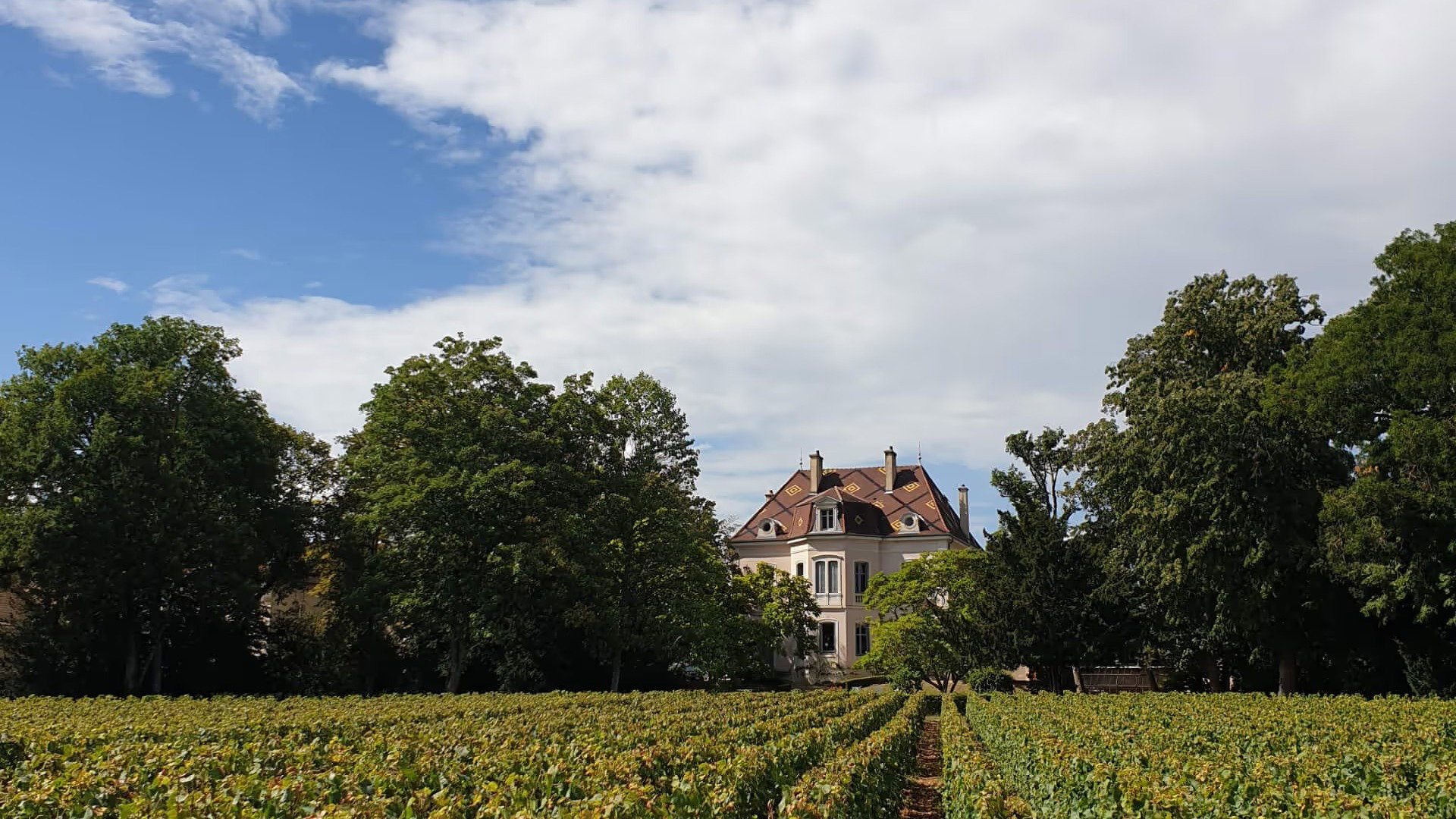
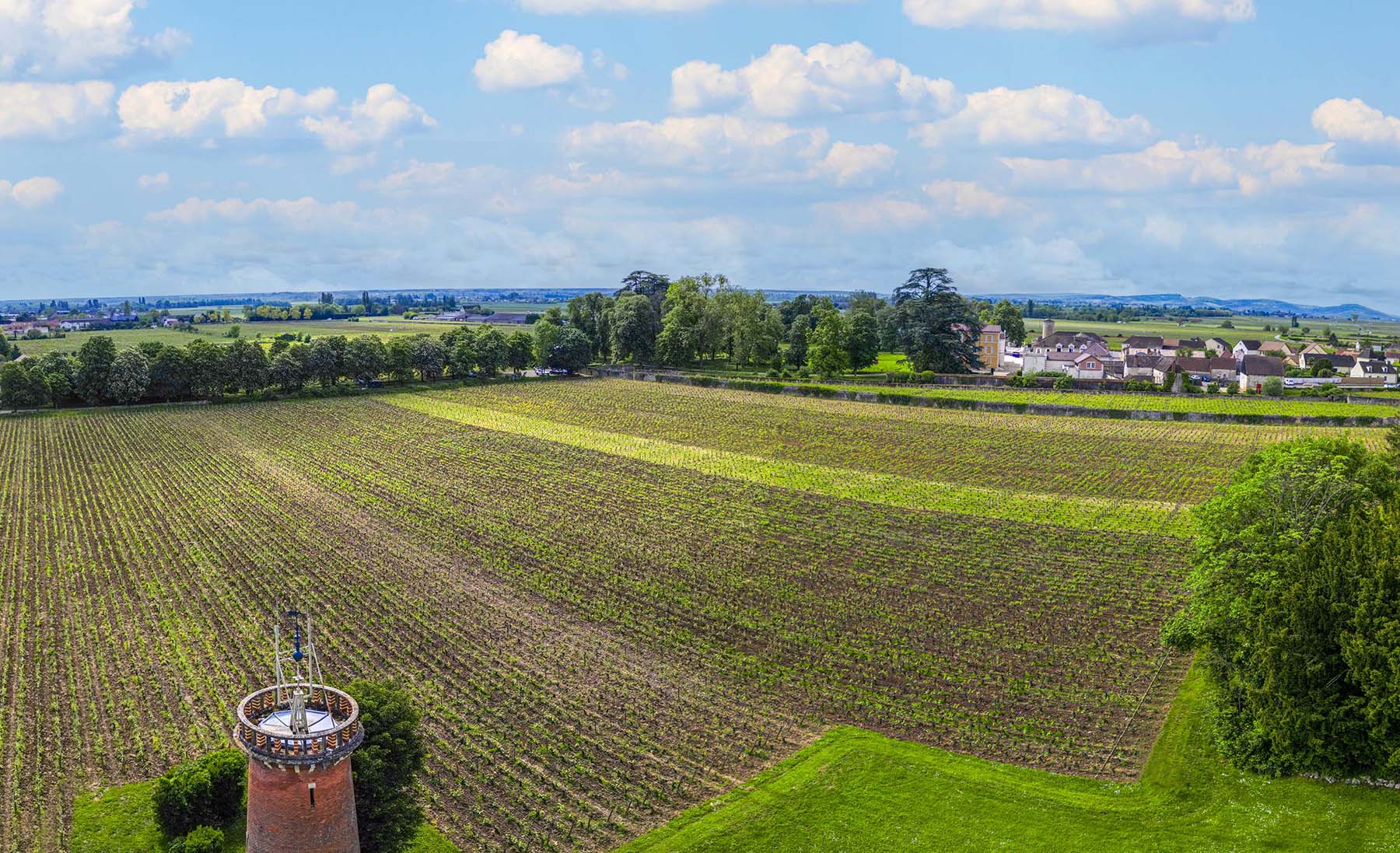
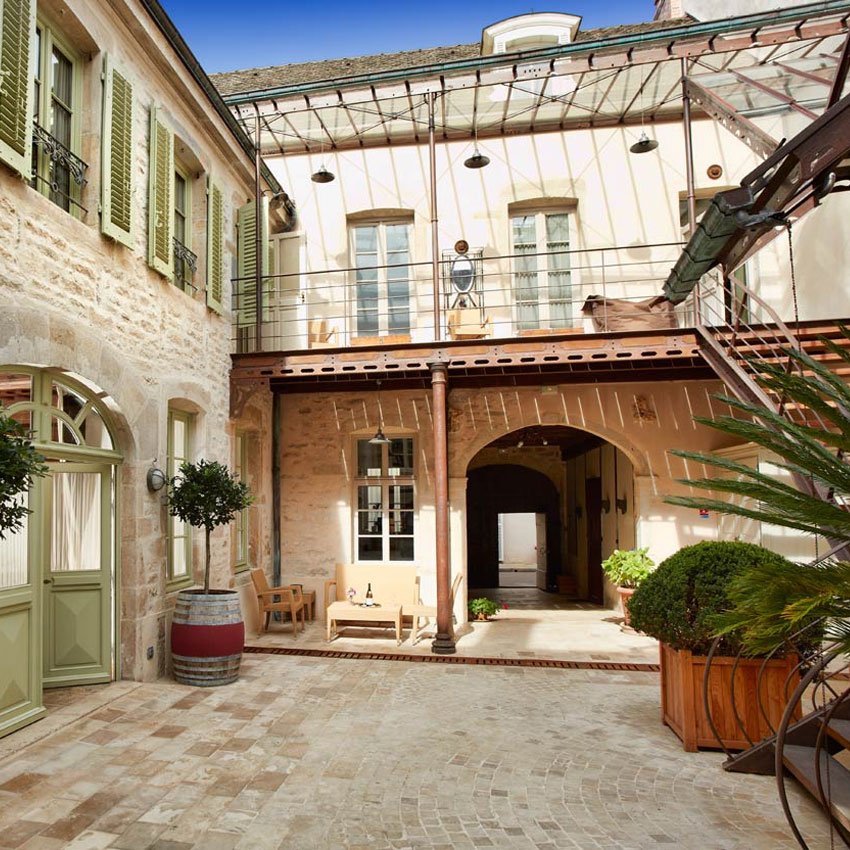
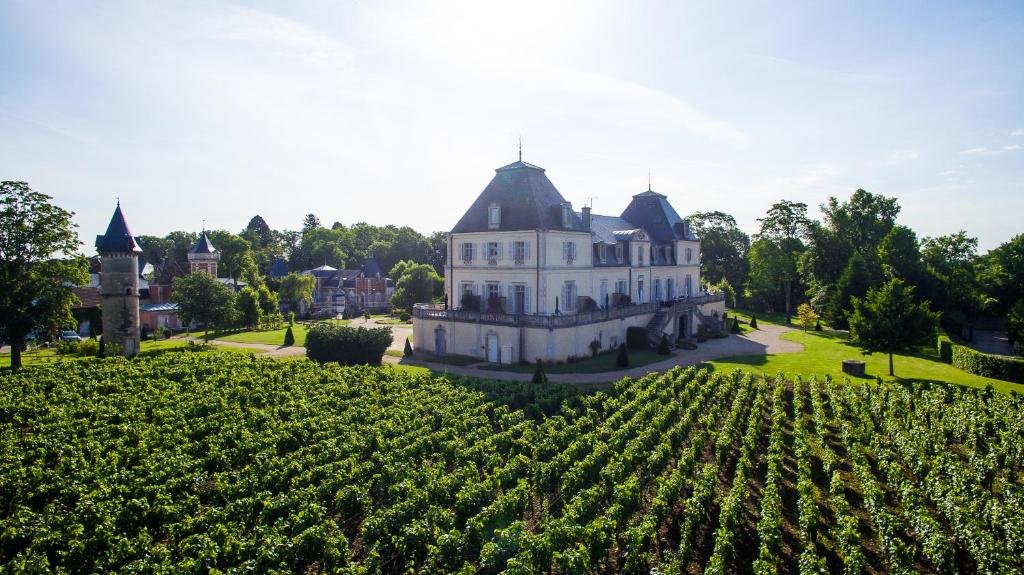
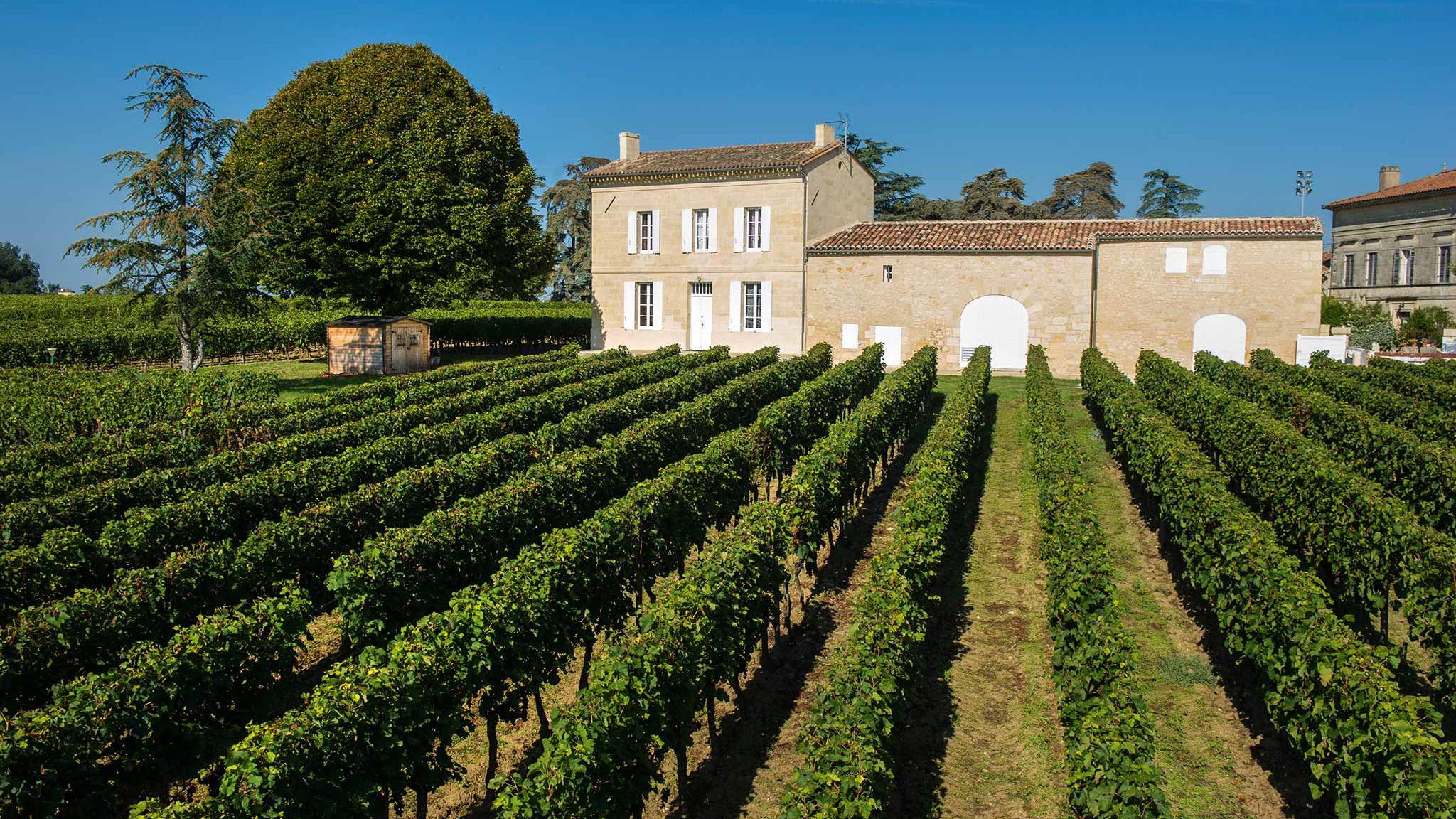
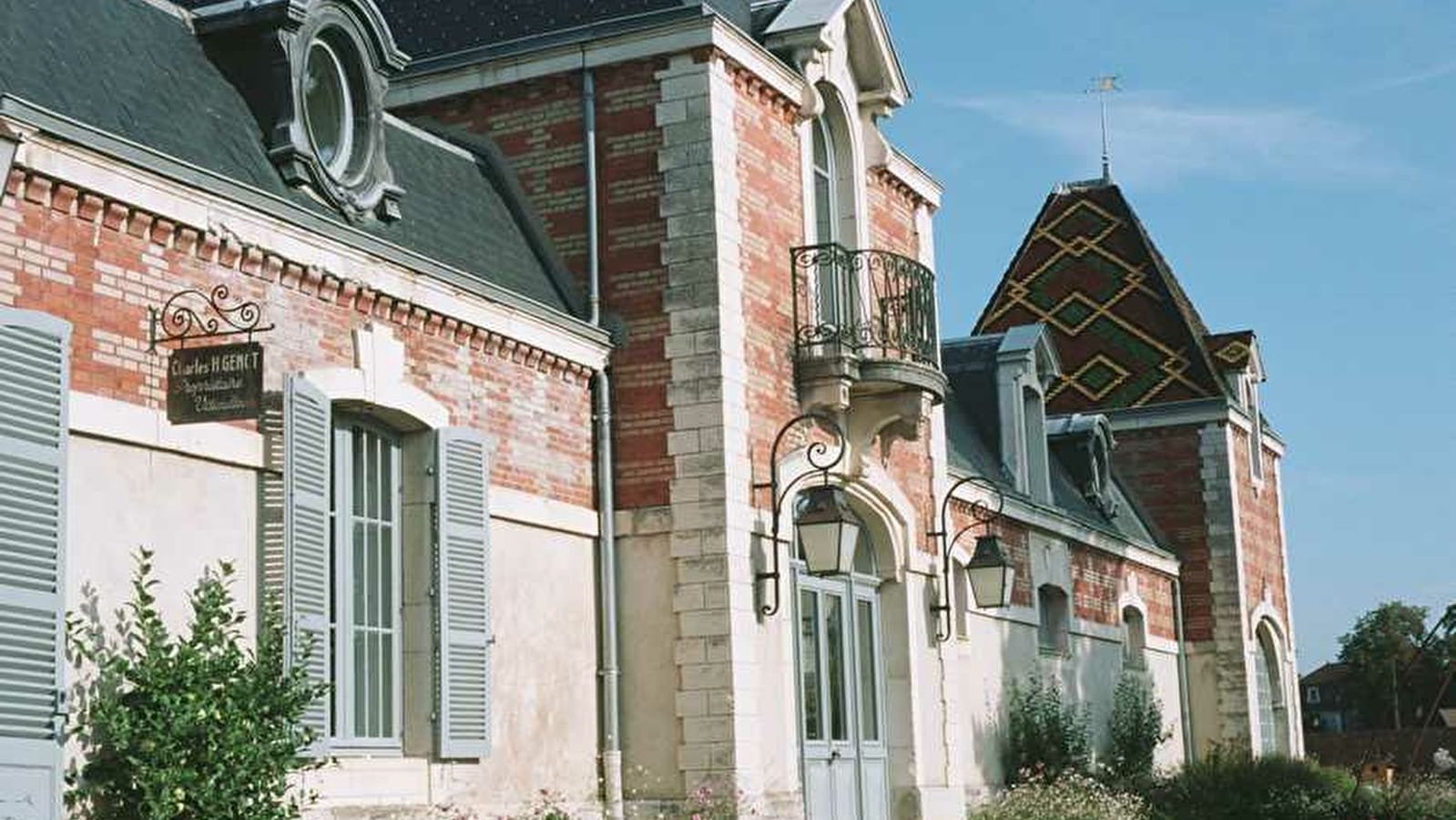
Domaine Génot-Boulanger reads like a piece of Meursault's layered history. The writing emphasizes limestone walls, Cistercian lineage and the tightly held village character that frames the domaine, so the feel is quietly historic and scenic rather than showy. This is a small-scale producer that operates within a collector-oriented ecosystem—allocations, family gates and a focus on place all point to an intimate, quietly charming cellar rather than a tourist-facing operation. Visits feel anchored in land and lineage: conversations center on parcels and soil, and the physical setting reinforces the sense of continuity that defines top-tier Meursault producers.
Best For
Génot-Boulanger is best for people who come for terroir, education and carefully parceled Burgundy rather than casual tasting. The description highlights village and Premier Cru Chardonnay, small allocations and a collector audience, so serious wine students, collectors and couples seeking a refined getaway will get the most from a visit. It's also well suited to special occasions where provenance and quiet dignity matter—appointments that reward time spent learning vineyard histories and the domaine's approach to its limestone-clay mosaics.
Tasting Tips
Because access is described as 'the primary currency,' plan ahead: book appointments and ask about availability of village and Premier Cru bottlings. Prioritize tasting wines from named parcels and note limited allocations; request information on recent vintages and parcel-specific bottles. When talking with the domaine, orient questions to terroir and vineyard practices—this estate frames its identity in soils and hillside expression, so expect conversation about limestone, clay and site-level differences. If you're a collector, confirm allocation procedures before you arrive.
Venue details
Ambiance
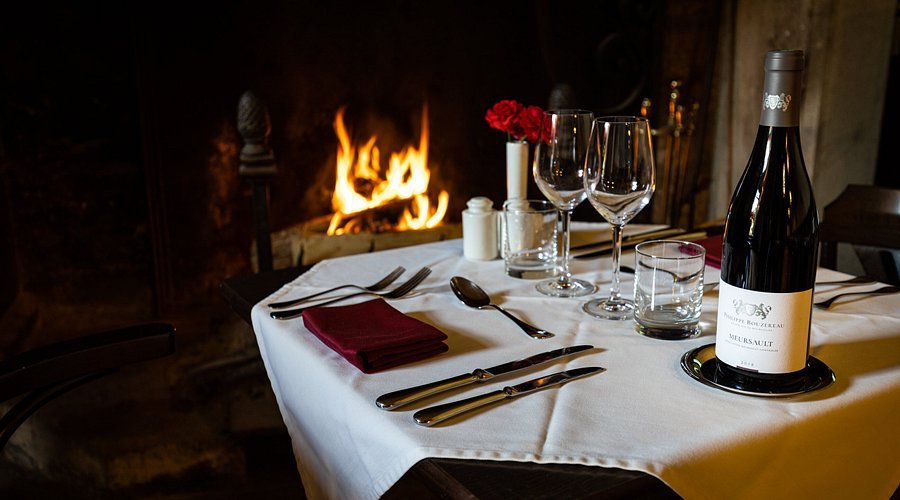
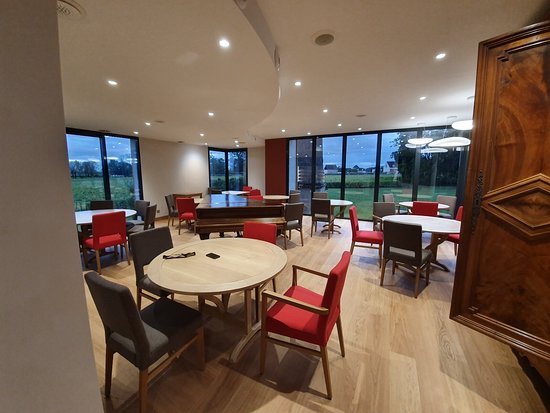
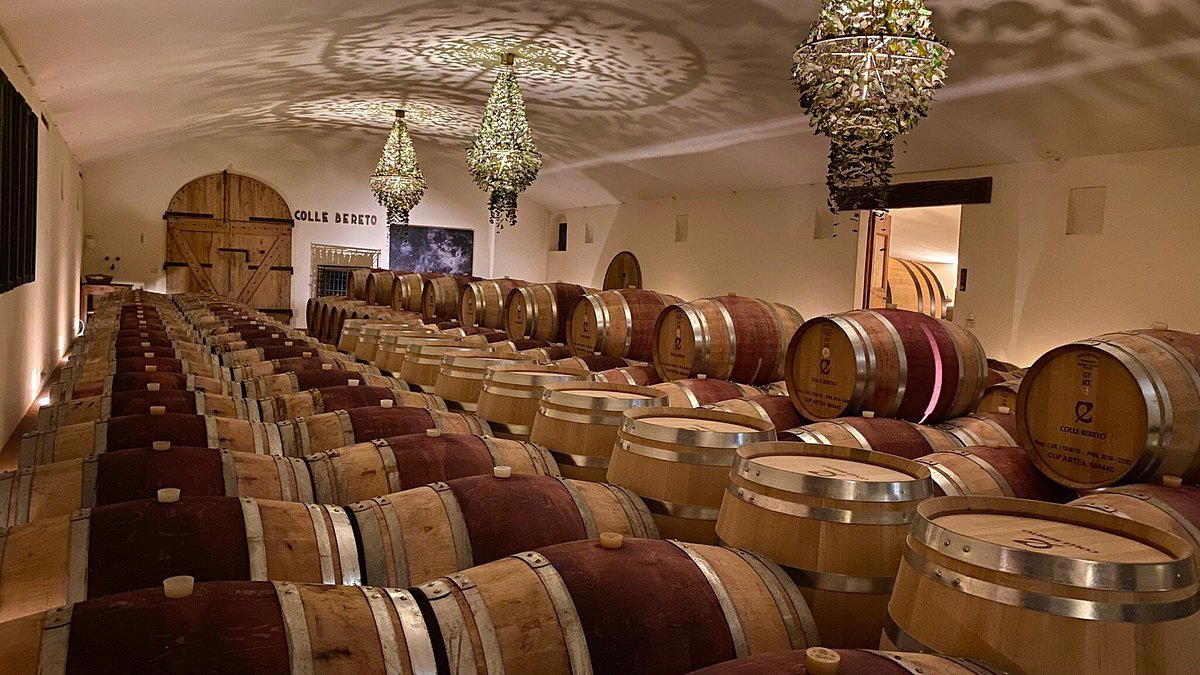
Traditional Burgundian winery with a newly renovated tasting room designed for optimal wine appreciation, set within historic vineyard grounds spanning from Chambolle-Musigny to Mercurey.
Tags
Vibe
Best For
Experience
Sourcing
View
At the Vineyard
- Appellation
- Meursault AOC, Côte de Beaune
- Varietals
- Chardonnay, Pinot Noir
- Tour Duration
- 90-120 minutes
- Tour Languages
- French, English
- Visits
- By appointment only
- Farming
- Organic
- Wine Styles
- Still Red, Still White
- Shipping
- Available
- Wine Club
- Available
Know before you go
Know Before You Go
- Getting there
- 25 Rue de Cîteaux, 21190 Meursault
Planning details
Location
Recognition and awards

Also consider
Also Consider
- Domaine Roulot, Notable alternative
- Domaine Fabien Coche, Notable alternative
- Domaine Jacques Prieur, Notable alternative
- Domaine des Comtes Lafon, Notable alternative
- Domaine Pierre Matrot - Thierry et Pascale Matrot, Notable alternative
Winery context
How It Compares
Against Domaine Roulot and Domaine des Comtes Lafon, Domaine Génot-Boulanger is the more pragmatic target for travelers who want serious Meursault context without making the whole trip hinge on the hardest names. Roulot and Comtes Lafon carry heavier collector gravity, so they make sense for buyers chasing benchmark prestige; this is a better fit when the goal is a focused Burgundy itinerary with less status-chasing and more producer comparison.
Domaine Fabien Coche and Domaine Pierre Matrot - Thierry et Pascale Matrot are the more natural cross-shops for value-minded Meursault planning. Choose them when the priority is a broader village read and a potentially easier backup structure. Keep Domaine Génot-Boulanger in the mix when the visit is allocation-led and the reader cares more about depth than a polished visitor setup.
Domaine Jacques Prieur is the better comparison for travelers who want a more established, potentially more formal Burgundy address. Domaine Génot-Boulanger is the sharper choice for explorers who prefer a narrower producer lens and are comfortable with difficult access. For ambiance, expect the decision to be less about spectacle and more about whether the wine target justifies the planning effort.
Explore Meursault
Around this place
Discover more on Pearl
Unlock the full Domaine Génot-Boulanger guide in Pearl, including awards, comparisons, FAQs, planning details, and nearby places.
Compare Domaine Génot-Boulanger
| Venue | Location | Awards |
|---|---|---|
| Domaine Génot-Boulanger | Meursault | 2026 Falstaff Winery Guide |
| Domaine Roulot | Meursault | 2026 Falstaff Winery Guide2026 Michelin 1 Grape - Burgundy2025 Pearl 5 Star Prestige |
| Domaine Fabien Coche | Meursault | 2026 Falstaff Winery Guide |
| Domaine Jacques Prieur | Meursault | 2026 Falstaff Winery Guide2025 Pearl 3 Star Prestige |
| Domaine des Comtes Lafon | Meursault | 2026 Michelin 2 Grapes - Burgundy2026 Falstaff Winery Guide2025 Pearl 5 Star Prestige |
| Domaine Pierre Matrot - Thierry et Pascale Matrot | Meursault | 2026 Falstaff Winery Guide |



How Domaine Génot-Boulanger Meursault compares with similar nearby venues.
FAQ
Frequently Asked Questions
Do I need a reservation at Domaine Génot-Boulanger?
When is the best time to visit Domaine Génot-Boulanger?
Choose a time only after confirming current opening times and availability directly with the venue.
Can Domaine Génot-Boulanger handle large groups?
Contact Domaine Génot-Boulanger directly before assuming it can accommodate a larger party in Meursault.