

Weingut Maximin Grünhaus
Mertesdorf
Winery in Mertesdorf, Germany
 Book with Pearl
The Read
Monopole Ruwer Precision
Why go
A serious Riesling-focused stop in Mertesdorf for collectors and special-occasion wine travelers, not a casual tasting-room fallback. Prioritize it when the bottles and Ruwer context are the reason for the trip; choose an easier nearby winery if the group needs simpler logistics or broader visitor appeal.
About Weingut Maximin Grünhaus
Is Weingut Maximin Grünhaus worth visiting? It can be, but the decision should be based on the few details that are rather than on assumptions about tastings, menus, shipping, opening hours, or visitor services. The confirmed profile is concise and should be read carefully: Weingut Maximin Grünhaus is in Mertesdorf, has a smart-casual dress code, is recognized with Pearl 2 Star Prestige in 2025. Those facts give the venue a clear place in a considered travel plan, but they do not, on their own, describe the full visitor experience.
That makes it a Mertesdorf venue to consider for a planned itinerary, especially if you are comparing it with other recognized destinations. The appeal, based on what is confirmed, is strongest for travelers who are already shaping a regional route and want to include a recognized stop without overextending the schedule. What is not here is just as important: no specific tasting format, bottle selection, service schedule, price, shipping policy, or reservation process is confirmed in the available data. Treat the visit as something to verify directly before building a day around it, particularly if the stop would anchor your plans rather than simply complement them.
Plan it from confirmed details
The safest approach is to plan around Mertesdorf and confirm practical arrangements with the venue before arrival. Because hours, visit length, booking requirements, on-site services are not here, avoid assuming that a casual drop-in, guided tasting, purchase appointment, or shipment arrangement will be available. This is less about lowering expectations and more about keeping the itinerary accurate: a recognized venue can still require direct confirmation, details should not be treated as implied amenities.
The dress code is smart casual, so the venue works best as a polished stop rather than an informal errand. In practical terms, that means planning the visit with a degree of care, especially if it sits alongside other appointments or meals in the same day. If you are planning a special occasion, a client itinerary, or a broader regional day, leave flexibility around the visit until the practical details are confirmed. A little extra space in the schedule can be useful when the available information confirms the venue's location and recognition, but not the rhythm or structure of the visit itself.
How to compare it
Use the confirmed Pearl 2 Star Prestige recognition as the main reason to place Weingut Maximin Grünhaus on a premium shortlist. That recognition is the clearest quality signal available in the current information, it is the most reliable basis for comparison. For comparison, consider other named venues such as Weingut Carl Loewen, Weingut Grans-Fassian, Weingut Nik Weis – St. Urbans-Hof, Weingut Reichsgraf von Kesselstatt, Weingut Von Hövel. These are useful reference points when deciding how to organize a regional trip, without assuming that each offers the same access, schedule, or visitor format. The comparison should therefore be about itinerary fit and confirmed standing, not about presumed similarities in service.
The practical verdict: prioritize Weingut Maximin Grünhaus if a Mertesdorf stop with confirmed Pearl 2 Star Prestige recognition fits your itinerary. It is most compelling when you value the recognition and the location already works within your route. If your plans depend on specific hours, pricing, shipping, tastings, or visit duration, confirm those details before committing. In other words, let the facts put it on the list, then let direct confirmation decide whether it becomes a firm stop.
Planning details
- Location
- Maximin Grünhaus 1, 54318 Mertesdorf
- Website
- maximingruenhaus.de
- Phone
- +49 651 5111
The take
The Take
The Vibe
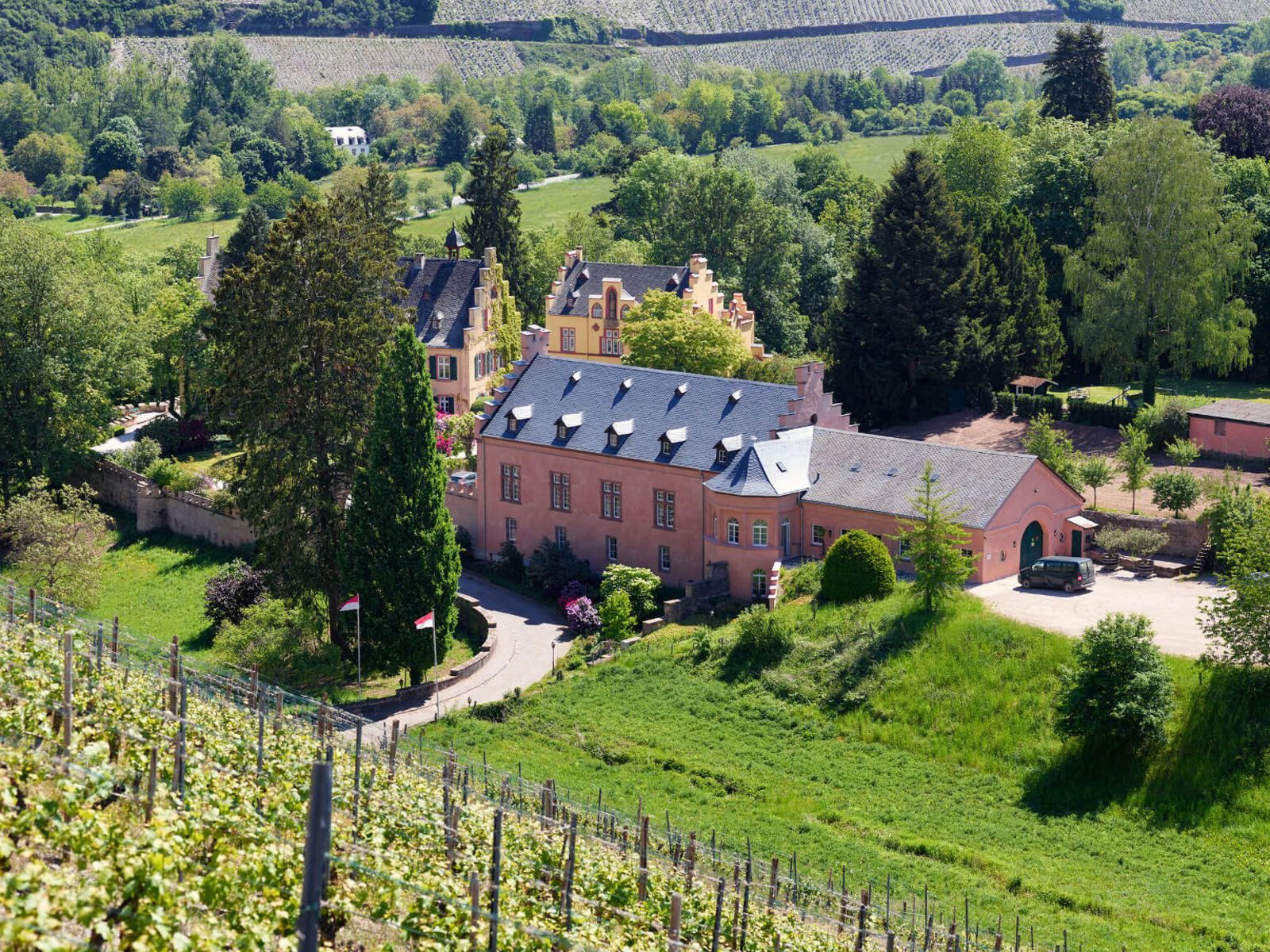
Weingut Maximin Grünhaus sits within the hushed Ruwer valley and feels historically rooted and contemplative. The estate occupies vineyard land that adjoins an old monastery compound, and the prose emphasizes a quieter, more restrained landscape than the busier Mosel. That stillness translates into wines that are cool, mineral, and precise — the setting supports focused tasting rather than spectacle. Visitors encounter a sober, study-like atmosphere where the geology and microclimates are front and center, and the overall tone is one of calm, measured refinement rather than overt showmanship.
Best For
This estate is best for visitors who want to learn — collectors, students of terroir, and anyone seeking a thoughtful tasting experience. The write-up frames Grünhaus as a case study in incremental differences across three classified sites, so it rewards deliberate comparison and attention to detail. It also suits quieter special-occasion visits when a guest wants to bring home or cellar wines that demonstrate the Ruwer’s cooler, high-acidity profile. Solo explorers who appreciate methodical tasting and clarity of minerality will find the estate particularly rewarding.
Tasting Tips
Plan tastings around the estate’s three classified sites: Abtsberg, Herrenberg and Bruderberg. The description highlights their differing elevation, aspect and slate, so request comparative pours to hear how microclimate and soil depth shift acidity and mineral character. Ask for older vintages if available to see how the wines resolve from austere youth into greater complexity. Focus on Riesling expressions that showcase the blue‑grey Grünhaus slate and higher natural acidity — those bottles best tell the story the narrative emphasizes.
Venue details
Ambiance
Refined historic castle atmosphere with heritage windows, brass details, old fireplace, modern vinothek featuring oak table and movable wooden elements, offering a sensitive blend of tradition and modernity.
Tags
Vibe
Best For
Experience
Sourcing
View
At the Vineyard
- Appellation
- Ruwer (Mosel)
- Varietals
- Riesling, Pinot Blanc, Pinot Noir
- Tour Duration
- 60-90 minutes
- Wine Club
- Available
Planning details
Location
Also consider
Also Consider
- Weingut Reichsgraf von Kesselstatt, Notable alternative
- Weingut Nik Weis – St. Urbans-Hof, Notable alternative
- Weingut Carl Loewen, Notable alternative
- Weingut Grans-Fassian, Notable alternative
- Weingut Von Hövel, Notable alternative
Winery context
How it compares with nearby winery options
Choose Weingut Maximin Grünhaus when the priority is a serious Riesling-led visit with collector appeal. Weingut Reichsgraf von Kesselstatt is the more useful cross-shop for travelers who want another historic German name in the same itinerary, while Weingut Nik Weis – St. Urbans-Hof is a strong alternative if the group wants a Mosel-focused visit that may be easier to position within a wider day of tasting.
For value-sensitive buyers, compare bottle priorities before committing the schedule. Weingut Carl Loewen and Weingut Grans-Fassian make sense for readers who want another serious Riesling address without putting the whole trip around one estate. If the occasion is a collector weekend, keep Maximin Grünhaus as the anchor and use one of those as the second appointment.
Weingut Von Hövel is the practical backup to consider when availability is the deciding factor. The short version: book Maximin Grünhaus for prestige and bottle focus; cross-shop Von Hövel, Carl Loewen, or Grans-Fassian when the group needs more scheduling flexibility or a less single-minded Riesling pilgrimage.
Explore Mertesdorf
Around this place
Discover more on Pearl
Unlock the full Weingut Maximin Grünhaus guide in Pearl, including awards, comparisons, FAQs, planning details, and nearby places.
Compare Weingut Maximin Grünhaus
| Venue | Location | Awards |
|---|---|---|
| Weingut Maximin Grünhaus | Mertesdorf | No published awards |
| Weingut Reichsgraf von Kesselstatt | Trier | No published awards |
| Weingut Nik Weis – St. Urbans-Hof | Leiwen | No published awards |
| Weingut Carl Loewen | Leiwen | No published awards |
| Weingut Grans-Fassian | Leiwen | No published awards |
| Weingut Von Hövel | Konz-Oberemmel | No published awards |
How Weingut Maximin Grünhaus compares with similar nearby venues.
FAQ
Frequently Asked Questions
Does Weingut Maximin Grünhaus ship wine?
Shipping information is not here. If shipment or carry-home arrangements matter to your visit, confirm the details directly with Weingut Maximin Grünhaus before planning a purchase.
Do I need a reservation at Weingut Maximin Grünhaus?
Reservation requirements are not here. Because no confirmed hours or booking process are provided, it is best to check directly before visiting Weingut Maximin Grünhaus in Mertesdorf.
What other venues can I compare with Weingut Maximin Grünhaus?
Useful comparison venues include Weingut Reichsgraf von Kesselstatt, Weingut Nik Weis – St. Urbans-Hof, Weingut Carl Loewen, Weingut Grans-Fassian, Weingut Von Hövel.
Is the wine club at Weingut Maximin Grünhaus worth joining?
A wine club offering is not here. If membership, allocation access, or recurring purchases are important to you, confirm whether such an option exists directly with Weingut Maximin Grünhaus.
How long should I plan for a visit to Weingut Maximin Grünhaus?
No visit duration is available here. Plan flexibly, confirm arrangements in advance, remember that the confirmed location information is simply Mertesdorf.