
Winery in Mautern an der Donau, Austria
Weingut Hutter Distillery
500ptsDanube-Corridor Estate Distillation
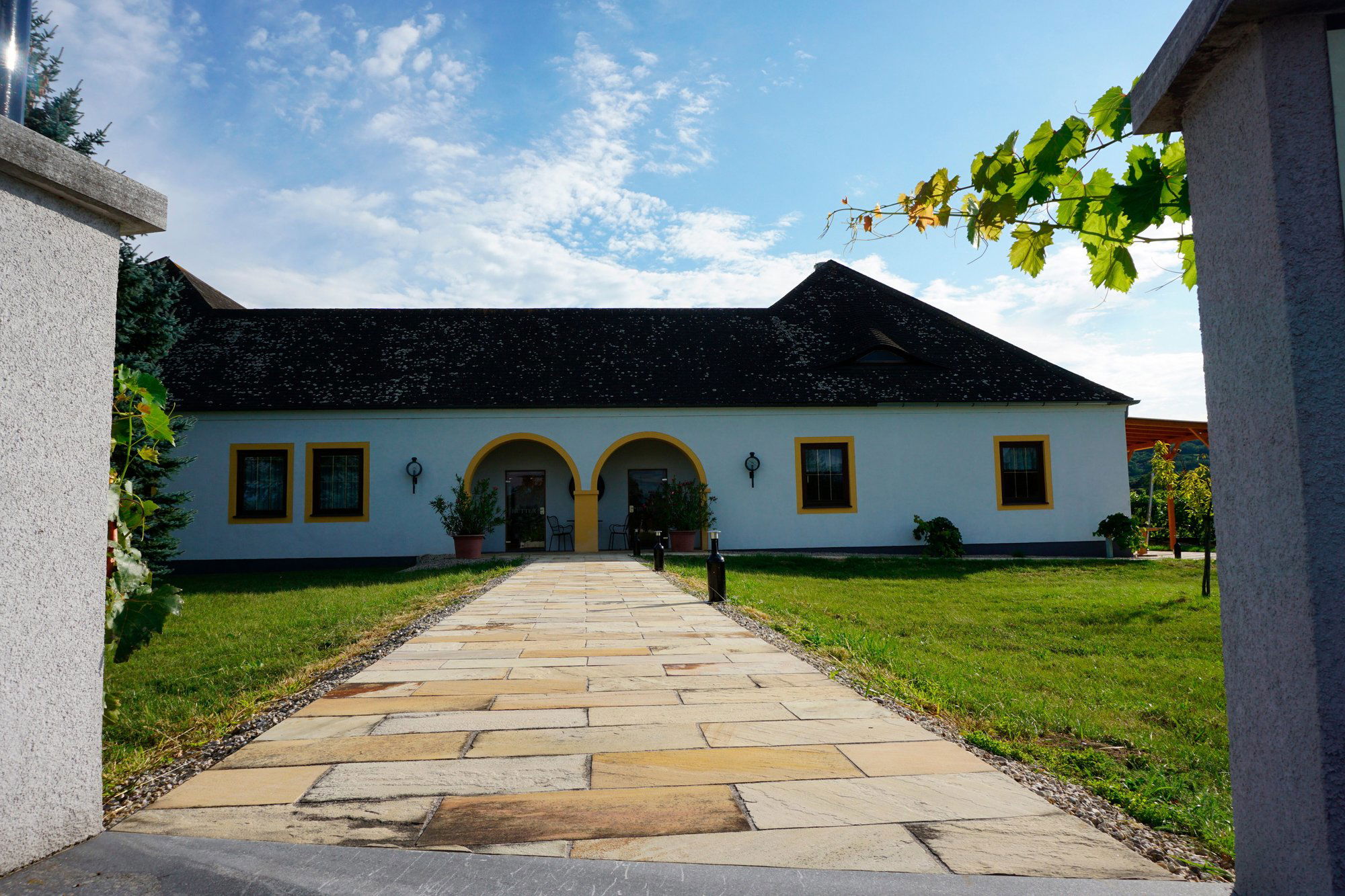
About Weingut Hutter Distillery
Weingut Hutter Distillery operates from Mautern an der Donau, a small town on the southern bank of the Danube in Austria's Wachau-adjacent Kremstal zone. Recognised with a Pearl 2 Star Prestige award in 2025, the operation sits within a regional tradition that treats distillation as a natural extension of the vineyard calendar. Visitors approaching from the Krems direction arrive via St. Pöltner Strasse into a district where winemaking and spirits production share common agricultural ground.
Mautern an der Donau and the Danube's Southern Bank
The town of Mautern an der Donau occupies the southern bank of the Danube directly across from Krems, and the approach from the St. Pöltner Strasse corridor tells you something important about how production culture works here. This is not a showroom district engineered for tourism: the address at St. Pöltner Str. 385 sits within an agricultural and light-industrial stretch where working estates and distillery operations exist alongside each other without ceremony. The aesthetic is functional. What draws attention is what comes out of the still and the barrel, not the architecture framing it.
Austria's Wachau and Kremstal regions have long been framed through their wines, particularly Grüner Veltliner and Riesling grown on terraced vineyards above the Danube. But the distillation tradition running parallel to that viticulture is older and quieter. Fruit spirits, grape marc brandies, and gentian-based distillates have been produced in this stretch of Lower Austria for generations, often by the same families that manage the vines. Weingut Hutter Distillery sits within that continuum, in a town where the word Weingut in a name signals vineyard roots even when distillation has become a primary or equal focus. See our full Mautern an der Donau restaurants guide for broader context on the town's food and drink character.
Terroir Expression Through the Still
The editorial angle on Austrian distillation has shifted over the past decade. Where once the category was treated as a footnote to wine, it is now recognised as a distinct expression of the same terroir arguments that drive the wine conversation. The Danube corridor from Melk to Krems concentrates a set of microclimatic conditions, continental temperature swings, and loess and gneiss soil profiles that register differently in a distillate than they do in a fermented wine but register nonetheless. Fruit grown in this band, particularly apricots from the Wachau and pears from the Kremstal flatlands, carries a mineral sharpness and aromatic concentration that producers in other Austrian regions cannot replicate from their own raw material.
This is the argument that serious Austrian distillers make, and it is a credible one. The Wachau apricot, the Marille, has protected geographical status and a flavour profile shaped by the same steep, sun-facing slopes and dramatic diurnal temperature variation that define the region's leading Riesling sites. When a distillery draws on that fruit, it is drawing on a terroir argument as specific as any grand cru claim. Weingut Hutter Distillery, operating from the Mautern side of the Danube, works within that terroir framework rather than outside it. The 2025 Pearl 2 Star Prestige recognition signals that the output reaches a level of quality that places it within the considered tier of Austrian craft spirits, alongside operations that take ingredient provenance and distillation discipline seriously.
How Austrian Distillery Awards Work
The Pearl Prestige award system evaluates Austrian spirits producers across a range of categories, with the 2 Star tier representing a meaningful threshold above entry-level recognition. Within the competitive context of Austrian craft distillation, which has expanded considerably since the early 2000s, a 2 Star Prestige result in 2025 positions Weingut Hutter Distillery within the upper-mid tier of evaluated producers nationally. For reference, other Austrian operations recognised at various levels within this broader scene include Weingut Scheiblhofer Distillery in Andau and 1310 Spirit of the Country Distillery in Sierning, both operating within different regional terroir frameworks. The comparison is useful: Austrian distillation is now geographically diversified enough that the Danube corridor does not hold a monopoly on quality, but it does hold a specific terroir identity that the leading Wachau and Kremstal producers articulate distinctly.
The distillery's Weingut identity also connects it to a peer set that includes some of the Wachau and Kremstal's most closely watched wine estates. Weingut Emmerich Knoll in Dürnstein and Weingut Bründlmayer in Langenlois represent the wine side of what the wider region produces at high levels. Hutter's distillery designation places it in a different but related conversation, one about what the same agricultural zone produces when fermentation gives way to distillation.
The Austrian Craft Distillery Tier in Context
Austria's craft spirits sector has grown in sophistication faster than most observers expected. The country had a long tradition of farmhouse distillation, but the shift from rough agricultural spirits to considered, site-specific production happened primarily in the 2000s and 2010s, driven by a combination of improved equipment access, international spirits competition culture, and a wine-educated consumer base that brought terroir expectations to the spirits glass. Operations like A. Batch Distillery in Bergheim and Abfindungsbrennerei Franz in Leithaprodersdorf illustrate how varied the production contexts are across the country, from urban-adjacent craft operations to rural farm distilleries with deep roots in subsistence-era Abfindungsbrennerei licensing. Weingut Hutter Distillery belongs to the vineyard-rooted strand of this sector, where the distillery is not a standalone project but an extension of an agricultural estate whose primary identity is viticultural.
That vineyard-rooted model is worth understanding as a category. It tends to produce distilleries whose raw material sourcing is more controlled and site-specific than pure craft spirit startups, because the vineyard relationship already exists. It also tends to produce operations with smaller runs and less marketing infrastructure, which means recognition through award programs like Pearl Prestige carries more weight as a discovery signal. When a production operation of this type earns a 2 Star Prestige result, it is typically because the distillate itself has achieved a level of refinement that peer evaluators recognise, not because a distribution network has generated visibility.
Planning a Visit to Mautern an der Donau
Mautern an der Donau is most easily reached from Krems an der Donau, which sits directly across the Danube and has rail connections on the Franz-Josefs-Bahn from Vienna. The drive from Vienna takes approximately 75 minutes via the A1 and then the B35 or B33 riverside road. The Wachau itself begins just west of Krems, and a visit to Hutter can be combined with exploration of the wine estates on both banks of the river. The distillery address on St. Pöltner Strasse is on the eastern approach to Mautern, which makes it a logical first or last stop when coming from or returning toward the capital.
As with most Austrian estate distilleries operating at this production scale, direct contact before visiting is recommended. Phone and website details are not publicly listed in current records, so reaching the estate through local tourism networks or through Mautern's visitor infrastructure is the practical path. The town is small enough that local knowledge about opening arrangements and tasting availability is generally accessible through the Krems regional tourism office. Visitors making a Wachau circuit should also note that estates like Weingut Kracher in Illmitz and Weingut Wohlmuth in Kitzeck are further afield but within a broader Austrian wine and spirits itinerary.
The broader regional context for tasting visits in this part of Austria skews toward autumn, when harvest activity makes estates most animated and the distillation season for fruit spirits is either beginning or freshly completed. The period from late September through November concentrates the most production activity in Kremstal and Wachau estates, and the landscape along the Danube during that window carries a clarity and coolness that matches the character of the spirits being produced.
Where Weingut Hutter Distillery Sits in the Peer Set
The category it occupies, a Danube-corridor estate distillery with vineyard roots and a 2025 Pearl 2 Star Prestige award, is specific enough to give it a defined position in the Austrian spirits conversation. It is not a boutique urban operation chasing cocktail bar listings, nor is it a volume producer working the export channel. It sits in the productive middle of the Austrian craft distillery tier, in a region whose terroir credentials are well established and whose agricultural identity long precedes the current international interest in craft spirits. For readers building an Austrian spirits itinerary, Weingut Hutter Distillery is one of several Danube-valley operations worth knowing alongside Weingut Pittnauer in Gols, Weingut Heinrich Hartl in Oberwaltersdorf, and the urban context provided by 1516 Brewing Company Distillery in Vienna and 1404 Manufacturing Distillery in Sankt Peter-Freienstein. Also worth comparing internationally: Aberlour in Aberlour and Accendo Cellars in St. Helena represent different national traditions of terroir-led production at the prestige tier, useful reference points for understanding where Austrian estate distillation sits in a global frame.
Frequently Asked Questions
What's the vibe at Weingut Hutter Distillery?
Weingut Hutter Distillery operates in the working-estate mode common to smaller Austrian producers in the Danube corridor. The address on St. Pöltner Strasse in Mautern an der Donau is agricultural rather than visitor-facing, which sets expectations: this is a production environment, not a tasting room designed for drop-in tourism. The 2025 Pearl 2 Star Prestige recognition confirms the output is taken seriously at a national evaluation level, which tends to attract visitors with a specific interest in Austrian craft spirits rather than casual wine tourism. Price and capacity details are not currently available in public records, so direct contact through local tourism networks is the recommended approach before visiting.
What's the signature bottle at Weingut Hutter Distillery?
Specific bottle names and current release details are not available in the public record for this estate. What the winery's regional position implies is a production focus on fruit spirits and potentially grape-based distillates consistent with the Kremstal and Wachau agricultural tradition, where apricot, pear, and vine-marc distillation have deep roots. The 2025 Pearl 2 Star Prestige award, the formal credential on record, is awarded on the basis of evaluated spirit quality, which indicates the core production reaches a standard recognised by the Austrian spirits awards circuit. For confirmed bottle information and current availability, direct contact with the estate is the only reliable path.
Related editorial
- Best Fine Dining Restaurants in ParisFrom three-Michelin-star icons to the next generation of Parisian chefs pushing boundaries, these are the restaurants that define fine dining in the world's culinary capital.
- Best Luxury Hotels in RomeFrom rooftop terraces overlooking ancient ruins to Michelin-starred hotel dining, these are the luxury hotels that make Rome unforgettable.
- Best Cocktail Bars in KyotoFrom sleek lounges to hidden speakeasies, Kyoto's cocktail scene blends Japanese precision with global influence in ways you won't find anywhere else.
Save or rate Weingut Hutter Distillery on Pearl
Keep this venue in your Pearl passport, rate it after you visit, and track it alongside every other place you collect.