

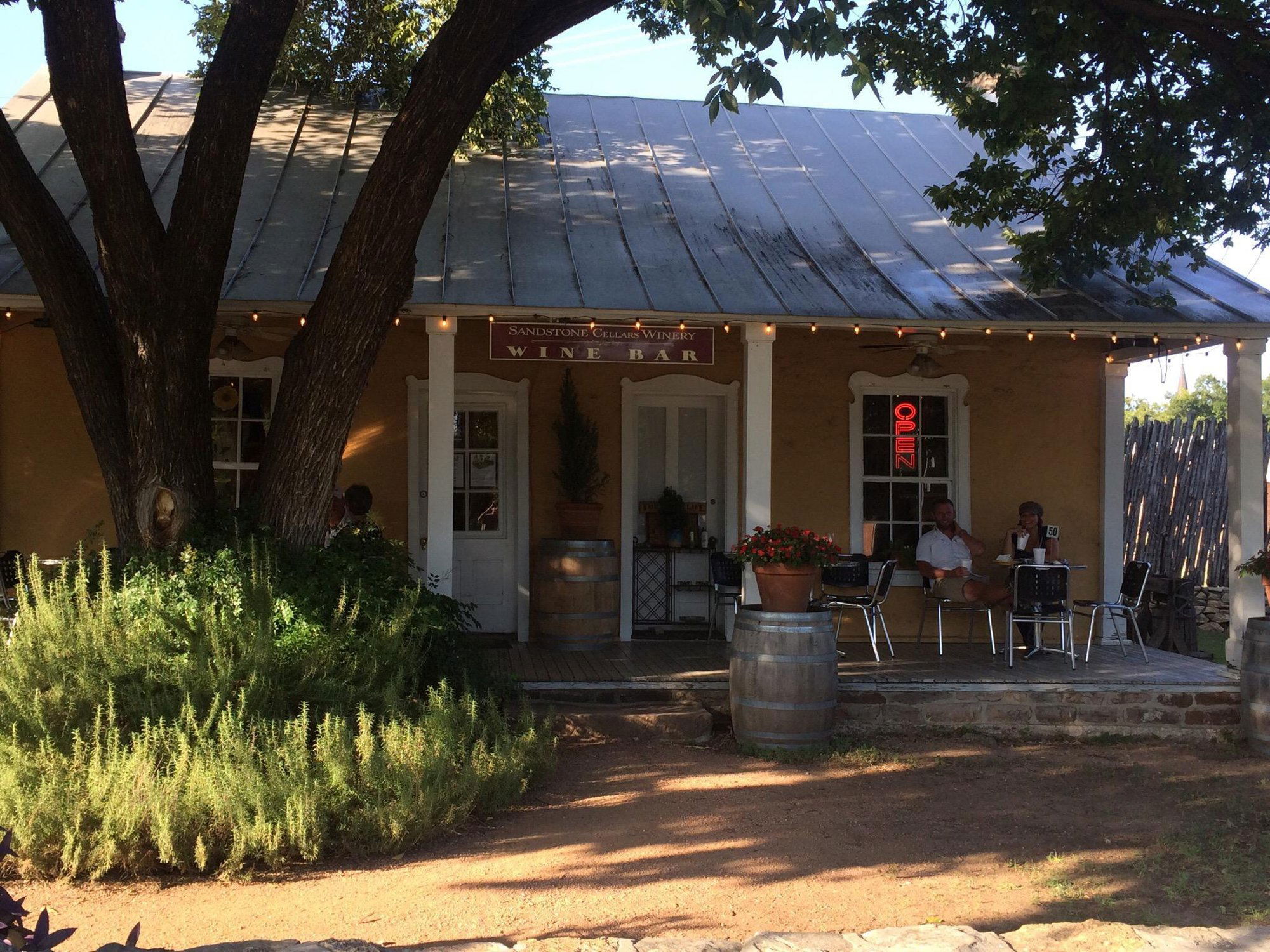
Sandstone Cellars Winery
downtown Mason, Mason
Winery in Mason, United States
 Book with Pearl
The Read
Llano Uplift Terroir
Why go
Prioritize Sandstone Cellars Winery if the goal is a focused Mason wine stop with a credible quality signal rather than a big hospitality checklist. The Pearl 2 Star Prestige recognition for 2025 makes it worth planning around, but groups and detail-driven planners should confirm logistics before committing.
About Sandstone Cellars Winery
Sandstone Cellars Winery is a Mason venue with a casual dress code and a Pearl 2 Star Prestige recognition for 2025. It is a strong option to keep on the shortlist for travelers planning a Mason stop, with practical details best confirmed directly before making a tightly timed plan.
For travelers building a Mason stop, the clearest reason to keep Sandstone Cellars Winery on the shortlist is that recognition. It supports considering the venue seriously, while still leaving practical details to confirm directly before making a tightly timed plan.
Why it makes sense as a Mason wine anchor
Use Sandstone Cellars Winery as a Mason-focused option when you want a winery with a Pearl 2 Star Prestige distinction and a casual dress expectation. Avoid assuming a particular menu, visit structure, group setup, or amenity list.
The safest planning approach is simple: treat Sandstone Cellars Winery as a priority to research for a Mason visit, then confirm current operating details through the venue before finalizing the day. If your plans depend on food, fixed timing, large-party logistics, shipping, or reservations, verify those details directly.
Who should consider it, and who should cross-shop
This is a good fit for travelers who are comfortable planning around a lean profile and who value a Pearl 2 Star Prestige recognition. It is a less certain fit for anyone who needs published details on format, pricing, capacity, food, or timing before committing.
If the plan expands beyond a single Mason stop, compare Sandstone Cellars Winery with Adega Vinho, Narrow Path Winery, Pontotoc Vineyard, Slate Mill Wine Collective, and War Trail Spirits. The verdict: keep Sandstone Cellars Winery on the Mason shortlist for its recognition, but confirm practical details before building a full itinerary around it.
Planning details
- Location
- 211 San Antonio St, Mason, TX 76856
- Website
- sandstonecellarswinery.com
- Phone
- +1 325-347-9463
The take
The Take
The Vibe
Sandstone Cellars presents an understated, small‑town expression of Texas winemaking that leans into geological character rather than tourist spectacle. The tasting presence in downtown Mason feels unhurried and quietly deliberate: a place where the surrounding cedar- and live-oak landscape, pink granite and limestone do most of the talking. The tone is modest and focused — not a flashy destination but a producer making a case through terroir and structure. Visitors encounter a measured, terroir-forward personality here, where concentration and mineral influence are the primary forms of hospitality.
Best For
This winery suits visitors who are curious about place-driven wines and the geology that shapes them. It is a good stop for wine‑focused explorations, solo study of regional expression, or small group outings with a bent toward learning rather than partying. Because the tasting room sits off the main Hill Country tourist corridors, the experience rewards guests looking for an off‑beat discovery and a clearer sense of how Mason County’s granitic and sandy soils push wines toward concentration and structure. It’s less about spectacle and more about regional identity.
Tasting Tips
When engaging with the staff, center the conversation on terroir: ask how Mason County’s pink granite and limestone influence the winery’s approach and what you should expect in terms of structure and minerality. The description emphasizes concentration and soil-driven character, so prioritize wines that highlight those traits or single-site expressions if available. Frame questions around differences within the Hill Country AVA — elevation, drainage and soil texture — to get clearer context for what distinguishes Sandstone’s bottlings from producers in heavier limestone-clay areas.
Venue details
Ambiance
Cozy and relaxing with comfortable indoor seating, shaded outdoor patio, and a welcoming, friendly atmosphere.
Tags
Vibe
Best For
Experience
At the Vineyard
- Varietals
- touriga, tempranillo, syrah, nebbiollo, primitivo
- Wine Club
- Not available
Know before you go
Know Before You Go
- Getting there
- 211 San Antonio St, Mason, TX 76856
Planning details
Location
Also consider
Also Consider
- War Trail Spirits, Notable alternative
- Pontotoc Vineyard, Notable alternative
- Adega Vinho, Notable alternative
- Narrow Path Winery, Notable alternative
- Slate Mill Wine Collective, Notable alternative
Winery context
How it compares in the Mason wine set
Choose Sandstone Cellars Winery when the priority is a Mason-centered wine stop with the strongest visible recognition signal in this set. Pontotoc Vineyard, Adega Vinho, Narrow Path Winery, and Slate Mill Wine Collective are better cross-shops if the itinerary is drifting beyond Mason and the group wants a broader Hill Country comparison.
For ambiance, Sandstone Cellars is the pick for a quieter, town-anchored visit rather than a larger wine-trail feel. If the group includes non-wine drinkers, War Trail Spirits is the more flexible alternative by category. If the decision is value for money, compare confirmed tasting fees and bottle pricing before choosing; no listed price tier here means the safer call is to judge it on fit, recognition, and convenience rather than assuming a bargain.
Booking difficulty is the main caution. Treat Sandstone Cellars as the least casual option in this group and have one backup ready. Pontotoc Vineyard or Narrow Path Winery make sense as alternates for travelers who want another wine-focused stop, while War Trail Spirits is the practical pivot when the day needs a different drinks format.
Explore Mason
Around this place
Discover more on Pearl
Unlock the full Sandstone Cellars Winery guide in Pearl, including awards, comparisons, FAQs, planning details, and nearby places.
Compare Sandstone Cellars Winery
| Venue | Location | Awards |
|---|---|---|
| Sandstone Cellars Winery | Mason | No published awards |
| War Trail Spirits | Llano | No published awards |
| Pontotoc Vineyard | Pontotoc | No published awards |
| Adega Vinho | Fredericksburg | No published awards |
| Narrow Path Winery | Fredericksburg | No published awards |
| Slate Mill Wine Collective | Fredericksburg | No published awards |
How Sandstone Cellars Winery Mason compares with similar nearby venues.
FAQ
Frequently Asked Questions
What other venues should I compare with Sandstone Cellars Winery?
If you want to cross-shop for a broader plan, compare Sandstone Cellars Winery with Narrow Path Winery, Slate Mill Wine Collective, and Pontotoc Vineyard. War Trail Spirits and Adega Vinho may also be useful references depending on the kind of stop you want.
Can Sandstone Cellars Winery handle large groups?
Group capacity is not listed for Sandstone Cellars Winery. If you are planning for a larger party, confirm directly with the venue before showing up in Mason.
Does Sandstone Cellars Winery serve food?
Sandstone Cellars Winery does not list a food program. If food matters to your plan, confirm directly with the venue and consider pairing the visit with other dining in Mason.
Are membership details confirmed for Sandstone Cellars Winery?
Membership details are not listed for Sandstone Cellars Winery. Consider any membership only after confirming the current terms directly and deciding whether they fit your plans.
When is the best time to visit Sandstone Cellars Winery?
Does Sandstone Cellars Winery ship wine?
Shipping details are not listed for Sandstone Cellars Winery. If shipping matters, ask the venue directly before relying on it.