
Vie di Romans
Mariano del Friuli
Winery in Mariano del Friuli, Italy
 Book with Pearl
The Read
Isonzo Terroir Precision
Why go
Vie di Romans is worth prioritizing for a focused Friuli wine visit, especially if a private or upgraded tasting is available. It is a better fit for returning wine travelers than casual groups, and it makes more sense as part of a Mariano del Friuli winery day than as a standalone detour.
About Vie di Romans
Vie di Romans is a venue in Mariano del Friuli with a smart casual dress code and Pearl 2 Star Prestige recognition for 2025. Before planning a visit, check current details such as menu, pricing, hours, visit format, and specific services directly with the venue.
If you are considering a visit, confirm the current format, availability, and any practical requirements directly with Vie di Romans before building the rest of the day around it.
Book this as a Mariano del Friuli stop only after confirming the details
Mariano del Friuli is the location for Vie di Romans. Your plans should depend on the details the venue confirms for your date. Visitors planning the wider area can pair a Vie di Romans stop with our full Mariano del Friuli restaurants guide or other local planning resources.
For most visitors, the key question is whether the available experience matches the trip. Ask directly about availability, timing, and any requirements before visiting. The dress code is smart casual, so plan accordingly unless the venue gives different guidance for a specific booking.
How to decide between Vie di Romans and other regional stops
If you are comparing Vie di Romans with Jermann or Livio Felluga, keep the decision practical: choose based on availability, location fit, and the kind of visit each venue is currently offering. If the broader itinerary includes Nonino Distillery or Domenis 1898, confirm those details separately as well rather than assuming a shared format across venues.
For a wider regional plan, Vie di Romans can be considered alongside Bastianich, Jermann, Livio Felluga, Nonino Distillery, and Domenis 1898. Other dining in Mariano del Friuli can be considered around the same schedule; check individual details before committing.
Quick reference: consider Vie di Romans for a Mariano del Friuli visit if the current details fit your plans; rely on direct confirmation for format, timing, services, and pricing.
Planning details
- Location
- Loc. Vie di Romans, 1, 34070 Mariano del Friuli GO
- Website
- viediromans.it
- Phone
- +39 0481 69600
The take
The Take
The Vibe
Vie di Romans reads like a study in purposeful winemaking: the copy positions the estate as a place that foregrounds geological specificity and technical rigor. The tone of the description is measured and authoritative, pointing to an estate whose identity is built on a sustained terroir argument and peer recognition (a Pearl 2 Star Prestige rating). Visitors can expect a composed, sophisticated atmosphere where the emphasis is on clarity of site expression rather than flash. The experience is wine-first and cerebral, appealing to guests who appreciate precision and the story of place.
Best For
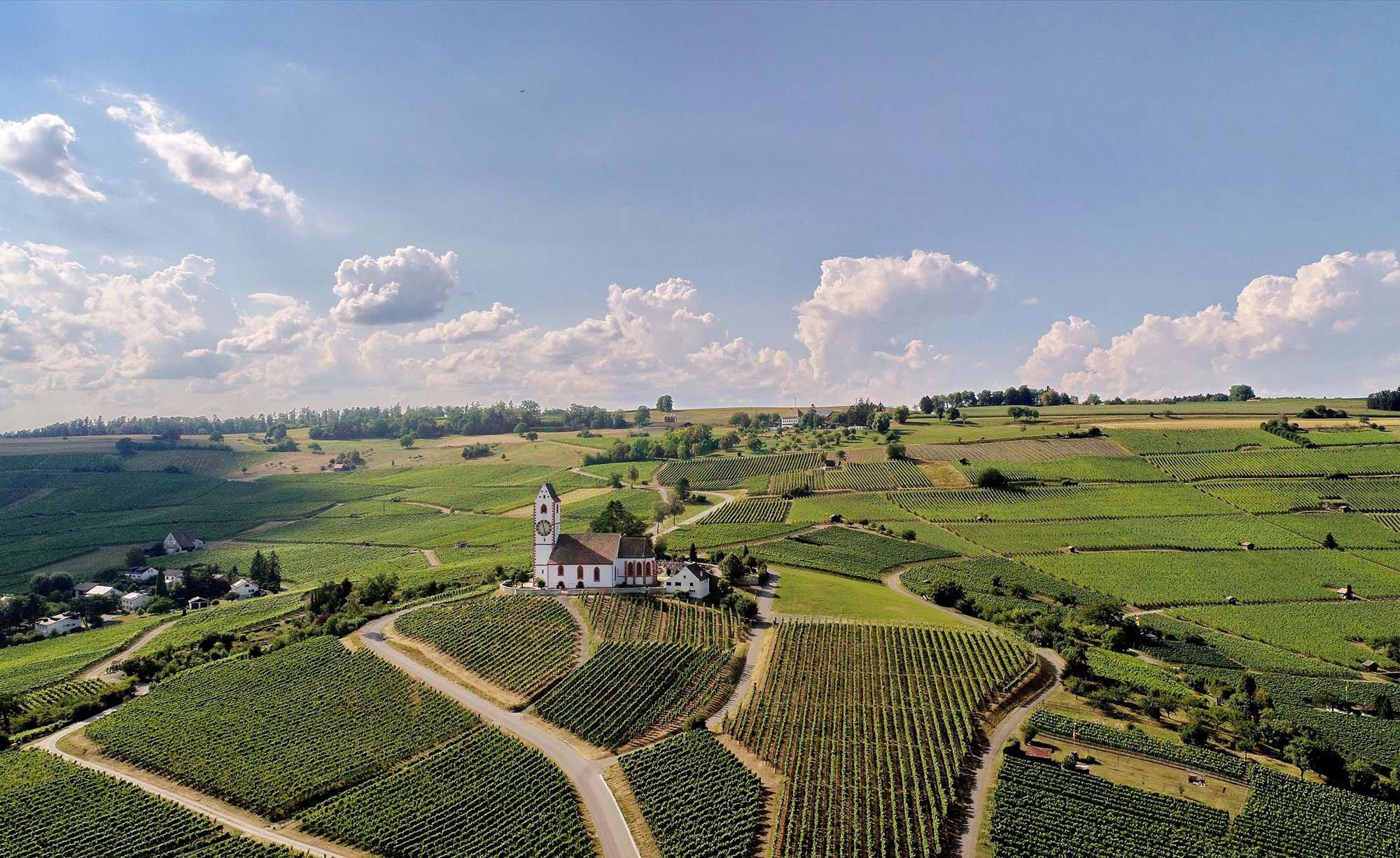
This estate is best suited to visitors seeking an education-first winery visit and to anyone marking a wine-focused special occasion. The narrative repeatedly centers on the Isonzo DOC, the estate's soils and structure, and its role in defining the zone, so it's a natural stop for people who want to understand how river-deposited gravel and a warmer register shape wines. Solo explorers and small groups with a curiosity about terroir will get the most from a visit where tasting and technical context come first.
Tasting Tips
Lean into the estate's signature expressions of the Isonzo: prioritize tastings of the wines that showcase river gravel-derived structure and mineral precision. Ask the staff about bottlings that speak directly to the Isonzo floor and any prestige or single-vineyard cuvées noted by the estate — the property's Pearl 2 Star Prestige recognition flags wines of particular interest. Frame questions around soil, ripeness and winemaking choices to draw out the differences the description highlights rather than ordering generic regional labels.
Venue details
Ambiance
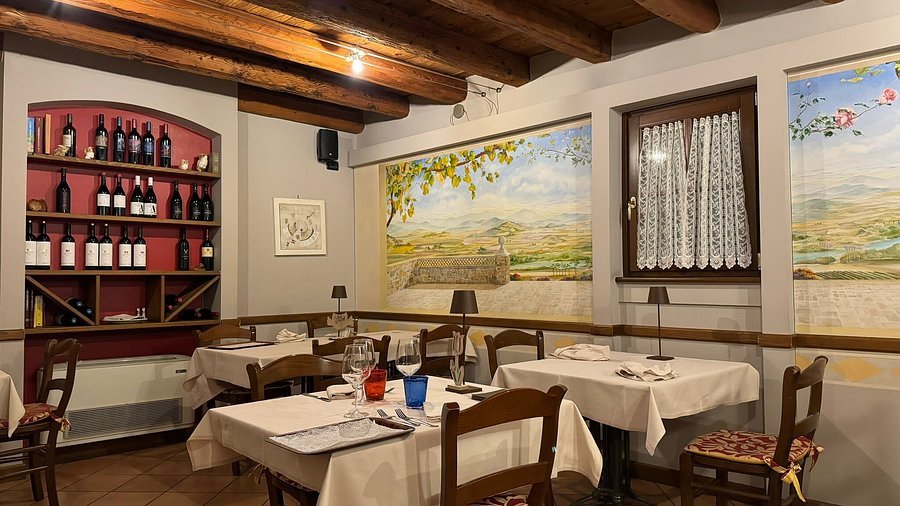
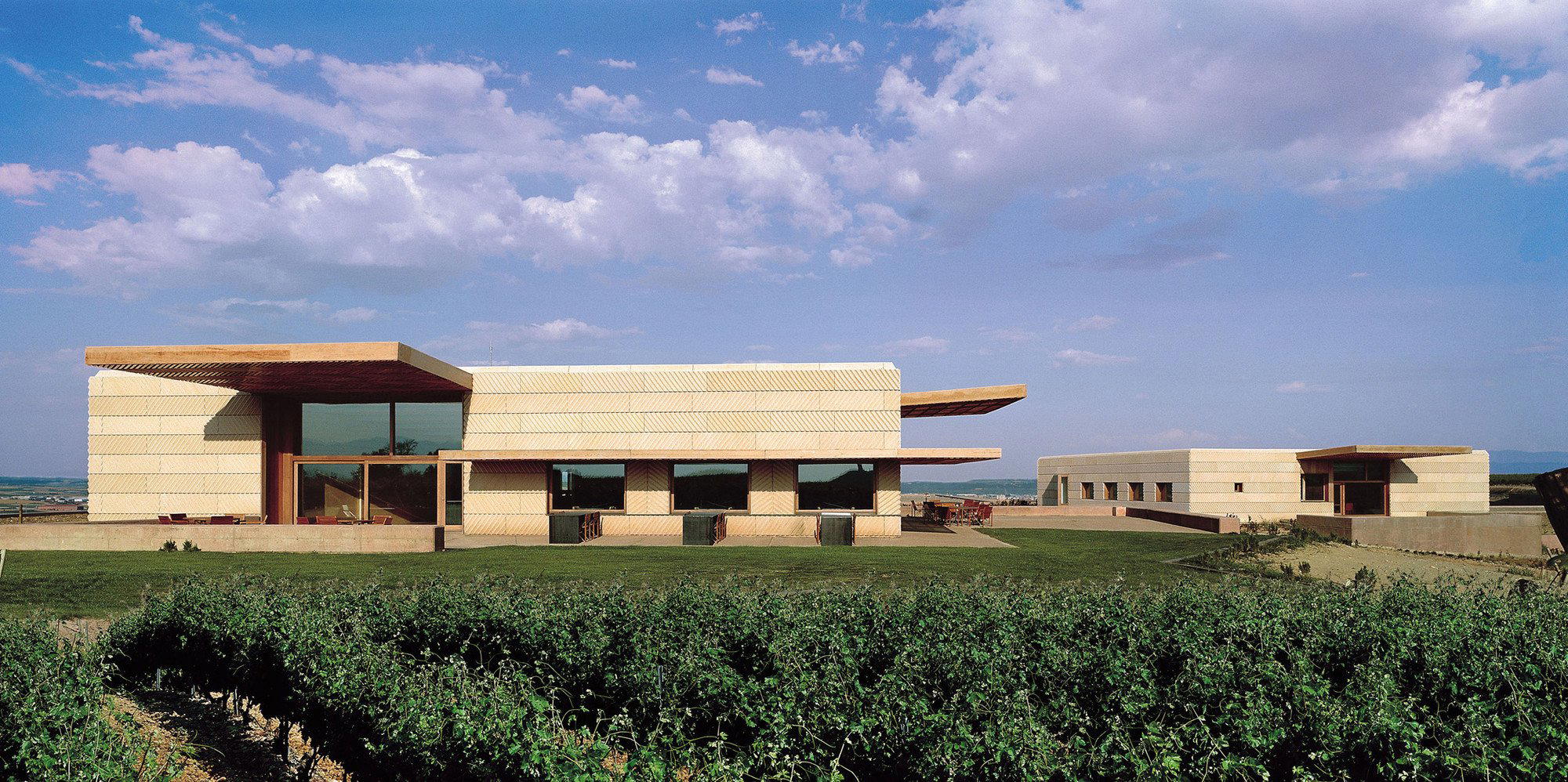
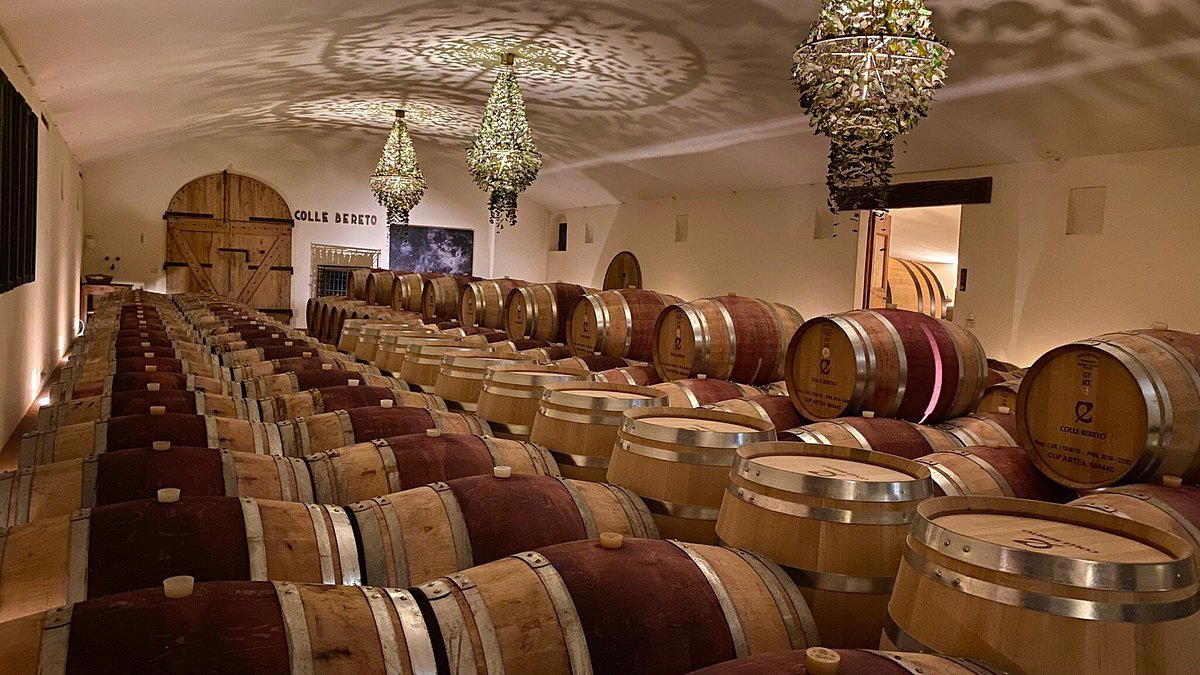
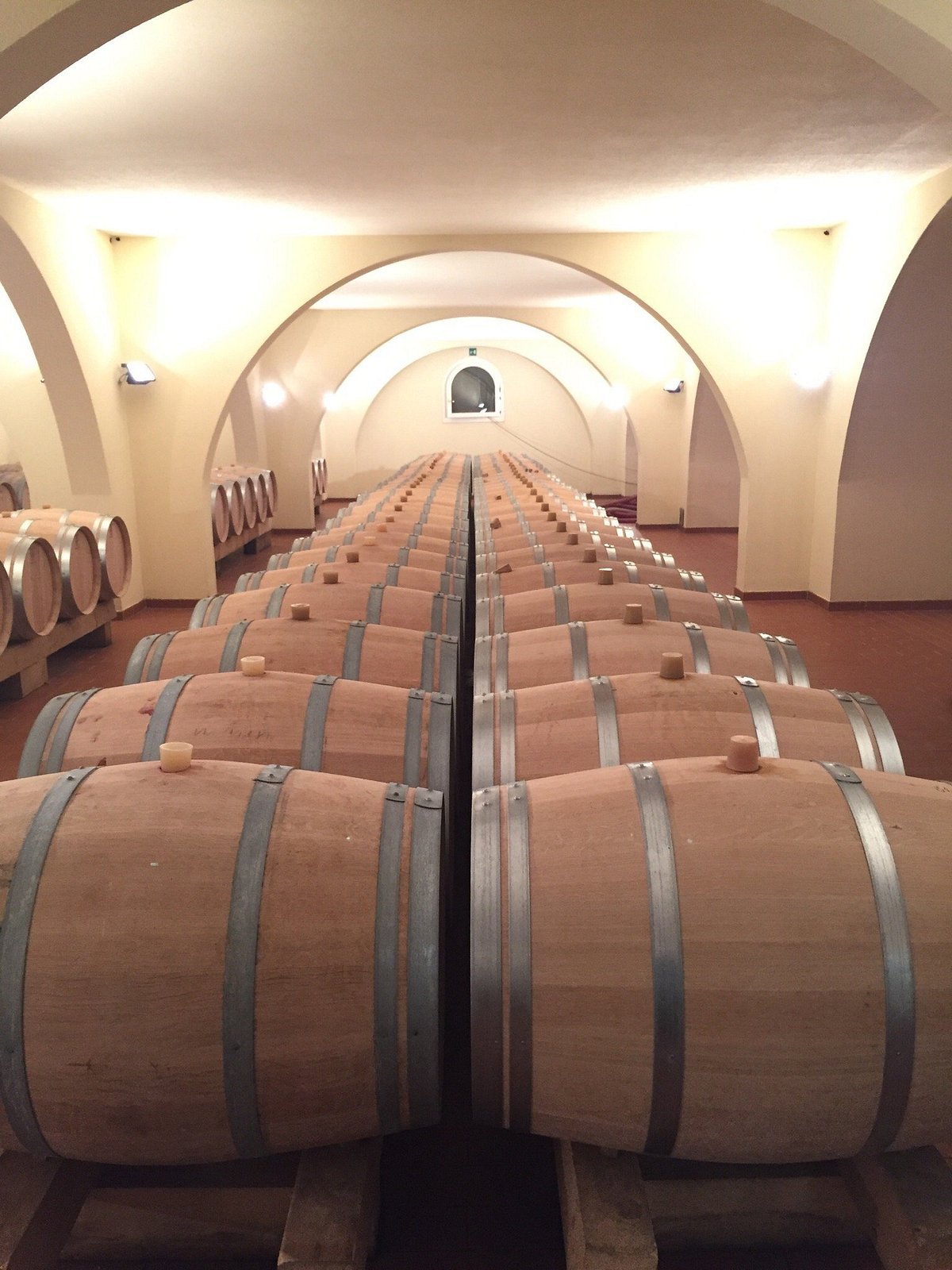
Modern, meticulously organized cantina with elegant, balanced wines evoking profound sensory experiences in a refined, welcoming atmosphere.
Tags
Vibe
Best For
Experience
Sourcing
View
At the Vineyard
- Appellation
- Friuli Isonzo DOC
- Varietals
- Chardonnay, Sauvignon Blanc, Malvasia Istriana, Friulano, Riesling Renano
- Tour Duration
- 60-90 minutes
- Tour Languages
- Italian, English
- Visits
- By appointment only
- Farming
- Sustainable
- Wine Styles
- Still White, Still Red
- Wine Club
- Not available
Know before you go
Know Before You Go
- Getting there
- Loc. Vie di Romans, 1, 34070 Mariano del Friuli GO
Planning details
Location
Recognition and awards

Also consider
Where to look if this is not available
If Vie di Romans is hard to fit into the schedule, try Jermann or Livio Felluga for a wine-led alternative in the same regional orbit. If the group wants a change of pace, Nonino Distillery is the more useful pivot because it shifts the day toward spirits rather than another cellar appointment.
Winery context
How Vie di Romans compares in Mariano del Friuli
Choose Vie di Romans when the brief is a quiet, wine-first appointment with room for conversation. Jermann and Livio Felluga are stronger cross-shops for travelers building a classic Friuli producer circuit, especially if name recognition matters to the group. Vie di Romans is the more focused pick when ambiance and tasting concentration matter more than ticking off labels.
Nonino Distillery and Domenis 1898 are not direct substitutes; they work better for visitors who want a spirits-led stop or a broader beverage day. Bastianich is the better alternative for travelers who want another recognizable Friuli-linked name, while Vie di Romans is the safer choice for a quieter wine appointment.
For value, avoid booking this as a casual filler stop. It earns its place when the group cares about wine and can give the visit enough time; otherwise, one of the broader peers will be easier to fit into a mixed itinerary.
Explore Mariano del Friuli
Around this place
Discover more on Pearl
Unlock the full Vie di Romans guide in Pearl, including awards, comparisons, FAQs, planning details, and nearby places.
Compare Vie di Romans
| Venue | Location | Awards |
|---|---|---|
| Vie di Romans | Mariano del Friuli | 2026 Falstaff Winery Guide |
| Jermann | Dolegna del Collio | 2026 Falstaff Winery Guide |
| Livio Felluga | Cormons | 2026 Falstaff Winery Guide |
| Nonino Distillery | Pavia di Udine | No published awards |
| Domenis 1898 | Cividale del Friuli | No published awards |
| Bastianich | Cividale del Friuli | 2026 Falstaff Winery Guide |
How Vie di Romans Mariano del Friuli compares with similar nearby venues.
FAQ
Frequently Asked Questions
How long should I plan for a visit to Vie di Romans?
Vie di Romans is in Mariano del Friuli and carries Pearl 2 Star Prestige recognition for 2025, but timing should be confirmed directly with the venue before you plan the rest of the day.
Are there membership or club benefits at Vie di Romans?
Do not make a decision based on assumed benefits, access, pricing, or services. Ask Vie di Romans directly for current information before relying on any program.
Do I need a reservation at Vie di Romans?
Plan ahead by checking directly with Vie di Romans, especially before making a special trip to Mariano del Friuli.
Can Vie di Romans handle large groups?
If you are planning for a group, contact Vie di Romans directly to confirm whether the venue can accommodate your party and what arrangements are required.