
Marqués de Griñón (Dominio de Valdepusa)
Malpica de Tajo
Winery in Malpica de Tajo, Spain
 Book with Pearl
The Read
Single-Estate DO Viticulture
Why go
A strong choice for wine-focused celebrations near Malpica de Tajo, especially when the estate context matters more than easy visitor logistics. Choose it for a deliberate Spanish wine stop; cross-shop Abadía Retuerta or Bodegas Protos if you want a more hospitality-led or simpler winery visit.
About Marqués de Griñón (Dominio de Valdepusa)
Marqués de Griñón (Dominio de Valdepusa) is a Pearl 3 Star Prestige (2025) venue in Malpica de Tajo. Plan ahead rather than assuming a particular visit format, menu, price, or service schedule.
The dress code is smart casual. Treat the venue as a special-occasion option in Malpica de Tajo, and confirm any practical details directly before arranging a trip.
Worth choosing when the venue itself is the occasion
This is a stronger fit for guests who are specifically interested in Marqués de Griñón (Dominio de Valdepusa) and are comfortable checking logistics in advance. It is not a venue to plan around assumptions such as a published format, visitor program, tasting structure, or walk-in availability.
If you are comparing notable venues, Abadía Retuerta, Bodegas Protos, Numanthia, Pago de Carraovejas, and Pingus are useful reference points. Keep those comparisons broad unless you have checked the current details for each place.
Plan the day carefully
Use Malpica de Tajo as the location reference. Before visiting, check directly for current availability, timing, services, and any requirements that may affect your plans.
The recommendation is a cautious yes for a special occasion where the venue name, Pearl 3 Star Prestige (2025) recognition, and smart casual dress code are enough to justify advance planning. If you need guaranteed meal service, a specific format, or detailed logistics before choosing, confirm those details first or compare with other options.
Planning details
- Location
- Finca Casa de Vacas Carretera, CM-4015, Km 23, 45692 Malpica de Tajo, Toledo
- Website
- marquesdegrinon.com
- Phone
- +34 925 59 72 22
The take
The Take
The Vibe
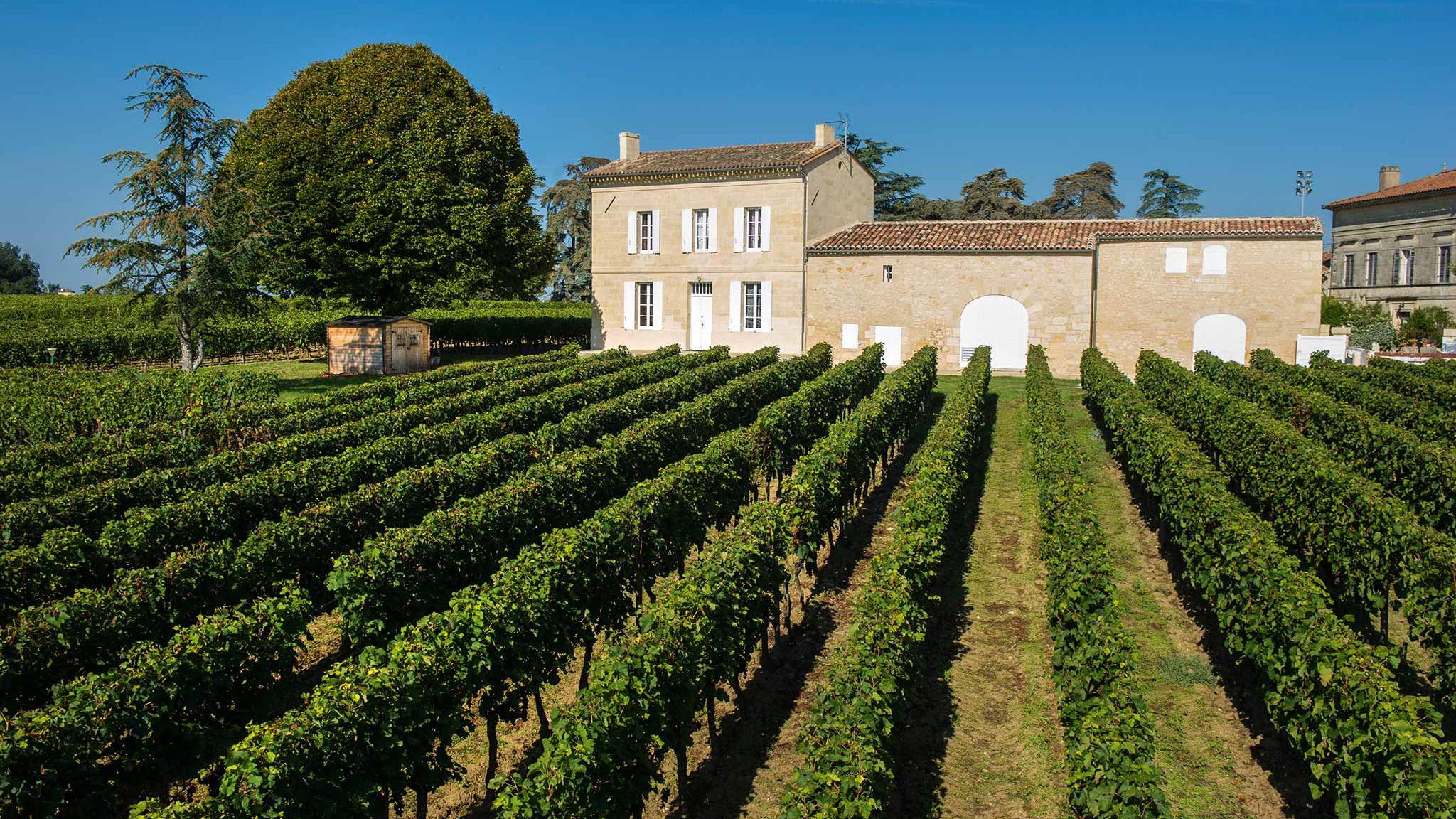
Marqués de Griñón (Dominio de Valdepusa) presents a refined estate character rooted in a stark, rural Castilla-La Mancha landscape. The copy frames the winery as both elegant and rustic — a sophisticated, award-recognized producer set amid granite and clay soils on the Toledo plateau. The writing emphasizes rigorous, terroir-driven viticulture and a sense of deliberate craftsmanship, so visitors encounter an atmosphere that balances pastoral, sunbaked fields with high-end winemaking ambition. The result feels scenic and serious: an estate where the land’s extremes shape focused, structured wines and where the setting underpins the cellar’s prestige.
Best For
This estate is best for wine-focused visitors and small groups seeking a deep sense of place rather than a casual tasting stop. The narrative centers on terroir and documented performance, making the property especially suited to travelers interested in wine education and buyers or celebrants who want to experience a high-end, estate-driven program. Its positioning as an upper-bracket Spanish producer (noted by a 2025 Pearl 3 Star Prestige award) also makes it a fitting destination for special occasions or for collectors looking to understand how granite and clay soils influence the wines.
Tasting Tips
When tasting here, prioritize expressions that showcase the estate’s terroir: ask to sample wines that reflect the granite-based subsoils and the clay-loam surface layers so you can compare how the site’s extremes register in the glass. Seek out the estate’s flagship or prestige bottlings referenced in the profile, as those are the wines most tied to their documented performance. If available, request a guided tasting or an explanation of parcel differences — the write-up frames the wines as an argument about place, so comparative pours will be most illuminating.
Venue details
Ambiance
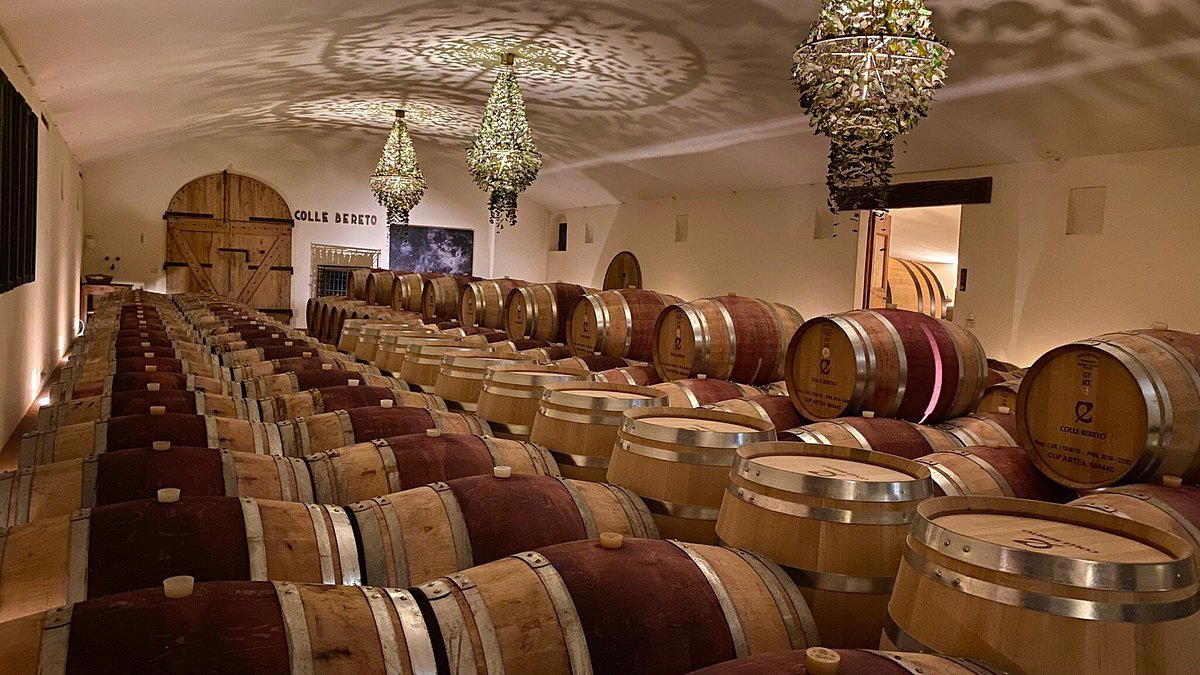
Subterranean aging cellar with strict temperature control, evoking a classic and sophisticated winery atmosphere focused on excellence and tradition.
Tags
Vibe
Best For
Experience
Sourcing
View
At the Vineyard
- Appellation
- Vino de Pago Dominio de Valdepusa
- Varietals
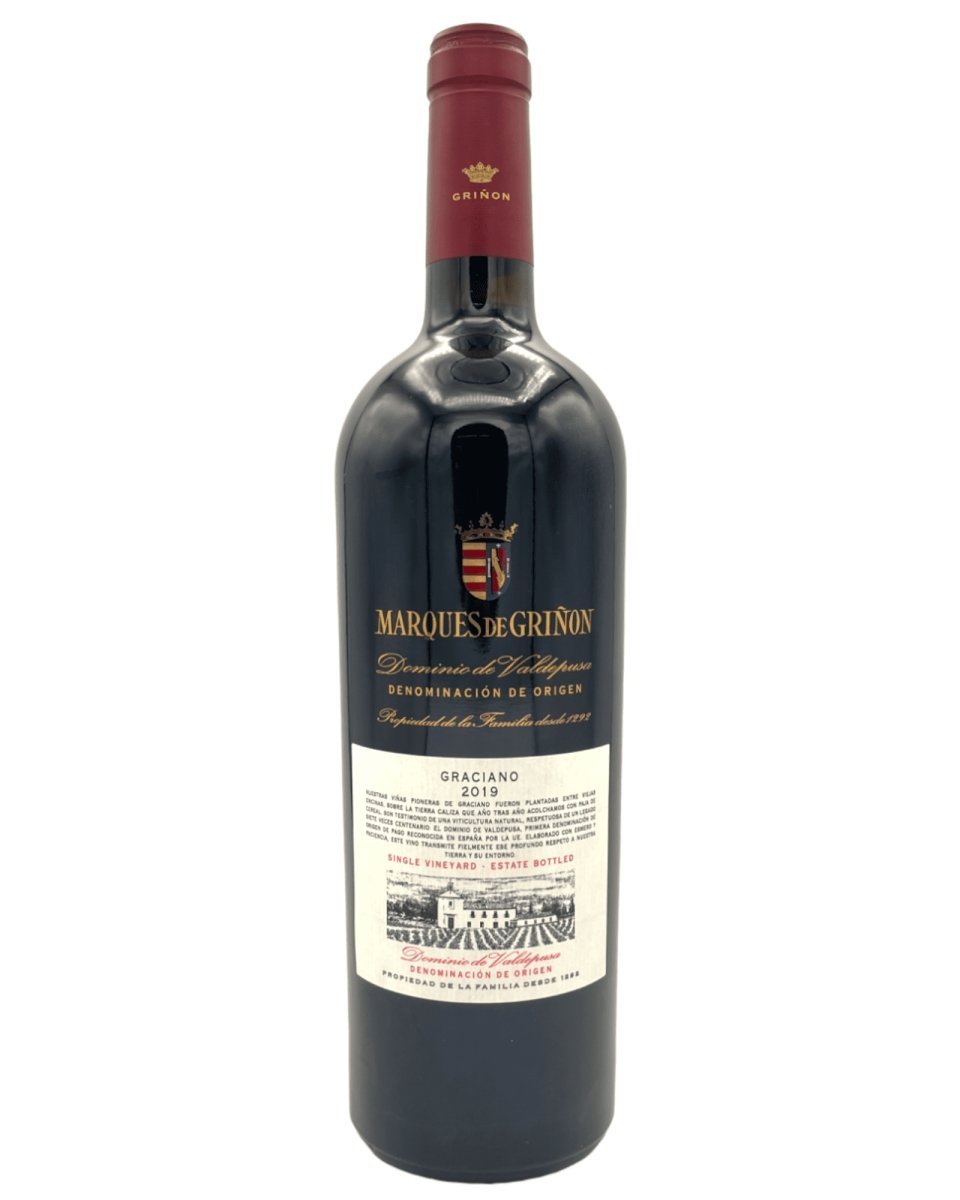
- Cabernet Sauvignon, Syrah, Petit Verdot, Graciano
- Visits
- By appointment only
- Farming
- Sustainable
- Wine Styles
- Still Red
- Wine Club
- Not available
Know before you go
Know Before You Go
- Getting there
- Finca Casa de Vacas Carretera, CM-4015, Km 23, 45692 Malpica de Tajo, Toledo
Planning details
Location
Finca Casa de Vacas Carretera, CM-4015, Km 23, 45692 Malpica de Tajo, Toledo · Directions
Recognition and awards

Also consider
Also Consider
- Numanthia, Notable alternative
- Abadía Retuerta, Notable alternative
- Pingus, Notable alternative
- Pago de Carraovejas, Notable alternative
- Bodegas Protos, Notable alternative
Winery context
How it compares with Spain's serious winery stops
Marqués de Griñón (Dominio de Valdepusa) is the specialist pick: better for a wine-first itinerary than for travelers seeking broad hospitality infrastructure. Abadía Retuerta is the safer splurge if the full guest experience matters as much as the wine, while Bodegas Protos is easier to recommend for a more accessible winery day.
For collector energy, Pingus and Numanthia sit in a more scarcity-driven lane, which makes them better cross-shops if reputation and allocation are the main draw. Marqués de Griñón offers a different kind of value: less about breadth of visitor amenities, more about anchoring a focused estate visit in Castilla-La Mancha.
Pago de Carraovejas is the better choice when the group wants a polished, social winery stop with broader appeal. Choose Marqués de Griñón when the guest list is smaller, more wine-literate, and willing to trade convenience for specificity.
Explore Malpica de Tajo
Around this place
Discover more on Pearl
Unlock the full Marqués de Griñón (Dominio de Valdepusa) guide in Pearl, including awards, comparisons, FAQs, planning details, and nearby places.
Compare Marqués de Griñón (Dominio de Valdepusa)
| Venue | Location | Awards |
|---|---|---|
| Marqués de Griñón (Dominio de Valdepusa) | Malpica de Tajo | 2026 Falstaff Winery Guide |
| Numanthia | Valdefinjas | 2026 Falstaff Winery Guide2025 Decanter Winery Prestige |
| Abadía Retuerta | Sardón de Duero | 2026 Falstaff Winery Guide2025 World's 50 Best Vineyards · #382025 Decanter Winery Prestige2024 World's 50 Best Vineyards · #82023 World's 50 Best Vineyards · #272022 World's 50 Best Vineyards · #292021 World's 50 Best Vineyards · #32 |
| Pingus | Ribera del Duero | 2026 Falstaff Winery Guide2025 Pearl 4 Star Prestige |
| Pago de Carraovejas | Peñafiel | 2026 Falstaff Winery Guide2025 World's 50 Best Vineyards · #18 |
| Bodegas Protos | Peñafiel | 2026 Falstaff Winery Guide |



How Marqués de Griñón (Dominio de Valdepusa) compares with similar nearby venues.
FAQ
Frequently Asked Questions
Where is Marqués de Griñón (Dominio de Valdepusa)?
Marqués de Griñón (Dominio de Valdepusa) is in Malpica de Tajo.
What should I wear to Marqués de Griñón (Dominio de Valdepusa)?
The dress code is smart casual. If you are unsure how formal to be for a specific visit, confirm expectations directly with the venue before you go.
What other venues can I compare with Marqués de Griñón (Dominio de Valdepusa)?
For broader comparison, consider names such as Abadía Retuerta, Pago de Carraovejas, Bodegas Protos, Numanthia, and Pingus. Confirm geography and logistics separately before combining multiple venues into one route.
Does Marqués de Griñón (Dominio de Valdepusa) have awards?
Yes. The recognition is Pearl 3 Star Prestige (2025).