
Viña Chocalán
Santa Eugenia, Maipo
Winery in Maipo, Chile
 Book with Pearl
The Read
Andean Foothill Viticulture
Price
$20–30tasting
Why go
Viña Chocalán is a strong choice for a planned Maipo winery day, especially when the visit needs to feel calm, organized, and occasion-worthy. It is less suited to rushed, last-minute tasting itineraries; compare it with Viña Undurraga or Viña Santa Ema if convenience matters more than destination feel.
About Viña Chocalán
Viña Chocalán is a Maipo venue to consider when the plan calls for a more polished stop rather than an improvised outing. The venue is in Maipo, has a smart casual dress code, and holds Pearl 2 Star Prestige (2025) recognition.
Plan it as a Maipo stop
For travelers building a day around Maipo, use the key facts as the baseline: Viña Chocalán is in Maipo, the dress code is smart casual, and the venue holds Pearl 2 Star Prestige (2025) recognition. Check service details directly with the venue as you plan.
If you are comparing other venues, Viña Undurraga, Viña Santa Ema, Viña Tarapacá, and Viña De Martino are natural names to review before setting an itinerary. Keep the comparison focused on the details that matter for your visit and check current information directly with each venue.
Who should choose it over another Chile stop
Choose Viña Chocalán when you want a Maipo venue with a prestige distinction and a dress code that points to a more put-together visit. If you need specific details on format, food service, group capacity, pricing, or purchasing options, check those directly before deciding.
For readers comparing Chile more broadly, Casa Marín is another venue to keep in mind, while other dining and venue options in Maipo can be considered generically around the rest of the day.
Planning details
- Location
- Ruta G-60 km 6, Melipilla, Región Metropolitana
- Website
- chocalanwines.com
- Phone
- +56 9 7878 2048
The take
The Take
The Vibe
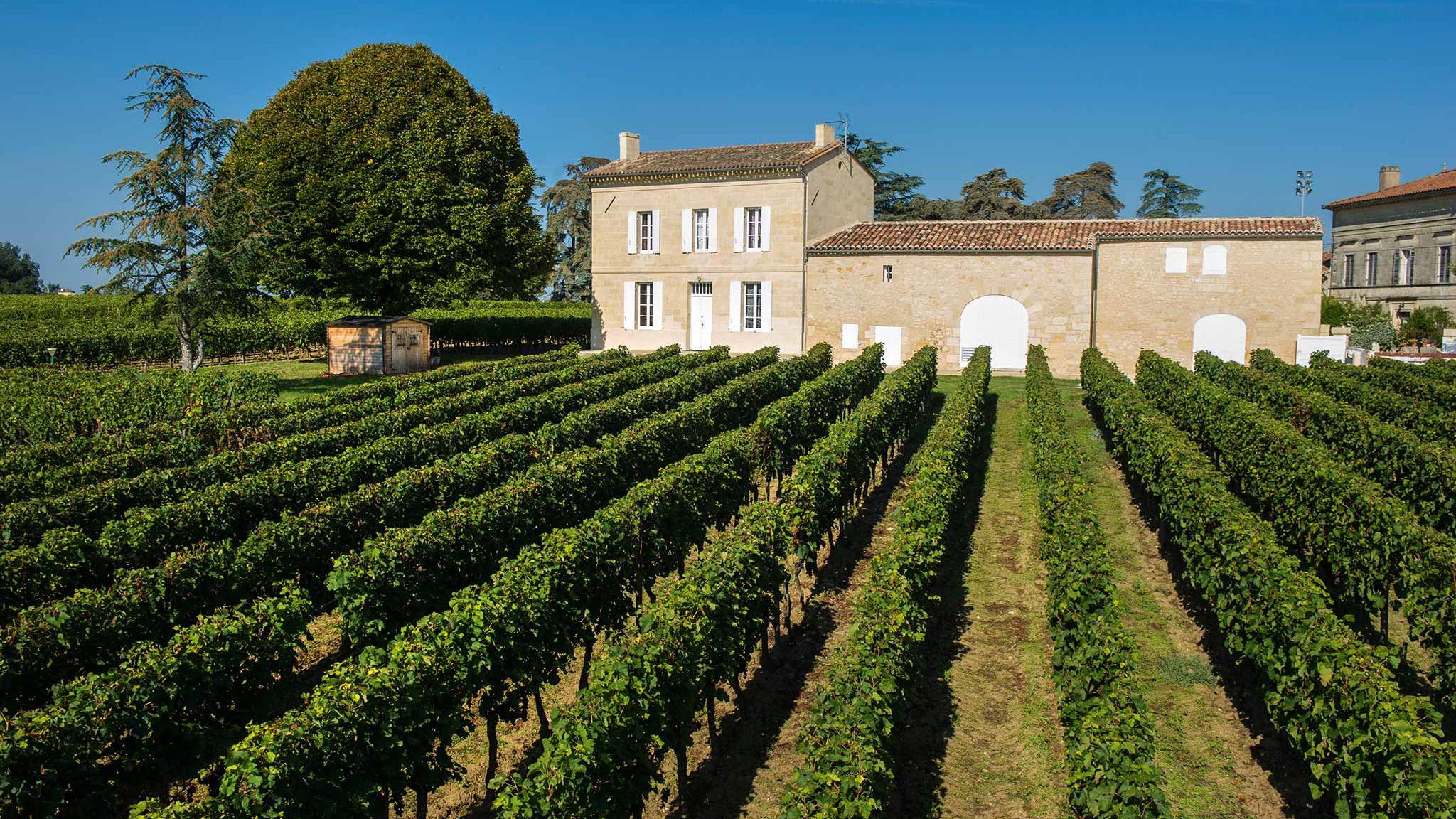
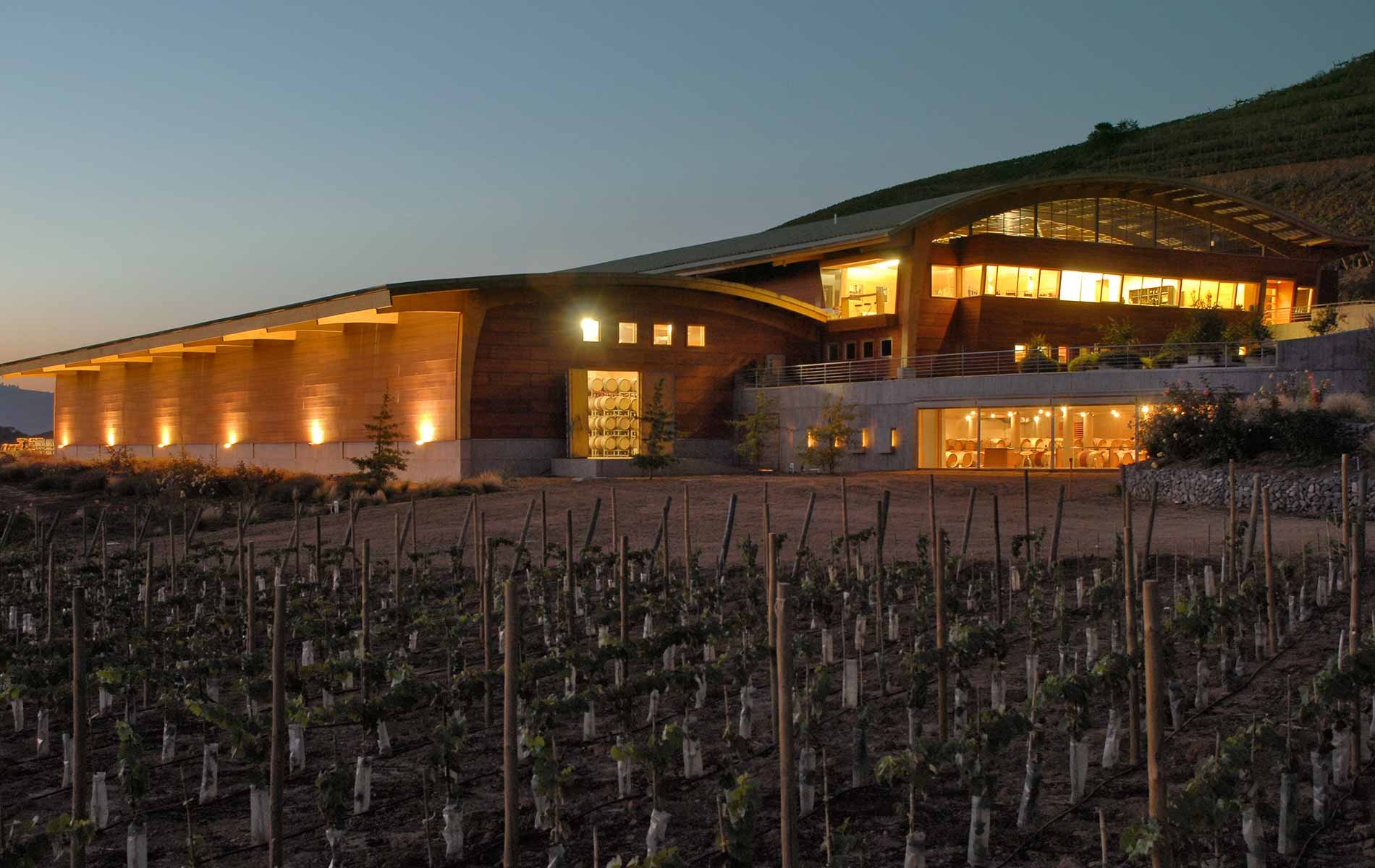
Viña Chocalán presents a measured, sophisticated presence rooted in the western Maipo foothills. The copy emphasizes terroir — dry air, pronounced diurnal swings and clay-gravel soils — and frames the estate among producers that trade on specificity rather than scale. That pedigree, reinforced by a recent Pearl 2 Star Prestige recognition, gives visits and wines an assured, classic character. The setting reads as calm and rural: vineyard rows stretch toward the Andean foothills, and the overall tone privileges expression of site and structure over flash, making the estate feel both considered and quietly refined.
Best For
The estate is best for visitors interested in terroir-driven wine study and tastings that foreground Cabernet's regional expression. The description orients the property as a place for wine education — reading soils, climate and vine behaviour — so it suits those who approach tastings with a critical, analytical eye. It also accommodates small group outings or solo exploration for people who want to compare western Maipo’s firmer, slower-evolving Cabernets to wines from other sub-regions. The focus is on learning and place, rather than noisy socializing or casual drinking.
Tasting Tips
When tasting at Viña Chocalán, prioritize the estate’s Cabernet expressions and its higher-tier releases: the text specifically notes Cabernet Sauvignon’s tendency toward firm tannins and slower phenolic evolution and calls out the Pearl 2 Star Prestige recognition. Ask to taste examples that illustrate the clay-and-gravel site influence and look for wines that emphasize structure and gradual development rather than overt ripeness. Framing your tasting around comparative examples from the western Maipo will clarify the sub-region’s distinguishing features.
Venue details
Ambiance
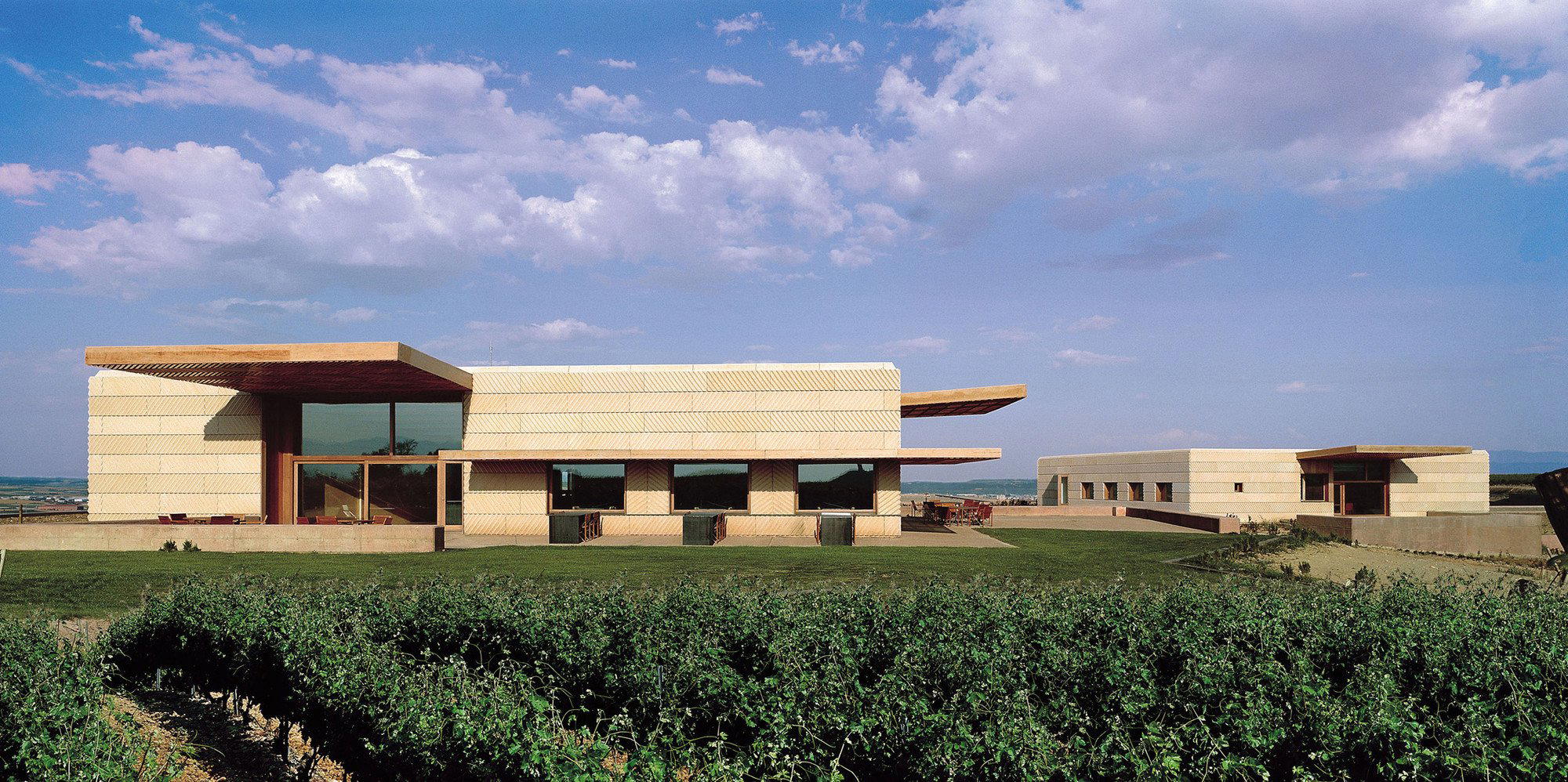
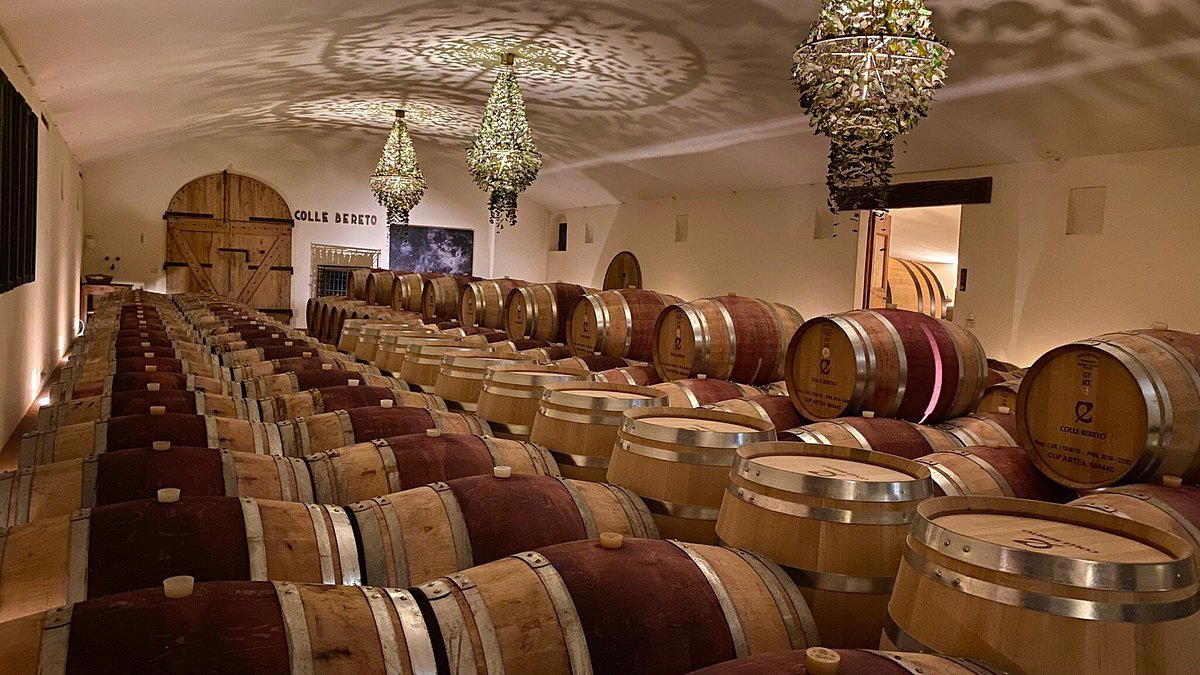
Hillside architectural setting amid vineyards offering an elegant, natural atmosphere with magical aromas and scenic coastal influences.
Tags
Vibe
Best For
Experience
Sourcing
View
At the Vineyard
- Appellation
- Valle del Maipo
- Varietals
- Cabernet Sauvignon, Carmenère, Syrah, Sauvignon Blanc, Chardonnay
- Tour Duration
- 60-90 minutes
- Tour Languages
- Spanish, English
- Visits
- By reservation
- Farming
- Sustainable
- Production
- Mid-size producer
- Wine Styles
- Still Red, Still White
- Wine Club
- Available
Know before you go
Know Before You Go
- Getting there
- Ruta G-60 km 6, Melipilla, Región Metropolitana
Planning details
Location
Recognition and awards

Also consider
Also Consider
- Viña Tarapacá, Notable alternative
- Viña Santa Ema, Notable alternative
- Viña De Martino, Notable alternative
- Viña Undurraga, Notable alternative
- Casa Marín, Notable alternative
Winery context
How it compares in Maipo
Viña Chocalán is the pick for readers who want a more destination-led Maipo stop and are willing to plan around it. Viña Undurraga and Viña Santa Ema make more sense for tighter Santiago-linked itineraries where ease matters more than occasion.
For a wine-focused day, cross-shop Viña Tarapacá and Viña De Martino. They are better fits if the priority is comparing Maipo producers in one route, while Chocalán is better treated as the anchor when ambiance and hosting value matter.
Casa Marín is the wrong comparison for a simple Maipo day because it points the plan toward a different wine-region rhythm. Choose it when the trip is broader than Maipo; choose Chocalán when the day is centered on Melipilla and the visit needs to carry the occasion.
Explore Maipo
Around this place
Discover more on Pearl
Unlock the full Viña Chocalán guide in Pearl, including awards, comparisons, FAQs, planning details, and nearby places.
Compare Viña Chocalán
| Venue | Location | Awards |
|---|---|---|
| Viña Chocalán | Maipo | 2026 Falstaff Winery Guide |
| Viña Tarapacá | Isla de Maipo | No published awards |
| Viña Santa Ema | Isla de Maipo | No published awards |
| Viña De Martino | Isla de Maipo | 2026 Falstaff Winery Guide |
| Viña Undurraga | Talagante | No published awards |
| Casa Marín | Lo Abarca | 2026 Falstaff Winery Guide |
How Viña Chocalán Maipo compares with similar nearby venues.
FAQ
Frequently Asked Questions
Can Viña Chocalán handle large groups?
If you are planning for several guests, contact Viña Chocalán directly before treating it as the anchor for a Maipo itinerary.
What should I know about Viña Chocalán?
Viña Chocalán is in Maipo, has a smart casual dress code, and holds Pearl 2 Star Prestige (2025) recognition. Practical details should be checked directly with the venue.
Are purchasing or delivery options available?
How long should I plan for a visit to Viña Chocalán?
Plan with enough flexibility to match the format arranged with the venue, and avoid relying on timing assumptions when organizing a Maipo day.
What should I compare before choosing Viña Chocalán?
Compare the details that matter for your itinerary and check them directly with the venue. If you are weighing other venues, you can also review Viña Tarapacá or Viña Santa Ema.