Zsirai Winery
Mád
Winery in Mád, Hungary
 Book with Pearl
The Read
Volcanic-Soil Tokaj Aging
Why go
Zsirai Winery is worth targeting if the goal is a quieter, wine-first Mád stop rather than a high-production visitor experience. It suits couples and small groups seeking Tokaj context, while travelers who need clearer logistics or a more formal tour setup should cross-shop Holdvölgy, Royal Tokaji, or Szepsy.
About Zsirai Winery
Zsirai Winery is a winery in Mád with Pearl 2 Star Prestige recognition for 2025. The guidance available for this listing is deliberately limited: the dress code is casual, and the venue should be considered without claims about formats, prices, menus, group size, shipping, or reservations.
For travelers comparing winery options, Zsirai Winery can be considered alongside Barta Pince, Holdvölgy, Royal Tokaji, Szent Tamás Winery, and Szepsy. Those names are useful reference points for planning, but any final choice should be based on current information from the venue rather than assumptions about services or visitor arrangements.
Book this as a Mád winery visit with limited details
Zsirai Winery's confirmed profile is simple: it is in Mád, it has Pearl 2 Star Prestige recognition for 2025, and casual dress is appropriate. Beyond that, this listing does not verify a specific tasting format, public price ladder, food component, group policy, or online booking process.
Use that lack of confirmed detail as a planning note. If a particular service matters, such as a guided tasting, food, shipping, a club, or a specific appointment time, confirm it directly with Zsirai Winery before building the day around it.
How to fit it into a Mád wine day
Use Zsirai Winery as one possible Mád stop when comparing wineries. Barta Pince, Holdvölgy, Royal Tokaji, Szent Tamás Winery, and Szepsy are natural comparison names for travelers mapping a wider wine day.
The verdict: consider Zsirai Winery if you want a Mád winery with confirmed Pearl 2 Star Prestige recognition for 2025 and a casual dress code. Check directly for any operational details that matter to your visit, because this listing does not verify food service, shipping, club membership, group capacity, pricing, hours, or a specific tasting format.
Planning details
- Location
- Mád, Batthyány u. 71, 3909
- Website
- zsiraipinceszet.hu
- Phone
- +36 30 378 5313
The take
The Take
The Vibe
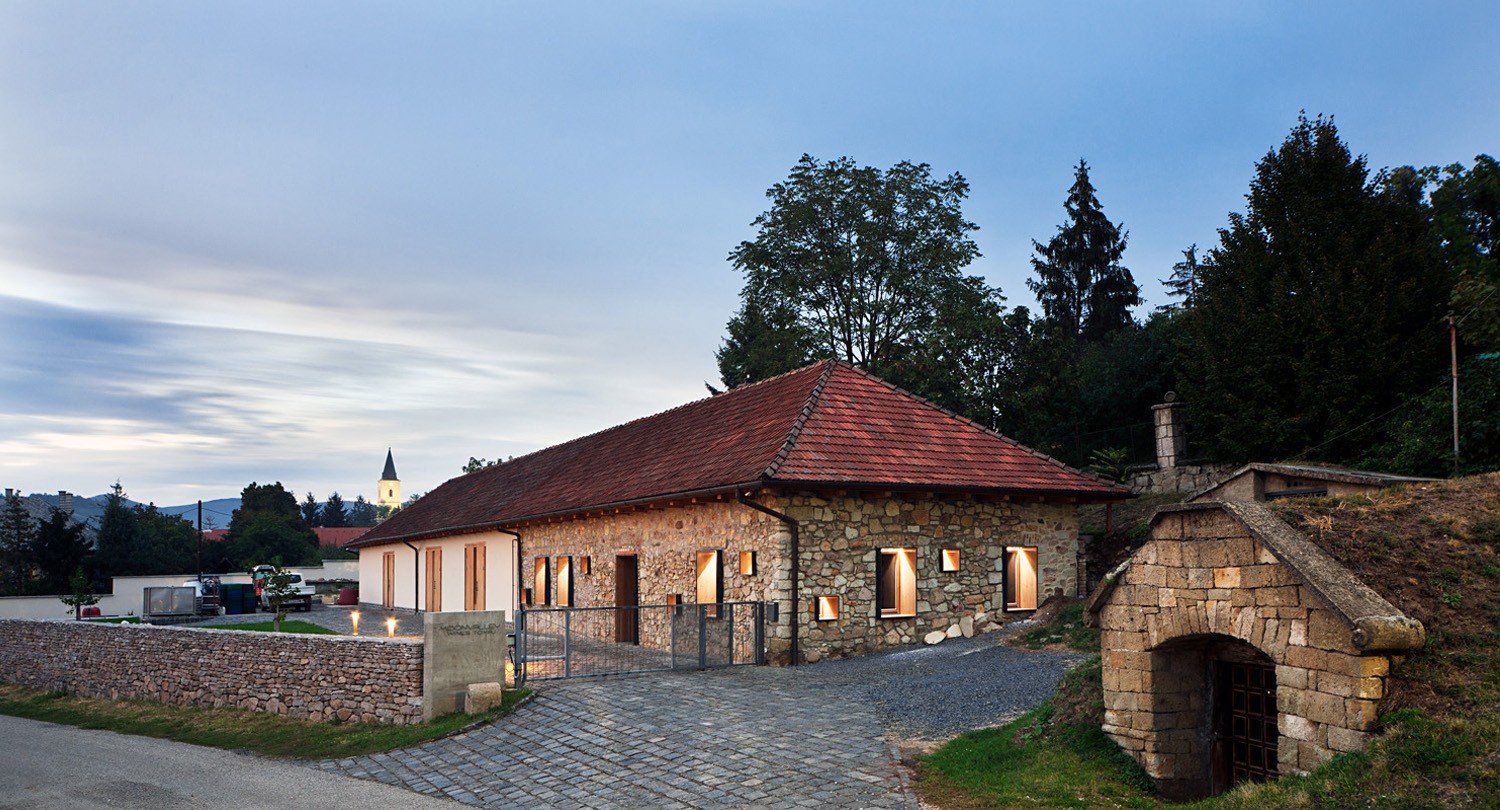
Zsirai Winery sits quietly within Mád’s subterranean world, where centuries-old cellars and rhyolite tuff shape both the landscape and the work. The place registers as serious rather than showy: the real craft happens out of sight, in long barrel ageing and patient cellar decisions. That subterranean focus, reinforced by a 2025 Pearl 2 Star Prestige recognition, gives the winery a restrained, classic sophistication. Visitors encounter a contemplative environment that privileges time, restraint and traditional Tokaj techniques over theatrical tasting-room flash, and the mood reads as thoughtful, historically rooted and quietly authoritative.
Best For
Zsirai is best for anyone interested in the craft side of Tokaj: students of winemaking, collectors curious about ageing regimes, and travelers who appreciate quiet, focused wine study. The narrative of slow barrel work and restored cellar practice makes it a strong stop for those seeking insight into how post-harvest decisions shape top-tier Tokaj. It also rewards solitary exploration or deliberate visits by small groups who want to absorb the region’s historic methods rather than a bustling tasting-room experience.
Tasting Tips
When exploring Zsirai’s wines, look for expressions that emphasize time in barrel and extended cellar ageing, and pay attention to bottlings from Furmint and Hárslevelű parcels. The description highlights Aszú tradition and patient ageing, so prioritize wines that show oxidative development or clear barrel influence, and ask about the producer’s approach to post-harvest decisions and barrel selection. Framing questions around cellar regimes and ageing programmes yields the most revealing sense of what makes this address earn its prestige.
Venue details
Ambiance
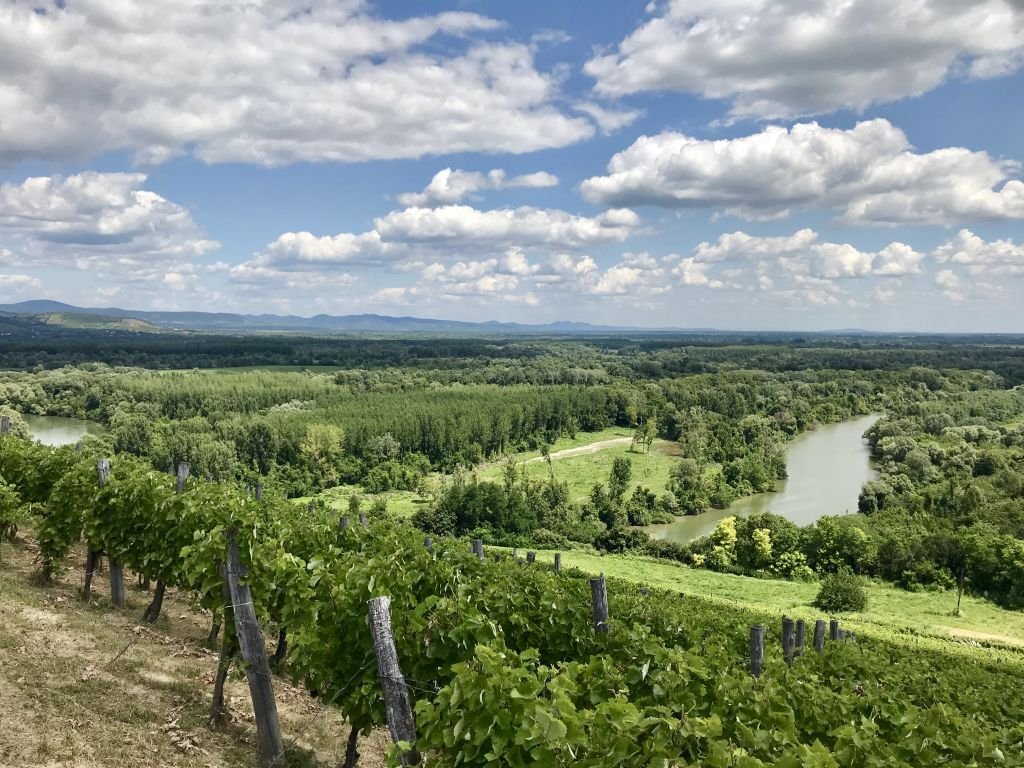
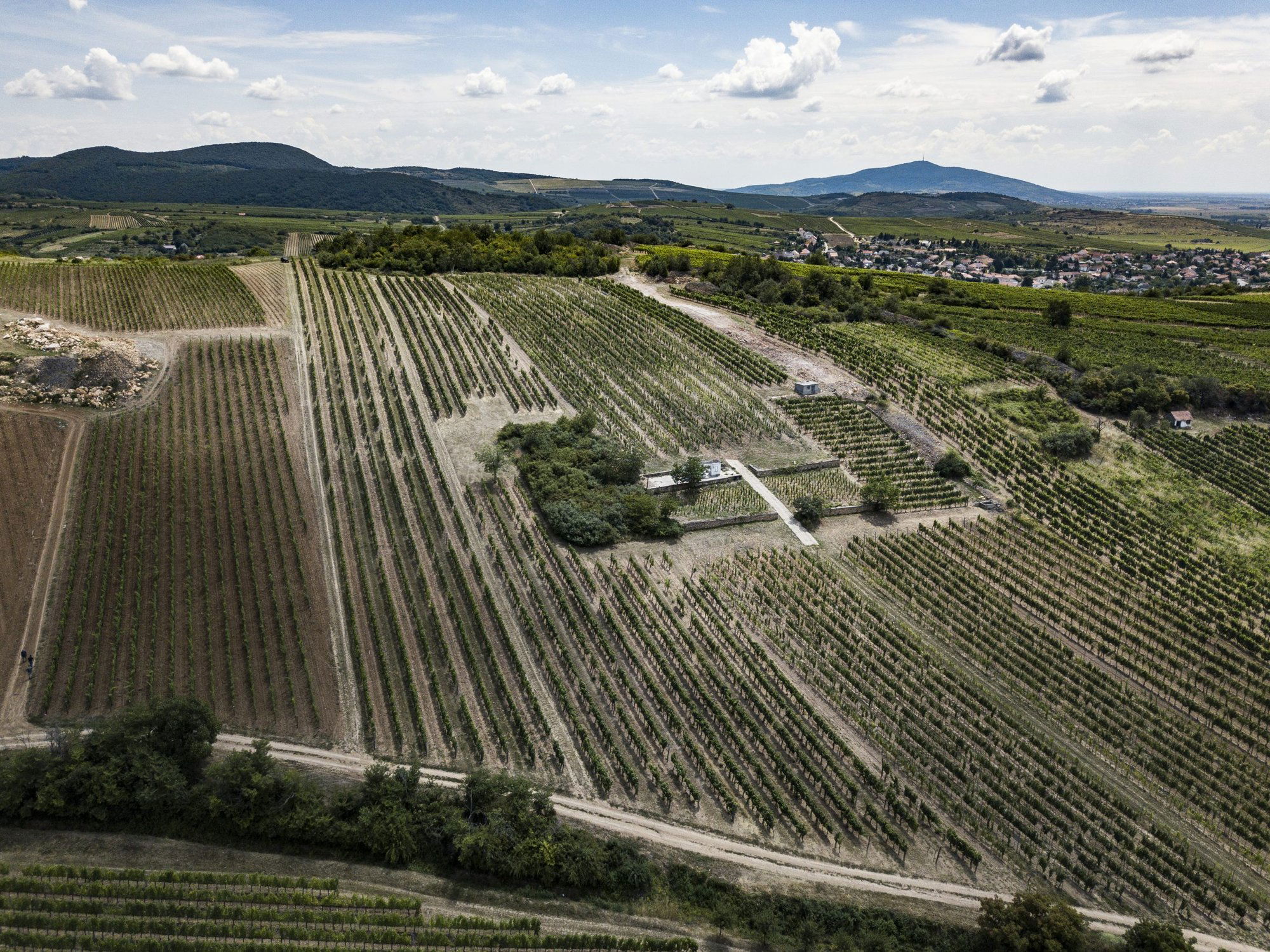
Cozy and authentic atmosphere in historic cellars amid rolling vineyard hills, evoking tradition with modern elegance.
Tags
Vibe
Best For
Experience
Sourcing
View
At the Vineyard
- Appellation
- Tokaj
- Varietals
- Furmint, Hárslevelű
- Tour Duration
- 60-90 minutes
- Tour Languages
- English
- Visits
- By reservation
- Farming
- Organic
- Production
- Small producer
- Wine Styles
- Still White
- Shipping
- Available
- Wine Club
- Not available
Know before you go
Know Before You Go
- Getting there
- Mád, Batthyány u. 71, 3909
Planning details
Location
Also consider
Also Consider
- Holdvölgy, Notable alternative
- Szepsy, Notable alternative
- Royal Tokaji, Notable alternative
- Barta Pince, Notable alternative
- Szent Tamás Winery, Notable alternative
Winery context
Against Holdvölgy, Zsirai Winery is the more intimate-feeling choice for travelers who want a producer-led Mád stop rather than a larger visitor format. Holdvölgy is the safer pick for groups that value structure and a more predictable experience; Zsirai is better when the goal is a quieter tasting with less sense of itinerary machinery.
Szepsy is the prestige comparison in Mád, and for many wine travelers it will be the first name to try. If access or timing gets difficult, Zsirai is a sensible fallback for staying focused on the village instead of rebuilding the whole day. Royal Tokaji is stronger for visitors who want a broader Tokaj reference point and a bigger-name stop.
For ambiance, cross-shop Barta Pince and Szent Tamás Winery. Barta Pince is the stronger alternative for travelers prioritizing village character, while Szent Tamás Winery works well as a second Mád appointment. Zsirai Winery is the call when the day needs a focused, lower-noise tasting rather than a venue chosen mainly for scale or name recognition.
Explore Mád
Around this place
Discover more on Pearl
Unlock the full Zsirai Winery guide in Pearl, including awards, comparisons, FAQs, planning details, and nearby places.
Compare Zsirai Winery
| Venue | Location | Awards |
|---|---|---|
| Zsirai Winery | Mád | No published awards |
| Holdvölgy | Mád | 2026 Falstaff Winery Guide |
| Szepsy | Mád | 2026 Falstaff Winery Guide2024 World's 50 Best Vineyards · #432023 World's 50 Best Vineyards · #35 |
| Royal Tokaji | Mád | 2026 Falstaff Winery Guide |
| Barta Pince | Mád | 2026 Falstaff Winery Guide |
| Szent Tamás Winery | Mád | No published awards |


How Zsirai Winery Mád compares with similar nearby venues.
FAQ
Frequently Asked Questions
What is the flagship wine at Zsirai Winery?
No single flagship wine is for this listing. Ask Zsirai Winery directly what is currently available, especially if you are planning the visit around a specific bottle or style.
Can Zsirai Winery handle large groups?
Is the wine club at Zsirai Winery worth joining?
This listing does not verify whether Zsirai Winery offers a wine club or membership program. Confirm directly with the venue before making plans around club access or benefits.
Does Zsirai Winery ship wine?
If you plan to buy wine for delivery, ask Zsirai Winery directly about availability, destinations, and terms.
Does Zsirai Winery serve food?
What wineries can I compare with Zsirai Winery?
Barta Pince, Holdvölgy, Royal Tokaji, Szent Tamás Winery, and Szepsy are useful comparison names when planning a wine itinerary. Zsirai Winery itself is in Mád.