

Chatham Vineyards on Church Creek
Machipongo
Winery in Machipongo, United States
 Book with Pearl
The Read
Eastern Shore Terroir Winemaking
Price
$10–20tasting
Why go
Chatham Vineyards on Church Creek is worth planning around if the goal is a slower Eastern Shore wine stop with a rural Machipongo setting and a 2025 Pearl 2 Star Prestige signal. It is less suited to travelers who need fully defined private-tasting details before committing, so small flexible groups have the clearest case.
About Chatham Vineyards on Church Creek
Chatham Vineyards on Church Creek is best approached as a Machipongo venue with a limited public profile. The facts are direct: the venue is in Machipongo, the dress code is casual, and it carries Pearl 2 Star Prestige recognition for 2025. Beyond that, specific claims about tasting formats, pricing, capacity, hours, bottles, or special services should be confirmed directly.
The right guest is someone comfortable planning around a lightly documented venue rather than a tightly specified experience. If the goal is a private visit, a hosted format, or a particular service, confirm those details directly before making the stop the center of a day.
Choose it for a Machipongo stop, not a fully specified tasting plan
The practical case is simple: Chatham Vineyards on Church Creek is a stronger fit when the plan already includes Machipongo and the appeal is the venue itself. The venue's Pearl 2 Star Prestige recognition for 2025 gives it a meaningful quality signal, but information on formats, pricing, and capacity is limited, which means the safest move is to keep expectations focused on the visit rather than assuming extras.
For trip planning around town, pair it with broader Machipongo research rather than treating it as a standalone itinerary. Start with Our full Machipongo wineries guide, then use Our full Machipongo restaurants guide, Our full Machipongo hotels guide, Our full Machipongo bars guide, and Our full Machipongo experiences guide to decide whether the venue is the anchor or one stop in a wider day.
Private-visit value depends on how much certainty your group needs
If the priority is a polished private experience with known inclusions, confirm those details directly. If the priority is a Machipongo venue with a recognized quality marker and casual dress, Chatham Vineyards on Church Creek becomes more compelling. Couples, small groups, and larger groups should all confirm any logistics that matter before building a full plan around the stop.
For readers comparing wine-focused trips, use the same filter: certainty versus discovery. Regional alternatives to consider include Gauthier Vineyard, Good Luck Cellars, Mermaid Winery, Saudé Creek Vineyards, and The Williamsburg Winery. Choose Chatham Vineyards on Church Creek when Machipongo is part of the reason for going; choose a more documented venue when a tightly managed private format matters more.
Planning details
- Location
- 9232 Chatham Rd, Machipongo, VA 23405
- Website
- chathamvineyards.com
- Phone
- +1 757-678-5588
The take
The Take
The Vibe
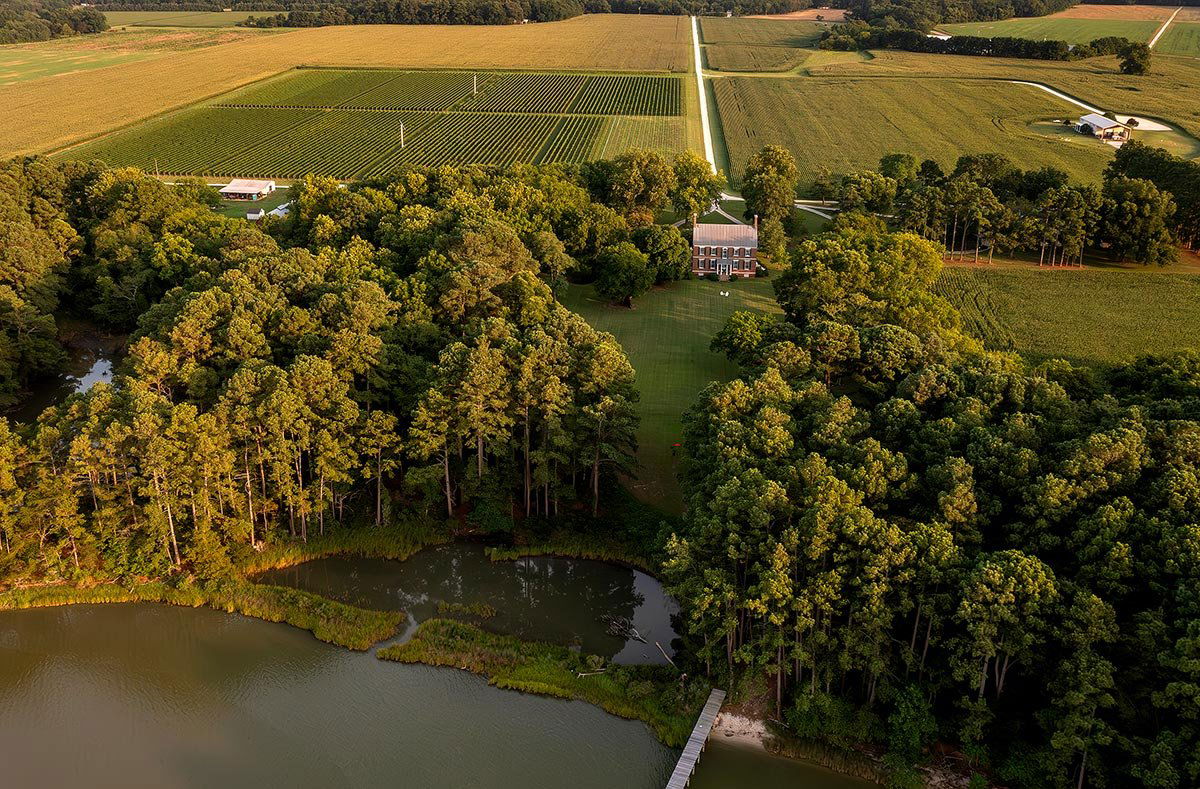
Chatham Vineyards on Church Creek presents a quietly scenic, rustic winery experience rooted in a distinct maritime landscape. The property sits on water-adjacent land where salt-tinged light and sandy loam soils give the site a character unlike inland Virginia regions. The copy leans into that unfamiliarity, framing the vineyard as a thoughtful, intimate place for visitors who prefer low-key, place-driven wine experiences rather than loud tourist hubs. Overall the tone is reflective and focused on terroir, making the estate feel like a cozy, off-the-beaten-path discovery for people interested in how geography shapes wine.
Best For
This vineyard is best for visitors who want to learn about place and process. The write-up emphasizes terroir and regional distinctiveness and highlights a Pearl 2 Star Prestige recognition, which makes the site well suited to educational visits and tasting-focused group outings. Its quiet, out-of-the-way location also works well for solo exploration and reflective visits where the landscape and vineyard context are the main attractions. It is less about nightlife or large events and more about focused tasting and understanding how the Eastern Shore influences the wines.
Tasting Tips
When you taste at Chatham Vineyards, orient your visit around site expression and recent vintages rather than marquee varietal claims. The copy stresses maritime influence and sandy loam soils, so ask the tasting staff how those elements show up in the current lineup and request a flight that highlights estate-grown wines from the Church Creek site. Mention the Pearl 2 Star Prestige designation if you want context on critically noted bottlings, and prioritize samples that the team points to as exemplars of the property’s coastal terroir.
Venue details
Ambiance
Rustic charming tasting room with industrial elements, surrounded by winemaking sights, offering relaxed outdoor seating with scenic creek and vineyard views under maritime breezes.
Tags
Vibe
Best For
Experience
Sourcing
View
At the Vineyard
- Appellation
- Virginia’s Eastern Shore AVA
- Varietals
- Chardonnay, Cabernet Franc, Merlot, Cabernet Sauvignon, Petit Verdot
- Tour Duration
- 45-90 minutes
- Visits
- Walk-ins welcome
- Farming
- Sustainable
- Wine Styles
- Still White, Still Red, Still Rose
- Food Pairing
- Offered
- Shipping
- Available
- Wine Club
- Available
Know before you go
Know Before You Go
- Getting there
- 9232 Chatham Rd, Machipongo, VA 23405
Planning details
Location
Also consider
Also Consider
- Good Luck Cellars, Notable alternative
- The Williamsburg Winery, Notable alternative
- Mermaid Winery, Notable alternative
- Gauthier Vineyard, Notable alternative
- Saudé Creek Vineyards, Notable alternative
Winery context
Against Good Luck Cellars, The Williamsburg Winery, Mermaid Winery, Gauthier Vineyard, and Saudé Creek Vineyards, Chatham Vineyards on Church Creek is the pick when the Eastern Shore setting is central to the day. The tradeoff is certainty: with limited published detail on price, formats, and group capacity, it is better for flexible visitors than for anyone comparing packages line by line.
The Williamsburg Winery is the easier choice for travelers who want a more established destination feel around a broader itinerary, while Mermaid Winery makes more sense for an urban-leaning wine stop. Good Luck Cellars, Gauthier Vineyard, and Saudé Creek Vineyards are better cross-shops if availability and group fit matter more than anchoring the visit in Machipongo.
Explore Machipongo
Around this place
Discover more on Pearl
Unlock the full Chatham Vineyards on Church Creek guide in Pearl, including awards, comparisons, FAQs, planning details, and nearby places.
Compare Chatham Vineyards on Church Creek
| Venue | Location | Awards |
|---|---|---|
| Chatham Vineyards on Church Creek | Machipongo | No published awards |
| Good Luck Cellars | Kilmarnock | No published awards |
| The Williamsburg Winery | Williamsburg | No published awards |
| Mermaid Winery | Norfolk | Star Wine Lists 20262026 Wine Spectator Best of Award of Excellence |
| Gauthier Vineyard | New Kent | No published awards |
| Saudé Creek Vineyards | Lanexa | No published awards |


How Chatham Vineyards on Church Creek compares with similar nearby venues.
FAQ
Frequently Asked Questions
How long should I plan for a visit to Chatham Vineyards on Church Creek?
Specific visit length, tasting format, or schedule are not available. Plan enough time for a relaxed Machipongo stop, and confirm any timing details directly if your day depends on them.
When is the best time to visit Chatham Vineyards on Church Creek?
No specific best time, opening hours, or service window is available. Visit when a Machipongo stop fits comfortably into your plans, and confirm current details before you go.
Do I need a reservation at Chatham Vineyards on Church Creek?
A reservation policy is not available. If a reservation, private format, or group arrangement matters, confirm it directly before making Chatham Vineyards on Church Creek the anchor of your itinerary.
Is there a wine club at Chatham Vineyards on Church Creek?
Information on a wine club or its terms is not available. Base any membership decision on information you confirm directly with the venue, especially if you are comparing it with other wine destinations.
Is there a flagship wine at Chatham Vineyards on Church Creek?
No single flagship wine is highlighted. Treat Chatham Vineyards on Church Creek as a Machipongo venue rather than choosing it because of a specific named bottle.